




Outline
- Introduction
- What is Splunk?
- How Splunk Works
- Core Components of Splunk
- Key Benefits of Using Splunk
- Popular Use Cases
- Alternatives to Splunk
- Conclusion
Introduction
In today’s data-driven world, organizations generate vast amounts of information every second. Managing, analyzing, and deriving insights from this data is crucial for operational efficiency and strategic decision-making. Splunk has emerged as one of the most powerful platforms for turning machine data into valuable business intelligence. This article explores what Splunk is, how it works, its core components, and the industries that rely on it for real-time data analytics and monitoring.
What is Splunk?
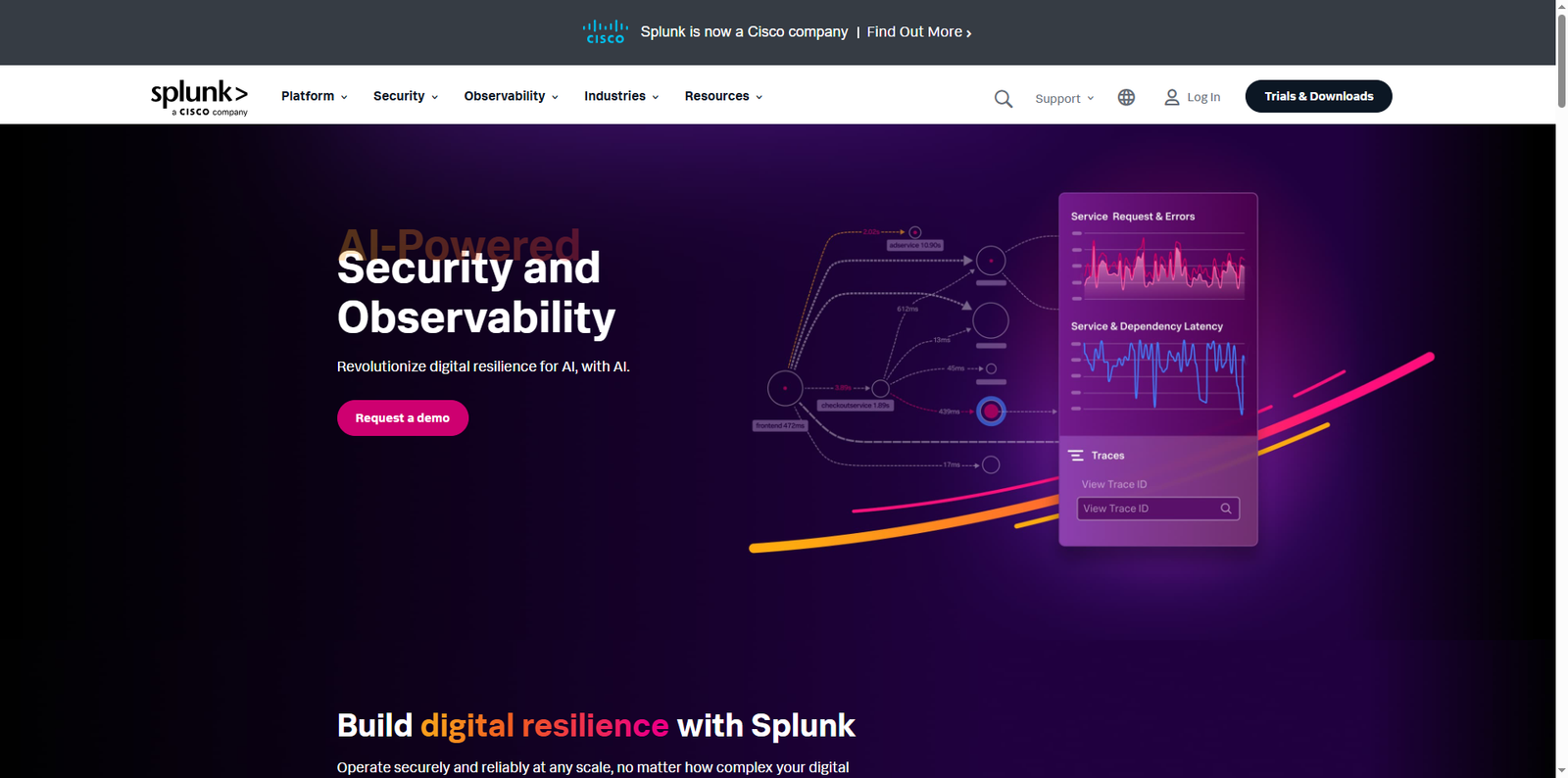
Splunk is a software platform designed for searching, monitoring, and analyzing machine-generated data through a web-style interface. It was founded in 2003 and has since become a leader in operational intelligence. According to IDC, the global data analytics market is projected to surpass $500 billion by 2030, and Splunk plays a significant role in this growth by enabling organizations to make sense of complex data environments.
Splunk helps businesses collect and index data from various sources, including applications, servers, networks, and IoT devices. Once indexed, users can visualize this data in dashboards, generate alerts, and create reports to improve decision-making and security posture.
How Splunk Works
Splunk operates by ingesting data from multiple sources, indexing it, and making it searchable in real time. The process typically involves three main stages:
- Data Input: Splunk collects data from logs, metrics, APIs, and streaming sources.
- Indexing: The collected data is parsed, transformed, and stored in indexes for efficient retrieval.
- Search and Visualization: Users can query the indexed data using the Splunk Search Processing Language (SPL) to generate visualizations, dashboards, and alerts.
For example, a network administrator might use Splunk to monitor server logs for unusual activity, while a marketing analyst might analyze web traffic patterns to optimize campaigns.
Core Components of Splunk
Splunk’s architecture is modular, consisting of several key components that work together to deliver comprehensive data analytics capabilities:
- Forwarder: Collects data from various sources and sends it to the indexer.
- Indexer: Processes and stores incoming data, making it searchable.
- Search Head: Provides the interface for users to query and visualize data.
- Deployment Server: Manages configurations across multiple Splunk instances.
- Cluster Master: Ensures high availability and data replication across distributed environments.
This distributed architecture allows Splunk to scale horizontally, handling terabytes of data daily while maintaining performance and reliability.
Key Benefits of Using Splunk
Organizations across industries use Splunk for its ability to deliver actionable insights from complex data environments. Some of the most notable benefits include:
- Real-Time Monitoring: Splunk enables continuous monitoring of systems and applications, helping detect issues before they escalate.
- Enhanced Security: With Splunk’s security analytics, organizations can identify threats, correlate events, and respond quickly to incidents.
- Operational Efficiency: Splunk streamlines IT operations by automating log analysis and performance monitoring.
- Scalability: Its distributed architecture supports large-scale data ingestion and analysis across hybrid and cloud environments.
- Data Visualization: Splunk’s dashboards and reports make complex data easy to interpret and share across teams.
Popular Use Cases
Splunk’s versatility makes it suitable for a wide range of applications. Below are some of the most common use cases across industries:
1. IT Operations Management
Splunk helps IT teams monitor infrastructure performance, detect anomalies, and troubleshoot issues faster. By analyzing logs and metrics, teams can identify root causes and minimize downtime.
2. Security Information and Event Management (SIEM)
Splunk’s SIEM capabilities allow organizations to collect and analyze security data from multiple sources. This helps detect potential threats, correlate suspicious activities, and automate incident responses. According to Gartner, Splunk is consistently recognized as a leader in the SIEM market due to its robust analytics and scalability.
3. Business Analytics
Beyond IT and security, Splunk is also used for business intelligence. Marketing, finance, and operations teams use it to analyze customer behavior, transaction data, and operational metrics to improve performance and profitability.
4. Internet of Things (IoT) Analytics
With the rise of connected devices, Splunk helps organizations process and analyze IoT data streams in real time. This enables predictive maintenance, improved asset utilization, and enhanced customer experiences.
5. DevOps and Application Monitoring
Splunk supports DevOps teams by providing visibility into application performance, deployment pipelines, and user interactions. This helps accelerate software delivery while maintaining reliability and security.
Alternatives to Splunk
While Splunk is a market leader, several other tools offer similar capabilities for log management, monitoring, and analytics. Below is a comparison table of popular alternatives:
| Tool Name | Description |
|---|---|
| Elastic Stack (ELK) | An open-source suite consisting of Elasticsearch, Logstash, and Kibana, used for search, logging, and data visualization. |
| Datadog | A cloud-based monitoring platform that provides observability into infrastructure, applications, and logs. |
| New Relic | A performance monitoring tool that helps developers and IT teams track application health and user experience. |
| Sumo Logic | A cloud-native analytics platform for log management, security analytics, and operational intelligence. |
| Graylog | An open-source log management tool that simplifies data collection and analysis for IT operations and security teams. |
Conclusion
Splunk has revolutionized how organizations interact with data by providing a unified platform for monitoring, analyzing, and visualizing machine-generated information. Its ability to process massive data volumes in real time makes it indispensable for IT operations, cybersecurity, and business intelligence. While alternatives like Elastic Stack and Datadog offer competitive features, Splunk’s scalability, reliability, and ecosystem integration continue to set it apart.
As data continues to grow exponentially, the need for intelligent analytics platforms will only increase. Splunk’s ongoing innovation and focus on machine learning and automation ensure it remains a vital tool for enterprises seeking to harness the full potential of their data. Whether you’re managing IT infrastructure, securing digital assets, or driving business insights, Splunk provides the foundation for smarter, data-driven decision-making.