



Outline
- Introduction
- Understanding the Need for AI Evaluation Platforms
- What is Arthur.ai?
- How Arthur.ai Works
- Core Capabilities and Benefits
- Applications Across Industries
- Arthur.ai vs. Alternative Tools
- Challenges and Future Outlook
- Conclusion
Introduction
As artificial intelligence (AI) continues to shape industries worldwide, the need for reliable evaluation and monitoring tools has become critical. According to a 2023 McKinsey report, over 55% of organizations have adopted AI in at least one business function, yet only a fraction have robust systems to evaluate their models’ fairness, accuracy, and performance. This is where Arthur.ai steps in — a comprehensive platform designed to help teams build trustworthy AI by managing the full lifecycle of model evaluation.
Understanding the Need for AI Evaluation Platforms
AI models are only as good as the data and evaluation processes behind them. Without proper oversight, models can drift, become biased, or fail to meet compliance standards. In regulated sectors such as finance, healthcare, and government, these issues can lead to significant risks. A study by Stanford’s Human-Centered AI Institute found that 68% of organizations lack visibility into how their AI models perform post-deployment.
Evaluation platforms like Arthur.ai address these challenges by providing continuous monitoring, explainability, and performance analytics. They ensure that models remain aligned with business goals while maintaining fairness and transparency.
What is Arthur.ai?
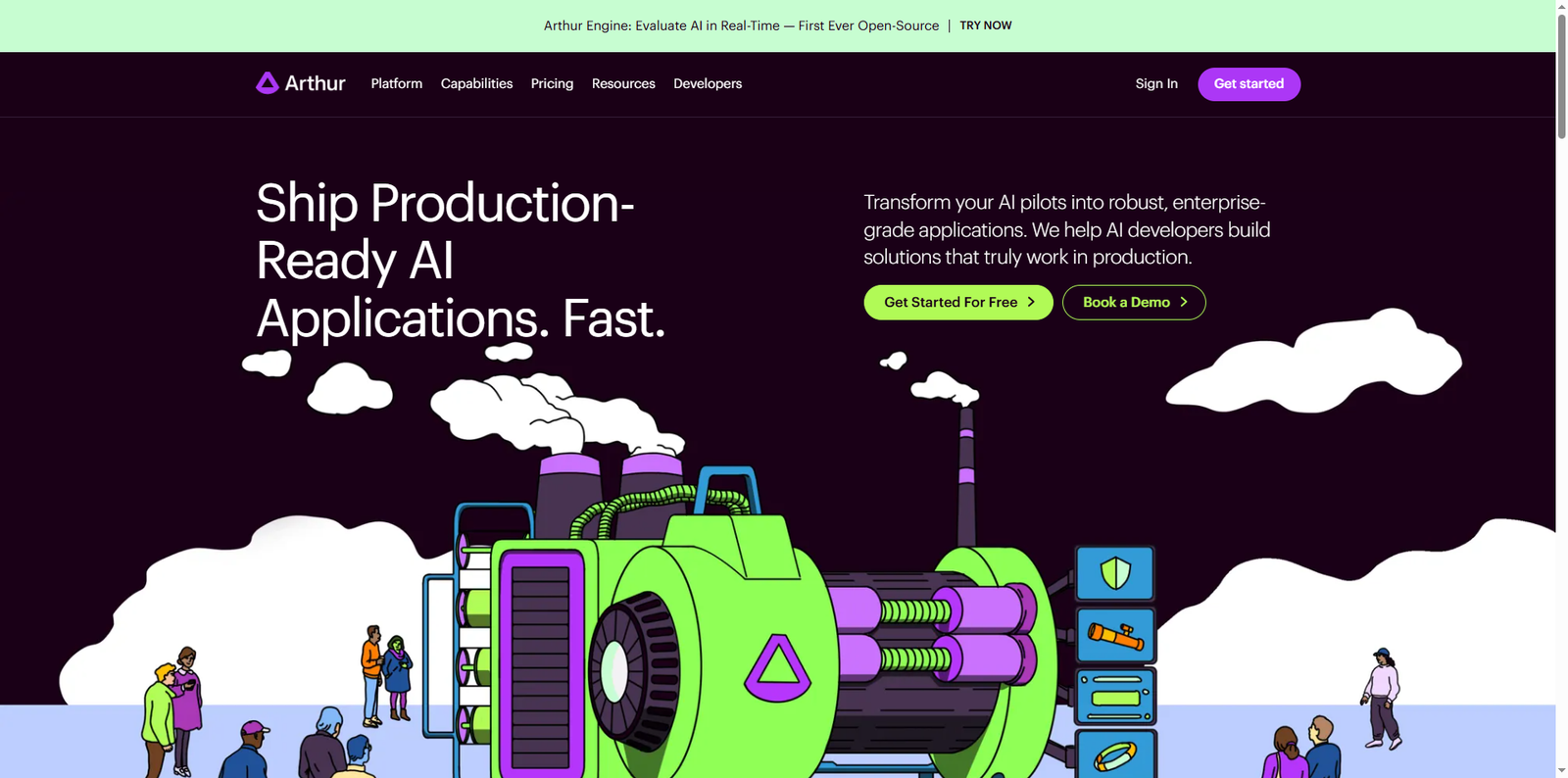
Arthur.ai is a full lifecycle platform for model evaluation (evals) that enables organizations to assess, monitor, and improve AI systems across development and production stages. Founded in 2018 and headquartered in New York City, Arthur.ai has become a trusted partner for enterprises seeking to operationalize responsible AI practices.
The platform integrates seamlessly with existing machine learning pipelines, supporting popular frameworks such as TensorFlow, PyTorch, and Scikit-learn. Its core mission is to make AI more understandable and accountable by offering advanced evaluation tools that measure model performance, fairness, and robustness.
How Arthur.ai Works
Arthur.ai operates as a centralized hub for AI evaluation. It connects to your models via APIs or SDKs and continuously tracks their behavior in real-world conditions. The platform collects data on predictions, inputs, and outcomes, then applies statistical and ethical metrics to evaluate performance.
Key Processes Involved
- Data Ingestion: Arthur.ai ingests model outputs and metadata to create a comprehensive evaluation dataset.
- Metric Computation: It computes a variety of metrics, including accuracy, precision, recall, and fairness indicators like demographic parity.
- Visualization: Interactive dashboards allow users to visualize model drift, bias, and performance trends over time.
- Alerts and Reporting: Automated alerts notify teams when performance thresholds are breached, enabling quick remediation.
Core Capabilities and Benefits
Arthur.ai’s strength lies in its ability to unify evaluation workflows across the AI lifecycle. It helps teams move beyond one-time testing to continuous model governance. Some of the most notable benefits include:
- Transparency: Provides explainability tools that clarify how models make decisions.
- Bias Detection: Identifies potential fairness issues across demographic groups.
- Performance Tracking: Monitors model drift and degradation over time.
- Compliance Support: Helps organizations meet regulatory standards such as GDPR and the EU AI Act.
By integrating these capabilities, Arthur.ai empowers data science teams to maintain control over their AI systems, ensuring they remain ethical and effective in production environments.
Applications Across Industries
Arthur.ai’s versatility makes it suitable for a wide range of industries. From financial services to healthcare, its evaluation capabilities help organizations maintain trust in their AI-driven decisions.
1. Finance
In banking and insurance, AI models are used for credit scoring, fraud detection, and risk assessment. Arthur.ai enables financial institutions to monitor these models for bias and ensure compliance with fairness regulations.
2. Healthcare
Healthcare organizations use AI for diagnostics, patient triage, and predictive analytics. Arthur.ai helps validate these models to ensure they perform consistently across diverse patient populations, reducing the risk of biased outcomes.
3. Retail and E-commerce
Retailers leverage AI for recommendation engines and demand forecasting. Arthur.ai’s monitoring tools help detect model drift caused by seasonal changes or shifting consumer behavior, ensuring accurate predictions year-round.
4. Government and Public Sector
Public agencies increasingly rely on AI for resource allocation and citizen services. Arthur.ai supports these initiatives by providing transparency and accountability, essential for maintaining public trust in automated systems.
Arthur.ai vs. Alternative Tools
While Arthur.ai is a leading platform for AI evaluation, several other tools also contribute to responsible AI development. Below is a comparison of some notable alternatives:
| Tool Name | Description |
|---|---|
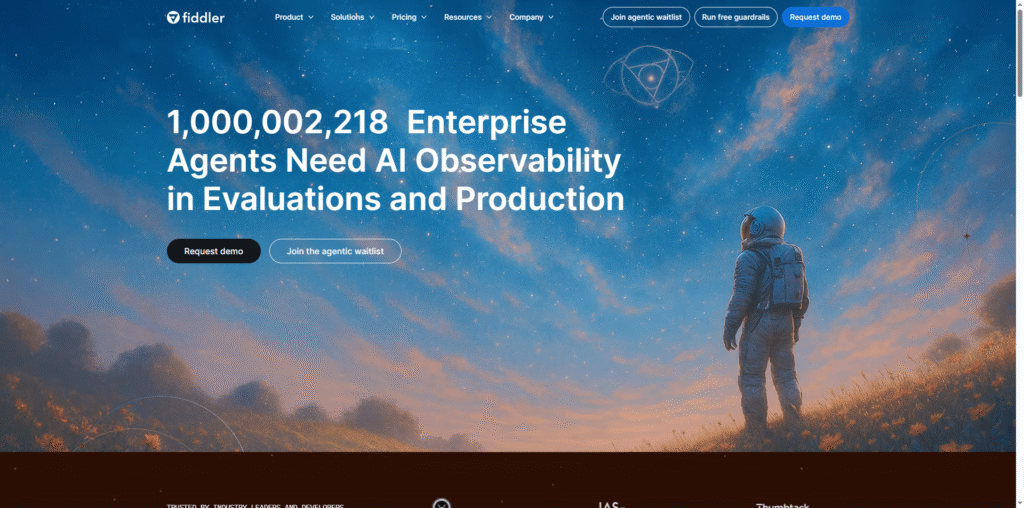
| Fiddler AI | Provides explainable AI and model monitoring solutions that help teams understand and trust their machine learning models. |
| Truera | Focuses on model intelligence and explainability, enabling users to debug, monitor, and improve AI models across their lifecycle. |
| Mona | Offers intelligent monitoring for AI and analytics systems, detecting anomalies and performance issues in real time. |
| WhyLabs | Delivers observability tools for machine learning pipelines, helping teams detect data drift and maintain model reliability. |
Each of these tools provides unique strengths, but Arthur.ai distinguishes itself through its focus on comprehensive evaluation across the entire model lifecycle, from development to deployment.
Challenges and Future Outlook
Despite its advantages, implementing AI evaluation platforms like Arthur.ai can present challenges. Integration with existing infrastructure may require technical expertise, and organizations must ensure that data privacy is maintained throughout the evaluation process. Additionally, as AI regulations evolve, platforms must adapt to new compliance requirements.
Looking ahead, the future of AI evaluation is promising. Gartner predicts that by 2026, over 70% of enterprises will use AI governance tools to manage risk and ensure ethical compliance. Arthur.ai is well-positioned to lead this transformation by continuing to innovate in areas such as automated fairness testing, large language model (LLM) evaluation, and real-time monitoring for generative AI systems.
Conclusion
Arthur.ai represents a significant step forward in the journey toward responsible and transparent AI. By offering a full lifecycle platform for model evaluation, it empowers organizations to build, monitor, and improve their AI systems with confidence. In an era where trust and accountability are paramount, Arthur.ai provides the tools necessary to ensure that AI not only performs effectively but also aligns with ethical and regulatory standards.
As AI adoption accelerates across industries, platforms like Arthur.ai will play an increasingly vital role in shaping the future of intelligent systems. Whether you are a data scientist, compliance officer, or business leader, understanding and leveraging AI evaluation tools is essential to achieving long-term success in the age of automation.