


Outline
- Introduction
- Understanding Data Lineage
- What Makes Octopai Unique
- How Octopai Works
- Key Benefits of Using Octopai
- Use Cases of Octopai
- Alternatives to Octopai
- Conclusion
Introduction
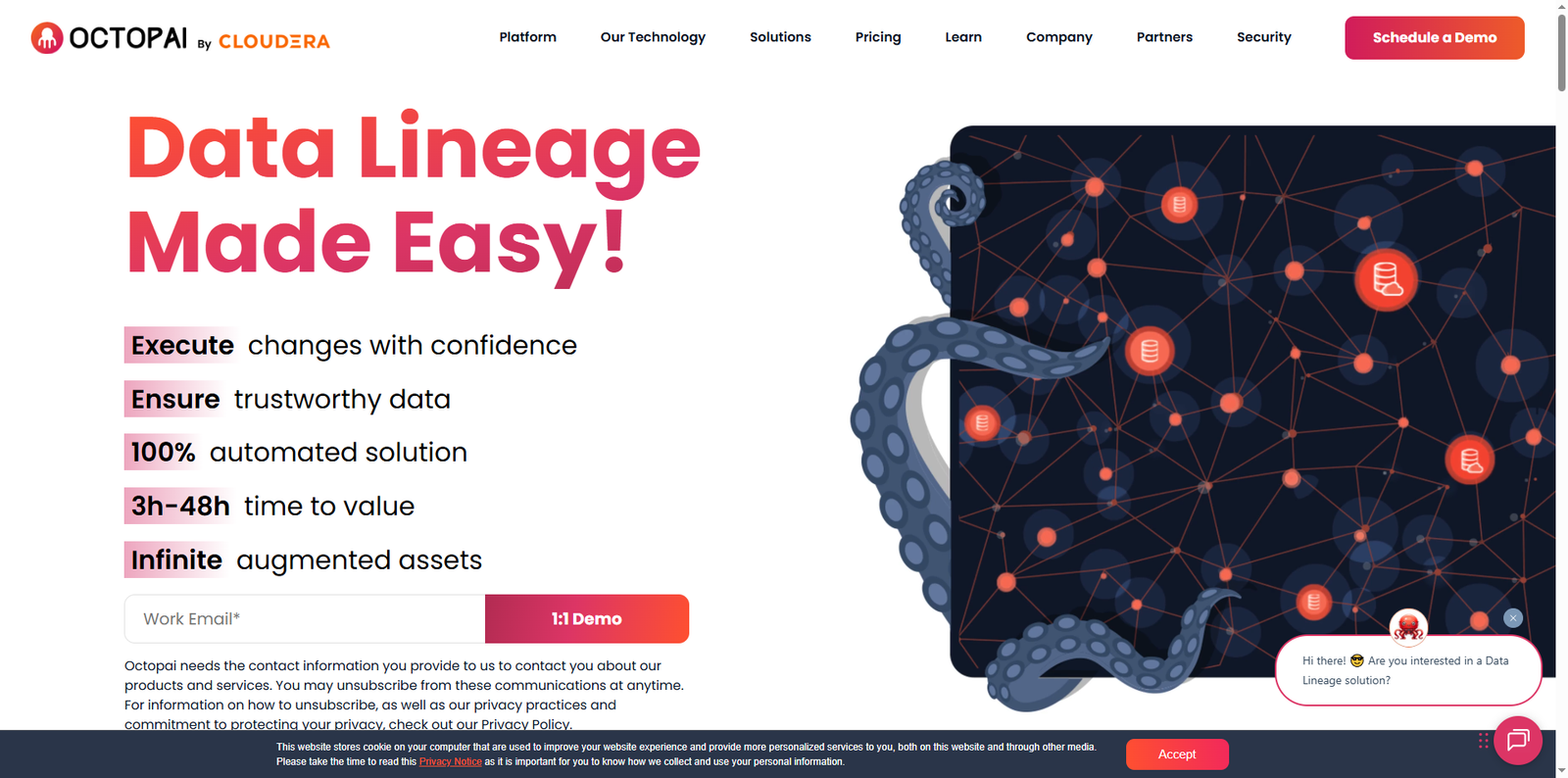
In today’s data-driven world, organizations depend on accurate, trustworthy, and accessible data to make informed decisions. However, managing complex data ecosystems across multiple platforms can be challenging. This is where Octopai steps in. Octopai is an automated data lineage and discovery platform designed to simplify how enterprises understand, trace, and manage their data flows. With its AI-powered automation, Octopai helps data teams gain full visibility into their data pipelines, ensuring compliance, accuracy, and operational efficiency.
Understanding Data Lineage
Data lineage refers to the process of tracking data as it moves through an organization’s systems—from its origin to its final destination. It provides a visual representation of data flow, showing how data is transformed, aggregated, and consumed across various tools and environments. According to Gartner, over 80% of organizations cite data lineage as a critical component of their data governance strategy.
Without proper lineage tracking, teams struggle to identify data sources, troubleshoot issues, and ensure compliance with regulations such as GDPR and CCPA. Automated solutions like Octopai eliminate manual tracking, offering real-time insights into data dependencies and transformations.
What Makes Octopai Unique
Octopai stands out for its fully automated approach to data lineage. Unlike traditional tools that require manual configuration, Octopai scans metadata across ETL processes, databases, and BI tools to automatically map data flows. This automation drastically reduces the time and effort required to understand complex data ecosystems.
One of Octopai’s most innovative features is Octomize AI—an AI co-pilot that empowers data teams with real-time insights, script optimization, and automated documentation. Octomize AI enhances productivity by interpreting scripts and providing instant visibility into data lineage within the platform.
Cross-Platform Coverage
Octopai supports both cloud and on-premises environments, making it suitable for hybrid data infrastructures. It integrates seamlessly with popular BI and ETL tools, enabling organizations to achieve end-to-end visibility without disrupting existing workflows.
Fast Setup and Onboarding
Unlike many enterprise data tools that require lengthy implementation, Octopai’s setup can be completed in less than 24 hours. This rapid deployment allows teams to start deriving value almost immediately, without the need for professional services or complex configurations.
How Octopai Works
Octopai operates by automatically scanning and analyzing metadata from various systems within an organization’s data ecosystem. It then constructs a comprehensive lineage map that visualizes how data moves and transforms across platforms. This process involves three main components:
- Metadata Discovery: Octopai identifies and extracts metadata from databases, ETL tools, and BI systems.
- Data Lineage Mapping: The platform builds a visual representation of data flow, showing dependencies and transformations.
- Impact Analysis: Users can assess how changes in one part of the system affect downstream data assets, reducing risk during updates or migrations.
Example of Data Flow Visualization
Imagine a financial institution using multiple data warehouses and reporting tools. Octopai automatically maps how customer transaction data moves from ingestion through transformation to final reporting dashboards. This visibility helps ensure accuracy and compliance while enabling faster troubleshooting when discrepancies arise.
Key Benefits of Using Octopai
Organizations that implement Octopai experience significant improvements in data governance, efficiency, and collaboration. Below are some of the most impactful benefits:
- Enhanced Data Trust: By providing a clear view of data lineage, Octopai ensures that teams can trust the accuracy and consistency of their data.
- Improved Compliance: Automated lineage tracking simplifies regulatory reporting and audit readiness.
- Operational Efficiency: Teams save valuable time by automating manual documentation and data tracing tasks.
- Faster Decision-Making: With real-time insights into data dependencies, organizations can make faster, more informed decisions.
- Cross-Department Collaboration: Octopai bridges the gap between IT, data governance, and business teams by providing a unified view of data assets.
Use Cases of Octopai
Octopai’s flexibility makes it suitable for a wide range of industries and data management scenarios. Below are some common use cases:
1. Compliance and Audit Readiness
For organizations subject to strict data regulations, Octopai provides a transparent view of data movement. This visibility simplifies compliance audits and ensures adherence to data privacy laws.
2. Data Migration Projects
During system migrations, understanding data dependencies is crucial. Octopai’s automated lineage mapping helps teams identify potential risks and plan migrations with confidence, minimizing downtime and data loss.
3. Impact Analysis for Data Changes
When modifying ETL processes or database schemas, Octopai allows teams to assess how changes will impact downstream reports and dashboards. This proactive approach prevents errors and ensures data integrity.
4. Business Intelligence Optimization
BI teams use Octopai to trace data sources behind reports and dashboards. This transparency helps identify redundant processes and optimize performance across analytics environments.
Alternatives to Octopai
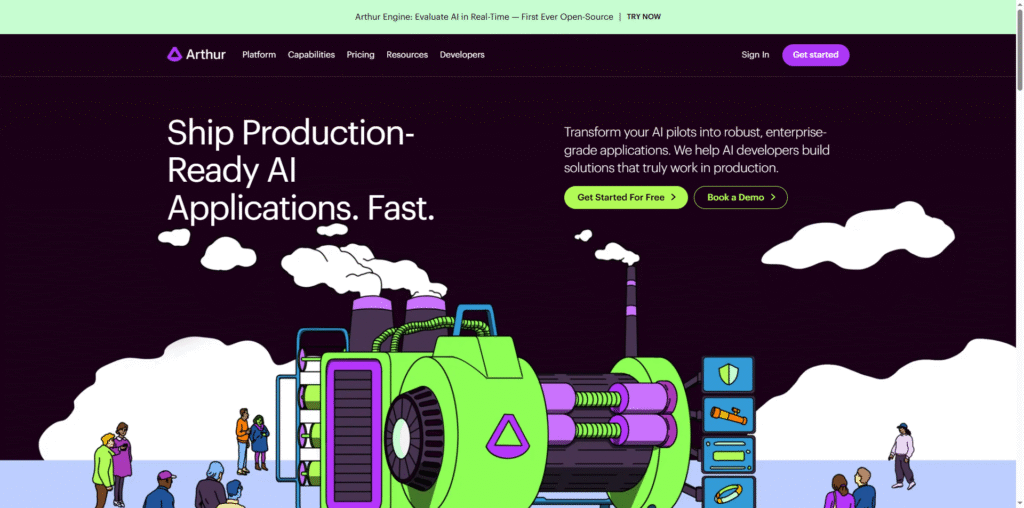
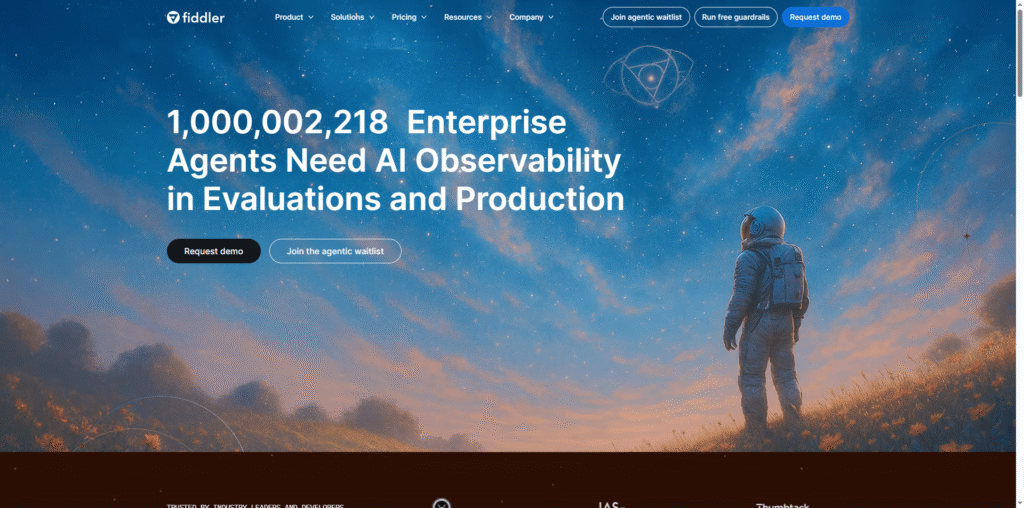
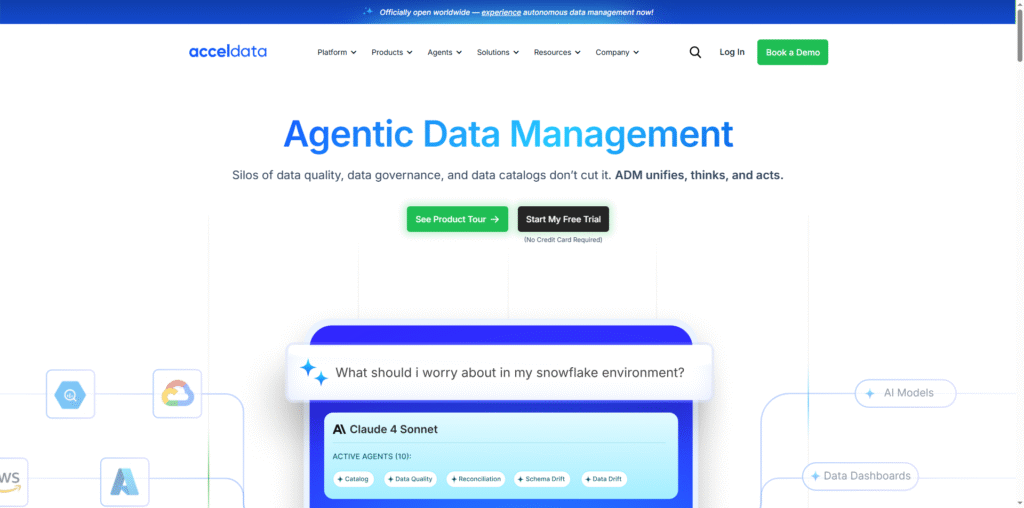
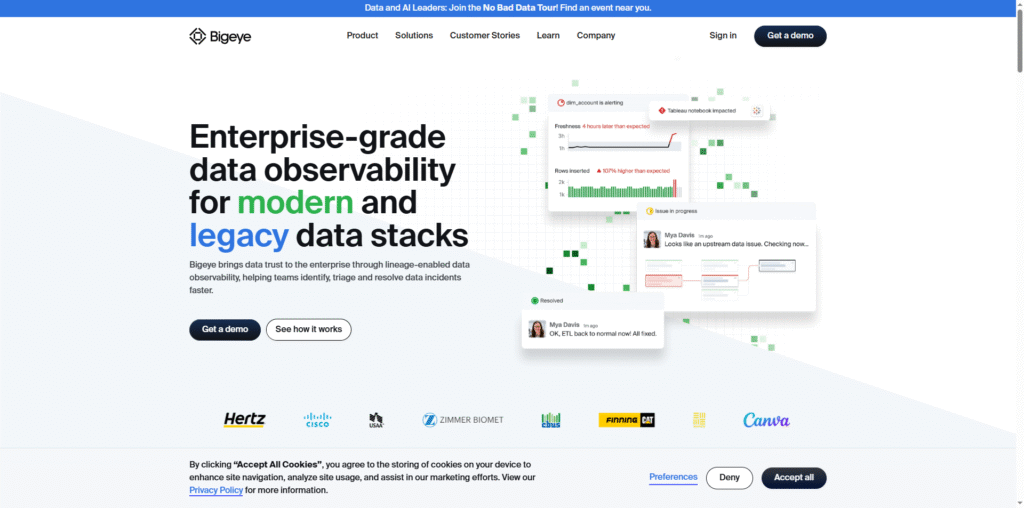
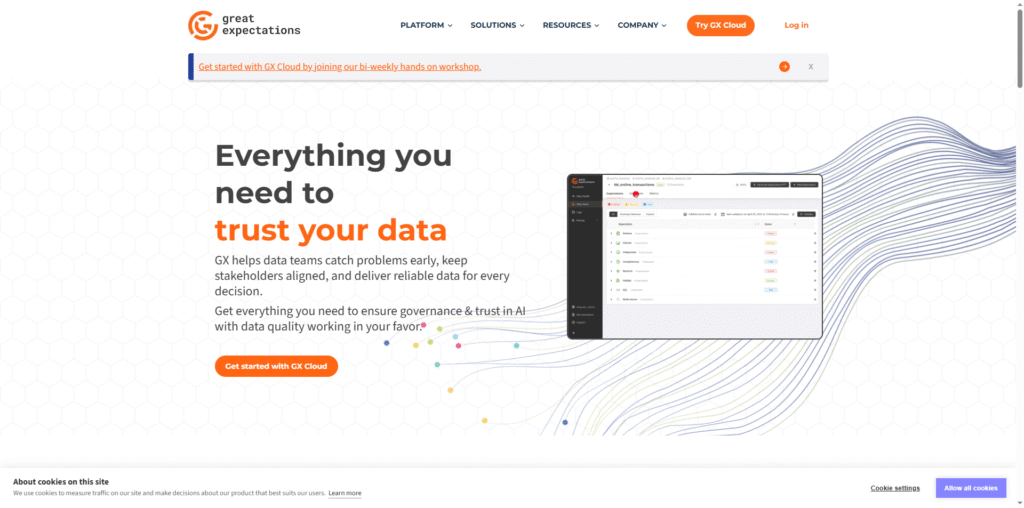
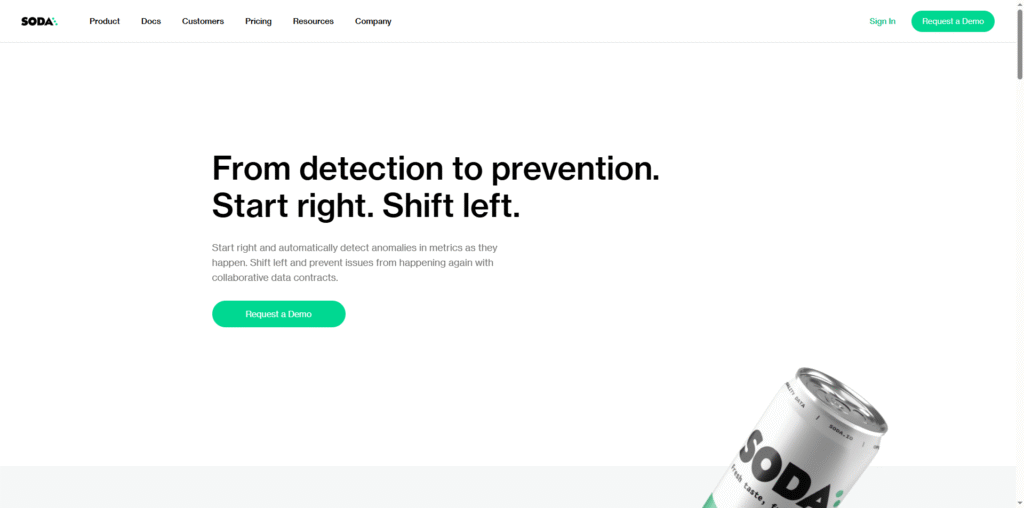
While Octopai is a leading solution in automated data lineage, several other tools also offer valuable capabilities in this space. Below is a comparison of some alternatives:
| Tool Name | Description |
|---|---|
| Alation | A data catalog platform that provides data governance, lineage visualization, and collaboration features for enterprise data teams. |
| Collibra | Offers a comprehensive data intelligence platform with governance, cataloging, and lineage capabilities for large organizations. |
| Informatica | Provides metadata management and data lineage tracking as part of its enterprise data integration suite. |
| Talend | Combines data integration and governance tools with built-in lineage tracking for hybrid and cloud environments. |
| Atlan | A modern data workspace that unifies discovery, lineage, and collaboration, designed for agile data teams. |
Customer Success Stories
Organizations across industries have reported remarkable improvements after adopting Octopai. For instance, Direct Finance’s BI Manager, David Bachinsky, highlighted that Octopai saves their team days of manual work by automating data searches. Similarly, the Northern Alberta Institute of Technology reported time savings of up to 99%, transforming weeks of work into minutes. These testimonials underscore how automation can revolutionize data management efficiency.
Why Data Teams Choose Automation
Modern data teams are under immense pressure to deliver accurate insights quickly. Manual documentation and lineage tracking are no longer sustainable. Automation tools like Octopai and its alternatives empower teams to focus on innovation rather than repetitive tasks. By leveraging AI and metadata intelligence, organizations can ensure that their data ecosystems remain transparent, compliant, and scalable.
Conclusion
Octopai has redefined how enterprises approach data lineage and governance. Its automated, AI-driven platform eliminates the complexity of manual data tracking, empowering organizations to execute changes with confidence and maintain data trust across their ecosystems. Whether used for compliance, migration, or analytics optimization, Octopai provides the visibility and control that modern data teams need to thrive. As data environments continue to grow in complexity, adopting automated lineage solutions like Octopai will be essential for ensuring accuracy, compliance, and long-term success.