



Outline
- Introduction
- What is Azure?
- Core Components of Azure
- Azure Synapse Analytics: The Heart of Data Innovation
- Benefits of Using Azure for Modern Businesses
- Alternative Tools for Cloud and Data Analytics
- Security and Compliance in Azure
- Real-World Use Cases of Azure
- Conclusion
Introduction
In the era of digital transformation, cloud computing has become the backbone of innovation. Among the leading platforms driving this revolution is Azure, Microsoft’s comprehensive cloud ecosystem. Azure empowers organizations to build, deploy, and manage applications through a global network of data centers, offering flexibility, scalability, and security. As of 2024, Azure holds approximately 23% of the global cloud market share, making it one of the top three cloud service providers worldwide.
What is Azure?
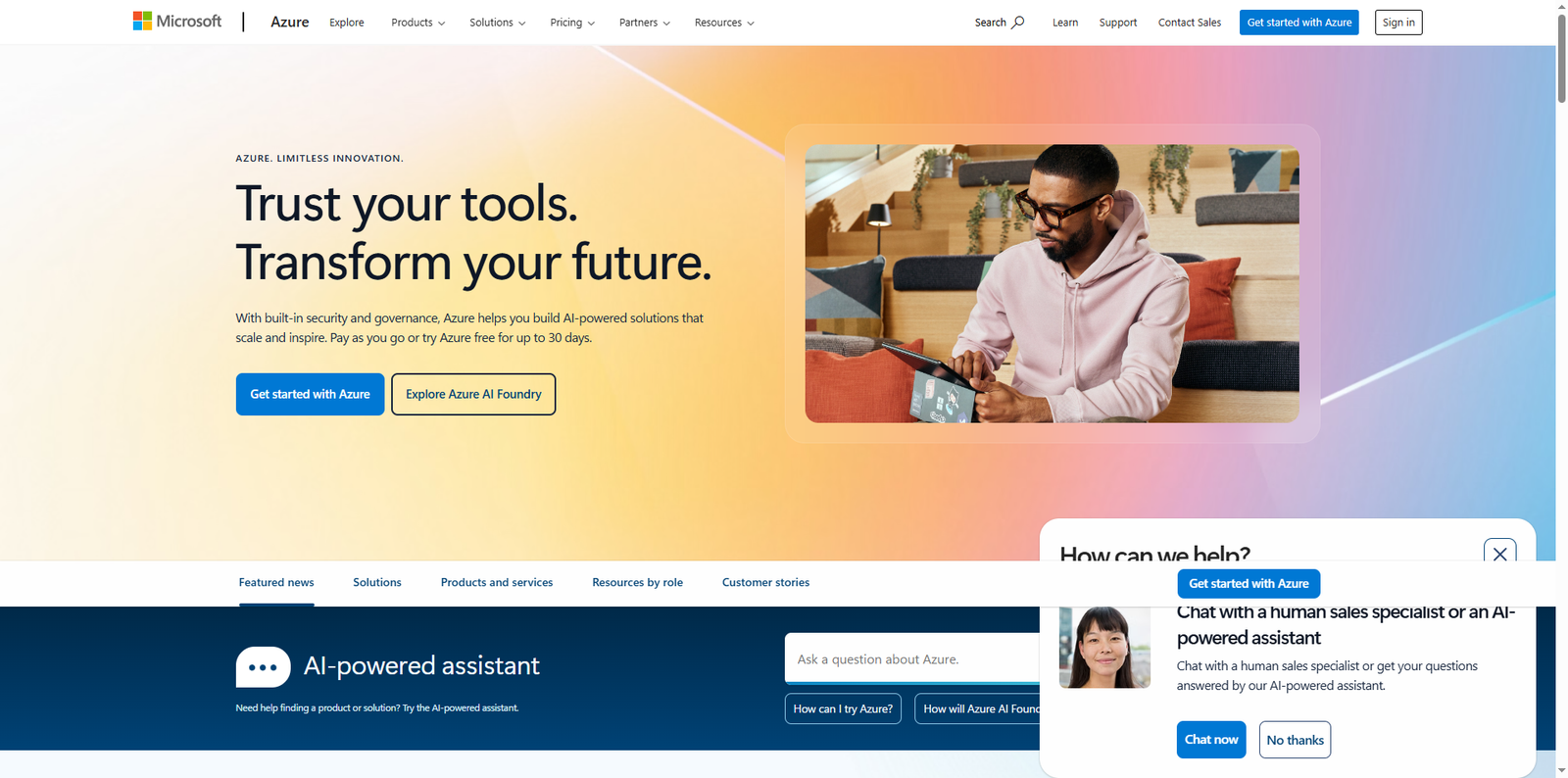
Azure is Microsoft’s cloud computing platform that provides a wide range of services, including computing, storage, networking, databases, analytics, and artificial intelligence. It enables businesses to move away from traditional on-premises infrastructure to a cloud-based environment that supports innovation and agility. Azure’s global infrastructure spans more than 60 regions, ensuring high availability and low latency for users worldwide.
Key Service Categories
- Compute: Virtual machines, containers, and serverless computing for scalable workloads.
- Storage: Secure, redundant cloud storage for structured and unstructured data.
- Networking: Virtual networks, load balancers, and content delivery networks for optimized performance.
- AI and Machine Learning: Tools for developing intelligent applications using pre-built AI models.
- Analytics: Data integration, transformation, and visualization for actionable insights.
Core Components of Azure
Azure’s ecosystem is built around several core components that work seamlessly together to deliver a unified cloud experience. These include:
- Azure Virtual Machines: Scalable computing resources for running applications and workloads.
- Azure Kubernetes Service (AKS): Managed Kubernetes for containerized applications.
- Azure Active Directory: Identity and access management for secure user authentication.
- Azure DevOps: Tools for continuous integration and delivery pipelines.
- Azure Synapse Analytics: A unified analytics platform for big data and enterprise data warehousing.
Azure Synapse Analytics: The Heart of Data Innovation
Azure Synapse Analytics is one of the most powerful components within the Azure ecosystem. It bridges the gap between big data and data warehousing, allowing organizations to analyze vast amounts of data quickly and efficiently. Synapse integrates seamlessly with Power BI and Azure Machine Learning, enabling users to visualize and model data without complex data movement.
How Azure Synapse Analytics Works
Azure Synapse combines data ingestion, preparation, management, and serving into a single unified workspace. It supports both serverless and dedicated resource models, giving users flexibility in managing workloads. With its integration capabilities, data engineers, analysts, and data scientists can collaborate in real time, reducing project development time and accelerating insights.
Key Advantages
- Unified Experience: Develop end-to-end analytics solutions in one environment.
- Limitless Scale: Handle petabytes of data across multiple sources.
- Advanced Security: Protect data using encryption, dynamic data masking, and access control.
- AI Integration: Apply machine learning models directly to data pipelines.
Benefits of Using Azure for Modern Businesses
Organizations across industries are leveraging Azure to modernize their operations and drive innovation. The platform offers numerous benefits that make it a preferred choice for enterprises and startups alike.
1. Scalability and Flexibility
Azure’s pay-as-you-go model allows businesses to scale resources up or down based on demand. This flexibility ensures cost efficiency and optimal performance during peak workloads.
2. Global Reach
With data centers in over 60 regions, Azure provides global coverage, ensuring compliance with local data regulations and delivering low-latency experiences to users worldwide.
3. Integration with Microsoft Ecosystem
Azure integrates seamlessly with Microsoft products such as Office 365, Dynamics 365, and Power Platform, creating a cohesive digital environment for businesses.
4. Enhanced Security
Microsoft invests heavily in security, with over 34,000 engineers dedicated to cybersecurity initiatives. Azure includes built-in security features like identity management, threat detection, and encryption to safeguard data.
Alternative Tools for Cloud and Data Analytics
While Azure offers a robust suite of services, several alternative tools also provide powerful cloud and analytics capabilities. Below is a comparison of some popular alternatives:
| Tool Name | Description |
|---|---|
| Amazon Web Services (AWS) | A leading cloud platform offering a wide range of computing, storage, and AI services for enterprises. |
| Google Cloud Platform (GCP) | Provides advanced data analytics and AI capabilities with seamless integration into Google’s ecosystem. |
| Snowflake | A cloud-based data warehousing solution designed for scalability and real-time analytics. |
| Databricks | Unified analytics platform built on Apache Spark for big data processing and machine learning. |
Security and Compliance in Azure
Security is a cornerstone of Azure’s architecture. Microsoft follows a multi-layered approach to protect data, applications, and infrastructure. Azure complies with global standards such as ISO 27001, GDPR, and HIPAA, ensuring that organizations meet regulatory requirements.
Security Features
- Encryption: Data is encrypted both at rest and in transit.
- Access Control: Role-based access management ensures only authorized users can access sensitive data.
- Threat Detection: Advanced analytics and AI-driven monitoring detect and mitigate potential threats in real time.
- Compliance Management: Built-in tools help organizations maintain compliance with industry regulations.
Real-World Use Cases of Azure
Azure’s versatility makes it suitable for a wide range of industries. From healthcare to finance, organizations are leveraging Azure to transform their operations and deliver better services.
1. Healthcare
Hospitals use Azure to store and analyze patient data securely, enabling predictive analytics for improved diagnosis and treatment. Integration with AI tools helps in identifying disease patterns and optimizing care delivery.
2. Finance
Financial institutions rely on Azure for fraud detection, risk management, and real-time analytics. The platform’s compliance capabilities ensure adherence to strict financial regulations.
3. Retail
Retailers use Azure to analyze customer behavior, manage supply chains, and personalize shopping experiences. By leveraging Azure Synapse Analytics, they can process large volumes of transactional data efficiently.
4. Manufacturing
Manufacturers deploy Azure IoT and analytics solutions to monitor equipment performance, reduce downtime, and improve production efficiency.
Conclusion
Azure has redefined how organizations approach cloud computing, data analytics, and AI integration. Its comprehensive suite of services enables businesses to innovate faster, scale efficiently, and maintain robust security. With tools like Azure Synapse Analytics, companies can unlock the full potential of their data, gaining insights that drive strategic decisions. As the digital landscape continues to evolve, Azure remains a cornerstone for enterprises seeking agility, intelligence, and resilience in the cloud era.