




Outline
- Introduction
- Understanding Logz.io and Its Core Purpose
- How Logz.io Supports Modern Observability
- Architecture and Technology Stack
- Benefits of Using Logz.io
- Use Cases Across Industries
- Comparison with Alternative Tools
- Integration and Ecosystem Compatibility
- Security and Compliance
- Conclusion
Introduction
In today’s cloud-native world, organizations rely heavily on observability platforms to ensure the performance, reliability, and scalability of their systems. Logz.io has emerged as a leading observability platform that combines open-source technologies with enterprise-grade capabilities. Recognized as a visionary in the observability space, Logz.io helps DevOps and SRE teams monitor, troubleshoot, and optimize complex distributed environments efficiently.
Understanding Logz.io and Its Core Purpose
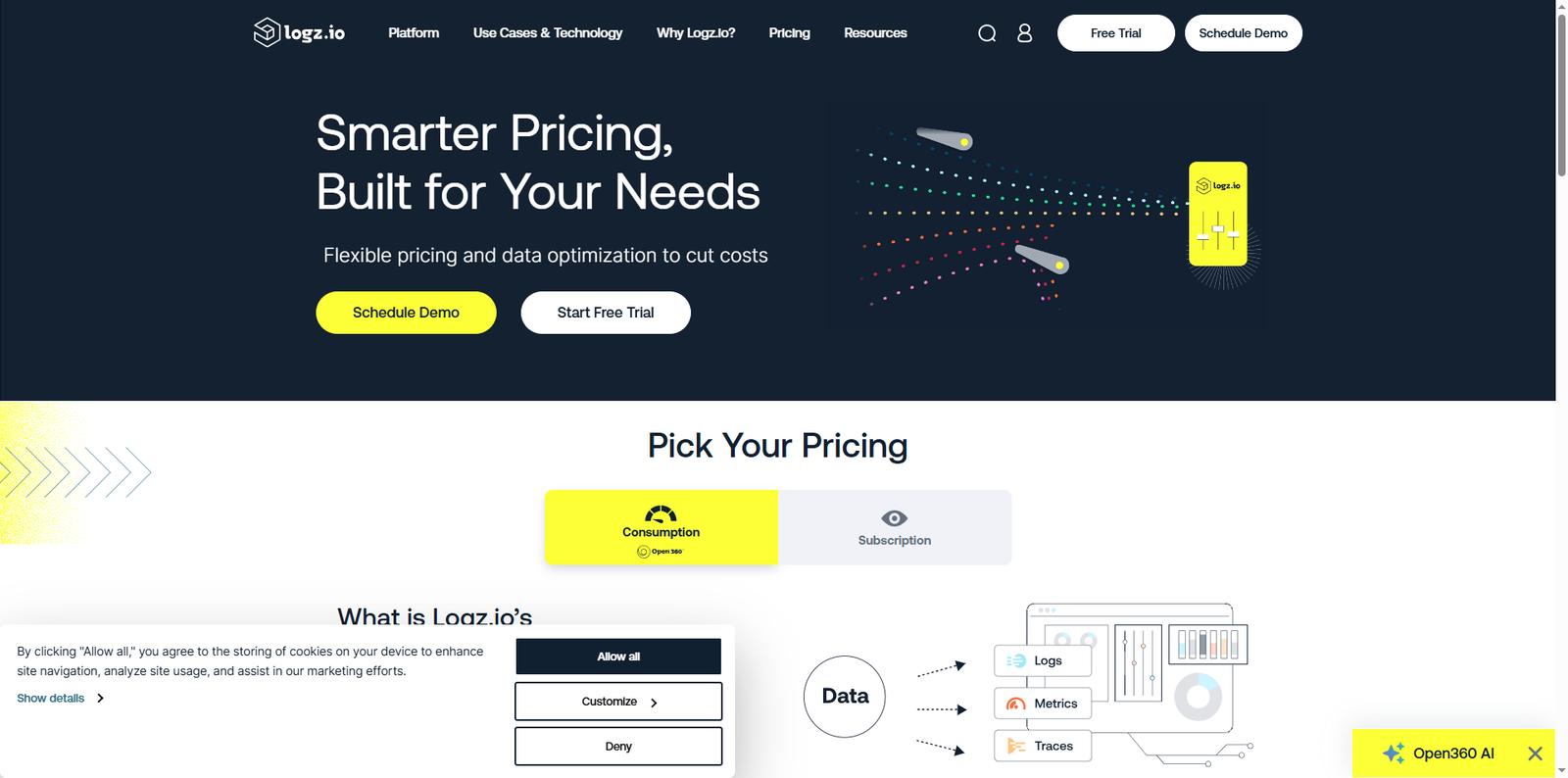
Logz.io is a cloud-based observability platform that unifies logs, metrics, and traces into a single, cohesive view. It is built on popular open-source tools such as Elasticsearch, Kibana, and Prometheus. The platform’s primary mission is to simplify observability by providing a scalable, cost-effective, and intelligent solution for monitoring modern applications and infrastructure.
According to a 2023 Gartner report, organizations that adopt unified observability solutions experience up to 30% faster incident resolution times. Logz.io’s approach aligns perfectly with this trend by offering an integrated platform that reduces tool sprawl and enhances collaboration between teams.
How Logz.io Supports Modern Observability
Modern observability goes beyond simple monitoring. It involves collecting, analyzing, and correlating data from various sources to gain actionable insights. Logz.io supports this by offering:
- Centralized Data Collection: Aggregates logs, metrics, and traces from multiple environments.
- AI-Powered Insights: Uses machine learning to detect anomalies and suggest resolutions.
- Scalable Infrastructure: Handles petabytes of data efficiently across distributed systems.
- Open-Source Compatibility: Seamlessly integrates with widely adopted observability tools.
Architecture and Technology Stack
Logz.io’s architecture is designed for scalability and performance. It leverages a combination of open-source technologies and proprietary enhancements to deliver a robust observability experience. The core components include:
- Log Management: Powered by the ELK Stack (Elasticsearch, Logstash, Kibana) for indexing and visualizing log data.
- Metrics Monitoring: Built on Prometheus and Grafana for real-time metrics collection and visualization.
- Tracing: Uses OpenTelemetry to capture distributed traces across microservices.
- Data Enrichment: Adds contextual metadata to logs and metrics for deeper analysis.
This architecture allows Logz.io to deliver high availability and low-latency performance, even in large-scale enterprise environments.
Benefits of Using Logz.io
Organizations that adopt Logz.io benefit from improved visibility, faster troubleshooting, and better resource optimization. Some of the key advantages include:
- Unified Observability: Combines logs, metrics, and traces in one platform for holistic analysis.
- Enhanced Collaboration: Enables DevOps, SRE, and security teams to work together seamlessly.
- Cost Efficiency: Optimizes data storage and retention strategies through intelligent tiering.
- Automation: Reduces manual intervention with automated alerts and anomaly detection.
- Open-Source Alignment: Allows users to leverage familiar tools without vendor lock-in.
Use Cases Across Industries
Logz.io is used across various industries, from technology startups to large enterprises. Some common use cases include:
- Application Performance Monitoring (APM): Identifying performance bottlenecks in real time.
- Security Monitoring: Detecting and investigating suspicious activities through log analysis.
- Infrastructure Monitoring: Tracking cloud and on-premise systems for uptime and reliability.
- Compliance Auditing: Maintaining audit trails for regulatory compliance.
For example, a 2022 case study revealed that a leading fintech company reduced mean time to resolution (MTTR) by 40% after implementing Logz.io’s observability suite.
Comparison with Alternative Tools
While Logz.io offers a comprehensive observability solution, several other tools provide similar capabilities. Below is a comparison of popular alternatives:
| Tool Name | Primary Focus | Best For |
|---|---|---|
| Datadog | Full-stack observability and monitoring | Enterprises seeking end-to-end visibility |
| New Relic | Application performance and telemetry | Teams focused on APM and digital experience |
| Grafana | Visualization and metrics analytics | Developers preferring open-source dashboards |
| Splunk | Data analytics and security information management | Security and IT operations teams |
Each of these tools has its strengths, but Logz.io stands out for its open-source foundation and AI-driven insights, making it a preferred choice for organizations that value flexibility and innovation.
Integration and Ecosystem Compatibility
Logz.io integrates seamlessly with a wide range of DevOps and cloud-native tools. This interoperability ensures that teams can maintain their existing workflows while enhancing observability. Common integrations include:
- Cloud Platforms: AWS, Azure, and Google Cloud for infrastructure monitoring.
- Container Orchestration: Kubernetes and Docker for containerized environments.
- CI/CD Pipelines: Jenkins, GitHub Actions, and CircleCI for continuous delivery monitoring.
- Alerting Systems: Slack, PagerDuty, and Opsgenie for real-time notifications.
These integrations make it easy for teams to collect and correlate data from multiple sources, improving operational efficiency and reducing downtime.
Security and Compliance
Security is a critical aspect of any observability platform. Logz.io employs rigorous security measures to protect customer data, including encryption in transit and at rest, role-based access control, and compliance with major standards such as SOC 2 and GDPR. The platform also provides audit logs and customizable retention policies to help organizations meet regulatory requirements.
In addition, Logz.io’s AI-driven threat detection capabilities enable proactive identification of potential security incidents, allowing teams to respond before they escalate into major issues.
Conclusion
Logz.io represents the next generation of observability platforms, combining the power of open-source technologies with enterprise-grade intelligence. Its unified approach to logs, metrics, and traces empowers organizations to gain complete visibility into their systems, accelerate troubleshooting, and enhance performance. With seamless integrations, strong security practices, and a commitment to innovation, Logz.io continues to be a trusted partner for DevOps and SRE teams worldwide.
As the demand for observability grows, platforms like Logz.io will play an increasingly vital role in enabling digital transformation and operational excellence. Whether you are managing microservices, cloud infrastructure, or hybrid environments, adopting a robust observability solution like Logz.io can significantly improve your system reliability and business outcomes.