


Outline
- Introduction
- What is Keen.io?
- How Keen.io Works
- Core Components of Keen.io
- Benefits of Using Keen.io
- Real-World Use Cases
- Alternatives to Keen.io
- Conclusion
Introduction
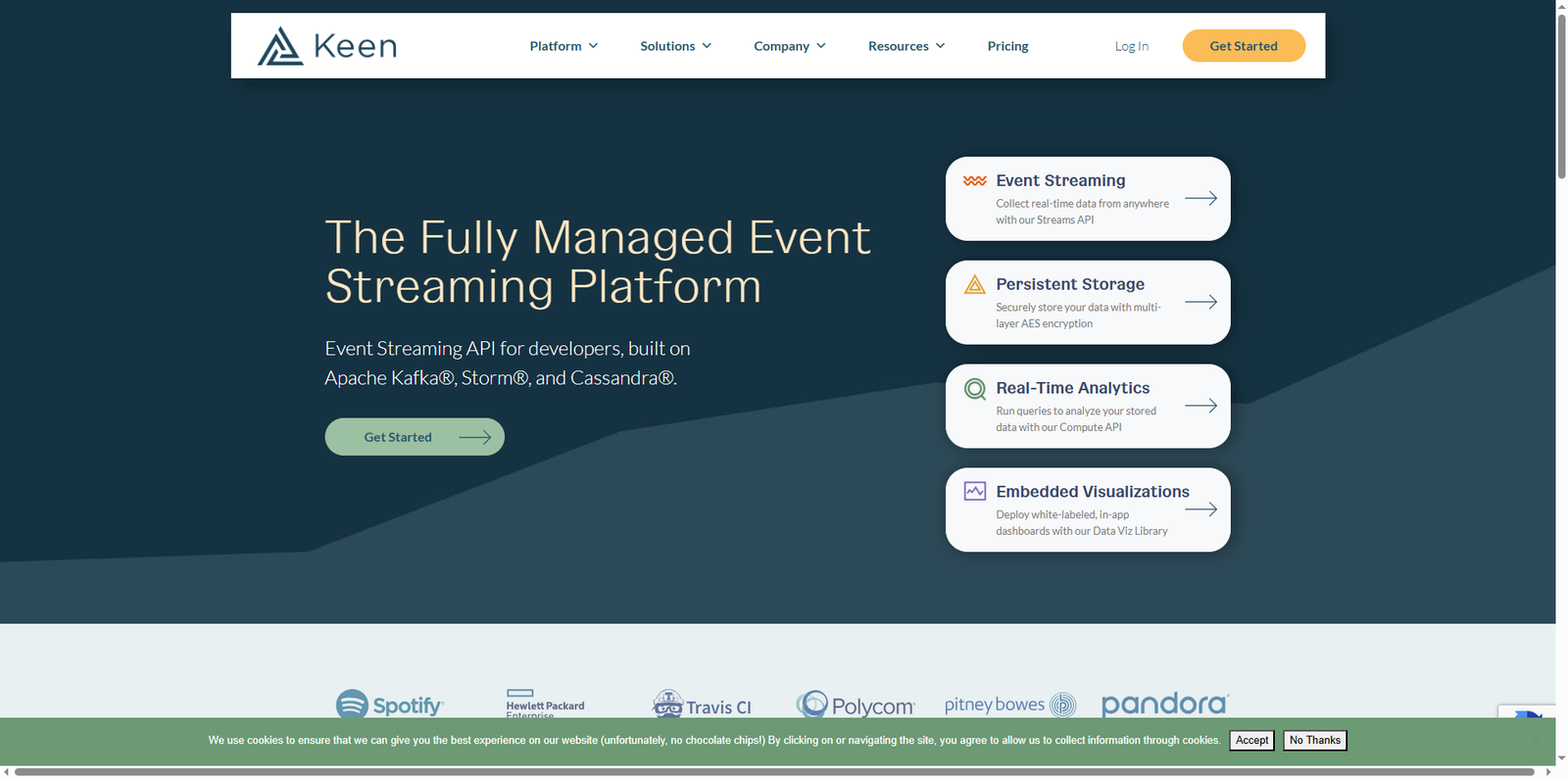
In today’s data-driven world, businesses rely heavily on real-time analytics to make informed decisions. Keen.io stands out as a fully managed event streaming platform that simplifies the process of collecting, storing, and analyzing event data. Built on powerful open-source technologies like Apache Kafka®, Apache Storm®, and Apache Cassandra®, Keen.io provides developers with an end-to-end solution for event streaming and analytics without the complexity of managing infrastructure.
What is Keen.io?
Keen.io is a cloud-based platform designed to help developers collect, process, and visualize event data in real time. It offers APIs that make it easy to integrate event tracking into applications, enabling teams to build custom analytics dashboards and monitor user behavior seamlessly. The platform’s architecture ensures scalability, reliability, and security, allowing organizations to focus on insights rather than infrastructure.
According to Keen.io’s documentation, the platform supports billions of events per day, making it suitable for enterprises and startups alike. It is trusted by companies such as Travis CI and Polycom, which use Keen.io to monitor performance metrics and detect anomalies in real time.
How Keen.io Works
Keen.io operates as a fully managed event streaming and analytics service. Developers can send event data from any source—web, mobile, IoT devices, or backend systems—using its RESTful API. Once the data is ingested, it is securely stored and made available for real-time querying and visualization.
The workflow typically involves three main steps:
- Data Collection: Developers use the Streams API to send event data from various sources.
- Data Storage: Events are stored in a distributed, encrypted database built on Cassandra, ensuring durability and scalability.
- Data Analysis and Visualization: The Compute API allows users to run queries, while the Data Viz Library enables the creation of embedded dashboards.
Core Components of Keen.io
1. Streams API
The Streams API is the entry point for event data. It allows developers to send structured JSON events to Keen.io from any application. This flexibility supports a wide range of use cases, from tracking user interactions to monitoring system performance.
2. Compute API
The Compute API enables real-time analytics by allowing users to run queries on stored event data. Developers can perform aggregations, filtering, and segmentation to gain insights into user behavior or system performance without exporting data to another platform.
3. Data Viz Library
Keen.io’s Data Viz Library provides tools for creating interactive dashboards and visualizations. These can be embedded directly into web or mobile applications, giving end-users access to live analytics without leaving the product environment.
4. Persistent Storage
Data security and persistence are key features of Keen.io’s architecture. It uses multi-layer AES encryption and distributed storage to ensure that event data is both safe and accessible. This design allows organizations to maintain compliance with data protection standards while scaling their analytics capabilities.
Benefits of Using Keen.io
Choosing Keen.io offers several advantages for developers and businesses seeking a reliable event streaming platform:
- Fully Managed Infrastructure: Keen.io eliminates the need to build and maintain complex data pipelines, saving time and resources.
- Scalability: The platform automatically scales to handle millions of events per second, ensuring consistent performance.
- Real-Time Insights: With real-time querying and visualization, teams can make data-driven decisions instantly.
- Security and Compliance: Multi-layer encryption and secure APIs protect sensitive data throughout its lifecycle.
- Developer-Friendly APIs: The RESTful design and comprehensive documentation make integration straightforward for developers of all skill levels.
Real-World Use Cases
Keen.io’s versatility makes it suitable for a wide range of industries and applications. Below are some common use cases:
1. Application Performance Monitoring
Organizations use Keen.io to track performance metrics such as latency, error rates, and memory usage. For example, Polycom leverages Keen.io to detect memory leaks in real time, reducing outages and improving customer satisfaction.
2. User Behavior Analytics
By collecting event data from user interactions, companies can better understand how customers engage with their products. This data helps optimize user experience, identify popular features, and improve retention strategies.
3. IoT Data Streaming
IoT devices generate massive amounts of data that need to be processed in real time. Keen.io’s scalable architecture supports continuous data ingestion and analysis, making it ideal for IoT applications such as smart home systems and industrial monitoring.
4. Custom Dashboard Creation
With the Data Viz Library, developers can create white-labeled dashboards that display live metrics. This feature is particularly useful for SaaS companies that want to offer analytics as part of their product suite.
Alternatives to Keen.io
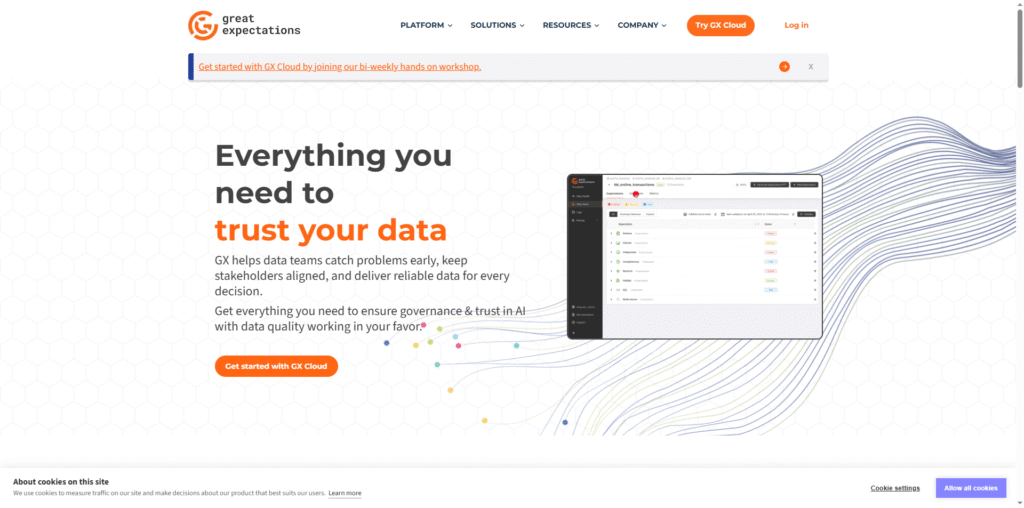
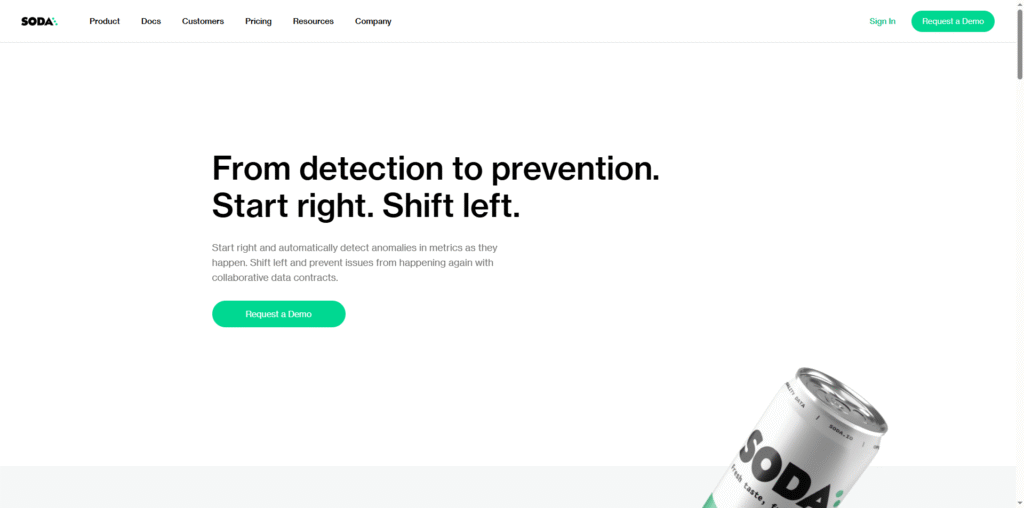
While Keen.io offers a robust solution for event streaming and analytics, several other tools provide similar capabilities. Below is a comparison table of popular alternatives:
| Tool Name | Description |
|---|---|
| Segment | A customer data platform that helps collect, clean, and control event data across multiple channels. |
| Mixpanel | An advanced analytics platform focused on tracking user interactions and product engagement. |
| Amplitude | Provides deep behavioral analytics and cohort analysis for product and growth teams. |
| Datadog | A monitoring and analytics platform for cloud-scale applications, offering real-time metrics and dashboards. |
| Grafana | An open-source analytics and visualization tool that integrates with multiple data sources for custom dashboards. |
Why Developers Choose Keen.io
Developers appreciate Keen.io for its simplicity and flexibility. Unlike traditional analytics tools that require extensive setup, Keen.io allows teams to start streaming data within minutes. Its REST API supports multiple programming languages, including Python, JavaScript, and Ruby, making it accessible to a wide developer community.
Another key advantage is the ability to embed analytics directly into applications. This feature enables businesses to provide real-time insights to their users without relying on external dashboards or third-party visualization tools.
Data Security and Compliance
In an era where data privacy is paramount, Keen.io ensures that all event data is encrypted both in transit and at rest. The platform’s multi-layer AES encryption and access control mechanisms help organizations meet compliance requirements such as GDPR and SOC 2. Additionally, its distributed architecture ensures high availability and disaster recovery capabilities.
Integration and Ecosystem
Keen.io integrates seamlessly with popular cloud services and developer tools. It supports webhooks, SDKs, and third-party connectors, allowing teams to connect their existing data pipelines effortlessly. Whether you’re using AWS, Google Cloud, or Azure, Keen.io can fit into your existing infrastructure with minimal configuration.
Conclusion
Keen.io has redefined how developers approach event streaming and analytics. By offering a fully managed, scalable, and secure platform, it empowers teams to focus on building innovative applications rather than managing data infrastructure. From real-time monitoring to embedded dashboards, Keen.io provides the tools needed to transform raw event data into actionable insights. For organizations seeking a reliable and developer-friendly analytics solution, Keen.io remains a top choice in the evolving landscape of data-driven technologies.