


Outline
- Introduction to cloud.google.com
- Understanding Google Cloud Platform (GCP)
- Core Components of Google Cloud
- Data Analytics and Business Intelligence Tools
- AI and Machine Learning Capabilities
- Security and Compliance in Google Cloud
- Popular Alternatives to Google Cloud
- Real-World Use Cases and Industry Adoption
- Conclusion
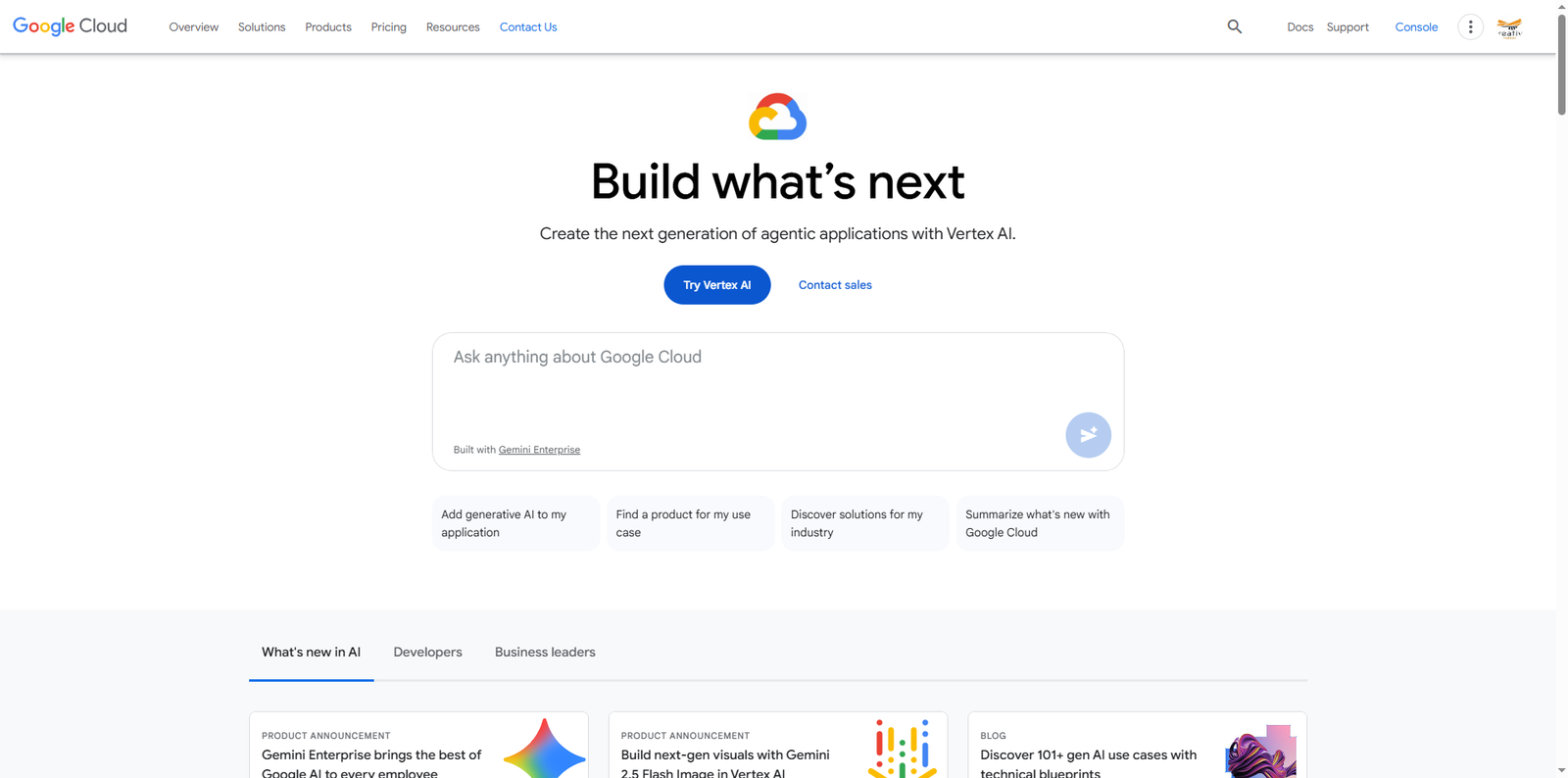
In today’s digital-first world, cloud computing has become the backbone of innovation, scalability, and efficiency. cloud.google.com serves as the official hub for Google Cloud Platform (GCP), offering a suite of cloud-based services that empower businesses to build, deploy, and scale applications seamlessly. According to Statista, global cloud infrastructure spending reached over $250 billion in 2023, with Google Cloud holding approximately 11% of the market share. This growth underscores the increasing reliance on cloud technologies for digital transformation.
Understanding Google Cloud Platform (GCP)
Google Cloud Platform is a collection of cloud computing services that run on the same infrastructure Google uses internally for its end-user products such as YouTube, Gmail, and Google Search. It provides a range of services including computing, data storage, networking, and artificial intelligence. GCP’s foundation lies in its global network of data centers, ensuring high availability and low latency for users worldwide.
Key Advantages of GCP
- Scalability: GCP allows businesses to scale resources dynamically based on demand.
- Reliability: With a 99.95% uptime guarantee, Google Cloud ensures consistent performance.
- Integration: Seamless integration with other Google services such as Workspace and BigQuery.
- Innovation: Continuous updates and AI-driven tools enhance productivity and insights.
Core Components of Google Cloud
Google Cloud Platform offers a wide array of components that cater to different business needs. Below is an overview of its primary service categories:
| Service Category | Description | Alternative Tool |
|---|---|---|
| Compute | Includes virtual machines, Kubernetes, and serverless computing for flexible deployment. | Amazon EC2 |
| Storage | Offers scalable object storage and persistent disks for data management. | Azure Storage |
| Networking | Provides load balancing, CDN, and hybrid connectivity solutions. | Cloudflare |
| Databases | Supports SQL and NoSQL databases for structured and unstructured data. | MongoDB |
| Analytics | Enables real-time data analysis and visualization using integrated tools. | Power BI |
Data Analytics and Business Intelligence Tools
One of the standout features of Google Cloud is its robust data analytics ecosystem. Businesses can harness powerful tools to transform raw data into actionable insights. Among these, Looker Studio stands out as a user-friendly platform for creating interactive dashboards and reports. It integrates seamlessly with other Google services like BigQuery and Sheets, enabling data-driven decision-making across organizations.
Benefits of Using Looker Studio
- Unified Data Visualization: Connects multiple data sources for comprehensive reporting.
- Collaboration: Teams can share dashboards and insights in real time.
- Customization: Users can design reports tailored to specific business metrics.
In addition to Looker Studio, GCP offers advanced analytics tools such as BigQuery for large-scale data processing and Dataflow for real-time streaming analytics. These tools empower enterprises to analyze terabytes of data efficiently, supporting predictive modeling and trend analysis.
AI and Machine Learning Capabilities
Google Cloud’s AI and ML services are among the most advanced in the industry. Leveraging Google’s expertise in artificial intelligence, GCP provides developers and data scientists with pre-trained models and customizable frameworks. Tools like Vertex AI simplify the process of building, training, and deploying machine learning models at scale.
Applications of AI in Google Cloud
- Natural Language Processing (NLP): Enables chatbots and sentiment analysis tools.
- Computer Vision: Supports image recognition and object detection for industries like retail and healthcare.
- Predictive Analytics: Helps businesses forecast demand, optimize operations, and personalize customer experiences.
According to Google’s 2023 Cloud Report, over 70% of enterprises using GCP have integrated AI-driven solutions into their workflows, demonstrating the platform’s growing influence in intelligent automation.
Security and Compliance in Google Cloud
Security is a cornerstone of Google Cloud’s infrastructure. Built on a zero-trust architecture, GCP ensures that every access request is verified and authenticated. The platform complies with major international standards such as ISO/IEC 27001, GDPR, and HIPAA, making it suitable for industries with stringent data protection requirements.
Security Highlights
- Encryption: Data is encrypted both in transit and at rest using advanced cryptographic methods.
- Identity Management: Cloud Identity and Access Management (IAM) provides granular control over user permissions.
- Threat Detection: Security Command Center offers centralized visibility into potential vulnerabilities.
Google also employs machine learning algorithms to detect anomalies and prevent cyber threats proactively. This proactive approach helps organizations maintain compliance and protect sensitive data from breaches.
Popular Alternatives to Google Cloud
While Google Cloud offers a comprehensive suite of services, several other cloud providers compete in the same space. Below is a comparison of popular alternatives that businesses often evaluate:
| Provider | Primary Focus | Alternative Tool |
|---|---|---|
| Amazon Web Services (AWS) | Extensive global infrastructure and enterprise-grade solutions. | Amazon Web Services |
| Microsoft Azure | Strong integration with Microsoft products and hybrid cloud capabilities. | Microsoft Azure |
| IBM Cloud | AI-driven cloud services and enterprise security. | IBM Cloud |
| Oracle Cloud Infrastructure | Optimized for database management and enterprise workloads. | Oracle Cloud |
Real-World Use Cases and Industry Adoption
Organizations across industries leverage Google Cloud to drive innovation and efficiency. For instance, Spotify uses GCP for data analytics and machine learning to enhance music recommendations, while PayPal relies on Google Cloud’s infrastructure for secure transactions and fraud detection. In the healthcare sector, Mayo Clinic utilizes GCP’s AI tools to accelerate medical research and improve patient outcomes.
Industry-Specific Applications
- Retail: Personalized shopping experiences through predictive analytics.
- Finance: Real-time fraud detection and risk management.
- Education: Scalable online learning platforms and data-driven insights.
- Manufacturing: IoT integration for predictive maintenance and quality control.
These examples highlight how Google Cloud’s versatility supports diverse business models, enabling organizations to innovate faster and operate more efficiently.
Conclusion
cloud.google.com represents far more than just a collection of cloud services—it’s a gateway to digital transformation. By combining scalability, security, and cutting-edge AI capabilities, Google Cloud Platform empowers businesses to innovate and compete in a rapidly evolving technological landscape. Whether you’re a startup seeking agility or an enterprise pursuing global expansion, GCP offers the infrastructure and intelligence to support your goals. As cloud adoption continues to rise, embracing platforms like Google Cloud will remain essential for organizations aiming to stay ahead in the digital era.