







Outline
- Introduction
- What is Elastic.co?
- The Core Components of Elastic Stack
- Understanding Elasticsearch
- Exploring Kibana for Data Visualization
- Elastic Security and Observability
- Real-World Applications of Elastic.co
- Benefits of Using Elastic.co
- Alternatives to Elastic.co
- Conclusion
Introduction
In today’s data-driven world, organizations generate massive volumes of information every second. Making sense of this data efficiently is crucial for performance monitoring, security analytics, and business intelligence. Elastic.co stands out as a leading platform that enables enterprises to search, observe, and protect their data seamlessly. With its open and extensible architecture, Elastic.co empowers teams to derive actionable insights from any data source in real time.
What is Elastic.co?
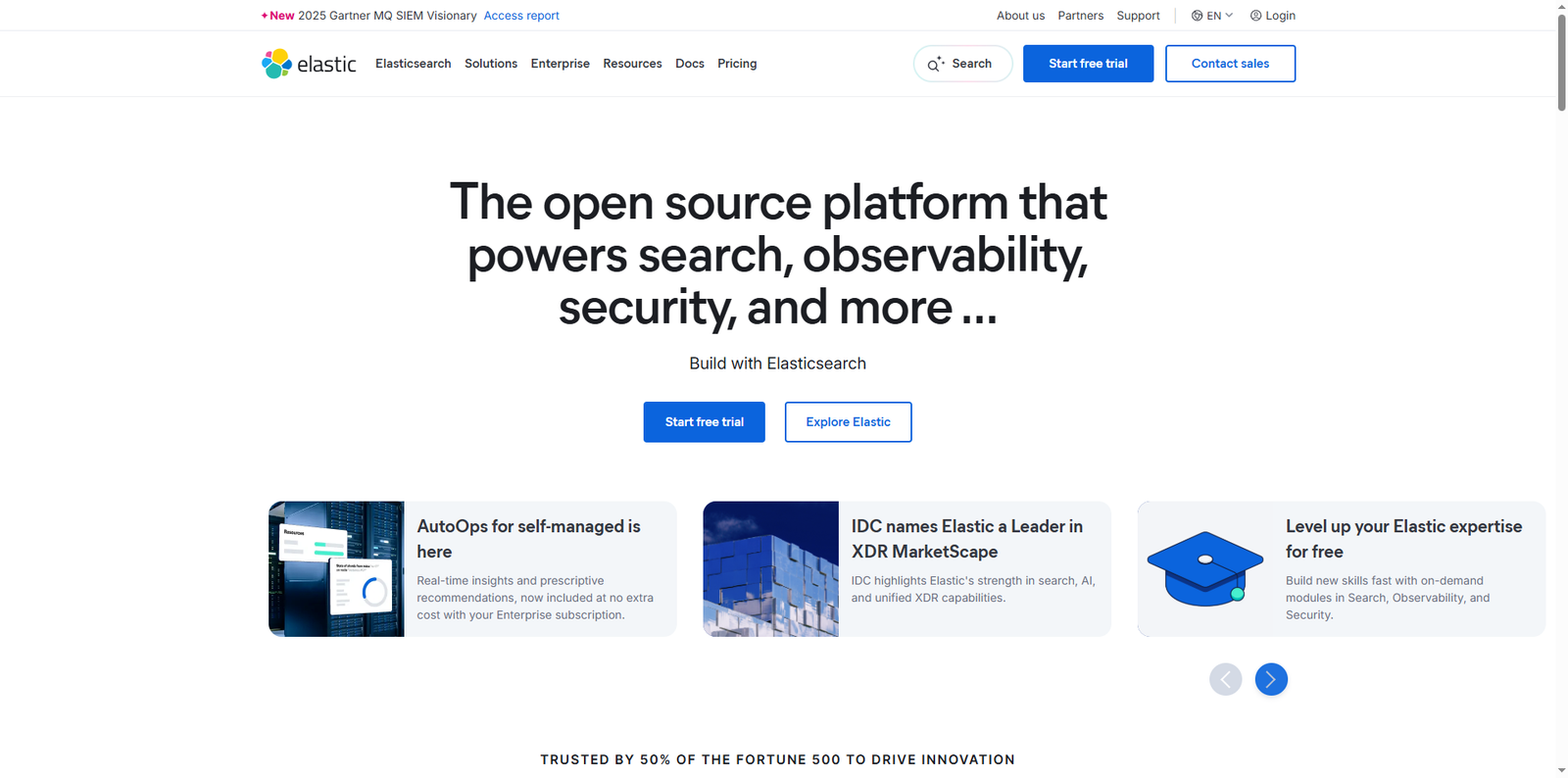
Elastic.co is the company behind the Elastic Stack — a suite of open-source tools designed for search, analytics, and data visualization. Founded in 2012, Elastic has grown into a global leader in enterprise search and data observability. According to Elastic’s 2023 annual report, the company serves over 19,000 customers worldwide, including major enterprises like Adobe, eBay, and Netflix. Its products are used across industries for log analytics, application performance monitoring, and cybersecurity.
The Core Components of Elastic Stack
The Elastic Stack, often referred to as the ELK Stack, consists of four main components that work together to collect, store, analyze, and visualize data:
- Elasticsearch – A distributed search and analytics engine.
- Logstash – A data processing pipeline that ingests and transforms data.
- Kibana – A visualization tool for exploring and analyzing data.
- Beats – Lightweight data shippers that send data from edge systems to Elasticsearch.
These tools integrate seamlessly, allowing organizations to build scalable data pipelines for real-time insights.
Understanding Elasticsearch
Elasticsearch is the heart of the Elastic Stack. It’s a distributed, RESTful search and analytics engine capable of handling structured and unstructured data. Built on Apache Lucene, Elasticsearch enables full-text search, filtering, and aggregations at lightning speed. According to Elastic’s documentation, Elasticsearch can index petabytes of data and return search results in milliseconds, making it ideal for use cases like log monitoring, e-commerce search, and fraud detection.
Key Capabilities of Elasticsearch
- Scalability: Elasticsearch can scale horizontally across clusters of nodes, ensuring high availability and performance.
- Real-time Search: It supports near real-time indexing, allowing users to query data almost instantly after ingestion.
- Machine Learning Integration: Built-in anomaly detection helps identify unusual patterns in time-series data.
Exploring Kibana for Data Visualization
Kibana serves as the visualization layer of the Elastic Stack. It provides an intuitive interface for exploring data stored in Elasticsearch. Users can create interactive dashboards, perform advanced queries, and visualize trends using charts, maps, and graphs. Kibana’s latest update introduced Elasticsearch Query Language (ES|QL), which simplifies data investigation by allowing users to search, aggregate, and visualize data from a single screen.
Why Kibana Matters
- Unified Analytics: Kibana integrates observability, security, and search analytics into one platform.
- Custom Dashboards: Teams can build dashboards tailored to specific metrics, such as system uptime or network latency.
- Collaboration: Kibana supports sharing dashboards securely across teams, ensuring consistent visibility.
Elastic Security and Observability
Elastic.co extends beyond search and visualization into security and observability. Elastic Security provides a unified platform for threat detection, incident response, and endpoint protection. It leverages machine learning to identify anomalies and automate responses. Meanwhile, Elastic Observability offers full-stack visibility into applications, infrastructure, and user experiences.
Elastic Security Highlights
- Threat Detection: Detects malicious behavior using behavioral analytics and correlation rules.
- Incident Response: Streamlines investigations with integrated case management tools.
- Cloud-Native Protection: Monitors workloads across hybrid and multi-cloud environments.
Elastic Observability Highlights
- Application Performance Monitoring (APM): Tracks latency, errors, and throughput in real time.
- Log and Metrics Analysis: Consolidates logs, metrics, and traces for faster troubleshooting.
- User Experience Monitoring: Measures front-end performance and availability.
Real-World Applications of Elastic.co
Elastic.co’s technology is used across industries for diverse applications:
- Cybersecurity: Organizations use Elastic Security to detect and respond to threats faster.
- E-commerce: Retailers implement Elasticsearch to power product search and recommendation engines.
- IT Operations: Enterprises leverage Elastic Observability to monitor infrastructure and optimize performance.
- Finance: Banks use Elastic for fraud detection and compliance monitoring.
Case Study: Netflix
Netflix uses Elasticsearch to analyze billions of log entries daily, ensuring seamless streaming experiences for over 260 million subscribers. The platform’s scalability allows Netflix to detect anomalies in real time, minimizing downtime and improving customer satisfaction.
Benefits of Using Elastic.co
Elastic.co offers a range of benefits that make it a preferred choice for enterprises:
- Open Source Flexibility: Elastic Stack’s open-source nature allows customization and community-driven innovation.
- Unified Platform: Combines search, observability, and security in one ecosystem.
- Scalability and Performance: Handles massive data volumes with minimal latency.
- Cross-Platform Integration: Integrates with cloud providers like AWS, Azure, and Google Cloud.
- Machine Learning Insights: Automates anomaly detection and predictive analytics.
Alternatives to Elastic.co
While Elastic.co is a robust solution, several alternatives offer similar capabilities for specific use cases. Below is a comparison of popular alternatives:
| Tool Name | Primary Use Case | Notable Strength |
|---|---|---|
| Grafana | Data visualization and monitoring | Highly customizable dashboards and plugin ecosystem |
| Splunk | Log management and security analytics | Advanced machine learning and enterprise-grade scalability |
| Datadog | Cloud monitoring and observability | Comprehensive APM and infrastructure monitoring |
| New Relic | Application performance monitoring | Real-time analytics and distributed tracing |
Conclusion
Elastic.co has revolutionized how organizations interact with their data. By combining powerful search capabilities with advanced analytics and visualization tools, it enables teams to make data-driven decisions faster and more effectively. Whether it’s monitoring system performance, securing digital assets, or uncovering business insights, Elastic.co provides a unified platform built for scale and speed. As data continues to grow exponentially, solutions like Elastic.co will remain essential for turning raw information into meaningful intelligence.