




Outline
- Introduction
- Understanding Data Documentation and Cataloging
- What is Dataedo?
- How Dataedo Enhances Data Management
- Core Benefits of Using Dataedo
- Real-World Use Cases
- Alternatives to Dataedo
- Conclusion
Introduction
In today’s data-driven world, organizations generate and handle massive volumes of information daily. Managing this data effectively requires not just storage but also clear understanding and documentation. Dataedo has emerged as a leading solution for data documentation and cataloging, enabling businesses to create a unified view of their data assets. This article explores how Dataedo supports data governance, improves collaboration, and enhances data literacy across teams.
Understanding Data Documentation and Cataloging
Data documentation refers to the process of describing data assets—such as databases, tables, and relationships—in a way that makes them understandable to both technical and non-technical users. Data cataloging, on the other hand, focuses on organizing and indexing these assets for easy discovery and governance. Together, they form the backbone of modern data management strategies.
Why Data Documentation Matters
- Improved Data Literacy: Helps users understand the meaning and context of data elements.
- Enhanced Collaboration: Promotes transparency and shared understanding among teams.
- Regulatory Compliance: Supports data governance and compliance with standards like GDPR and HIPAA.
- Reduced Redundancy: Prevents duplication of effort by providing a single source of truth.
What is Dataedo?
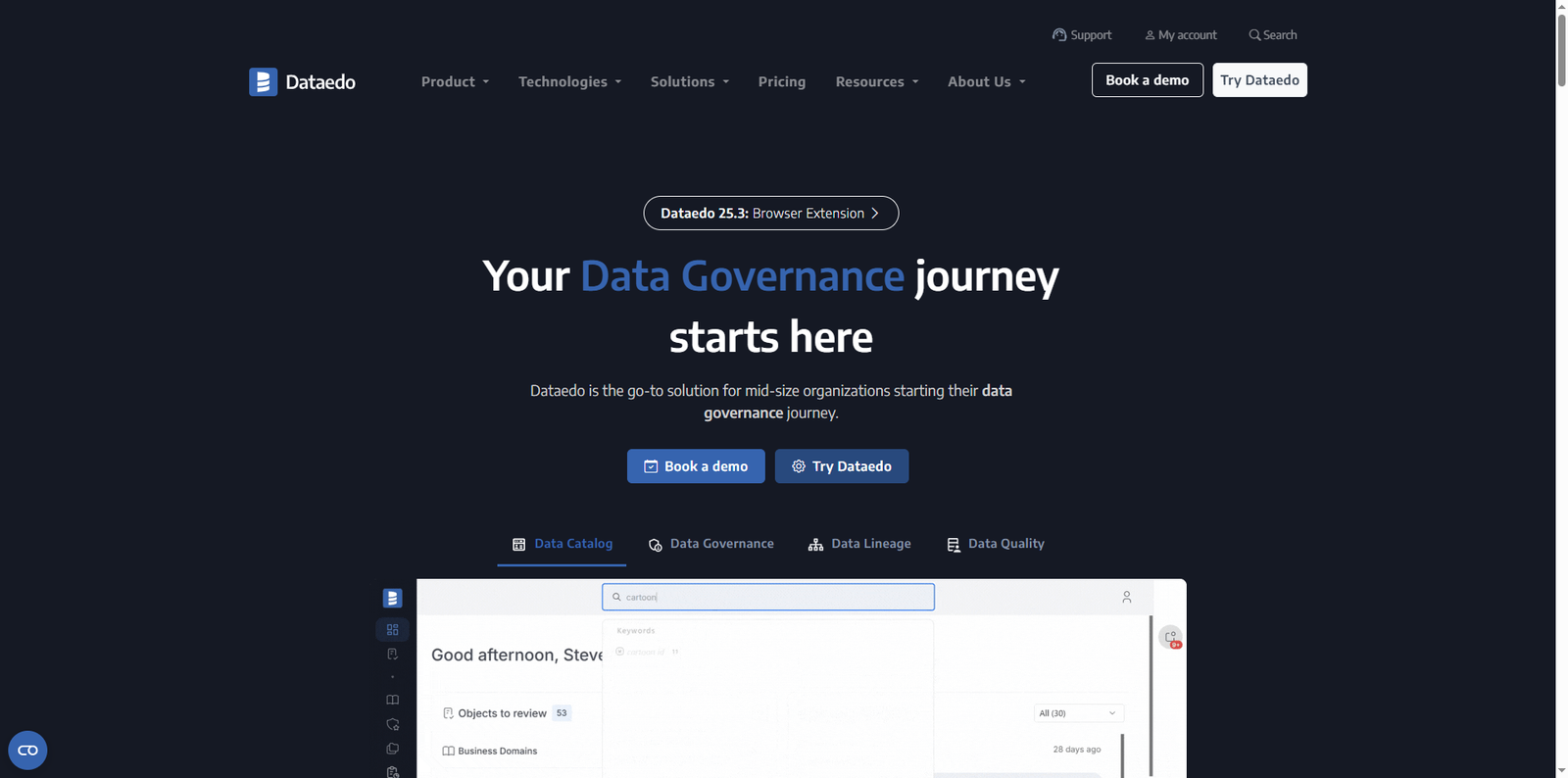
Dataedo is a data documentation and cataloging platform designed to help organizations build a comprehensive data dictionary and metadata repository. It allows users to document databases, visualize data structures, and share knowledge across teams through interactive data catalogs. The platform supports various database systems, including SQL Server, Oracle, MySQL, PostgreSQL, and cloud-based databases.
Key Capabilities
- Metadata Management: Extracts and organizes metadata from multiple data sources.
- Data Catalog Creation: Builds a searchable, interactive catalog for easy data discovery.
- Data Lineage Visualization: Maps relationships and dependencies between data elements.
- Collaboration Tools: Enables teams to annotate, comment, and share insights on data assets.
- Custom Documentation: Allows users to enrich metadata with business definitions and descriptions.
How Dataedo Enhances Data Management
Dataedo bridges the gap between technical and business users by providing a unified platform for understanding data. It simplifies the process of documenting complex databases and ensures that knowledge about data assets is not lost when team members change roles or leave the organization.
Integration with Existing Systems
Dataedo integrates seamlessly with popular database management systems and cloud data warehouses. It supports automated metadata extraction, ensuring that documentation stays up to date as databases evolve. This integration capability makes it suitable for enterprises managing hybrid or multi-cloud environments.
Improving Data Governance
Effective data governance requires clear visibility into data assets, their lineage, and their usage. Dataedo provides a structured approach to governance by allowing organizations to define ownership, classify sensitive data, and establish documentation standards. This not only improves compliance but also enhances trust in data-driven decision-making.
Core Benefits of Using Dataedo
Organizations that adopt Dataedo experience measurable improvements in data quality, collaboration, and operational efficiency. Below are some of the major benefits:
- Centralized Knowledge Repository: Dataedo consolidates data knowledge into a single, accessible platform.
- Enhanced Transparency: Users can easily trace data origins, transformations, and dependencies.
- Faster Onboarding: New team members can quickly understand data structures without relying on tribal knowledge.
- Improved Decision-Making: With clear documentation, business users can make informed decisions based on accurate data context.
- Scalability: The platform supports growing data ecosystems, accommodating both small and large enterprises.
Real-World Use Cases
Dataedo is used across industries such as finance, healthcare, retail, and technology. Here are some practical examples of how organizations leverage the platform:
1. Financial Institutions
Banks and financial service providers use Dataedo to document complex data warehouses that store transactional and customer data. By maintaining a clear data catalog, they ensure compliance with financial regulations and improve audit readiness.
2. Healthcare Organizations
Healthcare providers rely on Dataedo to manage sensitive patient data across multiple systems. The platform helps them maintain accurate documentation of data flows, ensuring compliance with privacy laws and facilitating interoperability between systems.
3. E-commerce and Retail
Retail companies use Dataedo to document product, sales, and customer databases. This enables marketing and analytics teams to understand data relationships and improve personalization strategies.
4. Technology Enterprises
Tech firms use Dataedo to maintain documentation for large-scale software systems and APIs. This improves collaboration between development and data teams, ensuring consistency across projects.
Alternatives to Dataedo
While Dataedo is a robust solution, several other tools offer similar capabilities for data documentation and cataloging. Below is a comparison of popular alternatives:
| Tool Name | Description |
|---|---|
| Alation | A leading data catalog platform that focuses on data governance, stewardship, and collaboration for large enterprises. |
| Collibra | Offers a comprehensive data intelligence platform with strong governance and lineage tracking features. |
| Atlan | Provides a modern data workspace that enhances collaboration and metadata management across teams. |
| Talend | Combines data integration, quality, and governance capabilities, making it suitable for complex enterprise data environments. |
| Eraser | A lightweight documentation tool that supports visual data mapping and collaborative schema design. |
Conclusion
Dataedo stands out as a powerful solution for organizations seeking to improve data understanding, governance, and collaboration. By providing a centralized platform for documenting and cataloging data assets, it bridges the gap between technical and business users. Its ability to integrate with multiple data sources, visualize relationships, and foster transparency makes it an essential tool in the modern data ecosystem.
As data continues to grow in complexity and volume, tools like Dataedo will play a crucial role in ensuring that organizations can harness the full potential of their information assets. Whether you are a data engineer, analyst, or business leader, investing in proper data documentation and cataloging practices can significantly enhance your organization’s data-driven capabilities.