






Outline
- Introduction
- What Is Cube.dev?
- How Cube.dev Works
- Benefits of Using Cube.dev
- Key Components of Cube.dev Architecture
- Integration with AI and BI Tools
- Real-World Use Cases
- Alternatives to Cube.dev
- Conclusion
Introduction
In today’s data-driven world, organizations are constantly seeking ways to unify their data sources and make analytics more efficient. Cube.dev has emerged as a powerful open-source solution that provides a universal semantic layer for both AI and BI-ready data. This platform bridges the gap between raw data and actionable insights, enabling teams to build scalable, consistent, and high-performance data applications.
According to a 2023 report by Gartner, over 60% of enterprises struggle with data fragmentation and inconsistent metrics across analytics tools. Cube.dev addresses this challenge by offering a centralized data modeling layer that ensures consistency, security, and speed across all data consumers.
What Is Cube.dev?
Cube.dev is an open-source semantic layer designed to simplify data access and modeling for analytics and AI applications. It acts as a middleware between your data warehouse and visualization or AI tools, providing a unified interface for querying and caching data. The platform supports popular data warehouses such as Snowflake, BigQuery, and PostgreSQL, making it a versatile choice for modern data stacks.
By defining reusable data models and metrics, Cube.dev allows developers and analysts to maintain a single source of truth. This eliminates the redundancy of writing complex SQL queries repeatedly across different tools.
How Cube.dev Works
Cube.dev operates by connecting to your existing data warehouse and creating a semantic layer that defines metrics, dimensions, and relationships. When users query data through BI tools or APIs, Cube.dev translates those requests into optimized SQL queries, caches the results, and delivers them efficiently.
Core Workflow
- Data Modeling: Define cubes that represent business entities such as sales, customers, or products.
- Pre-Aggregations: Cube.dev automatically pre-aggregates data to accelerate query performance.
- APIs: Data can be accessed through REST, GraphQL, or SQL APIs for flexibility in integration.
- Security: Role-based access control ensures that users only see data they are authorized to view.
This architecture ensures that analytics queries are both fast and consistent, even when dealing with massive datasets.
Benefits of Using Cube.dev
Cube.dev provides numerous advantages for data teams looking to streamline their analytics workflows and enhance performance.
- Consistency: Centralized definitions of metrics and dimensions ensure that all teams use the same logic.
- Performance: Pre-aggregations and caching significantly reduce query latency.
- Scalability: Cube.dev can handle large-scale data environments with ease, supporting millions of queries per day.
- Flexibility: It integrates seamlessly with various BI and AI tools, providing a unified data access layer.
- Security: Built-in access control mechanisms protect sensitive data across applications.
Key Components of Cube.dev Architecture
The architecture of Cube.dev is designed to optimize data delivery and ensure reliability. Below is an overview of its main components:
| Component | Description |
|---|---|
| Cube.js Schema | Defines the data model, including measures, dimensions, and joins between cubes. |
| Query Engine | Translates semantic queries into optimized SQL queries for the underlying database. |
| Pre-Aggregation Layer | Stores pre-computed aggregates to boost performance for repetitive queries. |
| API Gateway | Provides REST, GraphQL, and SQL endpoints for data access. |
| Cache Layer | Improves response times by storing frequently accessed query results. |
Integration with AI and BI Tools
One of Cube.dev’s strongest capabilities is its ability to integrate seamlessly with a wide range of analytics and AI tools. This makes it a central hub for data consumption across different platforms.
Supported BI Tools
- Tableau
- Power BI
- Looker
- Metabase
- Superset
By connecting Cube.dev to these BI tools, organizations can ensure that all dashboards and reports use consistent metrics and definitions. This eliminates discrepancies and improves decision-making accuracy.
AI and Machine Learning Integration
Cube.dev also supports integration with AI and ML frameworks by providing a standardized data layer. Data scientists can use APIs to access clean, structured data for training models or generating predictions. This reduces the time spent on data preparation and allows teams to focus on model optimization and deployment.
Real-World Use Cases
Cube.dev is used by companies across industries to solve complex data challenges. Below are some practical examples:
1. E-commerce Analytics
Retailers use Cube.dev to unify data from multiple sources such as sales platforms, marketing tools, and customer databases. This enables real-time tracking of key metrics like revenue, conversion rates, and customer lifetime value.
2. SaaS Product Metrics
Software companies leverage Cube.dev to monitor user engagement, churn rates, and subscription growth. By defining standardized metrics, teams can easily compare performance across different product lines.
3. Financial Reporting
Financial institutions use Cube.dev to consolidate data from accounting systems and transaction databases. This ensures consistent reporting and compliance with regulatory requirements.
4. Healthcare Data Analysis
Healthcare organizations employ Cube.dev to analyze patient data, treatment outcomes, and operational efficiency. The semantic layer ensures that sensitive data is securely managed while maintaining analytical accuracy.
Alternatives to Cube.dev
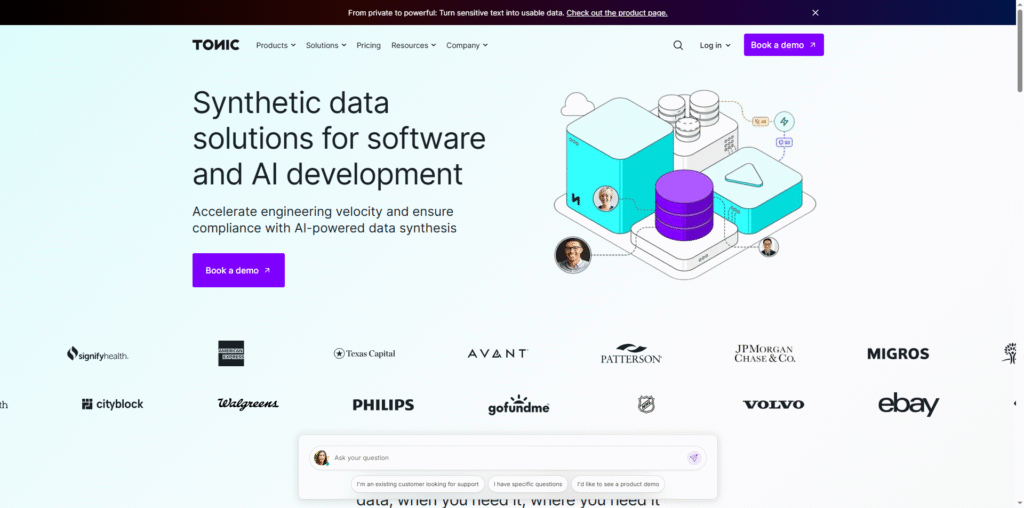
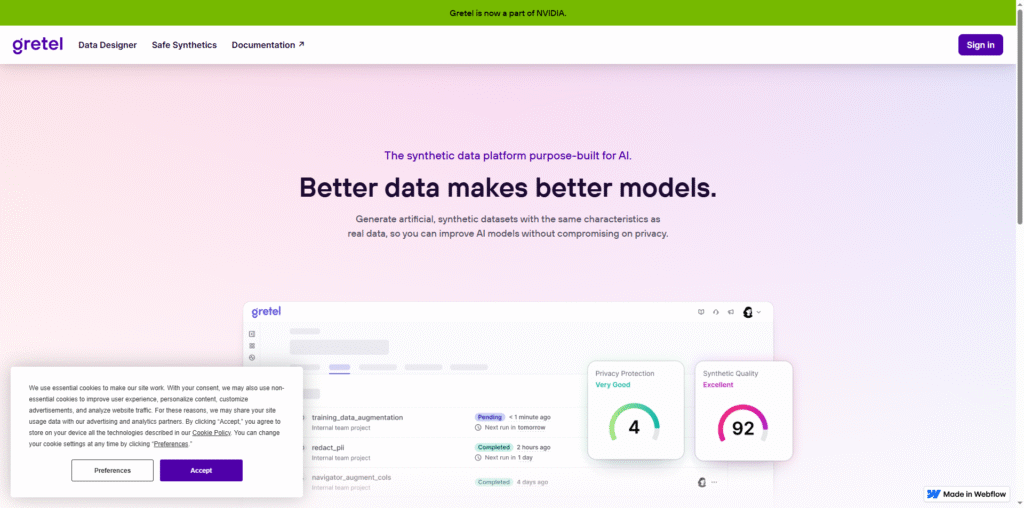
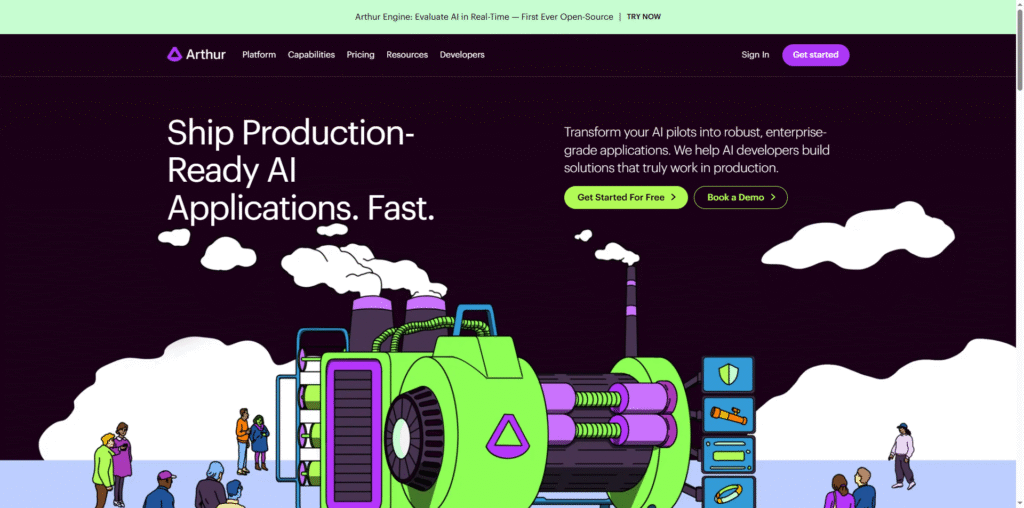
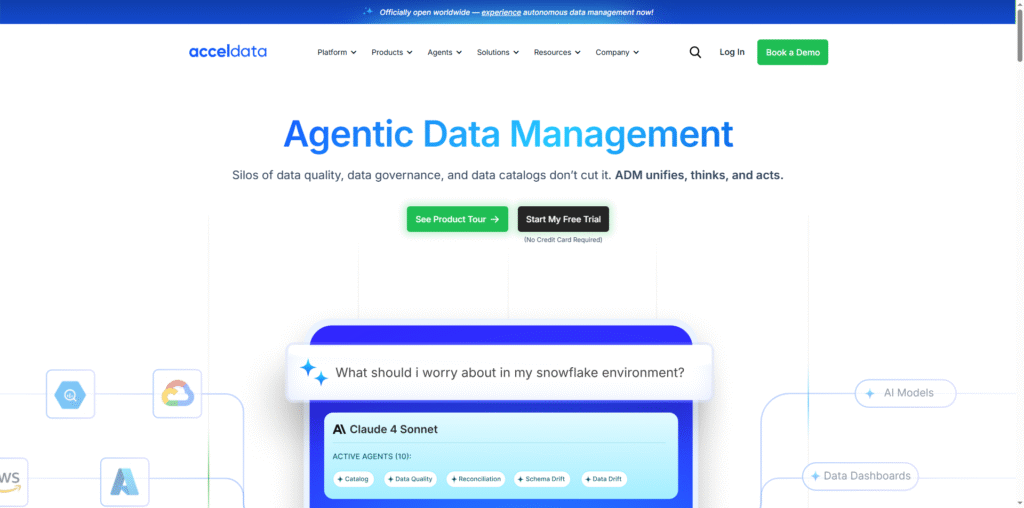
While Cube.dev is a powerful solution, several other tools offer similar capabilities for data modeling and analytics integration. Below is a comparison of some popular alternatives:
| Tool Name | Description |
|---|---|
| Transform | A semantic layer platform that helps define metrics and manage data consistency across BI tools. |
| dbt | Focuses on data transformation and modeling within the data warehouse using SQL-based workflows. |
| Metriql | An open-source metrics layer that integrates with BI tools to ensure consistent reporting. |
| GoodData | Provides a composable data and analytics platform that supports semantic modeling and embedded analytics. |
| Looker | Offers a semantic modeling layer through LookML, enabling centralized data definitions and governance. |
Conclusion
Cube.dev stands out as a transformative solution for organizations aiming to unify their data infrastructure and deliver consistent analytics experiences. By providing a universal semantic layer, it bridges the gap between raw data and actionable insights, ensuring that teams across departments work with the same definitions and metrics. Its open-source nature, scalability, and integration capabilities make it a cornerstone for modern data architectures.
As businesses continue to rely on data for strategic decision-making, tools like Cube.dev will play an increasingly vital role in enabling faster, more accurate, and more collaborative analytics. Whether you are building dashboards, training AI models, or managing enterprise data pipelines, Cube.dev offers the foundation needed to turn complex data into meaningful intelligence.