




Outline
- Introduction to AWS
- Understanding the AWS Ecosystem
- Core Components of AWS
- Popular AWS Services
- Benefits of Using AWS
- Real-World Applications of AWS
- Alternatives to AWS
- Conclusion
Introduction to AWS
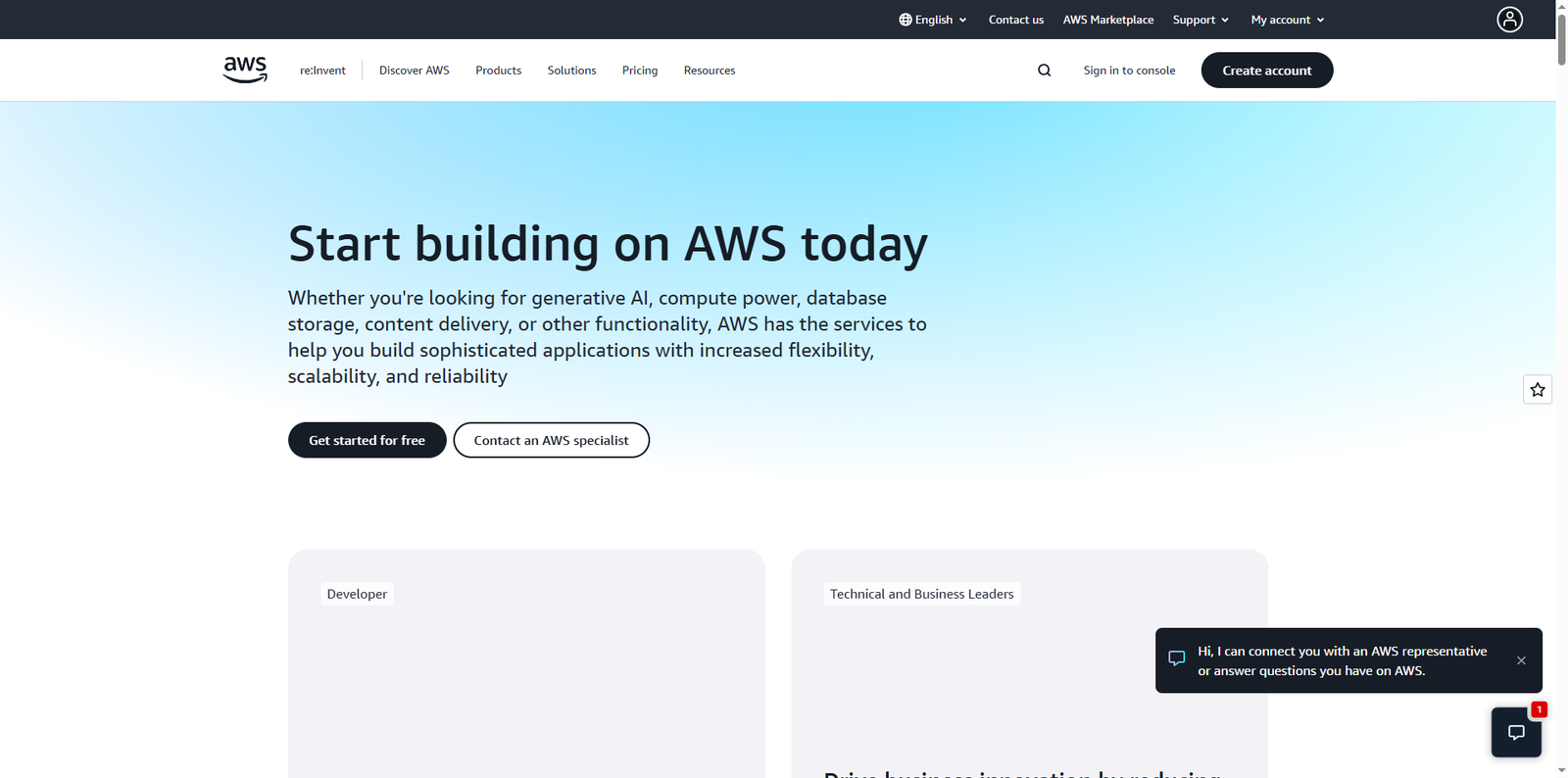
Amazon Web Services (AWS) is one of the most comprehensive and widely adopted cloud platforms in the world. Launched in 2006 by Amazon, AWS provides on-demand cloud computing services and APIs to individuals, companies, and governments. As of 2024, AWS holds approximately 31% of the global cloud infrastructure market, according to Statista, making it the market leader ahead of competitors like Microsoft Azure and Google Cloud.
The platform offers a vast array of services, including computing power, storage, databases, analytics, machine learning, and more. Businesses of all sizes—from startups to Fortune 500 companies—use AWS to scale efficiently, reduce costs, and innovate faster.
Understanding the AWS Ecosystem
The AWS ecosystem is built around a global network of data centers known as Availability Zones (AZs) and Regions. Each Region consists of multiple AZs to ensure high availability and fault tolerance. This architecture allows AWS to deliver low-latency services to users worldwide.
As of early 2024, AWS operates in over 30 geographic regions with more than 95 Availability Zones. This global infrastructure supports millions of active customers, including major organizations like Netflix, Airbnb, and NASA.
Key Elements of the AWS Ecosystem
- Regions: Geographically distinct areas that host AWS resources.
- Availability Zones: Isolated data centers within a Region that provide redundancy.
- Edge Locations: Points of presence for content delivery via Amazon CloudFront.
- Management Tools: Services like AWS CloudFormation and AWS CloudTrail for automation and monitoring.
Core Components of AWS
AWS is composed of several foundational services that form the backbone of its cloud offerings. These components enable users to build, deploy, and manage applications efficiently.
1. Compute
AWS offers scalable computing power through services like Amazon EC2 (Elastic Compute Cloud), which allows users to run virtual servers on demand. For containerized applications, AWS provides Amazon ECS and Amazon EKS, while AWS Lambda supports serverless computing, enabling code execution without managing servers.
2. Storage
Amazon S3 (Simple Storage Service) is one of the most popular storage solutions, offering secure, scalable object storage. For block storage, Amazon EBS (Elastic Block Store) is widely used, while Amazon Glacier provides long-term archival storage.
3. Databases
AWS supports multiple database types, including relational (Amazon RDS), NoSQL (Amazon DynamoDB), and in-memory (Amazon ElastiCache). These services are fully managed, allowing developers to focus on application logic instead of infrastructure management.
4. Networking
Networking services such as Amazon VPC (Virtual Private Cloud) and AWS Direct Connect enable secure and scalable network configurations. AWS also provides load balancing and content delivery through services like Elastic Load Balancing and Amazon CloudFront.
Popular AWS Services
Beyond the core components, AWS offers a wide range of specialized services that cater to analytics, artificial intelligence, and application development.
Amazon Athena
Amazon Athena is an interactive query service that simplifies data analysis in Amazon S3 using standard SQL. It is serverless, meaning there is no infrastructure to manage. Athena automatically scales and executes queries in parallel, delivering fast results even with large datasets. It integrates seamlessly with Amazon SageMaker, enabling users to query and analyze data directly from connected sources without managing infrastructure.
Amazon SageMaker
Amazon SageMaker is a fully managed service that enables developers and data scientists to build, train, and deploy machine learning models quickly. It supports integration with other AWS analytics tools, including Athena and Redshift, for end-to-end data workflows.
Amazon Redshift
Amazon Redshift is a cloud-based data warehouse that allows users to analyze large datasets using SQL and business intelligence tools. It is optimized for performance and scalability, making it ideal for enterprise-level analytics.
Amazon CloudFront
Amazon CloudFront is a content delivery network (CDN) that distributes content globally with low latency. It integrates with other AWS services to enhance website performance and security.
Benefits of Using AWS
AWS provides numerous advantages that make it the preferred choice for cloud computing among businesses and developers.
- Scalability: AWS allows users to scale resources up or down automatically based on demand.
- Reliability: With multiple Availability Zones and Regions, AWS ensures high uptime and fault tolerance.
- Security: AWS employs advanced encryption, compliance certifications, and identity management tools to protect data.
- Flexibility: Users can choose from a wide range of services and programming languages to suit their needs.
- Innovation: AWS continuously introduces new services and features, enabling businesses to stay ahead in technology adoption.
Real-World Applications of AWS
Organizations across industries leverage AWS for diverse use cases, from web hosting to artificial intelligence and big data analytics.
1. Web Hosting and Application Deployment
Companies use AWS to host websites and deploy web applications efficiently. Services like Amazon EC2 and Elastic Beanstalk simplify deployment, scaling, and monitoring.
2. Data Analytics and Business Intelligence
With tools like Amazon Athena, Redshift, and QuickSight, AWS enables businesses to analyze large datasets and derive actionable insights. For example, Netflix uses AWS analytics services to optimize content recommendations and streaming performance.
3. Machine Learning and AI
AWS provides a robust environment for machine learning through SageMaker, Rekognition, and Comprehend. These services support image recognition, natural language processing, and predictive analytics.
4. Internet of Things (IoT)
Through AWS IoT Core, organizations can connect and manage IoT devices securely. This service is widely used in smart home systems, industrial automation, and connected vehicles.
5. Disaster Recovery and Backup
Businesses rely on AWS for backup and disaster recovery solutions. Services like Amazon S3 and Glacier ensure data durability and quick recovery in case of system failures.
Alternatives to AWS
While AWS is a dominant player, several other cloud platforms offer competitive services. Below is a comparison of some popular alternatives:
| Alternative Tool | Description |
|---|---|
| Microsoft Azure | A comprehensive cloud platform offering computing, analytics, and AI services with strong integration into Microsoft’s ecosystem. |
| Google Cloud Platform | Known for its data analytics and machine learning capabilities, GCP provides scalable infrastructure and developer-friendly tools. |
| IBM Cloud | Offers hybrid cloud solutions and AI-powered services tailored for enterprise-level applications. |
| Oracle Cloud Infrastructure | Focuses on enterprise workloads with strong support for databases and business applications. |
Conclusion
Amazon Web Services has revolutionized the way organizations build and scale digital solutions. Its extensive global infrastructure, wide range of services, and continuous innovation make it the go-to platform for cloud computing. From startups to large enterprises, AWS empowers users to deploy applications faster, analyze data efficiently, and innovate without boundaries. While alternatives like Microsoft Azure and Google Cloud offer strong competition, AWS continues to lead the market through reliability, flexibility, and a relentless focus on customer success. As cloud technology evolves, AWS remains at the forefront, shaping the future of digital transformation across industries.