


Outline
- Introduction
- What Is Voiser.net?
- How Voiser.net Works
- Applications of Voiser.net
- Benefits of Using Voiser.net
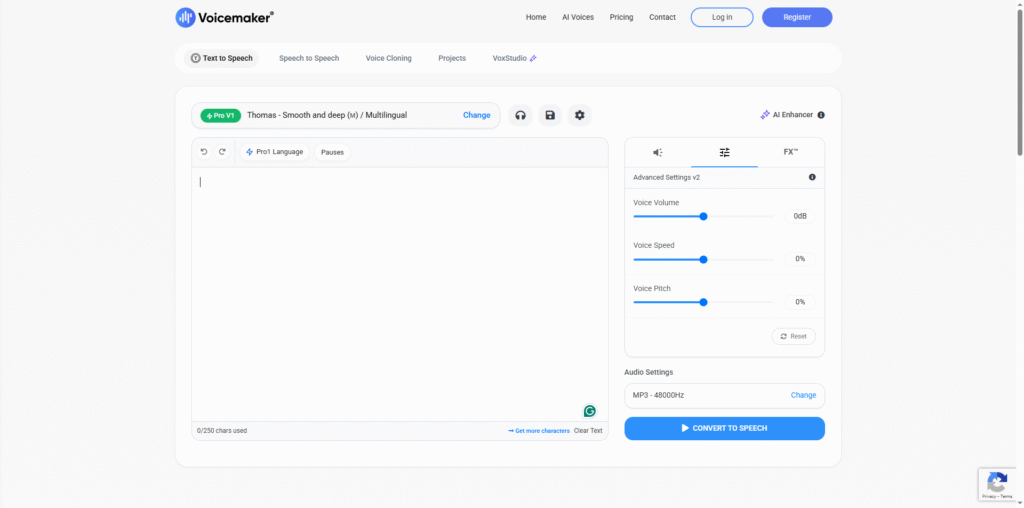
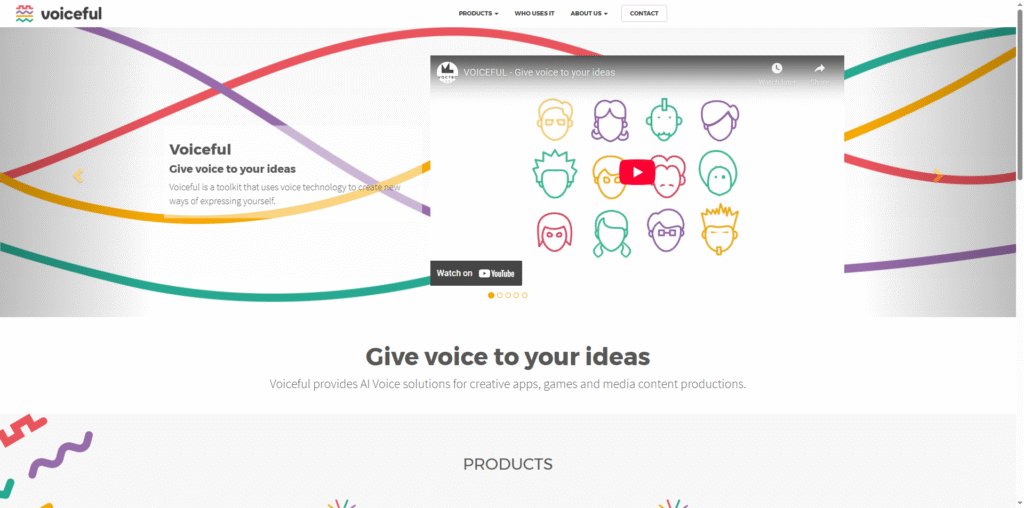
- Alternative Tools to Voiser.net
- Comparison Table of Alternatives
- The Future of AI Voice Technology
- Conclusion
Introduction
In the age of artificial intelligence and automation, voice technology has become an essential part of digital communication. From podcasts to e-learning, businesses and creators are increasingly relying on text-to-speech (TTS) tools to deliver high-quality audio content. Among these innovations, Voiser.net stands out as a powerful AI-driven platform that converts written text into natural-sounding speech. This article explores how Voiser.net is reshaping the way we create and consume voice content, its practical applications, and how it compares with other leading tools in the market.
What Is Voiser.net?
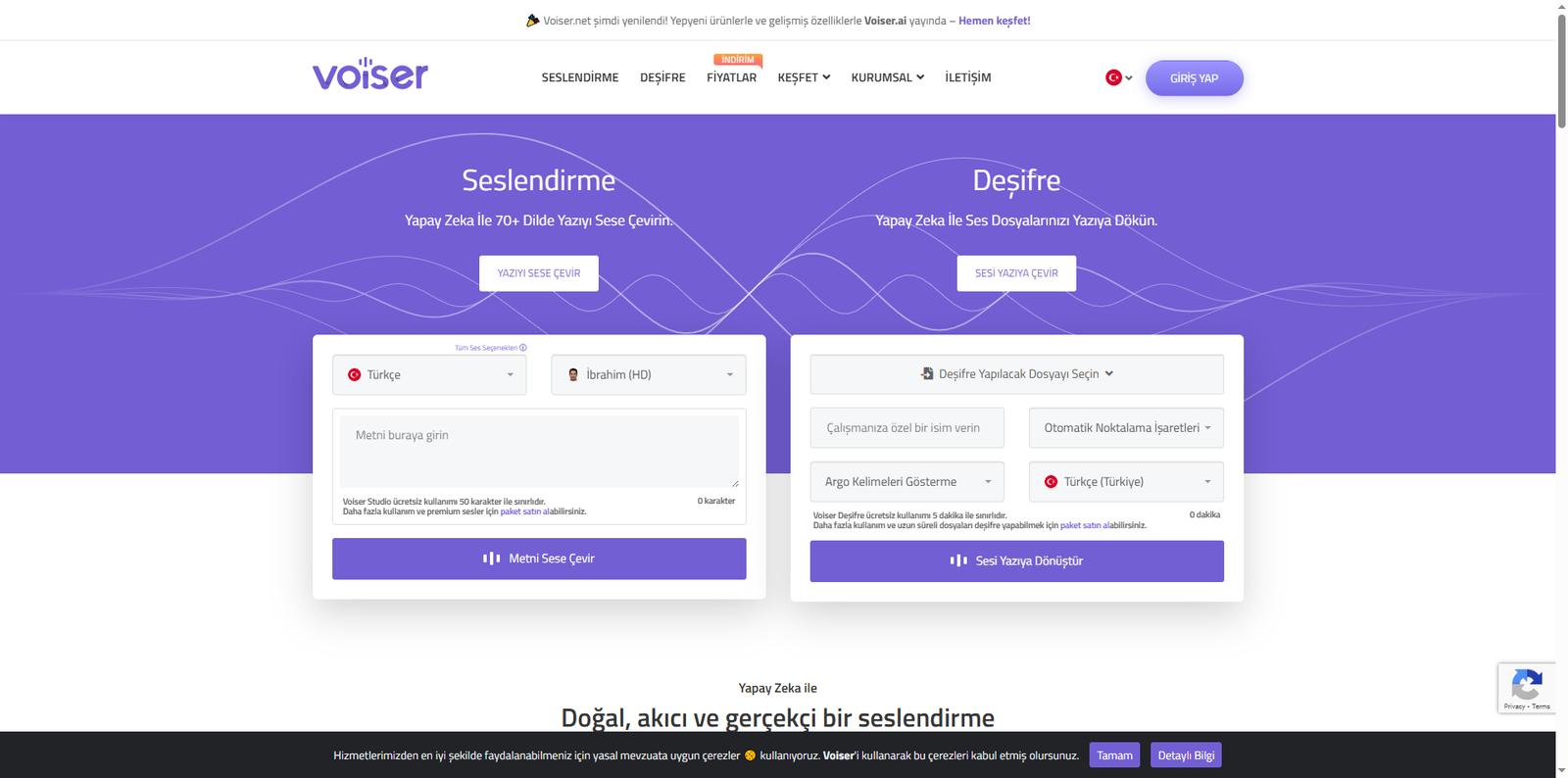
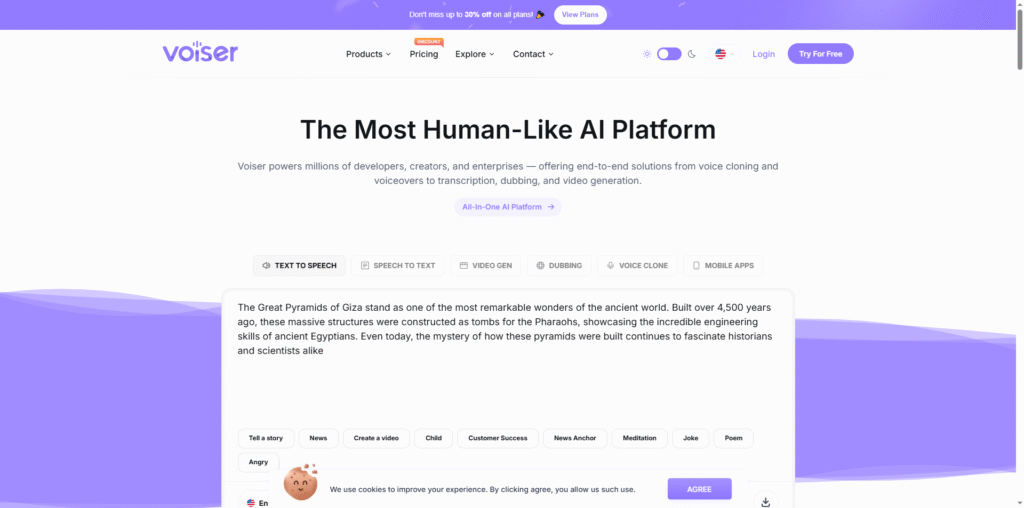
Voiser.net is an advanced text-to-speech platform that leverages artificial intelligence and deep learning to produce realistic voiceovers in multiple languages. The platform is designed for individuals, educators, marketers, and businesses seeking to transform written content into engaging audio. According to publicly available information, Voiser.net supports over 75 languages and offers hundreds of voice options, making it one of the most versatile TTS solutions available today.
Its AI models are trained on extensive datasets to ensure that the generated voices sound natural and expressive. The tool is particularly popular among YouTubers, audiobook creators, and e-learning professionals who require consistent, high-quality voice output without the need for human voice actors.
How Voiser.net Works
Voiser.net uses a combination of natural language processing (NLP) and neural network-based speech synthesis to convert text into lifelike audio. The process involves several key steps:
- Text Analysis: The system analyzes the input text to understand context, punctuation, and tone.
- Voice Selection: Users can choose from a wide range of male and female voices across different languages and accents.
- Speech Generation: The AI model synthesizes speech that mimics human intonation, rhythm, and emotion.
- Audio Output: The final audio can be downloaded in various formats suitable for video production, podcasts, or presentations.
Voiser.net’s interface is user-friendly, allowing even non-technical users to generate professional-quality voiceovers within minutes. The platform also supports integration with other tools, enabling seamless workflow automation.
Applications of Voiser.net
The versatility of Voiser.net makes it suitable for a wide range of applications across industries. Below are some of the most common use cases:
1. E-Learning and Education
Educators and e-learning developers use Voiser.net to create audio lessons and tutorials. The natural-sounding voices enhance learner engagement and accessibility for visually impaired students.
2. Marketing and Advertising
Marketers leverage Voiser.net to produce voiceovers for promotional videos, advertisements, and social media content. The ability to generate multilingual audio helps brands reach global audiences effortlessly.
3. Content Creation and YouTube
Content creators use Voiser.net to narrate videos, podcasts, and audiobooks. The AI-generated voices maintain consistency and save time compared to hiring voice actors.
4. Customer Support and IVR Systems
Businesses integrate Voiser.net into their interactive voice response (IVR) systems to provide automated yet human-like customer interactions. This improves customer experience while reducing operational costs.
5. Accessibility Solutions
Voiser.net contributes to digital accessibility by converting text-based content into speech, making websites, documents, and applications more inclusive for users with disabilities.
Benefits of Using Voiser.net
Voiser.net offers several advantages that make it a preferred choice among users:
- Multilingual Support: With support for dozens of languages, users can create content for global audiences.
- Time Efficiency: The platform significantly reduces production time compared to manual voice recording.
- Consistency: AI-generated voices maintain a uniform tone and quality across all projects.
- Scalability: Businesses can generate thousands of audio files quickly, making it ideal for large-scale projects.
- Customization: Users can adjust pitch, speed, and emotion to match specific content needs.
Alternative Tools to Voiser.net
While Voiser.net is a robust solution, several other tools also provide high-quality text-to-speech services. Below are some notable alternatives:
- Google Cloud Text-to-Speech – A reliable TTS service powered by Google’s advanced AI models.
- Amazon Polly – Offers lifelike speech synthesis and supports multiple languages and accents.
- Microsoft Azure Text to Speech – Provides customizable voice options and integration with Microsoft’s cloud ecosystem.
- IBM Watson Text to Speech – Focuses on enterprise-grade voice solutions with flexible deployment options.
Comparison Table of Alternatives
| Tool Name | Languages Supported | Integration Options | Unique Strength |
|---|---|---|---|
| Google Cloud Text-to-Speech | 100+ | API, Cloud Console | High-quality neural voices with WaveNet technology |
| Amazon Polly | 60+ | SDK, AWS Console | Real-time streaming and speech marks |
| Microsoft Azure Text to Speech | 90+ | Azure Cognitive Services | Custom neural voice creation |
| IBM Watson Text to Speech | 25+ | API, Cloud Integration | Enterprise-level customization and security |
The Future of AI Voice Technology
The global text-to-speech market is projected to reach over $7.6 billion by 2030, according to a report by Grand View Research. This growth is driven by increasing demand for voice-enabled applications, smart devices, and accessibility solutions. As AI models continue to evolve, tools like Voiser.net are expected to deliver even more realistic and emotionally expressive voices.
Future advancements may include adaptive voice synthesis, where AI can adjust tone and emotion based on context, and personalized voices that replicate a user’s own speech patterns. These innovations will further blur the line between human and synthetic voices, opening new possibilities for entertainment, education, and communication.
Conclusion
Voiser.net exemplifies how artificial intelligence is revolutionizing the way we interact with digital content. By converting text into natural, expressive speech, it empowers creators, educators, and businesses to communicate more effectively across languages and platforms. Its intuitive design, multilingual capabilities, and realistic voice output make it a valuable tool in today’s content-driven world. As AI voice technology continues to advance, Voiser.net and similar platforms will play a pivotal role in shaping the future of digital communication, accessibility, and creativity.