




Outline
- Introduction
- How Voicemaker.com Works
- Applications of Voicemaker.com
- Benefits of Using Voicemaker.com
- Top Alternatives to Voicemaker.com
- The Role of AI in Modern Text-to-Speech
- User Experience and Accessibility
- Future Trends in Voice Synthesis
- Conclusion
Introduction
In the digital age, voice technology has become an essential part of communication, accessibility, and content creation. Voicemaker.com stands out as a powerful online platform that converts text into natural-sounding speech using advanced artificial intelligence (AI). With the global text-to-speech (TTS) market projected to reach $7.06 billion by 2028 according to Fortune Business Insights, tools like Voicemaker.com are shaping the way people interact with digital content.
Whether you are a content creator, educator, or developer, understanding how Voicemaker.com operates and its potential applications can help you leverage this technology effectively.
How Voicemaker.com Works
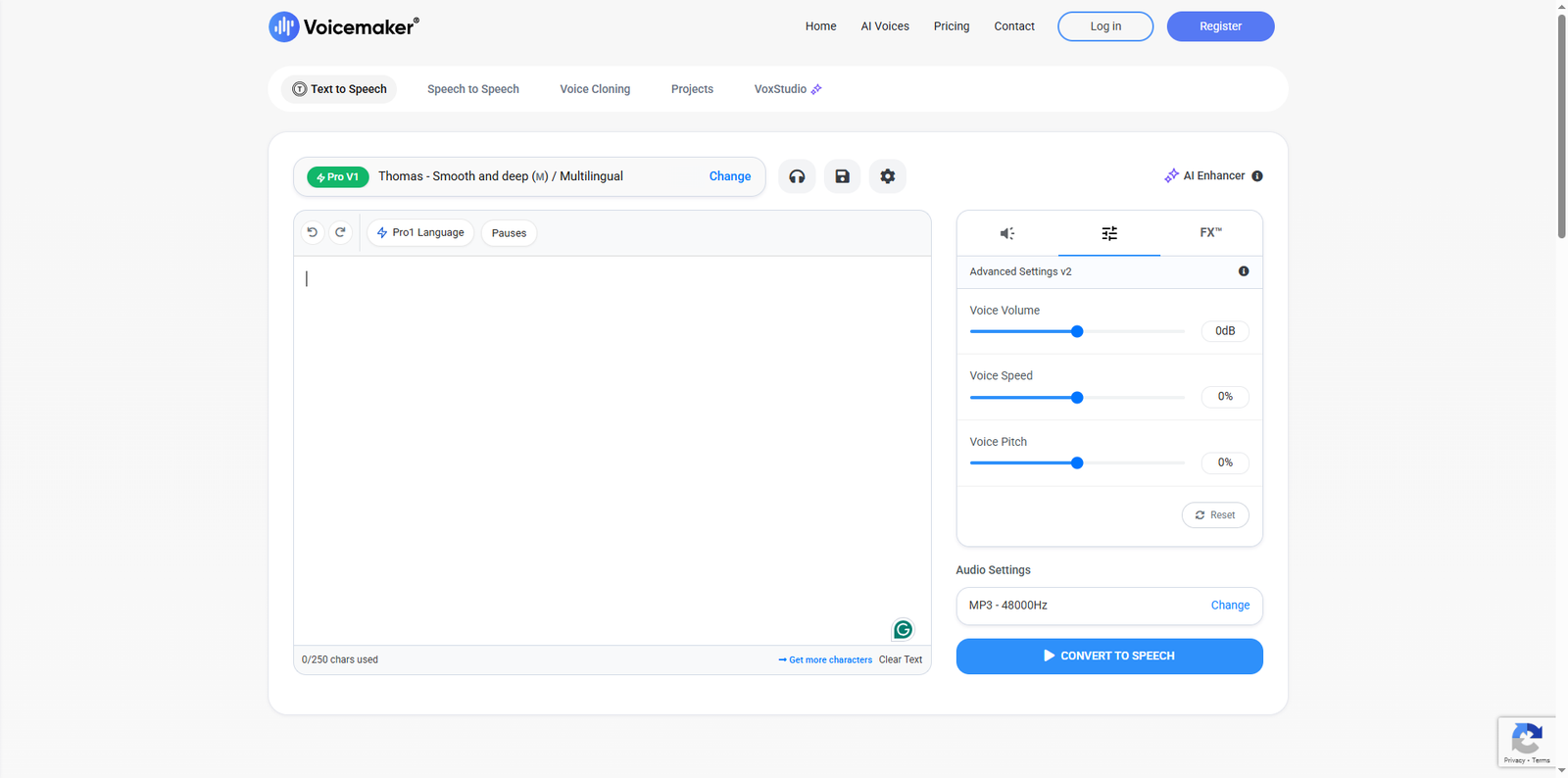
Voicemaker.com uses deep learning models to analyze text and generate lifelike speech. The platform integrates neural networks similar to those used by major AI research labs, enabling it to produce voices that sound remarkably human.
Step-by-Step Process
- Input Text: Users enter or paste text into the online editor.
- Select Voice: The platform offers multiple voice options across different languages and accents.
- Adjust Settings: Users can modify parameters such as pitch, speed, and emphasis for a customized result.
- Generate Audio: The AI synthesizes the text into speech, which can be previewed or downloaded instantly.
This process is powered by cloud-based AI engines that ensure high-quality output and fast processing times. The platform supports multiple languages, making it suitable for global users.
Applications of Voicemaker.com
Voicemaker.com is used across various industries and purposes. Its versatility makes it a valuable tool for professionals and individuals alike.
1. Content Creation
Podcasters, YouTubers, and e-learning instructors use Voicemaker.com to generate narration for their content. It eliminates the need for expensive recording equipment or professional voice actors.
2. Accessibility
For visually impaired users, text-to-speech technology provides an inclusive way to access written content. Websites and apps can integrate generated voices to improve accessibility compliance.
3. Business and Marketing
Companies use AI voices for customer service bots, promotional videos, and training materials. According to Grand View Research, businesses adopting TTS solutions report improved engagement and reduced operational costs.
4. Education
Teachers and students benefit from audio-based learning materials. Voicemaker.com helps convert study notes and e-books into audio, enhancing comprehension and retention.
Benefits of Using Voicemaker.com
Voicemaker.com offers several advantages that make it a preferred choice for text-to-speech conversion.
- Natural Voice Output: The AI-driven voices are expressive and realistic, reducing the robotic tone common in older TTS systems.
- Multilingual Support: It supports numerous languages, making it ideal for international users.
- Ease of Use: The intuitive interface allows users to generate speech without technical expertise.
- Customization: Users can fine-tune voice parameters for tone, speed, and emotion.
- Instant Results: The platform processes text quickly, providing immediate audio output.
Top Alternatives to Voicemaker.com
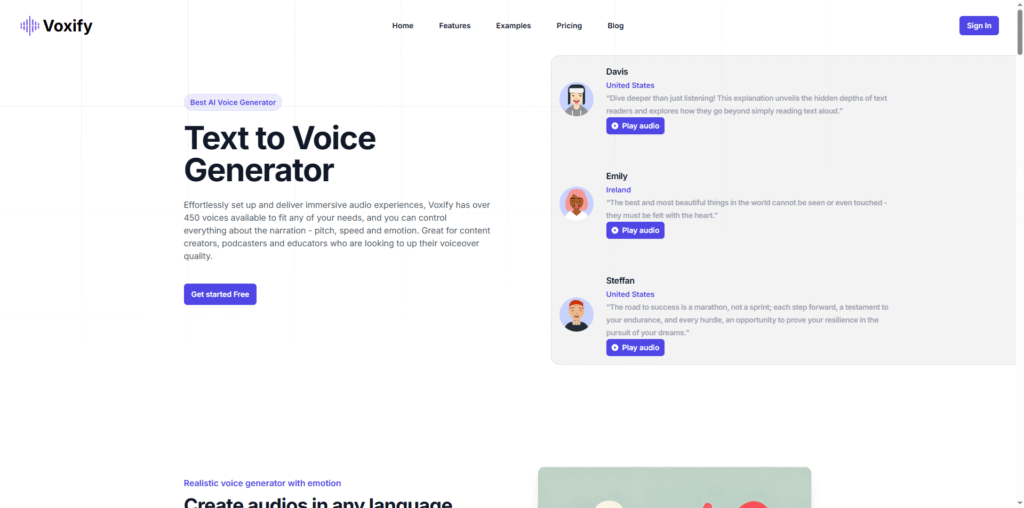
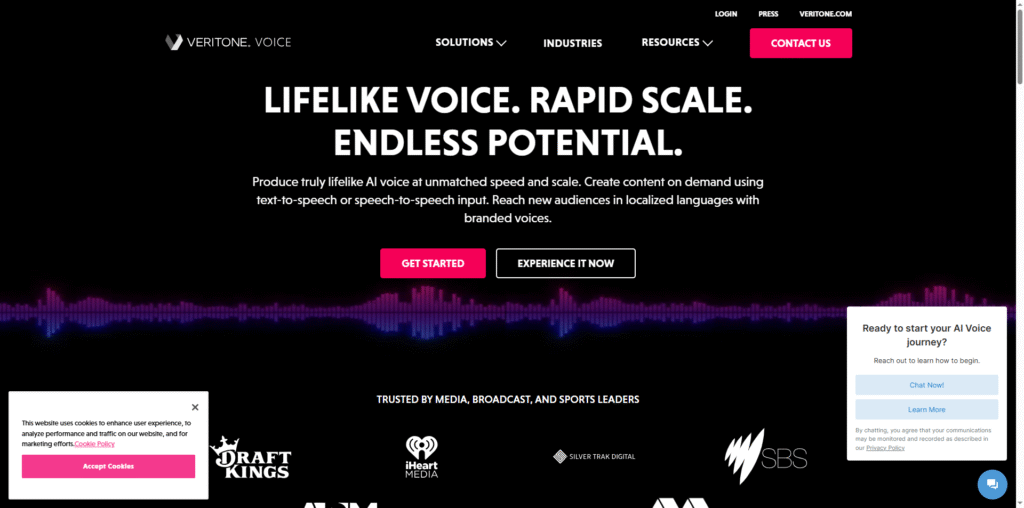
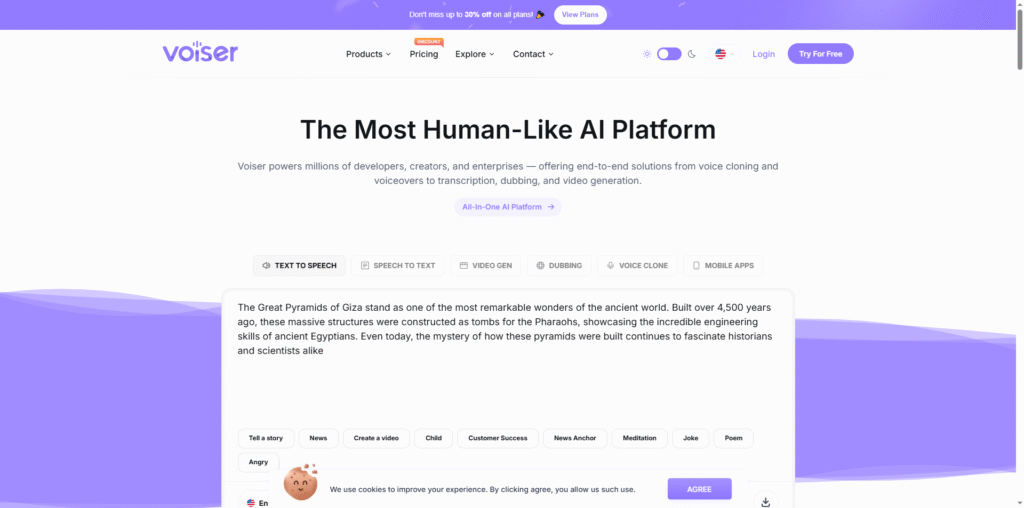
While Voicemaker.com is a leading platform, several other tools offer similar capabilities. Below is a comparison of popular alternatives that users can explore for different needs.
| Tool Name | Description |
|---|---|
| TTSMP3 | A simple online text-to-speech converter supporting multiple languages and voice styles. |
| NaturalReader | Offers downloadable software and online tools for reading documents and web pages aloud. |
| IBM Watson Text to Speech | Provides enterprise-level AI voice synthesis with API integration for developers. |
| Google Cloud Text-to-Speech | Delivers high-quality neural voices and supports over 40 languages for business applications. |
| Microsoft Azure Text to Speech | Integrates with Azure Cognitive Services to create realistic voice outputs for various platforms. |
The Role of AI in Modern Text-to-Speech
Artificial intelligence has revolutionized the TTS industry by enabling machines to understand linguistic nuances, emotions, and context. Neural TTS models, such as those used by Voicemaker.com, rely on deep learning frameworks like Tacotron 2 and WaveNet to produce speech that mimics human intonation and rhythm.
According to a 2023 report by MarketsandMarkets, AI-driven TTS adoption is growing rapidly due to its applications in virtual assistants, audiobooks, and customer support systems. This growth is expected to continue as voice interfaces become more common in smart devices and digital services.
User Experience and Accessibility
Voicemaker.com focuses on delivering a seamless user experience. The platform’s interface is designed for simplicity, allowing users to generate speech in just a few clicks. It also supports accessibility features that make it usable for people with disabilities.
Accessibility Features
- Keyboard navigation for users with limited mobility.
- Screen reader compatibility for visually impaired users.
- Adjustable playback speed for better comprehension.
These features align with the Web Content Accessibility Guidelines (WCAG), ensuring that digital content is inclusive and user-friendly.
Future Trends in Voice Synthesis
The future of voice synthesis is promising, with emerging technologies pushing the boundaries of realism and personalization. Researchers are exploring emotional AI that allows voices to convey empathy and mood. Additionally, multilingual synthesis is improving, enabling seamless switching between languages within a single audio stream.
According to Statista, the global voice assistant market is expected to reach over $30 billion by 2030. This trend indicates that voice-based interactions will play a major role in how users engage with technology, from smart homes to virtual learning environments.
Conclusion
Voicemaker.com exemplifies how AI can transform text into lifelike speech, making digital communication more engaging and accessible. Its intuitive design, multilingual capabilities, and realistic voice output make it a valuable tool for creators, educators, and businesses. As AI continues to evolve, platforms like Voicemaker.com will further enhance how we experience and interact with audio content. Embracing such technology not only saves time and resources but also opens new possibilities for creativity and inclusion in the digital world.