


Outline
- Introduction
- What is Replicant.ai?
- How Replicant.ai Works
- Benefits of Replicant.ai
- Real-World Use Cases
- Alternatives to Replicant.ai
- The Future of Conversational AI
- Conclusion
Introduction
In an era where customer expectations are higher than ever, businesses are turning to artificial intelligence to deliver seamless, efficient, and personalized service. Among the leading innovators in this space is Replicant.ai, a company that leverages conversational AI to automate customer interactions without compromising quality. According to a 2023 Gartner report, 70% of customer interactions will involve emerging technologies such as machine learning and chatbots by 2025. Replicant.ai is at the forefront of this transformation, enabling enterprises to scale customer support while maintaining a human-like experience.
What is Replicant.ai?
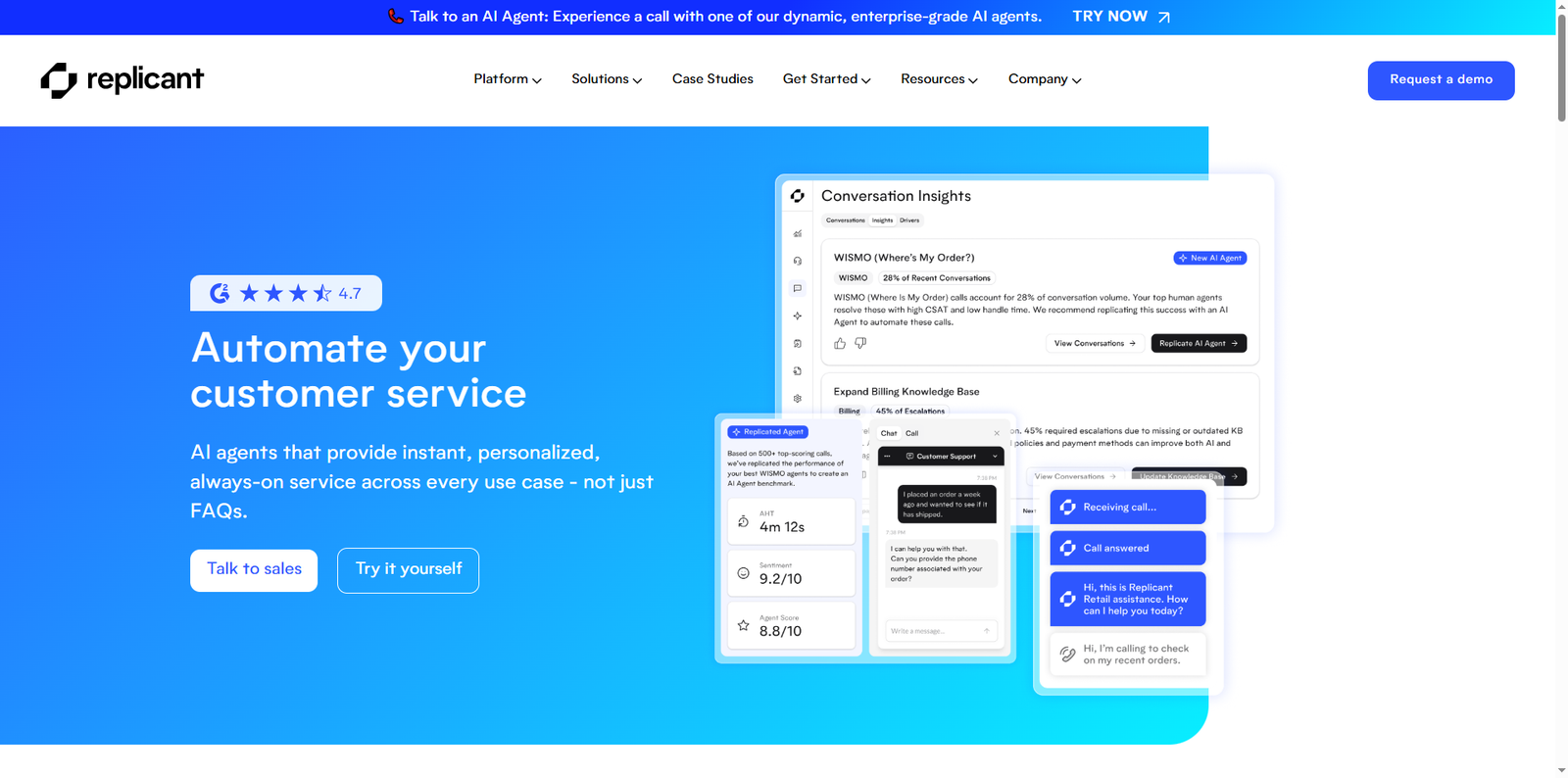
Replicant.ai is a conversational AI platform designed to automate voice-based customer service. Founded in 2017, the company’s mission is to eliminate hold times and improve customer satisfaction through natural, intelligent conversations. Rather than replacing human agents, Replicant.ai acts as a digital colleague that handles repetitive tasks, allowing human teams to focus on complex and emotionally nuanced interactions.
The platform uses advanced natural language processing (NLP) and speech recognition technologies to understand customer intent and respond in real-time. It integrates seamlessly with existing customer relationship management (CRM) systems and contact center software, ensuring smooth deployment across industries such as telecommunications, retail, travel, and healthcare.
How Replicant.ai Works
Replicant.ai operates through a proprietary system known as the Thinking Machine, which processes customer speech, interprets intent, and generates contextually relevant responses. The system continuously learns from interactions, improving accuracy and efficiency over time.
1. Speech Recognition
The AI converts spoken language into text using advanced speech-to-text algorithms. This step ensures that the system accurately captures the nuances of human speech, including accents and variations in tone.
2. Natural Language Understanding (NLU)
Once the speech is transcribed, the NLU engine analyzes the text to determine intent and sentiment. This allows Replicant.ai to understand what the customer wants, whether it’s checking an account balance, scheduling a service, or resolving a billing issue.
3. Response Generation
The AI then formulates a natural-sounding response, which is converted back into speech using text-to-speech technology. The result is a fluid, human-like conversation that feels intuitive and responsive.
4. Integration and Automation
Replicant.ai integrates with enterprise systems such as Salesforce, Zendesk, and ServiceNow to retrieve or update customer data automatically. This enables end-to-end automation of common workflows without manual intervention.
Benefits of Replicant.ai
Businesses adopting Replicant.ai experience a range of operational and customer-centric advantages. Below are some of the most significant benefits:
- Reduced Wait Times: Customers no longer have to wait on hold, as the AI handles calls immediately.
- 24/7 Availability: The system operates around the clock, ensuring consistent service even during peak hours or holidays.
- Scalability: Replicant.ai can handle thousands of simultaneous conversations, making it ideal for large enterprises.
- Improved Agent Productivity: By automating repetitive tasks, human agents can focus on complex issues that require empathy and critical thinking.
- Data-Driven Insights: The platform collects and analyzes interaction data to identify trends, customer pain points, and opportunities for improvement.
Real-World Use Cases
Replicant.ai has been implemented across multiple industries, demonstrating its versatility and impact. Below are some notable examples:
Telecommunications
Telecom companies use Replicant.ai to handle high call volumes related to billing inquiries, service outages, and plan upgrades. The AI can authenticate users, provide account details, and even process payments without human intervention.
Retail and E-commerce
In retail, Replicant.ai assists with order tracking, returns, and product information. By automating these interactions, brands can enhance customer satisfaction while reducing operational costs.
Travel and Hospitality
Travel companies leverage Replicant.ai to manage flight changes, hotel bookings, and itinerary updates. The AI ensures travelers receive timely information, improving overall experience and loyalty.
Healthcare
Healthcare providers use Replicant.ai to schedule appointments, send reminders, and handle insurance verification. This automation helps reduce administrative burdens and ensures patients receive prompt assistance.
Alternatives to Replicant.ai
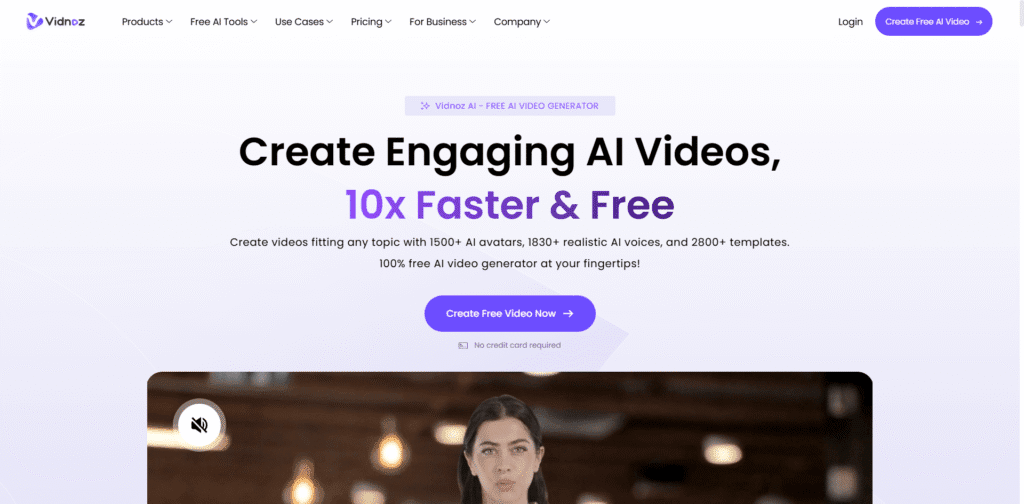
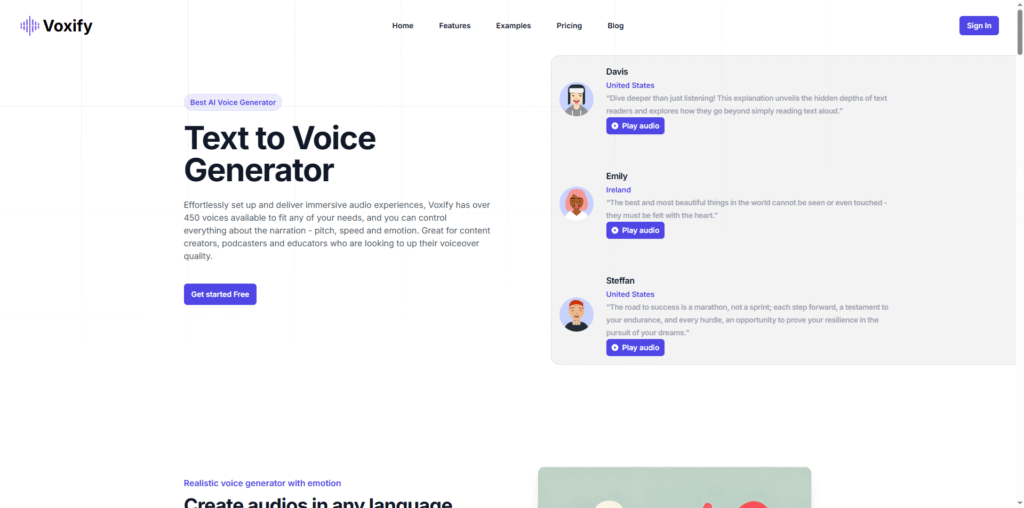
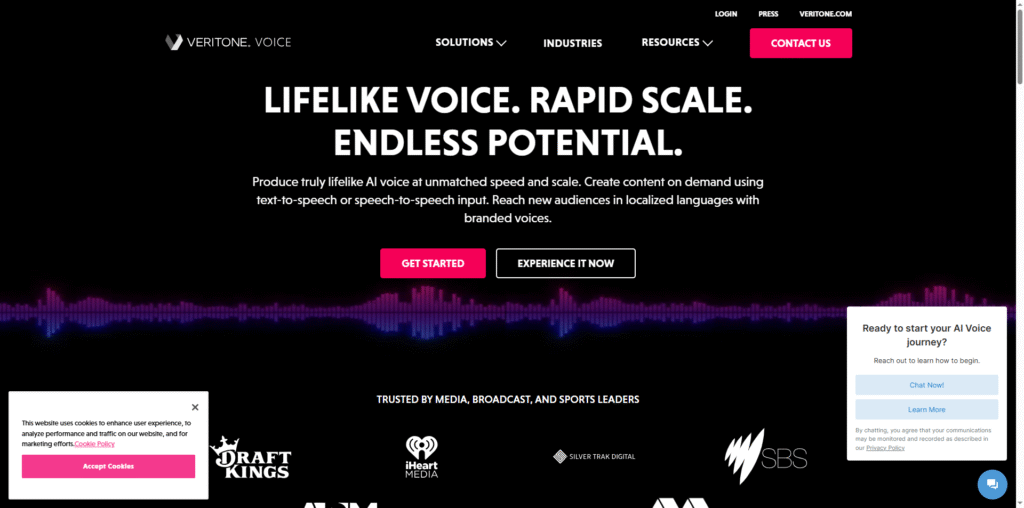
While Replicant.ai is a leader in voice-based automation, several other tools offer similar capabilities. Below is a comparison table highlighting popular alternatives that businesses can explore:
| Tool Name | Description |
|---|---|
| IBM Watson Assistant | A robust AI platform that enables businesses to build conversational interfaces across voice and chat channels. |
| Dialogflow | Google’s conversational AI tool that supports multi-language voice and text interactions for customer service automation. |
| Microsoft Azure Bot Service | A cloud-based service that allows developers to create intelligent bots integrated with Microsoft’s ecosystem. |
| Amazon Lex | Amazon’s AI service for building conversational interfaces using the same technology as Alexa. |
| Cognigy | An enterprise-grade conversational automation platform that supports omnichannel customer engagement. |
The Future of Conversational AI
The conversational AI market is projected to reach over $32 billion by 2030, according to a report by Grand View Research. As AI models become more sophisticated, the line between human and machine interaction will continue to blur. Replicant.ai’s focus on natural, empathetic communication positions it as a key player in shaping this evolution.
Future advancements are expected to include deeper emotional intelligence, multilingual capabilities, and tighter integration with predictive analytics. These innovations will enable businesses to anticipate customer needs and deliver proactive support, further enhancing satisfaction and loyalty.
Conclusion
Replicant.ai represents a significant leap forward in the way businesses approach customer service. By combining advanced speech recognition, natural language understanding, and automation, it empowers organizations to deliver faster, more consistent, and personalized experiences. As industries continue to embrace digital transformation, conversational AI solutions like Replicant.ai will become indispensable tools for maintaining competitive advantage. Whether you’re a large enterprise or a growing business, adopting AI-driven customer engagement is no longer a luxury—it’s a necessity for success in the modern marketplace.