




Outline
- Introduction
- What Is Vocalid.ai?
- How Vocalid.ai Works
- Applications of Vocalid.ai
- Benefits of Using Vocalid.ai
- Top Alternatives to Vocalid.ai
- The Future of AI Voice Technology
- Conclusion
Introduction
Artificial intelligence has made remarkable progress in the last decade, and one of its most fascinating applications is voice synthesis. Among the pioneers in this field, Vocalid.ai stands out for its ability to create lifelike, human-sounding voices that can be used across industries. Whether for media production, eLearning, or corporate communication, Vocalid.ai offers a scalable and realistic voice solution that bridges the gap between human expression and machine efficiency.
According to a 2023 report by Grand View Research, the global text-to-speech market is projected to reach over USD 7.6 billion by 2030, growing at a CAGR of 14.6%. This growth is driven by increasing demand for personalized digital experiences and accessibility solutions. Vocalid.ai is at the forefront of this transformation, offering enterprises and creators the tools to produce custom AI voices with unmatched realism.
What Is Vocalid.ai?
Vocalid.ai is an advanced AI voice platform that enables users to generate synthetic voices that sound remarkably human. Developed by Veritone, the platform leverages deep learning and speech synthesis to create custom voice models for brands, broadcasters, and content creators. Unlike traditional text-to-speech systems, Vocalid.ai focuses on emotional nuance, tone, and expression, ensuring that the generated voices convey authenticity and personality.
The platform supports both text-to-speech (TTS) and speech-to-speech (STS) inputs, allowing users to either type or record speech to produce new voice content. With access to more than 300 stock voices and over 70 premium options, Vocalid.ai provides flexibility for multilingual and localized content creation. It supports over 150 languages, making it a valuable tool for global communication.
How Vocalid.ai Works
Vocalid.ai uses a combination of machine learning models, natural language processing, and neural networks to generate lifelike voices. The process involves several key stages:
- Data Collection: Voice samples are collected with consent from real speakers to train the AI model.
- Voice Modeling: The AI analyzes tone, pitch, and rhythm to create a unique voiceprint.
- Speech Generation: The model converts text or recorded speech into natural-sounding audio output.
- Customization: Users can adjust parameters such as accent, gender, and emotional tone to match their brand identity.
Through its API integration, Vocalid.ai can be embedded into enterprise workflows, enabling real-time voice generation for applications like customer service bots, media production, and accessibility tools. The platform’s scalability ensures that large organizations can automate voice creation without compromising quality.
Applications of Vocalid.ai
Vocalid.ai’s versatility makes it suitable for a wide range of industries. Below are some of the most impactful use cases:
1. Media and Broadcasting
Media companies use Vocalid.ai to produce voice-overs for news, sports commentary, and entertainment content. By automating voice production, broadcasters can reduce turnaround times and maintain consistent audio quality across multiple languages.
2. eLearning and Training
Educational institutions and corporate trainers leverage Vocalid.ai to create engaging learning materials. AI-generated voices can narrate lessons, making content more accessible to learners with visual impairments or reading difficulties.
3. Corporate Communications
Businesses use Vocalid.ai to enhance internal and external communications. From automated announcements to multilingual presentations, the platform ensures brand consistency and professionalism in every message.
4. Film, TV, and Gaming
In entertainment, Vocalid.ai helps producers and developers generate character voices without the need for extensive recording sessions. This flexibility allows for faster production cycles and creative experimentation.
5. Podcasts and Audiobooks
Podcasters and authors can use Vocalid.ai to produce high-quality narration, saving time and resources. The AI’s ability to emulate human emotion ensures that the listening experience remains captivating.
Benefits of Using Vocalid.ai
Vocalid.ai offers several advantages that make it a preferred choice among enterprises and creators:
- Scalability: Generate thousands of voice assets quickly without human scheduling constraints.
- Localization: Translate and adapt content into multiple languages with consistent voice identity.
- Brand Customization: Create a unique voice that represents your brand’s tone and personality.
- Accessibility: Enhance inclusivity by providing voice content for visually impaired users.
- Cost Efficiency: Reduce production costs associated with traditional voice recording.
These benefits align with the growing demand for personalized digital experiences. According to Statista, over 40% of consumers prefer brands that offer personalized interactions, and AI voice technology plays a crucial role in achieving that personalization.
Top Alternatives to Vocalid.ai
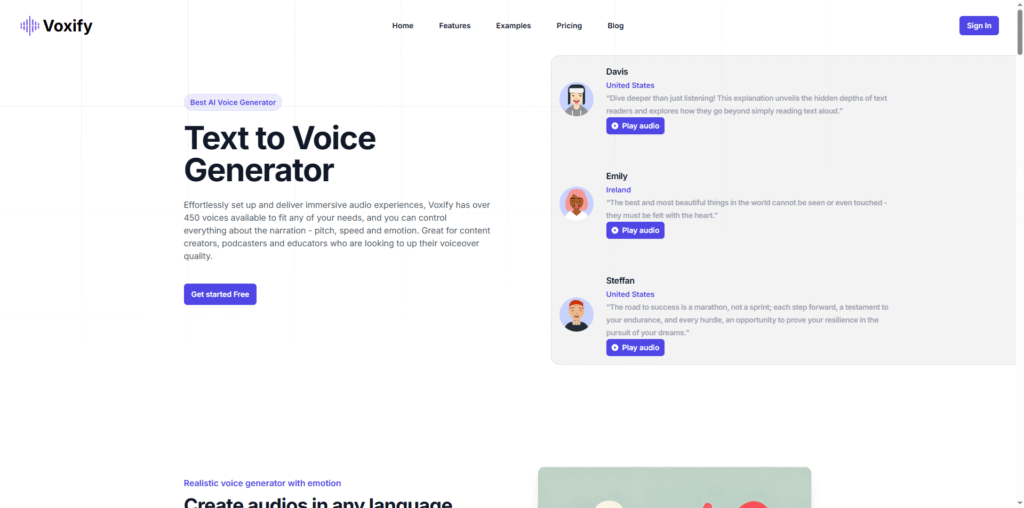
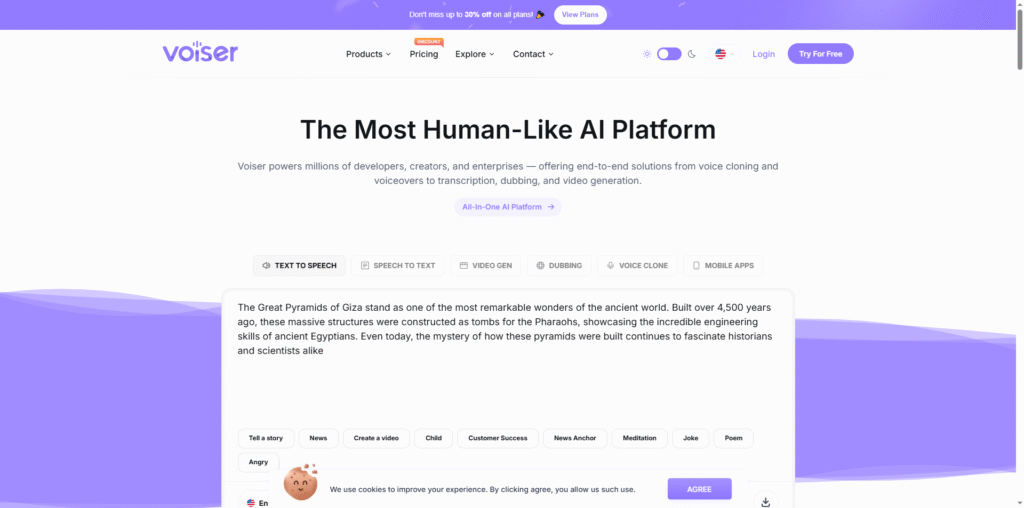
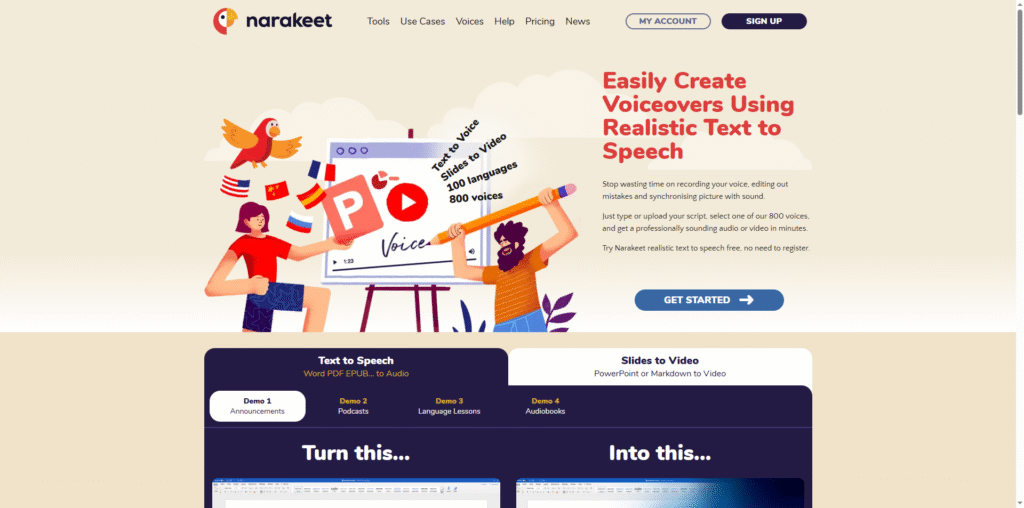
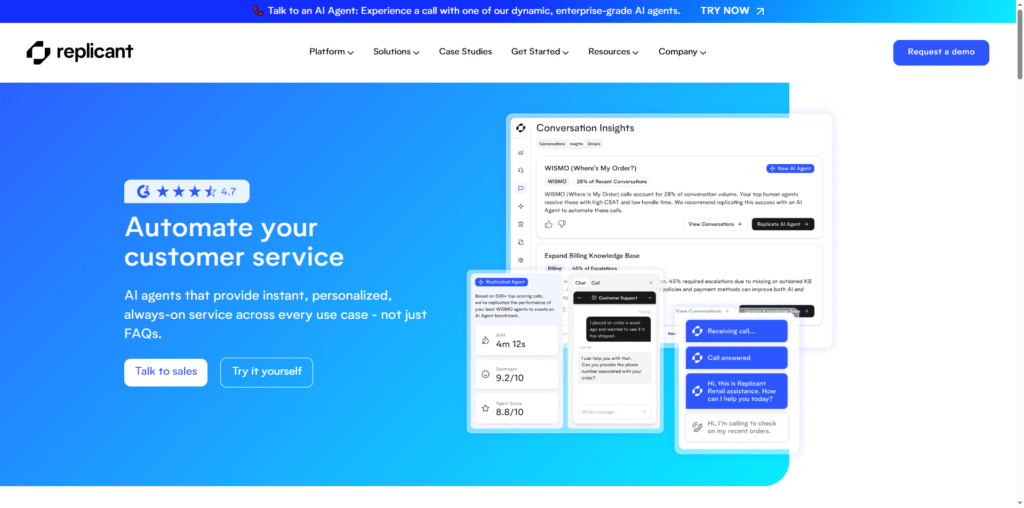
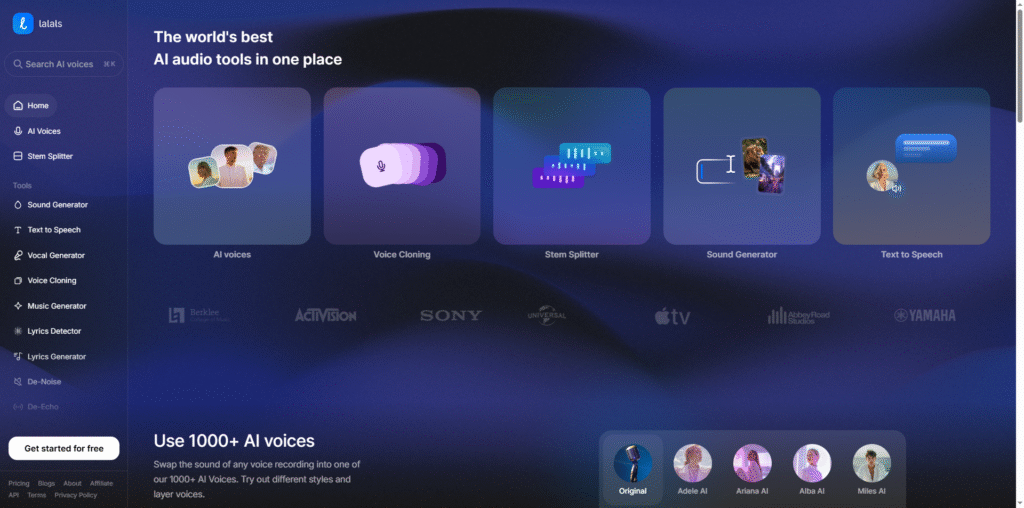
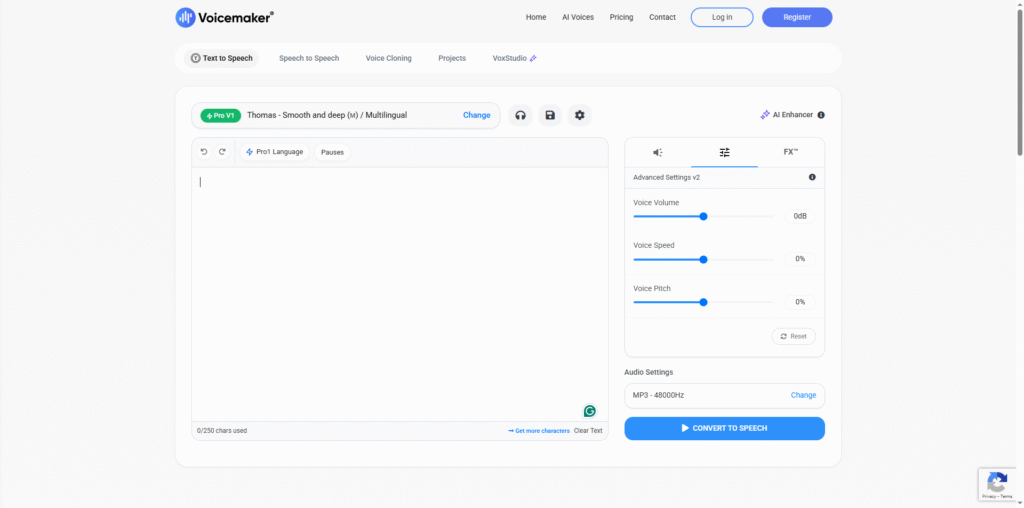
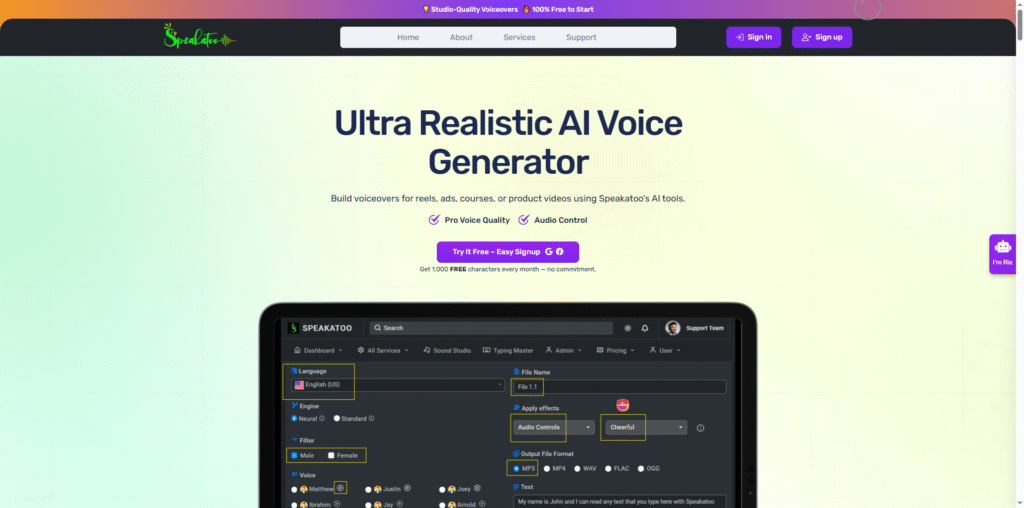
While Vocalid.ai is a leader in synthetic voice technology, several other platforms also provide innovative voice generation solutions. Below is a comparison of some popular alternatives:
| Tool Name | Description |
|---|---|
| Descript Overdub | Allows users to clone their own voice for podcasting and video editing with seamless integration into Descript’s editing suite. |
| Speechify | A text-to-speech platform that converts written content into natural-sounding audio for reading and learning applications. |
| Play.ht | Offers realistic voice synthesis for content creators, marketers, and educators with multilingual support. |
| Respeecher | Specializes in voice cloning for film, TV, and gaming, allowing creators to reproduce voices with high emotional fidelity. |
| Murf AI | Provides AI voiceovers for presentations, training videos, and advertisements with customizable tones and accents. |
The Future of AI Voice Technology
The future of AI voice synthesis is poised for exponential growth. As neural networks become more sophisticated, we can expect AI-generated voices to become indistinguishable from human speech. Ethical considerations, such as consent and voice ownership, will play a critical role in shaping industry standards.
Vocalid.ai’s emphasis on consent-based voice cloning sets a precedent for responsible AI use. By ensuring that all voice data is ethically sourced, the platform promotes transparency and trust in an era where deepfake concerns are rising. According to a 2024 study by IBM, 78% of organizations consider ethical AI practices essential for long-term success, highlighting the importance of Vocalid.ai’s approach.
Moreover, integration with real-time applications such as virtual assistants, metaverse environments, and interactive storytelling will redefine how users interact with digital content. The combination of AI voice and natural language understanding will enable more personalized, human-like interactions across devices.
Conclusion
Vocalid.ai represents a major leap forward in the evolution of voice technology. By blending human emotion with artificial intelligence, it empowers organizations to communicate more effectively, inclusively, and creatively. From media production to education and corporate communication, its applications are vast and transformative.
As AI voice synthesis continues to advance, Vocalid.ai’s commitment to realism, scalability, and ethical standards positions it as a cornerstone of the next generation of digital communication. For businesses and creators seeking to harness the power of lifelike voice technology, Vocalid.ai offers not just a tool—but a gateway to the future of human-AI interaction.