


Outline
- Introduction
- What is Voiser.ai?
- How Voiser.ai Works
- Applications of Voiser.ai
- Benefits of Using Voiser.ai
- Top Alternatives to Voiser.ai
- Industry Impact and Real-World Use Cases
- The Future of AI Voice and Video Generation
- Conclusion
Introduction
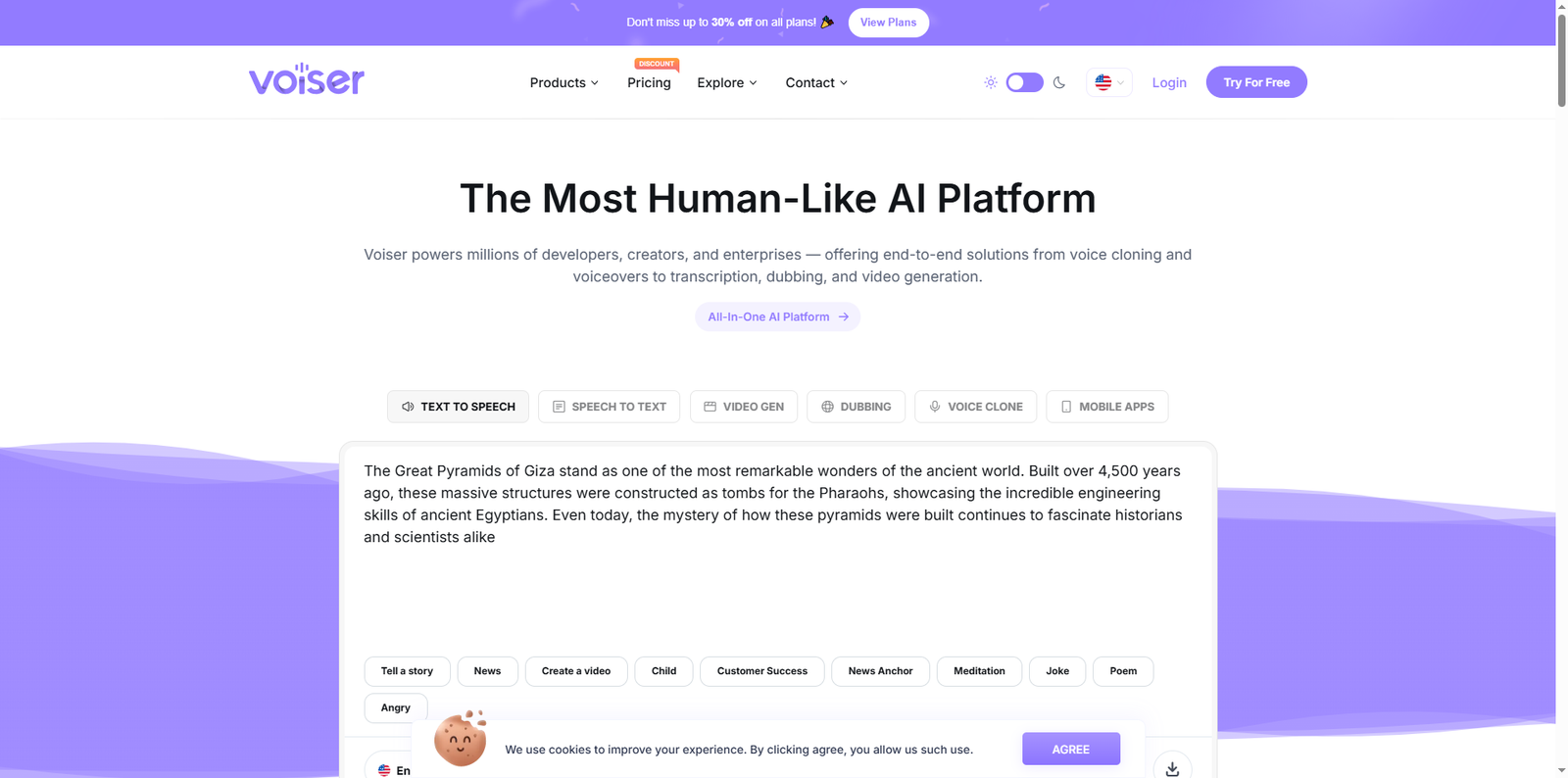
Artificial intelligence has rapidly evolved from simple automation to creating lifelike voices and videos that are nearly indistinguishable from human productions. Among the leaders in this space is Voiser.ai, a platform that has gained global recognition for its advanced AI voice cloning, dubbing, and video generation capabilities. With over two million users and partnerships with more than a thousand brands worldwide, Voiser.ai is redefining how creators, developers, and enterprises produce multimedia content.
In this article, we’ll explore what makes Voiser.ai stand out, how it works, its real-world applications, and the top alternatives available today. Whether you’re a content creator, marketer, or developer, understanding this technology can help you stay ahead in the fast-changing digital landscape.
What is Voiser.ai?
Voiser.ai is an all-in-one AI platform designed to generate human-like voices, transcribe speech, dub videos, and even create AI-generated video content. It supports more than 140 languages, making it one of the most versatile tools for global communication. The platform’s unique approach combines deep learning, natural language processing (NLP), and voice synthesis to produce realistic and emotionally expressive audio.
Unlike traditional text-to-speech software, Voiser.ai focuses on replicating human tone, emotion, and cadence. This makes it ideal for applications such as film dubbing, podcast production, e-learning narration, and multilingual customer support. Its ability to clone voices of celebrities and public figures (for authorized use) demonstrates the sophistication of its underlying AI models.
How Voiser.ai Works
Voiser.ai operates through a combination of AI-driven modules that handle different aspects of voice and video generation. The process typically involves:
- Text-to-Speech (TTS): Converts written text into natural-sounding speech using neural networks trained on diverse voice datasets.
- Speech-to-Text (STT): Transcribes spoken audio into text with high accuracy, useful for transcription and captioning.
- Voice Cloning: Recreates a speaker’s unique voice characteristics, enabling personalized voiceovers and dubbing.
- AI Dubbing: Automatically synchronizes translated audio with video content, reducing manual editing time.
- Video Generation: Creates AI-driven videos from text prompts, merging visuals and audio seamlessly.
These components are powered by machine learning models trained on massive datasets, allowing the system to continuously improve its accuracy and naturalness. The platform also integrates with mobile apps and APIs, enabling developers to embed its capabilities into custom workflows.
Applications of Voiser.ai
The versatility of Voiser.ai makes it suitable for a wide range of industries and creative uses. Some of the most common applications include:
- Content Creation: YouTubers, podcasters, and social media influencers use Voiser.ai to generate professional-quality voiceovers without hiring voice actors.
- Education and E-Learning: Teachers and e-learning platforms leverage AI narration to create multilingual courses and accessible content.
- Corporate Training: Businesses use AI-generated voices for internal training videos and presentations.
- Entertainment and Film: Studios employ AI dubbing to localize movies and TV shows faster and more cost-effectively.
- Accessibility: Speech synthesis helps visually impaired users access written content through natural-sounding audio.
Benefits of Using Voiser.ai
Voiser.ai offers several advantages that make it a preferred choice for professionals and enterprises:
- Scalability: Capable of handling large-scale projects with consistent quality across multiple languages.
- Speed: Produces high-quality voiceovers and dubbed videos in minutes, significantly reducing production time.
- Customization: Users can fine-tune voice tone, speed, and emotion to match their brand identity.
- Integration: Compatible with various content creation tools and platforms through APIs.
- Global Reach: Supports over 140 languages, enabling creators to reach international audiences effortlessly.
Top Alternatives to Voiser.ai
While Voiser.ai is a powerful platform, several other AI voice and video tools offer similar capabilities. Below is a comparison table of some popular alternatives worth exploring:
| Tool Name | Description |
|---|---|
| Descript | An all-in-one audio and video editing tool that includes AI voice cloning and transcription features. |
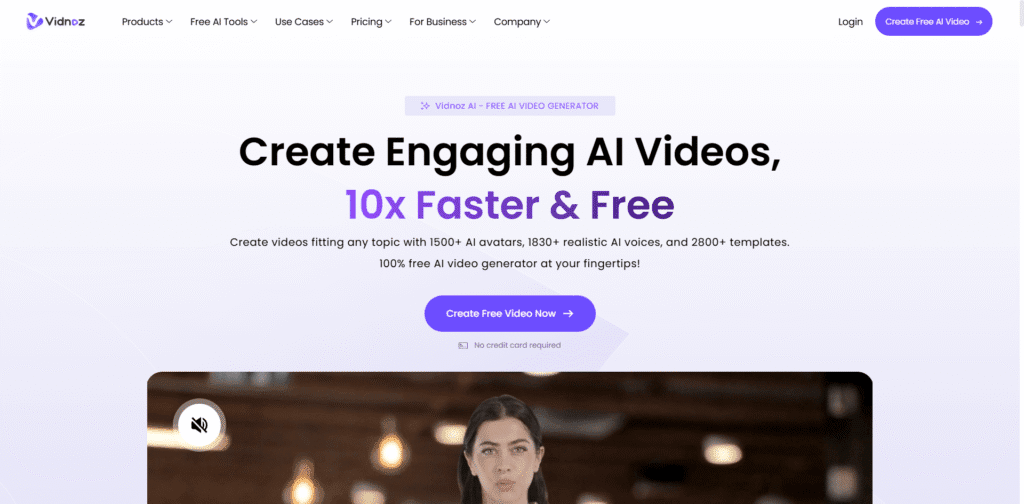
| Synthesia | A leading AI video generation platform that allows users to create videos with digital avatars and voiceovers. |
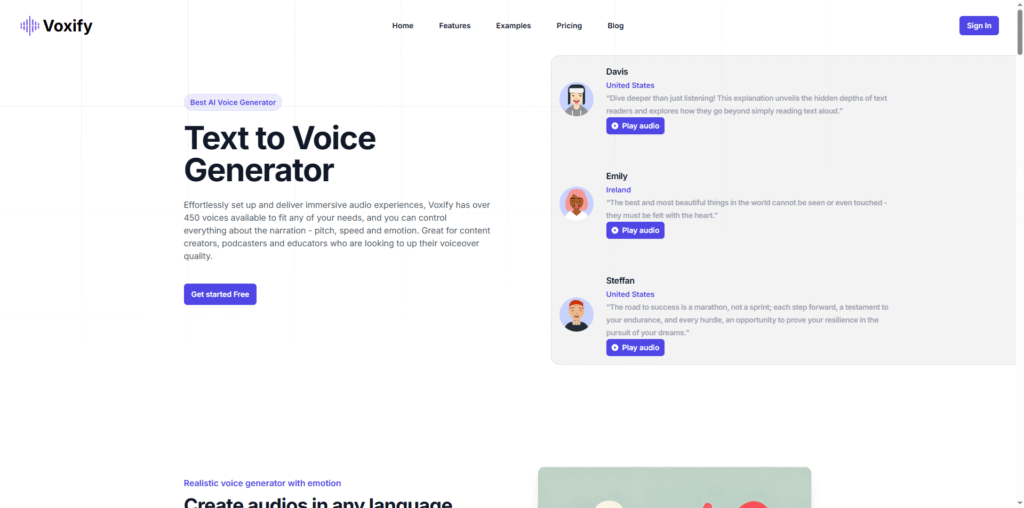
| Play.ht | Offers realistic text-to-speech voices for podcasts, audiobooks, and e-learning content. |
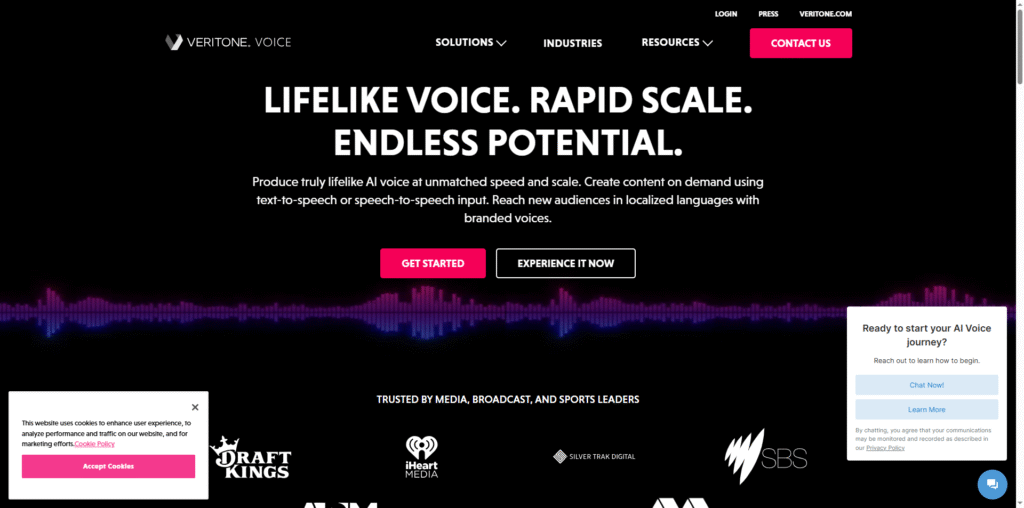
| Resemble AI | Specializes in custom voice cloning and emotional speech synthesis for interactive applications. |
| Murf AI | Provides a user-friendly interface for generating professional voiceovers for videos and presentations. |
Industry Impact and Real-World Use Cases
Voiser.ai’s impact extends across multiple sectors. In the entertainment industry, it has simplified the dubbing process, enabling studios to release localized versions of films and shows faster than ever. In education, AI narration has made learning materials more accessible to students with disabilities or language barriers. Corporate organizations use it to streamline internal communications, while marketing agencies employ it to produce multilingual ad campaigns efficiently.
According to a 2023 report by MarketsandMarkets, the global AI voice market is projected to reach over $5 billion by 2028, growing at a compound annual rate of more than 20%. This surge is largely driven by the demand for personalized and scalable audio content — an area where Voiser.ai excels. By providing developers and creators with intuitive tools, the platform contributes to democratizing high-quality media production.
The Future of AI Voice and Video Generation
The future of AI-generated content is promising, with continuous advancements in deep learning and speech synthesis. As models become more context-aware, we can expect even greater realism and emotional depth in AI-generated voices. Ethical considerations, such as consent and misuse prevention, will also play a crucial role in shaping the industry’s evolution.
Voiser.ai’s ongoing innovation suggests that future updates may include enhanced real-time voice translation, improved avatar realism, and deeper integration with virtual and augmented reality platforms. These developments could revolutionize how humans interact with digital media, making AI voices an integral part of everyday communication.
Conclusion
Voiser.ai stands at the forefront of the AI revolution, offering a comprehensive suite of tools that empower creators, businesses, and developers to produce lifelike audio and video content. Its multilingual capabilities, scalability, and integration options make it a valuable asset in today’s globalized digital ecosystem. While alternatives like Descript, Synthesia, and Play.ht provide strong competition, Voiser.ai’s holistic approach to voice and video generation sets it apart.
As AI continues to blur the line between human and machine creativity, platforms like Voiser.ai will play a pivotal role in shaping the future of content creation. Whether you’re producing a podcast, localizing a film, or building an interactive app, embracing these technologies can unlock new levels of efficiency and engagement.