




Outline
- Introduction
- What is Voicery?
- How Voicery Works
- Applications of Voicery
- Benefits of Using Voicery
- Alternatives to Voicery
- The Future of AI Voice Technology
- Conclusion
Introduction
In a world increasingly driven by digital communication, voice technology has become a cornerstone of accessibility, personalization, and engagement. One of the most innovative players in this field is Voicery, a company that leverages artificial intelligence to generate natural-sounding speech from text. As businesses, developers, and creators seek more human-like voice experiences, Voicery stands out as a pioneer in producing lifelike, expressive voices that sound indistinguishable from real human speech.
According to a report by Grand View Research, the global text-to-speech (TTS) market was valued at over USD 3.3 billion in 2023 and is projected to grow at a compound annual growth rate (CAGR) of 14.6% through 2030. This surge reflects the growing demand for AI-driven voice solutions across industries such as e-learning, entertainment, customer service, and accessibility tools.
What is Voicery?
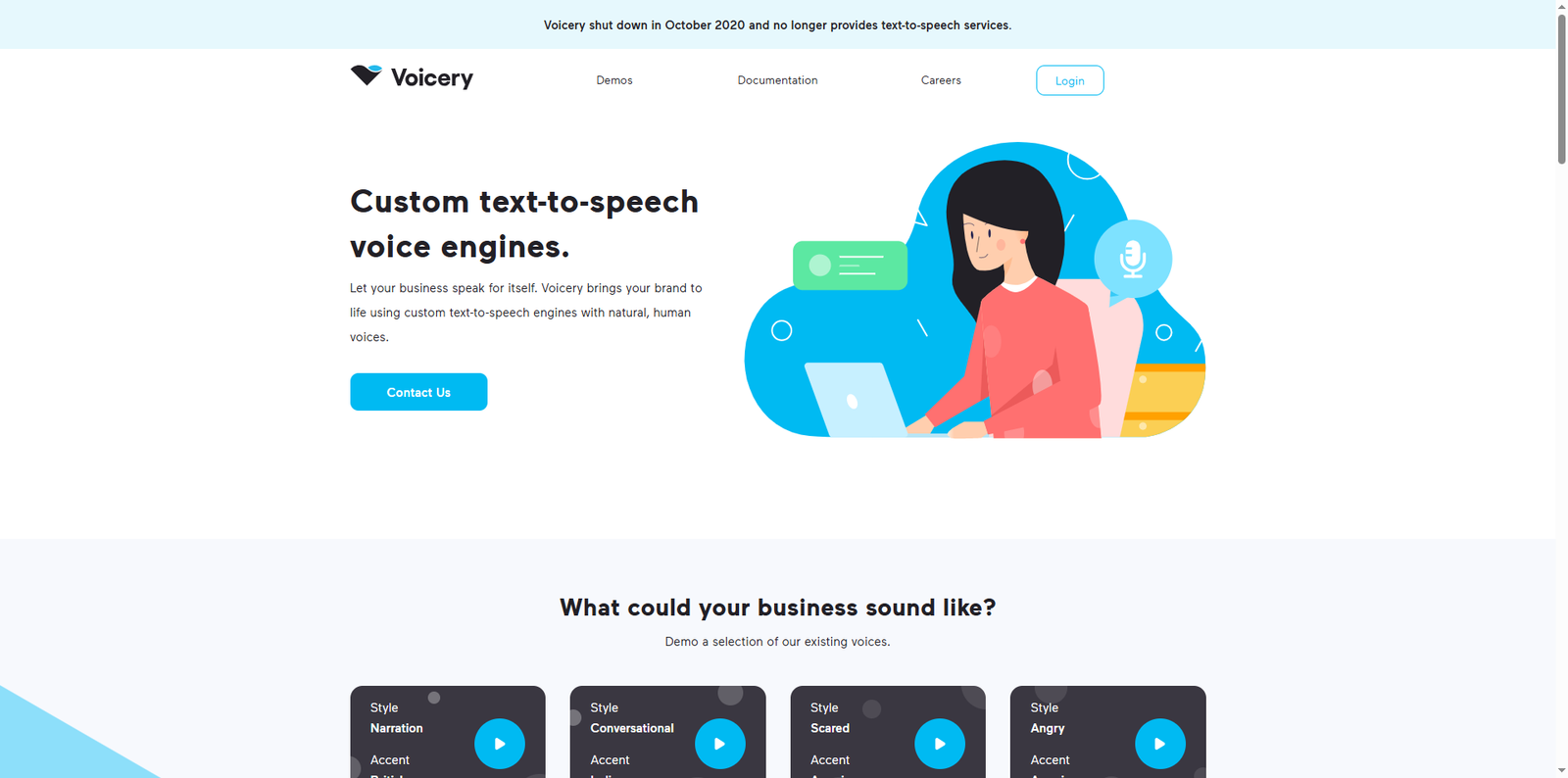
Voicery is an advanced text-to-speech platform that uses deep learning models to synthesize speech with remarkable realism. Founded by a team of AI researchers and engineers, the company focuses on creating voices that convey emotion, tone, and nuance—qualities often missing in traditional TTS systems. Unlike robotic-sounding voices of the past, Voicery’s technology captures the subtleties of human speech, including pitch variation, rhythm, and emphasis.
Voicery’s mission is to make digital interactions more natural and engaging. Its AI models are trained on extensive datasets of human speech, allowing them to learn linguistic patterns and emotional inflections. This results in voices that can adapt to various contexts, from conversational assistants to audiobook narrations.
How Voicery Works
The core of Voicery’s technology lies in its neural network architecture. By employing deep generative models, the system converts written text into speech waveforms that mimic human vocal characteristics. The process involves several key steps:
- Text Analysis: The system first analyzes the input text to understand syntax, semantics, and punctuation, which influence speech rhythm and emphasis.
- Phoneme Conversion: Text is then converted into phonemes—the smallest units of sound in speech—to ensure accurate pronunciation.
- Prosody Modeling: The AI predicts intonation, stress, and timing to produce natural-sounding prosody.
- Waveform Generation: Finally, a neural vocoder synthesizes the audio waveform, producing a voice that sounds authentically human.
Voicery’s approach differs from traditional concatenative synthesis, which stitches together pre-recorded speech segments. Instead, it uses end-to-end neural synthesis, allowing for smoother, more flexible voice generation. This makes it ideal for dynamic applications like virtual assistants and real-time narration.
Applications of Voicery
Voicery’s technology has a wide range of applications across industries. Some of the most prominent use cases include:
1. Voice Assistants
Voicery’s natural-sounding voices enhance the user experience of voice assistants by making interactions more conversational and engaging. This is particularly valuable for smart home devices, automotive systems, and mobile applications.
2. Audiobooks and Media Production
Publishers and content creators use Voicery to generate high-quality narrations for audiobooks, podcasts, and videos. The ability to produce expressive voices reduces the need for manual voice recording, saving time and resources.
3. E-Learning and Accessibility
In education, Voicery’s TTS technology supports learners with visual impairments or reading difficulties. It also enables e-learning platforms to provide dynamic, spoken content that improves comprehension and engagement.
4. Customer Support Automation
Businesses integrate Voicery into chatbots and IVR (Interactive Voice Response) systems to deliver more human-like customer interactions. This enhances user satisfaction and reduces the cognitive load associated with robotic voices.
Benefits of Using Voicery
Voicery offers several advantages that make it a compelling choice for developers and enterprises:
- Natural Sound Quality: Voices generated by Voicery are nearly indistinguishable from human speech, improving user engagement.
- Scalability: The platform can handle large-scale deployments, making it suitable for enterprise applications.
- Customization: Developers can fine-tune voices to match brand identity or specific emotional tones.
- Multilingual Capabilities: Voicery supports multiple languages, expanding its global usability.
- Accessibility Enhancement: It empowers individuals with disabilities by providing clear and expressive voice outputs.
Alternatives to Voicery
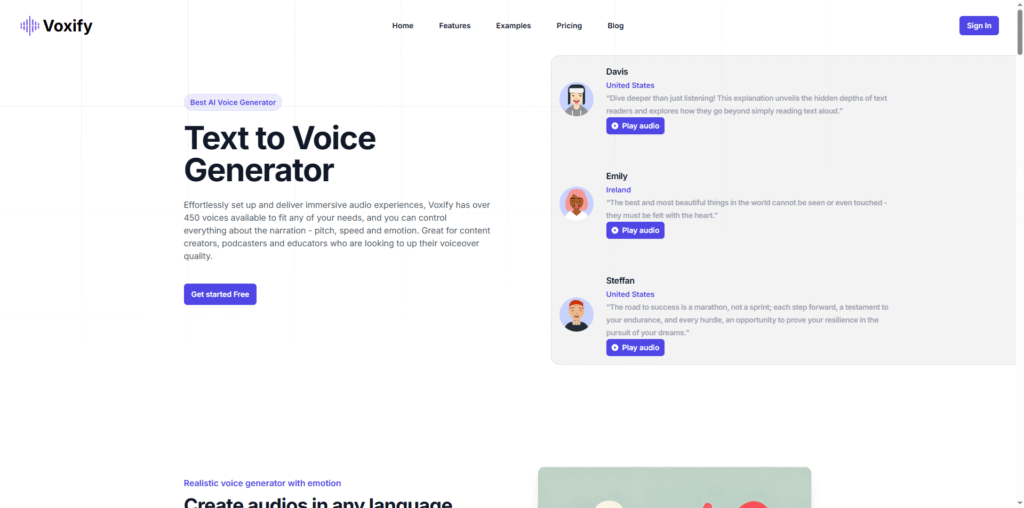
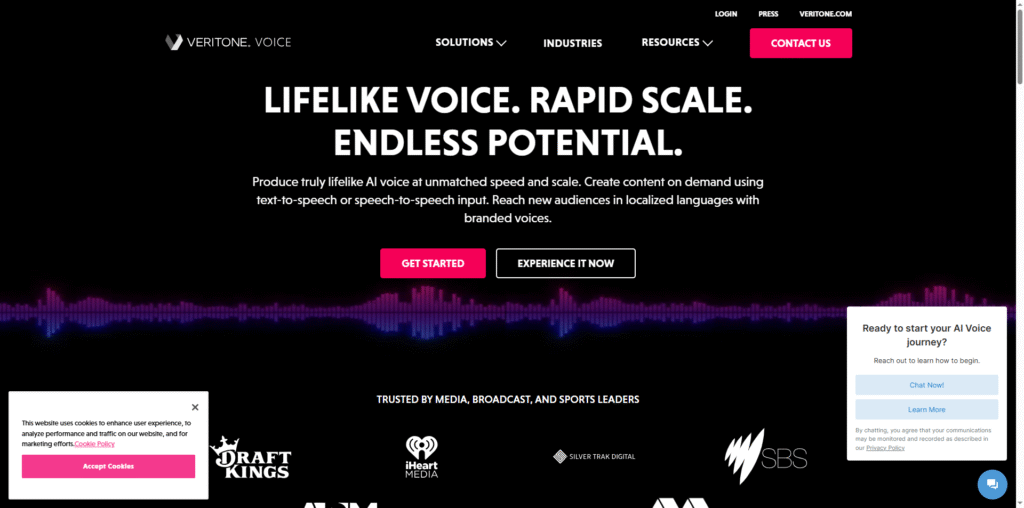
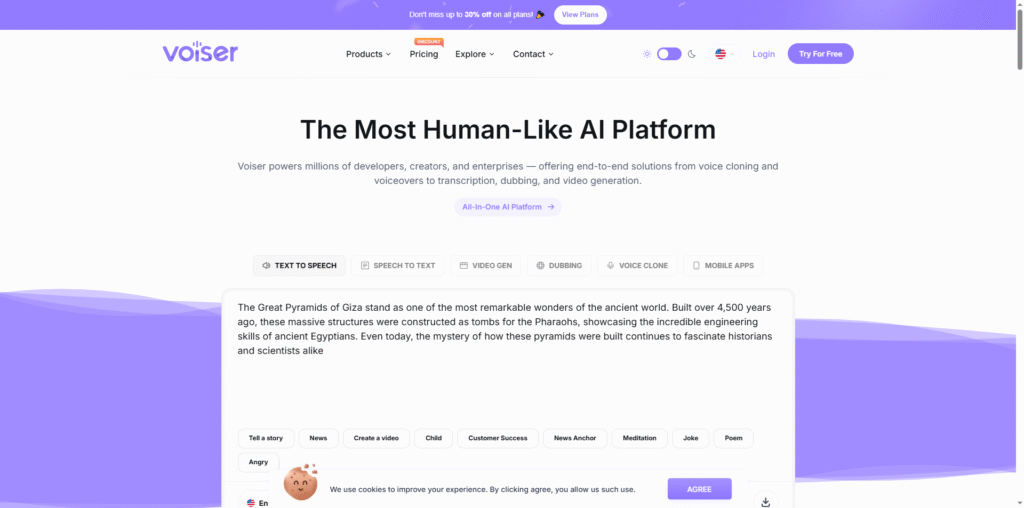
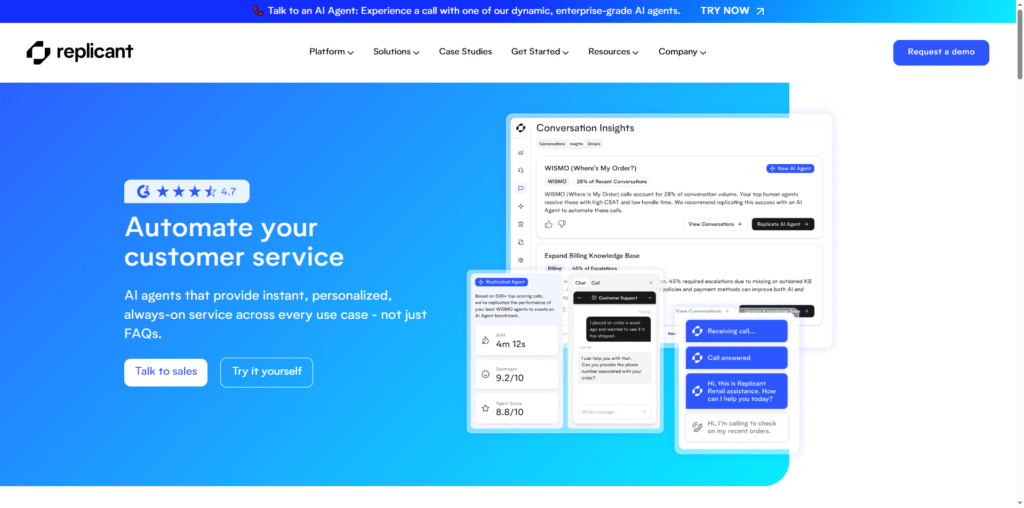
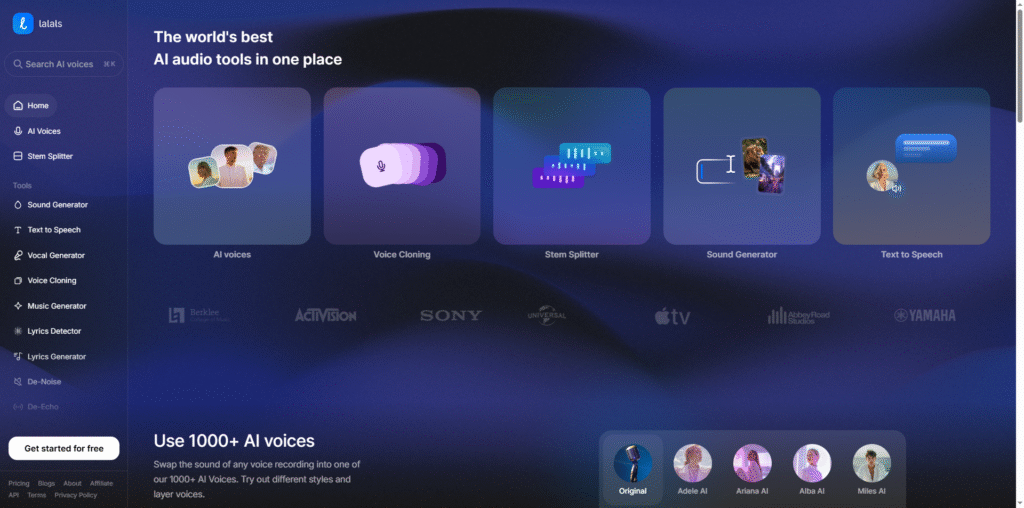
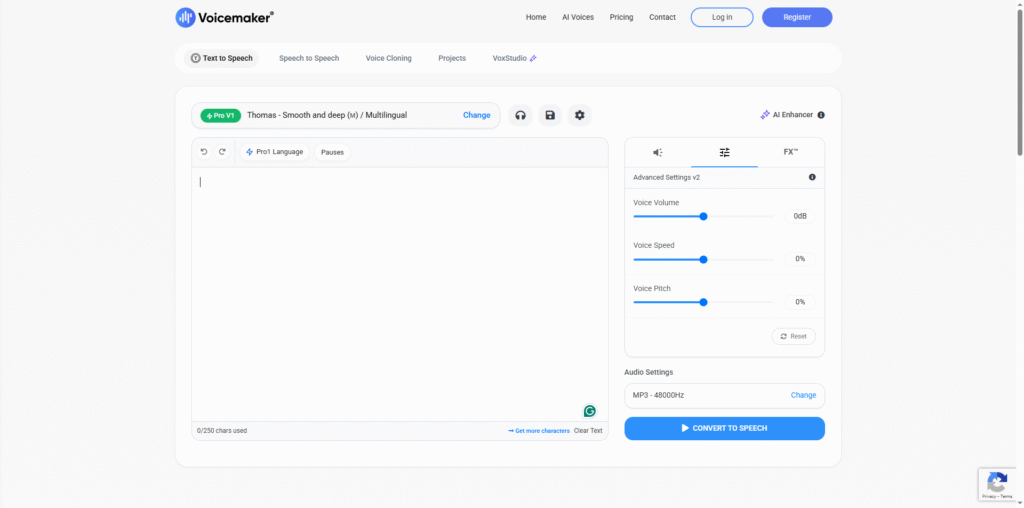
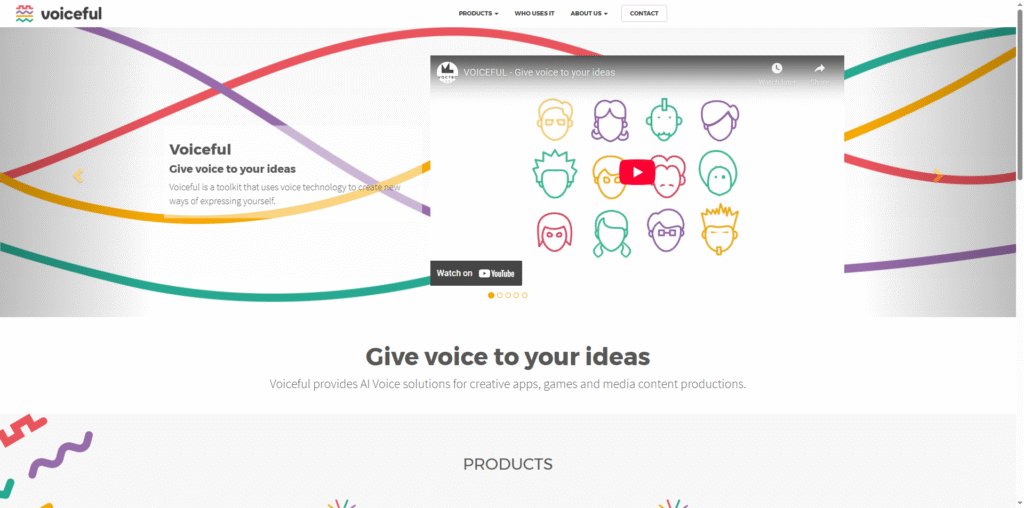
While Voicery is a leader in AI voice synthesis, several other platforms also offer advanced text-to-speech solutions. Below is a comparison table of notable alternatives:
| Tool Name | Description |
|---|---|
| Google Cloud Text-to-Speech | Powered by Google’s DeepMind WaveNet technology, this service delivers realistic voices and supports over 40 languages. |
| Microsoft Azure Speech | Offers neural TTS with customizable voice styles and integration across Microsoft’s AI ecosystem. |
| Amazon Polly | Provides lifelike speech synthesis with real-time streaming and extensive language support. |
| IBM Watson Text to Speech | Transforms text into natural audio using expressive voice models suitable for business and accessibility applications. |
| NaturalReader | A user-friendly tool for individuals and educators, offering realistic voices for reading documents and web pages aloud. |
The Future of AI Voice Technology
The future of AI-driven voice synthesis is poised for remarkable growth. As deep learning models continue to evolve, we can expect even more expressive and context-aware voices. Emerging research in emotional AI and multimodal learning will allow systems like Voicery to interpret not only text but also user intent and sentiment.
According to MarketsandMarkets, the TTS market is projected to reach USD 7.6 billion by 2028. This growth will be fueled by advancements in neural networks, real-time processing, and cross-platform integration. Moreover, ethical considerations—such as voice cloning consent and data privacy—will play a critical role in shaping the industry’s future.
Voicery’s continued innovation positions it well to lead this transformation. By focusing on authenticity and emotional resonance, it bridges the gap between human and machine communication, making technology more inclusive and relatable.
Conclusion
Voicery exemplifies the cutting edge of text-to-speech innovation, offering AI-generated voices that sound remarkably human. Its technology empowers businesses, educators, and developers to create more natural and engaging voice experiences across multiple domains. As the demand for lifelike digital voices continues to rise, Voicery’s commitment to realism and expressiveness sets it apart from conventional TTS systems.
With the rapid evolution of AI voice synthesis, the line between human and synthetic speech is becoming increasingly blurred. Whether for accessibility, entertainment, or automation, tools like Voicery are redefining how we interact with technology—making digital communication more personal, intuitive, and human than ever before.