


Outline
- Introduction
- What is Voicera.co?
- How Voicera.co Works
- Benefits of Using Voicera.co
- Practical Use Cases
- Top Alternatives to Voicera.co
- The Impact of Audio Content on Engagement
- Conclusion
Introduction
In the era of digital content, accessibility and engagement are key to reaching wider audiences. With the growing popularity of podcasts and voice-enabled technologies, transforming written content into audio has become a strategic move for content creators and publishers. Voicera.co is one of the emerging tools that bridges this gap by converting text-based content into natural-sounding audio, making blogs and articles more interactive and inclusive. This article explores how Voicera.co works, its benefits, real-world applications, and some noteworthy alternatives.
What is Voicera.co?
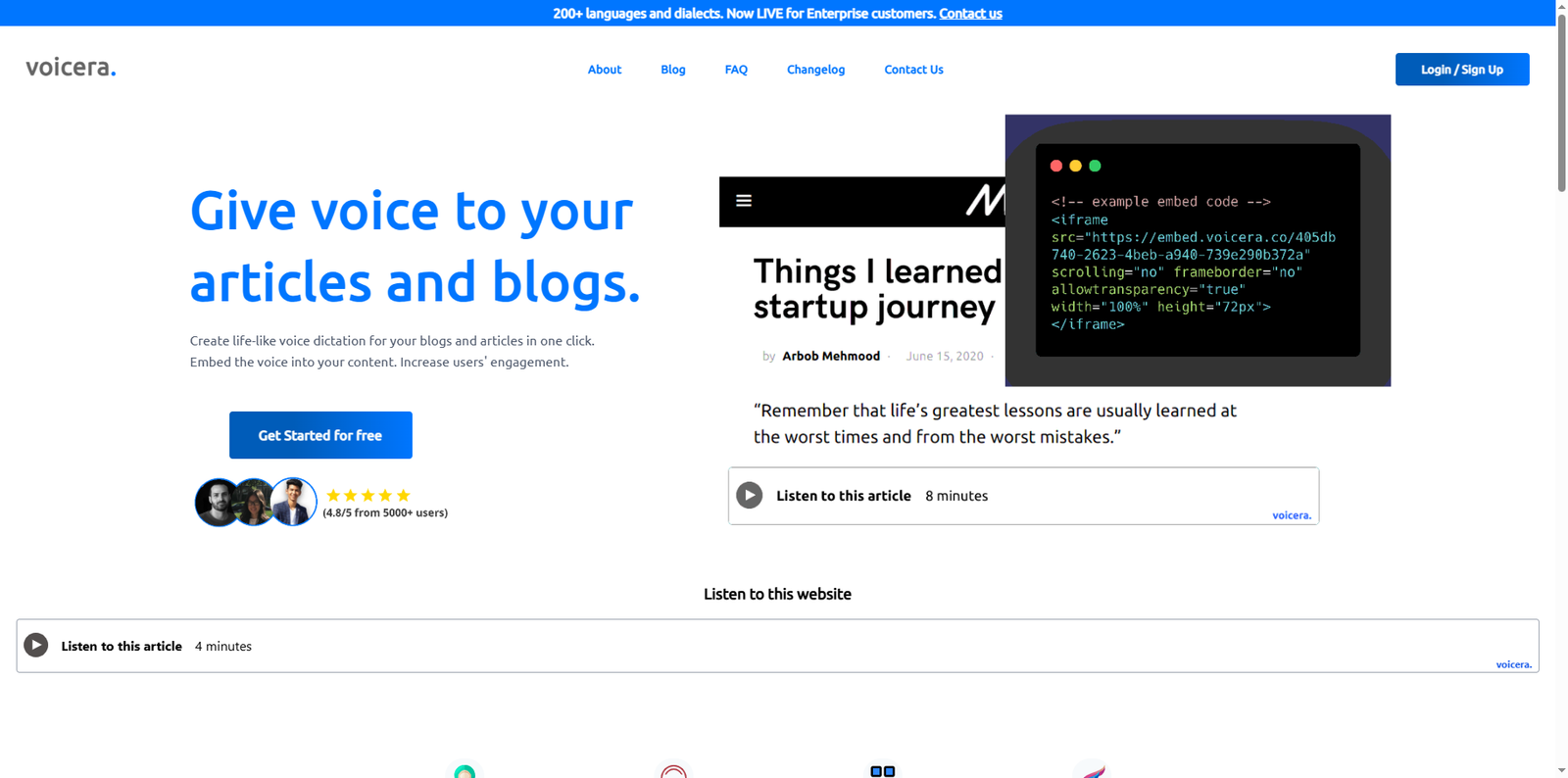
Voicera.co is a web-based platform designed to give voice to written content. It enables publishers, bloggers, and businesses to automatically generate audio versions of their articles using advanced text-to-speech (TTS) technology. The tool integrates seamlessly with websites, allowing visitors to listen to articles instead of reading them. This feature not only enhances accessibility for visually impaired users but also caters to multitaskers who prefer consuming content on the go.
According to data from Statista, the number of global podcast listeners surpassed 500 million in 2024, highlighting the growing appetite for audio content. Voicera.co taps into this trend by enabling publishers to deliver a similar auditory experience directly from their websites.
How Voicera.co Works
Voicera.co operates through a simple yet powerful process that involves integrating a small script into a website. Once installed, the platform automatically scans articles and generates high-quality audio versions using AI-driven voice synthesis. The voices are designed to sound natural and engaging, avoiding the robotic tone often associated with traditional TTS systems.
Step-by-Step Overview
- Integration: Users embed a lightweight code snippet into their website or content management system.
- Content Detection: The platform identifies text-based articles and prepares them for conversion.
- Audio Generation: Using AI models, Voicera.co converts the text into a lifelike voice output.
- Playback Widget: An audio player appears on the webpage, allowing visitors to play, pause, or skip through the narration.
This automated workflow ensures that every new article published on a site can instantly have an accompanying audio version, saving creators valuable time and effort.
Benefits of Using Voicera.co
Voicera.co offers several advantages for content creators, publishers, and readers alike. Below are some of the most notable benefits:
1. Enhanced Accessibility
By converting text into speech, Voicera.co makes written content accessible to individuals with visual impairments or reading difficulties. This aligns with the principles of inclusive design and helps websites comply with accessibility standards such as the WCAG.
2. Improved User Engagement
Audio content encourages longer on-site engagement. Visitors can listen to articles while performing other tasks, which reduces bounce rates and increases overall session duration. According to Edison Research, 73% of audio listeners multitask while consuming spoken content, demonstrating the convenience of this format.
3. Broader Audience Reach
Audio versions of articles can attract new audiences, including those who prefer listening over reading. This is particularly beneficial for mobile users and commuters who consume content during travel or workouts.
4. SEO and Content Longevity
Adding audio to articles can improve SEO performance. Search engines increasingly value multimedia content, and having an audio component can enhance dwell time and user satisfaction metrics. Moreover, repurposing written content into audio extends its lifespan across multiple platforms, including podcasts and social media snippets.
Practical Use Cases
Voicera.co can be applied across various industries and content types. Below are some common scenarios where it proves particularly effective:
- Blogging and Publishing: Bloggers can offer audio versions of their posts to cater to diverse audience preferences.
- News and Media Outlets: News organizations can provide narrated versions of articles for readers who prefer listening to daily updates.
- Corporate Communications: Businesses can use audio content for internal newsletters or public announcements.
- Educational Platforms: E-learning websites can enhance accessibility by offering narrated lessons and study materials.
- Marketing and Branding: Marketers can repurpose written campaigns into audio ads or promotional clips.
Top Alternatives to Voicera.co
While Voicera.co offers a unique and streamlined solution, several other tools provide similar text-to-speech and audio content generation capabilities. Below is a comparison table highlighting some popular alternatives:
| Tool Name | Description |
|---|---|
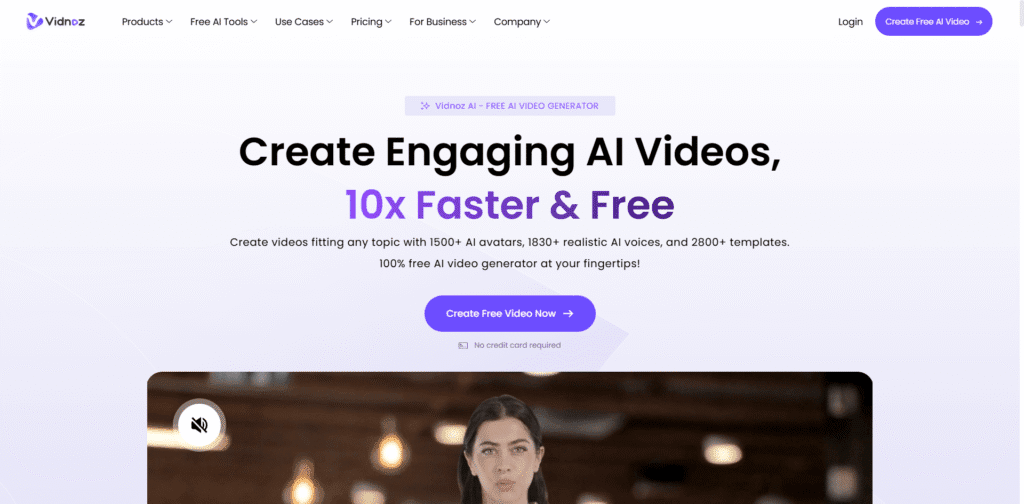
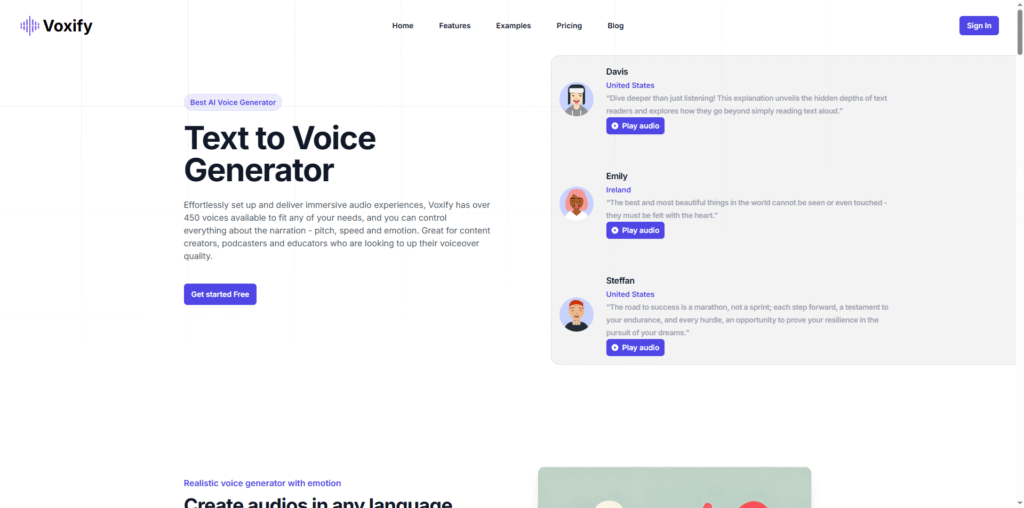
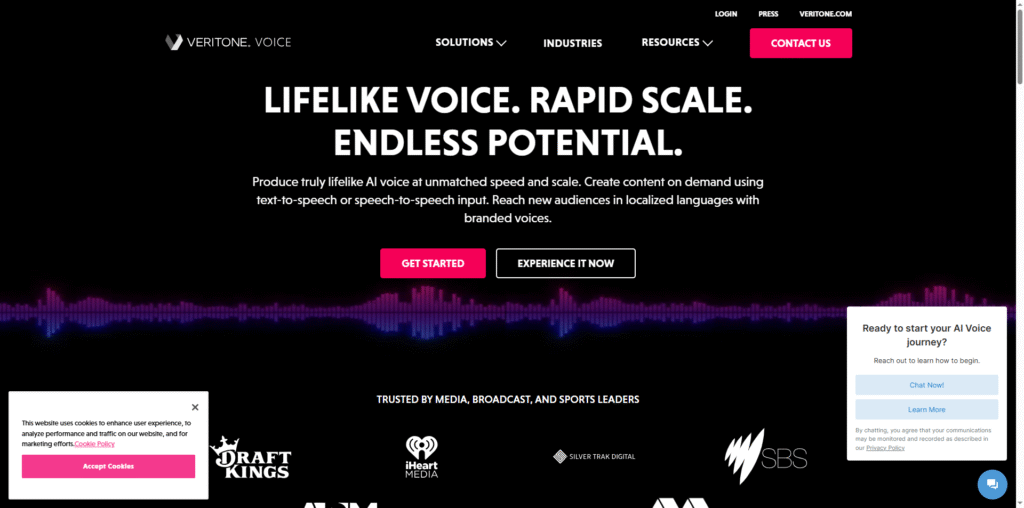
| Play.ht | Play.ht offers AI-powered voice generation for blogs, podcasts, and videos, supporting multiple languages and voice styles. |
| Respeecher | Respeecher specializes in high-quality voice cloning for media production, enabling creators to replicate voices ethically. |
| Speechelo | Speechelo provides a simple interface for converting scripts into realistic voiceovers suitable for video narration. |
| LOVO AI | LOVO AI is a voiceover platform that uses neural networks to produce human-like voices for marketing and e-learning content. |
| Murf AI | Murf AI allows users to create studio-quality voiceovers with customizable tones and accents for professional presentations. |
The Impact of Audio Content on Engagement
The shift toward audio-driven experiences is reshaping how audiences interact with digital content. According to Pew Research, over 42% of U.S. adults listen to podcasts monthly, a figure that continues to rise annually. This trend underscores the growing preference for auditory learning and entertainment.
By integrating tools like Voicera.co, publishers can capitalize on this momentum. Audio content not only enhances accessibility but also fosters emotional connection. The human voice conveys tone, emphasis, and personality—elements that text alone cannot fully express. As a result, listeners are more likely to retain information and form stronger associations with the brand or author.
Moreover, audio integration supports omnichannel marketing strategies. Content that begins as a written article can be transformed into a podcast episode, a YouTube narration, or a social media clip, maximizing its reach and impact. This versatility makes TTS technology an essential component of modern content ecosystems.
Conclusion
Voicera.co represents a forward-thinking approach to content accessibility and engagement. By converting written material into natural-sounding audio, it empowers creators to reach broader audiences, enhance user experience, and stay ahead in the evolving digital landscape. As consumers increasingly favor audio formats, integrating such technology becomes not just an option but a necessity for sustainable growth. Whether you are a blogger, educator, or business owner, embracing tools like Voicera.co can transform how your audience experiences your content—making it more inclusive, dynamic, and memorable.