





Outline
- Introduction
- What is Voicebot.ai?
- The Evolution of Voice Technology
- Impact on Industries
- AI Trends and Developments
- Alternatives to Voicebot.ai
- The Future of Conversational AI
- Conclusion
Introduction
In the rapidly evolving world of artificial intelligence, few platforms have become as influential in documenting and analyzing the rise of voice technology as Voicebot.ai. As a leading publication dedicated to conversational AI, it provides in-depth insights into how voice assistants, chatbots, and generative AI are transforming industries. According to data from Statista, the global voice recognition market is projected to surpass $50 billion by 2030, highlighting the growing importance of voice-driven interfaces. Voicebot.ai plays a crucial role in tracking these developments, offering professionals and enthusiasts a reliable source for news, research, and analysis.
What is Voicebot.ai?
Voicebot.ai is a digital media platform that focuses on the intersection of voice technology, artificial intelligence, and human-computer interaction. Founded to provide comprehensive coverage of the voice-first revolution, it publishes research reports, trend analyses, and interviews with industry leaders. The platform has become a go-to resource for understanding how companies like Apple, Amazon, and Google are integrating conversational AI into their ecosystems.
For instance, in June 2024, Voicebot.ai reported on Apple’s introduction of Apple Intelligence, a generative AI system embedded across iPhone, iPad, and Mac devices. This development underscores how major tech companies are prioritizing voice and AI integration to enhance user experiences. Voicebot.ai’s coverage of such advancements helps readers grasp the broader implications of these innovations.
The Evolution of Voice Technology
Voice technology has evolved dramatically over the past decade. Early systems like IVR (Interactive Voice Response) were limited to predefined commands. Today, natural language processing (NLP) and machine learning have enabled systems to understand context, emotion, and intent. Voicebot.ai has chronicled this transformation, offering data-driven insights into adoption trends and consumer behavior.
Key Milestones in Voice AI
- 2011: Apple introduced Siri, marking the mainstream debut of voice assistants.
- 2014: Amazon launched Alexa, revolutionizing smart home interactions.
- 2016: Google Assistant expanded voice AI into Android ecosystems.
- 2020s: Generative AI models began enabling more human-like conversations.
According to Voicebot.ai’s research, over 150 million smart speakers were in use in the U.S. by 2023, with adoption continuing to rise globally. This growth reflects a shift toward hands-free, conversational computing.
Impact on Industries
Voice technology is not just a consumer convenience—it’s reshaping entire industries. From healthcare to retail, businesses are leveraging conversational AI to improve efficiency and engagement.
Healthcare
In healthcare, voice assistants are being used for patient triage, appointment scheduling, and even monitoring chronic conditions. Voicebot.ai has highlighted how hospitals are integrating AI-driven voice systems to reduce administrative burdens and enhance patient care.
Retail and E-commerce
Retailers are adopting voice commerce to streamline shopping experiences. Consumers can now reorder products or check delivery statuses using voice commands. According to a Voicebot.ai report, 31% of U.S. adults have used voice assistants for shopping-related tasks, signaling a major shift in consumer behavior.
Automotive
Automakers are embedding voice assistants into vehicles to improve safety and convenience. Voicebot.ai’s coverage of in-car AI systems shows how brands like BMW and Mercedes-Benz are using conversational AI to create more intuitive driving experiences.
AI Trends and Developments
Voicebot.ai’s editorial team frequently explores emerging trends in AI, from generative models to multimodal systems. The rise of large language models (LLMs) such as GPT-4 and Gemini has accelerated the integration of conversational AI across platforms. These technologies enable more natural dialogue, improved contextual understanding, and personalized responses.
Generative AI Integration
Generative AI is redefining how voice systems operate. Instead of relying solely on scripted responses, new models can generate dynamic, context-aware replies. This shift allows for more fluid and human-like interactions, which Voicebot.ai identifies as a key driver of the next phase of AI adoption.
Ethical and Privacy Considerations
As AI becomes more pervasive, ethical concerns are gaining attention. Voicebot.ai has discussed topics such as data privacy, consent, and algorithmic bias. Users increasingly demand transparency about how their voice data is collected and used. Companies are responding by implementing stricter data governance and anonymization protocols.
Integration with Other Technologies
Voice AI is merging with other technologies like augmented reality (AR) and the Internet of Things (IoT). This convergence enables seamless, multimodal experiences where users can interact with devices through voice, gesture, and visual cues. Voicebot.ai’s analysis suggests that this integration will define the next generation of digital interfaces.
Alternatives to Voicebot.ai
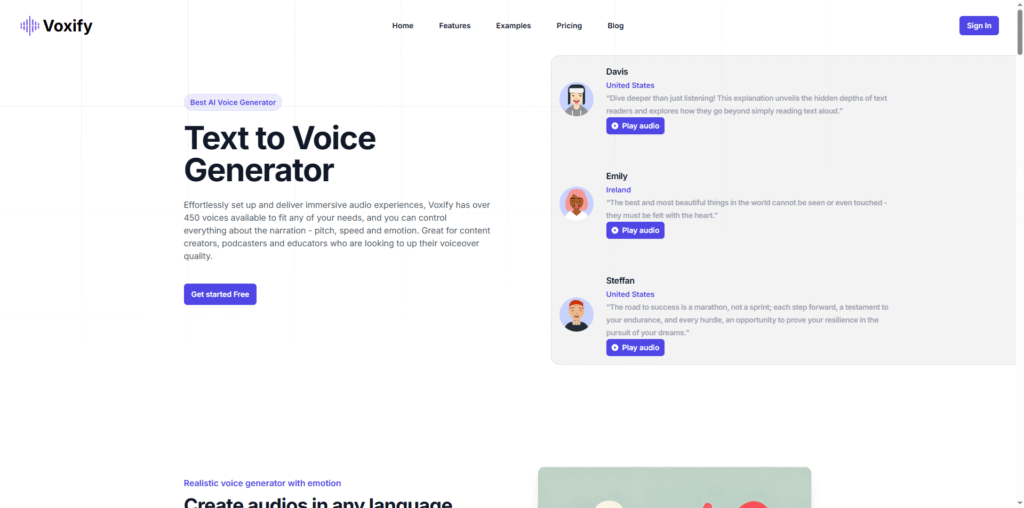
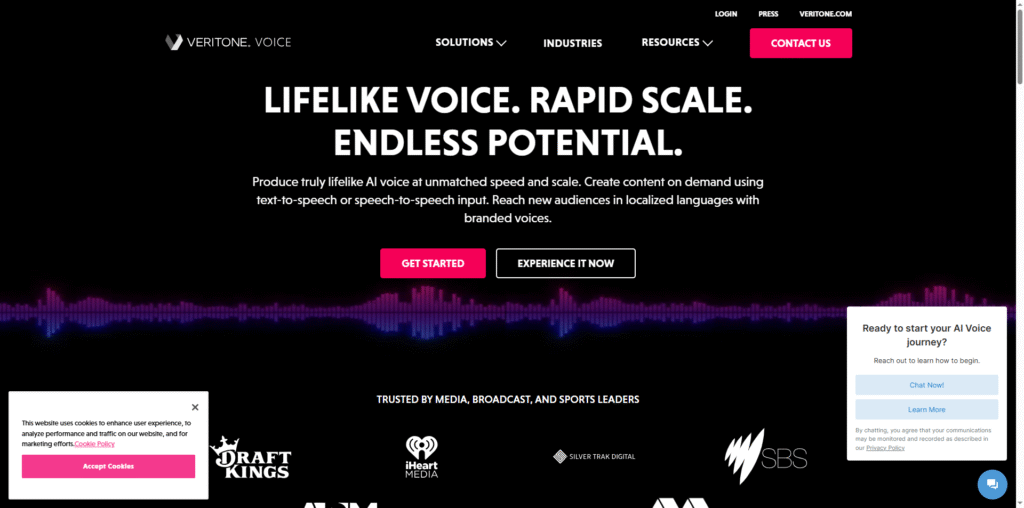
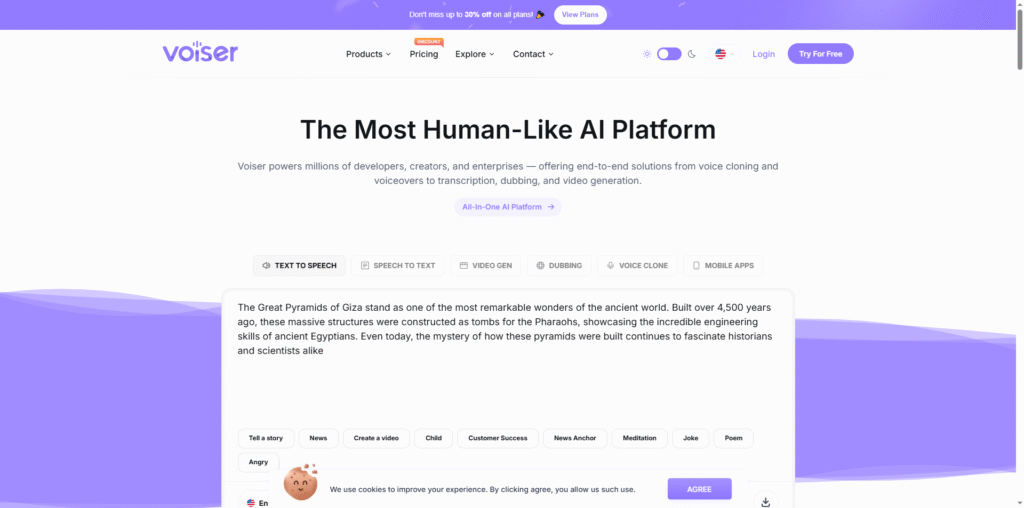
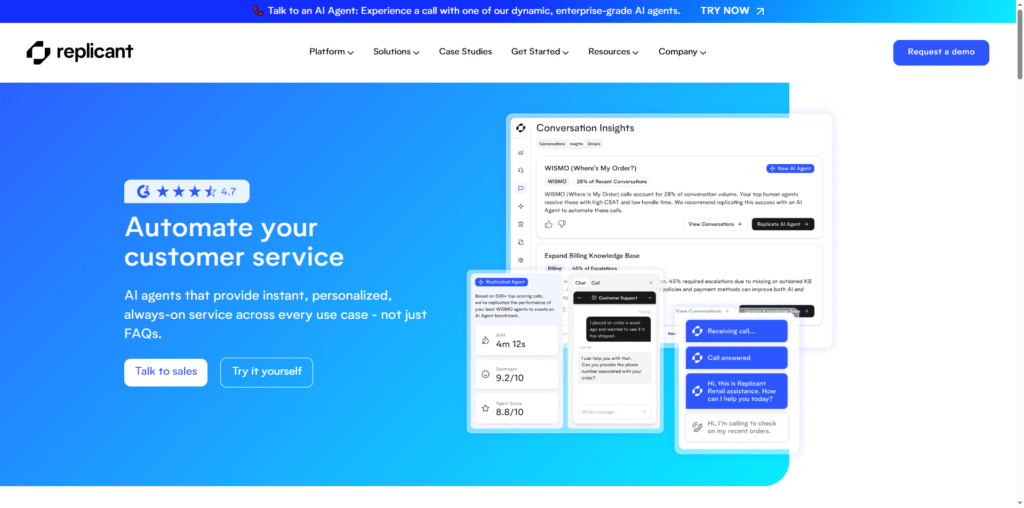
While Voicebot.ai is a leading source for voice technology insights, several other platforms and tools offer valuable perspectives on AI and conversational systems. Below is a table listing some noteworthy alternatives that professionals can explore for complementary insights.
| Alternative Tool | Description |
|---|---|
| Voiceflow | A collaborative platform for designing, prototyping, and testing conversational AI experiences. |
| ChatBot | An intuitive tool for building AI-driven chatbots that automate customer interactions across channels. |
| Convai | Provides tools for creating intelligent virtual characters and voice-enabled experiences for gaming and education. |
| Resemble AI | Specializes in AI voice cloning and synthetic speech generation for creative and enterprise applications. |
| Dialogflow | Google’s conversational AI development suite for building chat and voice interfaces across platforms. |
The Future of Conversational AI
The future of conversational AI is poised to be more immersive, intelligent, and integrated than ever before. Voicebot.ai’s ongoing research indicates that the next wave of innovation will focus on personalization, emotional intelligence, and multimodal interaction. As AI models become more sophisticated, they will be able to adapt dynamically to user preferences and emotional cues.
Moreover, the integration of AI into everyday devices—from wearables to home automation systems—will make voice interfaces ubiquitous. According to a 2024 report by Juniper Research, the number of voice assistants in use worldwide is expected to reach 8.4 billion by 2027, exceeding the global population. This statistic underscores the transformative potential of conversational AI in shaping how humans interact with technology.
Voicebot.ai’s role in documenting these changes ensures that businesses, developers, and consumers remain informed about the latest advancements. By analyzing trends, publishing data-driven reports, and interviewing key innovators, the platform continues to serve as a vital hub for the AI community.
Conclusion
Voicebot.ai stands at the forefront of the conversational AI revolution, offering invaluable insights into how voice technology is reshaping industries and daily life. Its coverage of developments like Apple’s generative AI initiatives and the broader evolution of voice interfaces provides readers with a comprehensive understanding of where the field is heading. As voice and AI technologies continue to converge, platforms like Voicebot.ai will remain essential for tracking innovation, understanding market dynamics, and anticipating future trends. Whether you’re a developer, business leader, or technology enthusiast, staying informed through such resources is key to navigating the ever-changing landscape of artificial intelligence and voice interaction.