



Outline
- Introduction
- What is Voice.ai?
- How Voice.ai Works
- Applications of Voice.ai
- Benefits of Using Voice.ai
- Top Alternatives to Voice.ai
- The Future of AI Voice Technology
- Conclusion
Introduction
Artificial intelligence has revolutionized how humans interact with technology, and one of the most fascinating advancements is the rise of AI-powered voice systems. Among the leading innovators in this field is Voice.ai, a platform that enables realistic voice cloning, text-to-speech, and AI-driven voice agents. As businesses and creators increasingly rely on voice interfaces, Voice.ai stands out for its ability to generate human-like voices that can engage users naturally and effectively.
According to a 2023 report by Grand View Research, the global speech and voice recognition market is projected to reach over USD 50 billion by 2030, growing at a CAGR of more than 14%. This surge is largely driven by the demand for conversational AI, digital assistants, and voice automation tools like Voice.ai.
What is Voice.ai?
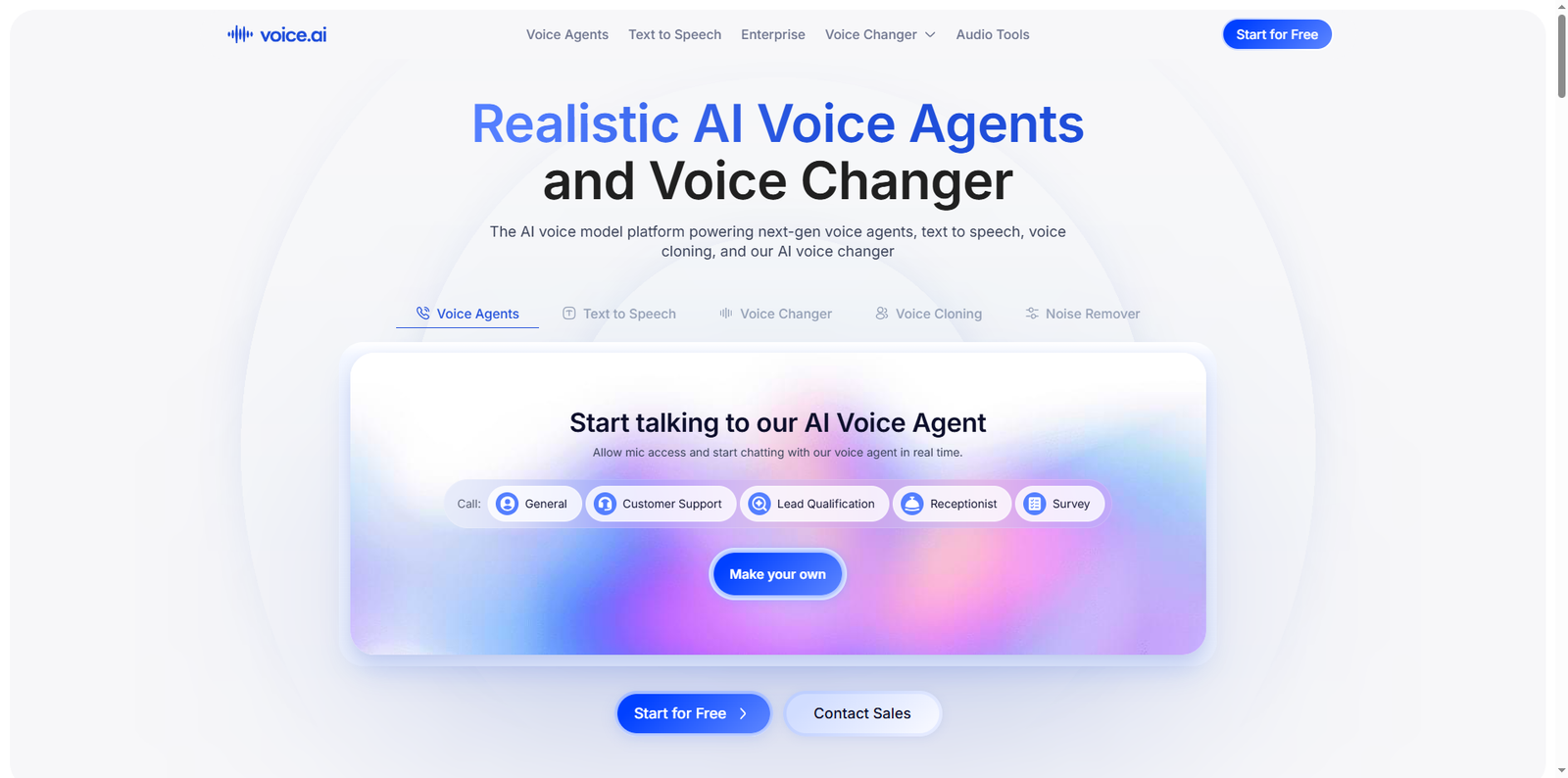
Voice.ai is an advanced AI platform designed to create, modify, and deploy synthetic voices that sound remarkably human. It offers a suite of tools including:
- AI Voice Agents – Intelligent agents capable of handling inbound and outbound calls, customer support, and lead qualification.
- Text-to-Speech (TTS) – Converts written text into lifelike audio in multiple languages and accents.
- Voice Cloning – Allows users to replicate any voice with high fidelity while maintaining natural tone and emotion.
- Noise Remover – Enhances audio clarity by eliminating background noise during voice generation or live calls.
Unlike traditional voice synthesis systems, Voice.ai uses deep learning and neural networks to analyze speech patterns, intonation, and emotional cues, resulting in voices that are nearly indistinguishable from real human speech.
How Voice.ai Works
Voice.ai operates through a combination of machine learning models and natural language processing (NLP) algorithms. The system learns from thousands of hours of recorded speech to understand how humans express tone, rhythm, and emotion. This data is then used to generate synthetic voices that can adapt to different contexts and languages.
1. Data Collection and Training
The platform trains its models using large datasets of human speech. Each voice sample is analyzed for pitch, phoneme structure, and emotional variance. The AI then learns to replicate these nuances to produce natural-sounding voices.
2. Neural Voice Synthesis
Voice.ai employs deep neural networks similar to those used in advanced text-to-speech systems. These models convert textual input into speech waveforms, ensuring smooth transitions and realistic articulation.
3. Real-Time Processing
One of the standout features of Voice.ai is its ability to generate voices in real time. This makes it ideal for live applications such as virtual assistants, gaming, and customer service bots.
Applications of Voice.ai
Voice.ai’s versatility makes it applicable across multiple industries. Below are some of the most impactful use cases:
1. Customer Support and Sales
AI voice agents can handle repetitive customer inquiries, schedule appointments, and even qualify leads. This automation reduces operational costs and ensures 24/7 availability.
2. Content Creation and Media
Creators use Voice.ai for podcasts, audiobooks, and video narration. The ability to generate voices in different accents and tones allows for greater creative flexibility.
3. Gaming and Entertainment
Game developers integrate Voice.ai to create dynamic character dialogues. Players can interact with AI-driven characters that respond naturally, enhancing immersion.
4. Accessibility and Education
Voice.ai supports accessibility by providing lifelike voiceovers for visually impaired users. In education, it helps generate multilingual learning materials, improving global reach.
5. Business Communication
Enterprises use Voice.ai to automate internal communication, voicemail systems, and virtual receptionists. Its integration with platforms like Salesforce, HubSpot, and Slack ensures seamless workflow management.
Benefits of Using Voice.ai
Voice.ai offers numerous advantages that make it a preferred choice for businesses and developers:
- Human-Like Interaction: Voices generated by the platform sound authentic and emotionally expressive.
- Scalability: The system can handle large-scale deployments, from startups to enterprise-level operations.
- Multilingual Support: Voice.ai supports over 15 languages, enabling global communication.
- Compliance and Security: It adheres to GDPR, SOC 2, and HIPAA standards, ensuring data protection.
- Integration Flexibility: APIs and SDKs allow developers to embed voice capabilities into any application.
Top Alternatives to Voice.ai
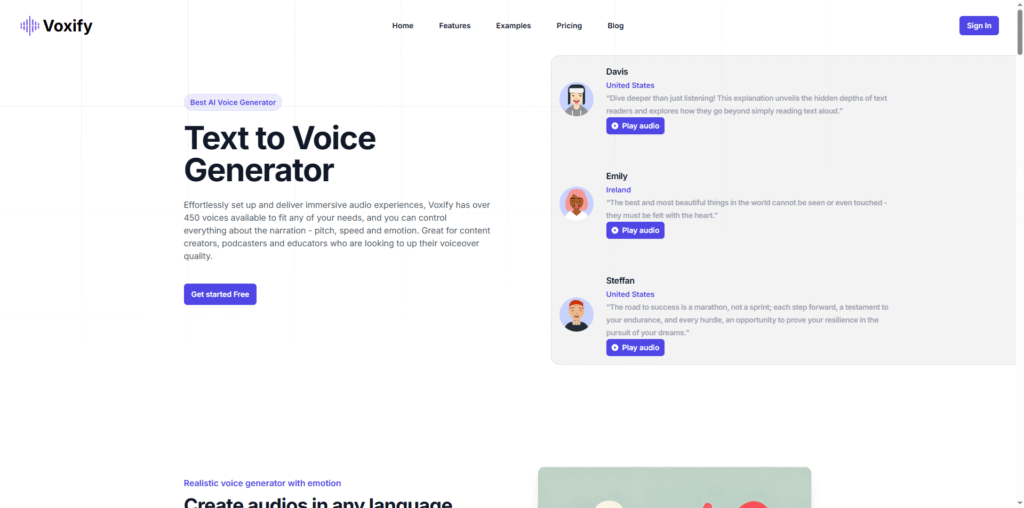
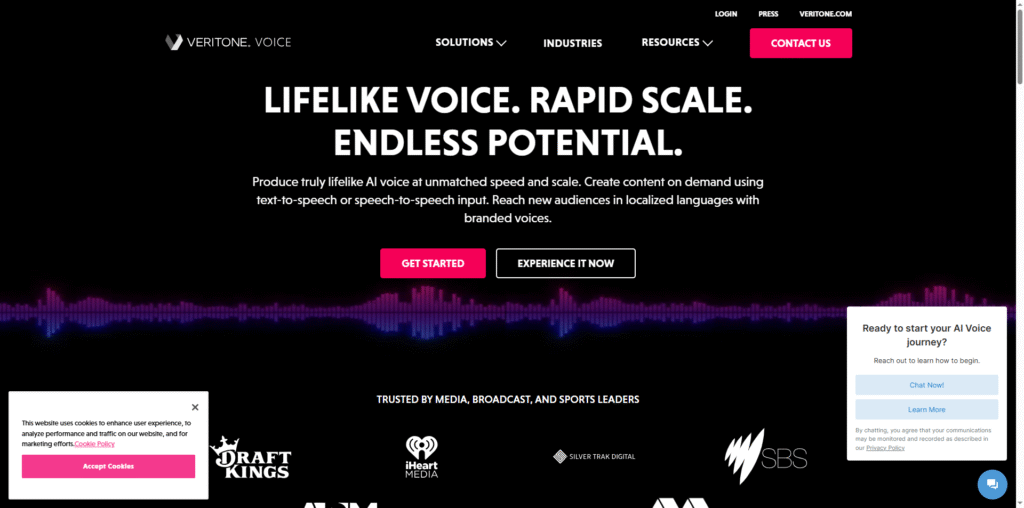
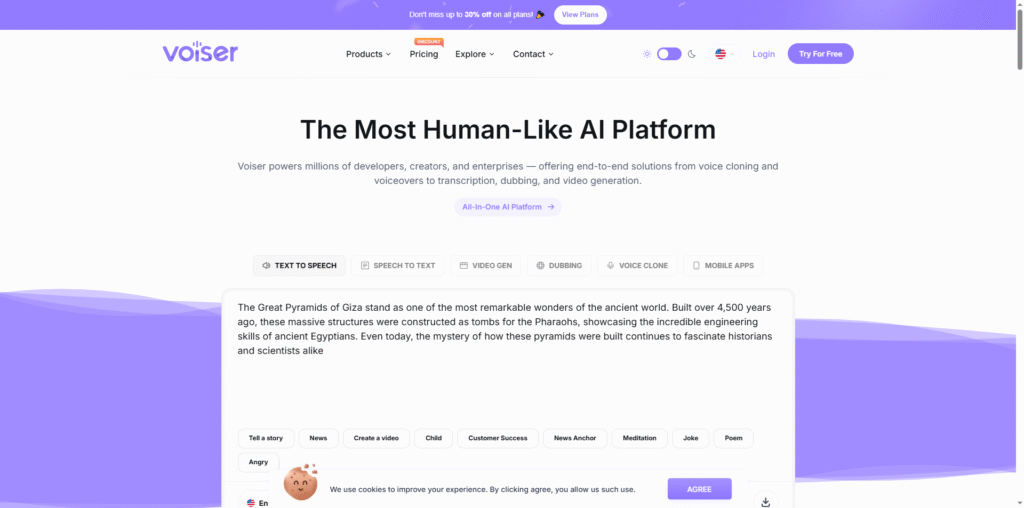
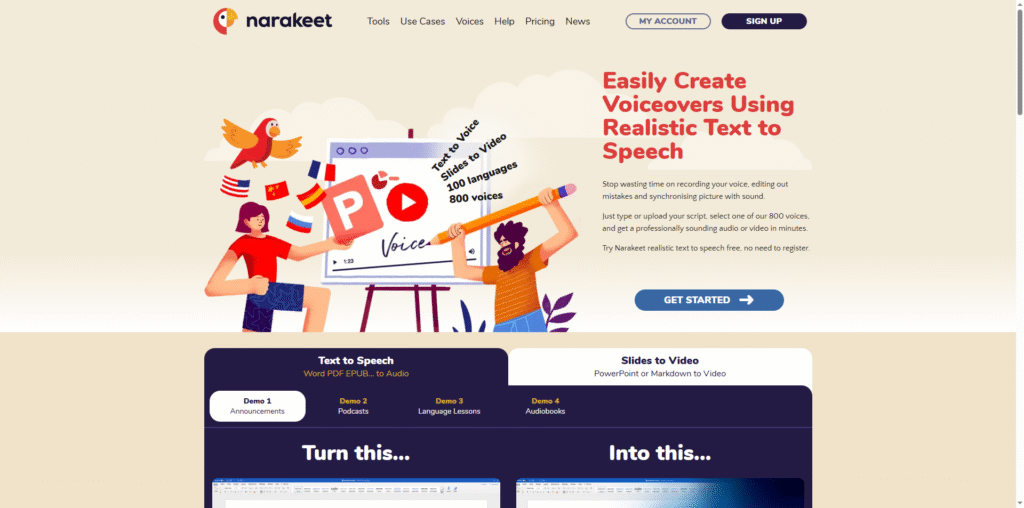
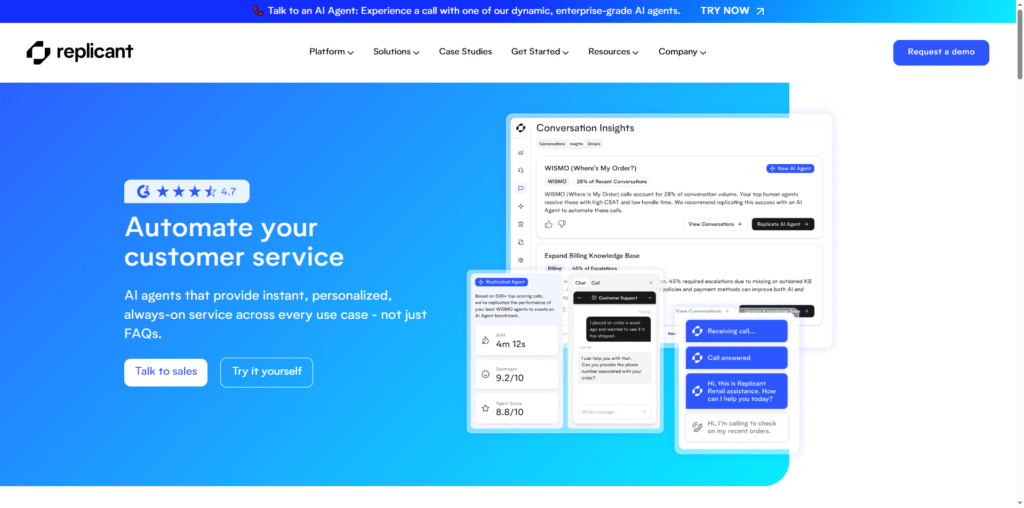
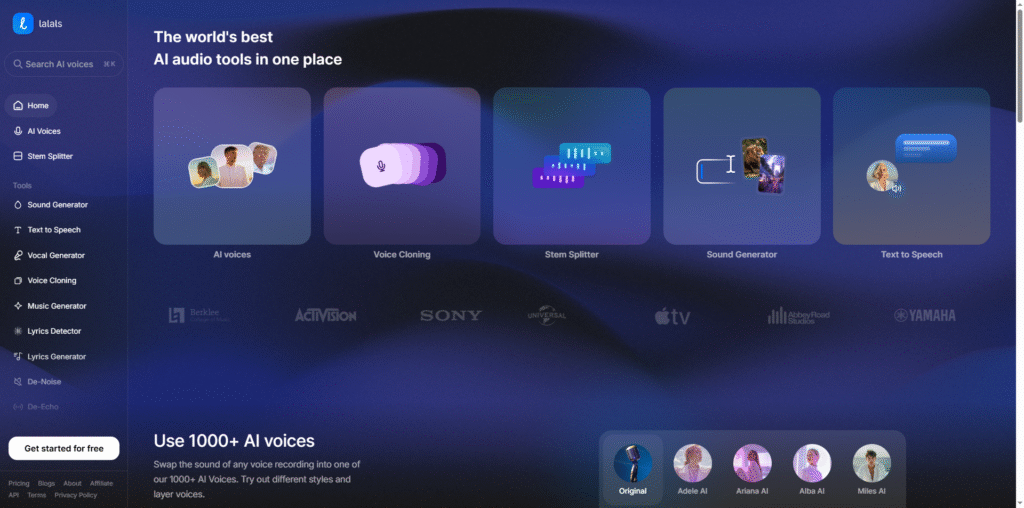
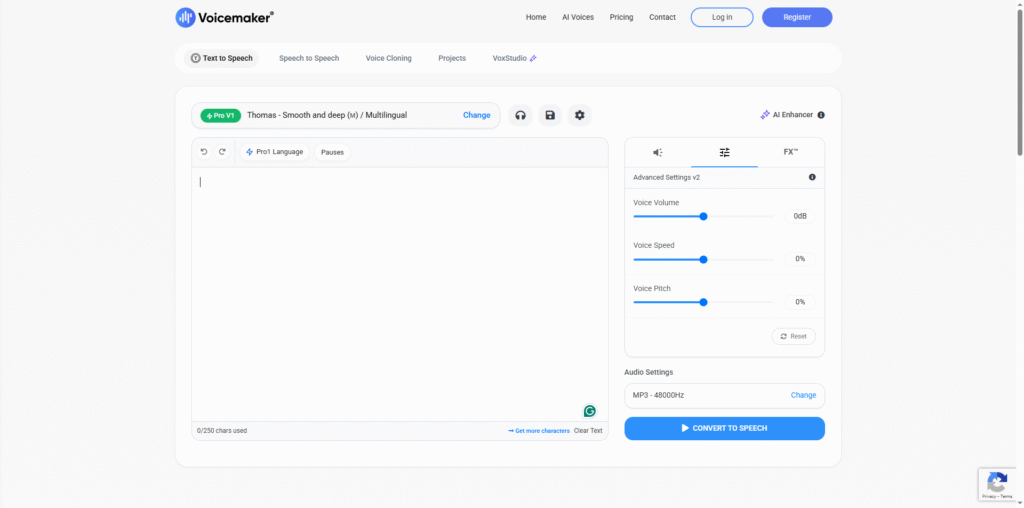
While Voice.ai is a powerful solution, several other platforms also offer advanced AI voice capabilities. Below is a comparison of some popular alternatives:
| Tool Name | Description |
|---|---|
| Descript | A versatile audio and video editing platform featuring Overdub, an AI voice cloning tool for content creators. |
| Speechify | Known for its natural-sounding text-to-speech engine, Speechify helps users convert written content into engaging audio. |
| Play.ht | Provides realistic voice generation for podcasts, videos, and e-learning materials with multilingual support. |
| Respeecher | Specializes in high-quality voice cloning for film, TV, and game production, ensuring ethical voice replication. |
| Murf.ai | Offers AI voiceovers for business presentations, training videos, and advertisements with customizable tones. |
The Future of AI Voice Technology
The future of AI voice technology is poised for exponential growth. As machine learning models become more sophisticated, we can expect even greater realism and emotional intelligence in synthetic voices. According to Statista, the number of voice assistant users worldwide is expected to surpass 8.4 billion by 2024, indicating that voice interfaces will soon outnumber the global population.
Emerging trends include emotion-aware voice synthesis, personalized voice branding, and cross-language voice translation. Companies are also exploring ethical frameworks to ensure responsible use of voice cloning, preventing misuse such as deepfake audio manipulation.
Voice.ai is at the forefront of this evolution, continuously refining its algorithms to deliver more expressive and context-aware voices. Its integration with enterprise systems and compliance with data privacy laws make it a reliable choice for organizations looking to adopt AI-driven communication tools.
Conclusion
Voice.ai represents a major leap forward in the field of artificial intelligence and voice technology. By combining deep learning, natural language processing, and real-time synthesis, it enables seamless human-computer interaction across industries. Whether used for customer engagement, content creation, or accessibility, Voice.ai empowers users to communicate more effectively and creatively.
As the demand for lifelike digital voices continues to rise, platforms like Voice.ai will play a pivotal role in shaping the future of communication. For businesses and developers seeking innovative voice solutions, embracing AI voice technology is no longer optional—it’s essential for staying competitive in a rapidly evolving digital landscape.