



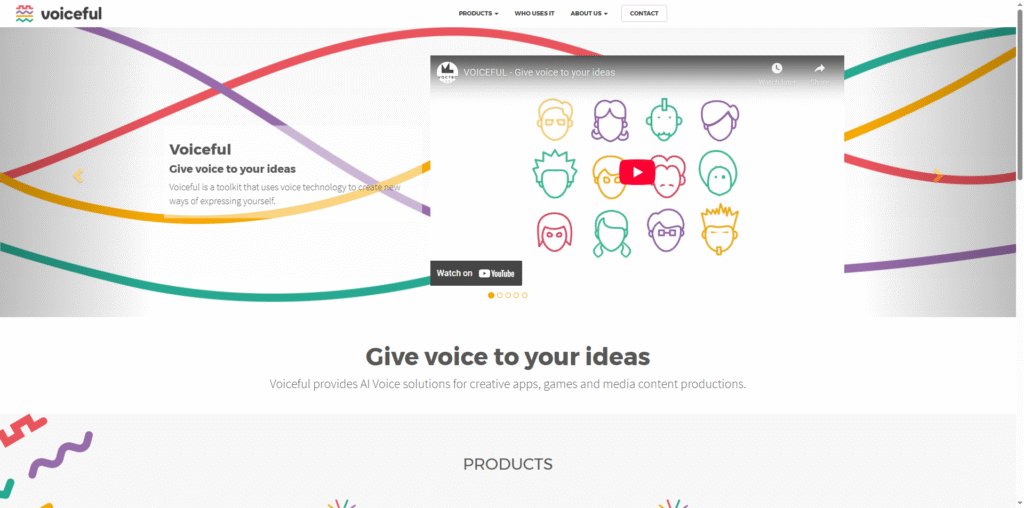
In the rapidly evolving world of artificial intelligence, VocaliD.ai stands out as a pioneer in creating lifelike synthetic voices that bridge the gap between human expression and digital communication. This article explores how VocaliD.ai is reshaping industries through advanced voice synthesis, its real-world applications, and how it compares with alternative tools in the market.
Outline
- Introduction
- How VocaliD.ai Works
- Applications Across Industries
- The Technology Behind VocaliD.ai
- Top Alternatives to VocaliD.ai
- Benefits of Using AI Voice Solutions
- The Future of Synthetic Voice
- Conclusion
Introduction
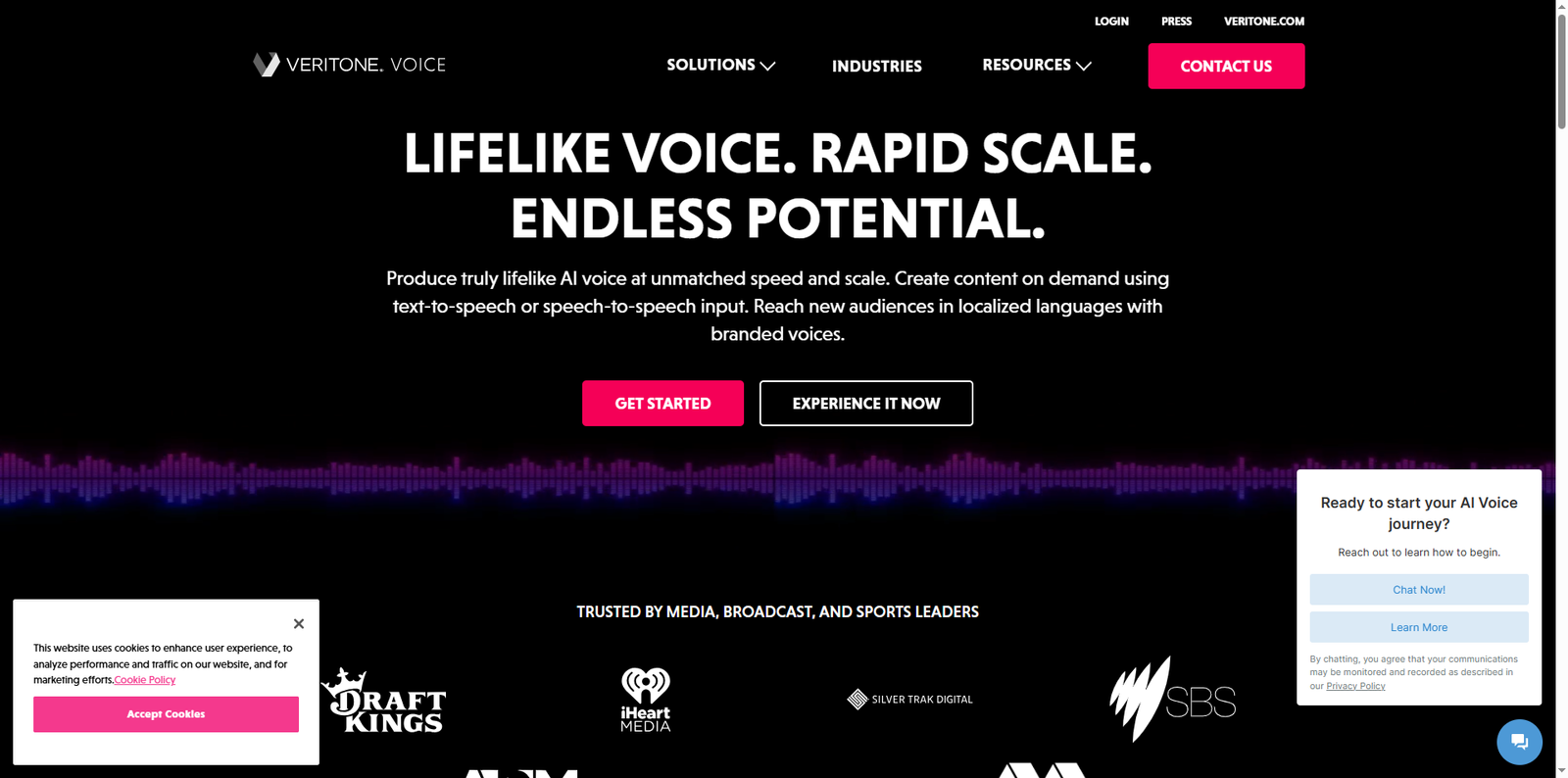
Founded with a mission to humanize digital voices, VocaliD.ai has become a trusted partner for enterprises seeking to enhance their communication strategies using artificial intelligence. The platform enables users to generate custom AI voices that sound remarkably human, offering solutions for media, broadcasting, eLearning, and more. According to Veritone, its parent company, VocaliD.ai leverages advanced deep learning models to produce voices that are not only realistic but also emotionally expressive.
In a world where personalization is key, VocaliD.ai empowers brands to create unique voice identities that resonate with their audiences. Whether it’s for podcasts, audiobooks, or corporate training, the platform ensures that every voice captures the intended tone and emotion.
How VocaliD.ai Works
VocaliD.ai operates on a sophisticated AI-driven framework that combines text-to-speech (TTS) and speech-to-speech (STS) technologies. These systems allow users to either generate speech from written text or transform existing speech samples into new voices.
Step-by-Step Overview
- Voice Data Collection: Users provide voice samples or select from VocaliD.ai’s extensive library of stock and premium voices.
- AI Model Training: The system uses deep neural networks to analyze speech patterns, tone, and inflection.
- Voice Generation: The trained model produces synthetic voices that can be used in real-time applications or pre-recorded content.
- Integration: Through its API, VocaliD.ai integrates seamlessly into enterprise workflows, enabling automation at scale.
With over 300 stock voices and 70 premium options in more than 150 languages, VocaliD.ai offers unmatched flexibility for global communication.
Applications Across Industries
VocaliD.ai’s versatility extends across multiple sectors, helping organizations streamline operations and enhance user engagement. Below are some of the key industries benefiting from this technology:
1. Media and Broadcasting
Media companies use VocaliD.ai to automate voiceovers, generate multilingual content, and maintain consistent brand voices across platforms. This reduces production time and costs while ensuring professional-quality output.
2. eLearning and Training
Educational institutions and corporate training departments leverage AI voices to create engaging, accessible learning materials. The ability to localize content in multiple languages ensures inclusivity and global reach.
3. Audiobooks and Podcasts
Authors and podcasters can produce high-quality audio content without the need for studio sessions. VocaliD.ai’s lifelike voices replicate human narration, making storytelling more immersive.
4. Corporate Communications
Businesses use VocaliD.ai to personalize internal communications, announcements, and automated customer interactions, enhancing brand consistency and professionalism.
5. Film, TV, and Sports
From dubbing to commentary, VocaliD.ai enables production teams to generate voiceovers quickly and efficiently, even replicating the voices of public figures with proper consent.
The Technology Behind VocaliD.ai
At the core of VocaliD.ai’s innovation lies its integration of deep learning, natural language processing (NLP), and speech synthesis. The platform’s models are trained on vast datasets of human speech, allowing them to capture subtle nuances like pitch, rhythm, and emotion.
Key Technological Components
- Neural Voice Cloning: Enables the creation of custom voices that mirror a specific individual’s speech characteristics.
- Real-Time Voice API: Allows developers to integrate voice synthesis directly into applications for instant playback.
- Localization Engine: Supports translation and adaptation into over 150 languages and dialects.
- Enterprise Workflow Automation: Streamlines large-scale voice production for organizations.
According to a 2023 report by Grand View Research, the global text-to-speech market is projected to reach USD 12.5 billion by 2030, growing at a CAGR of 14.6%. Tools like VocaliD.ai are driving this growth by offering scalable, high-quality voice solutions for businesses worldwide.
Top Alternatives to VocaliD.ai
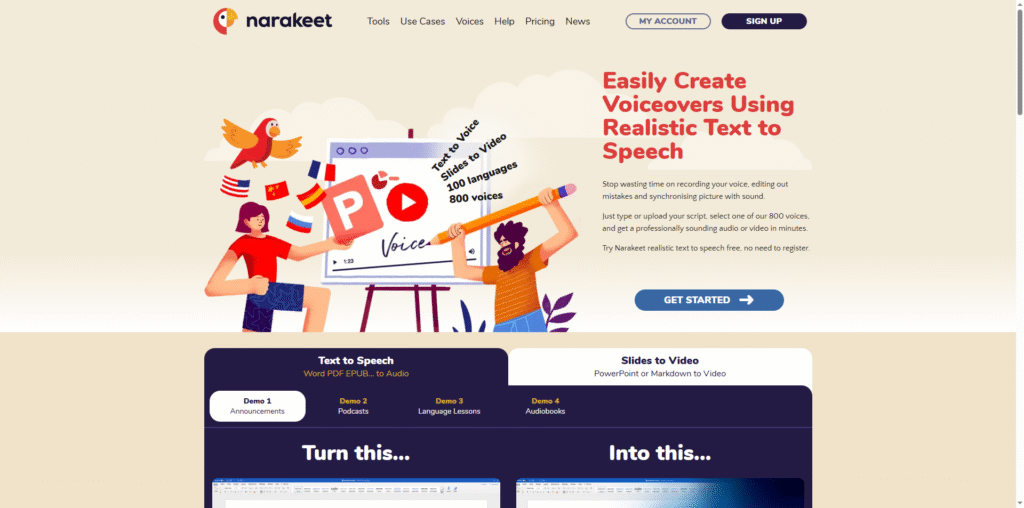
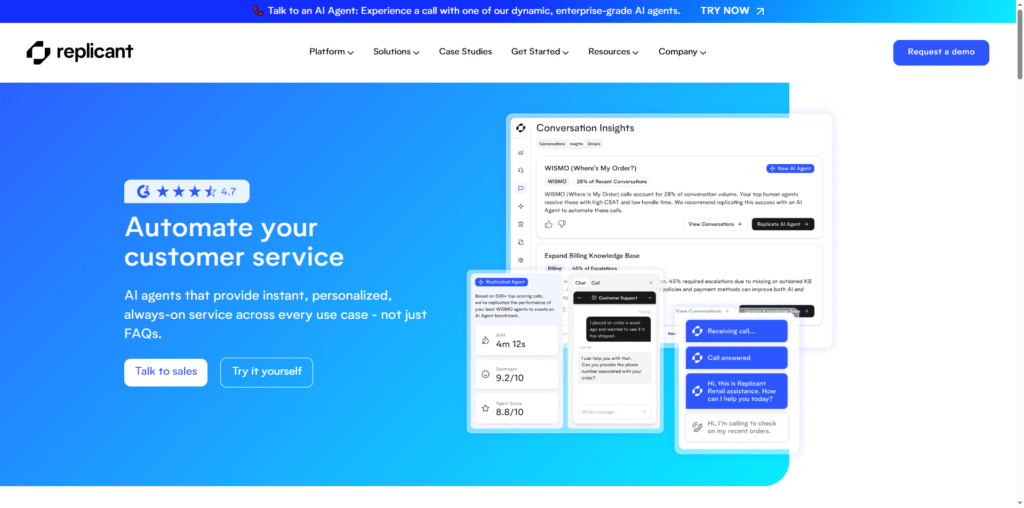
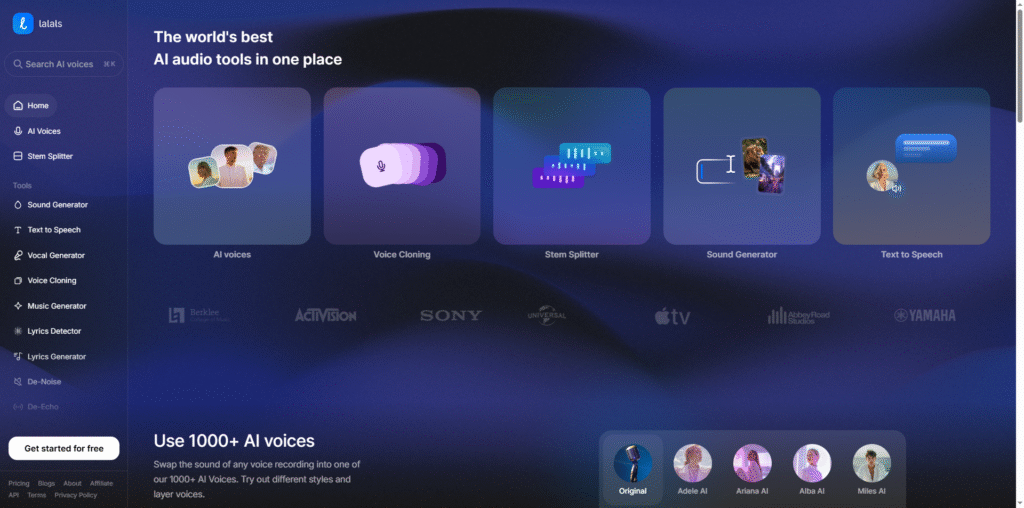
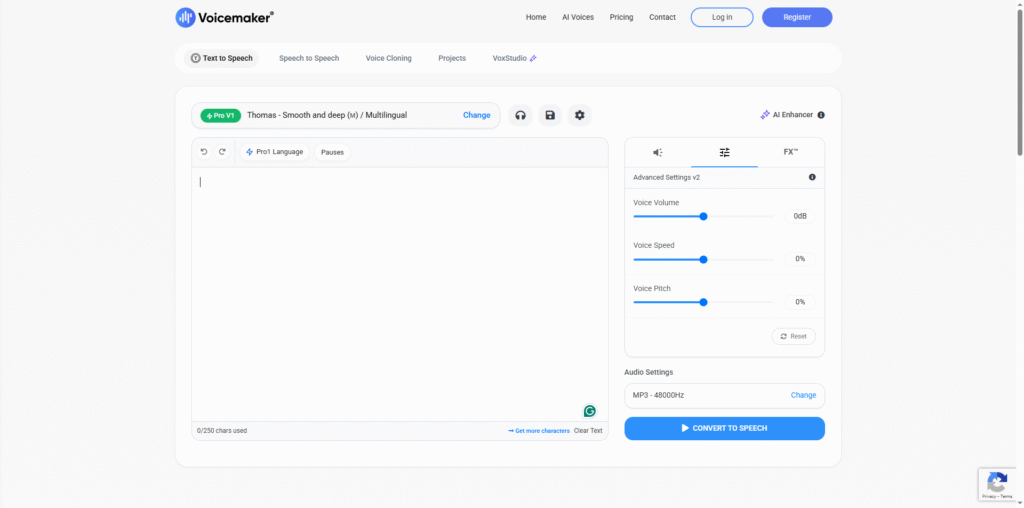
While VocaliD.ai is a leader in synthetic voice technology, several other platforms offer competitive solutions. Below is a comparison of some notable alternatives:
| Tool Name | Description |
|---|---|
| Descript Overdub | Allows users to clone their voice and generate speech for podcasts, videos, and other media projects. |
| Respeecher | Focuses on high-quality voice cloning for film, TV, and gaming industries, enabling realistic dubbing and localization. |
| Speechify | Offers AI-powered text-to-speech for reading and productivity, ideal for students and professionals. |
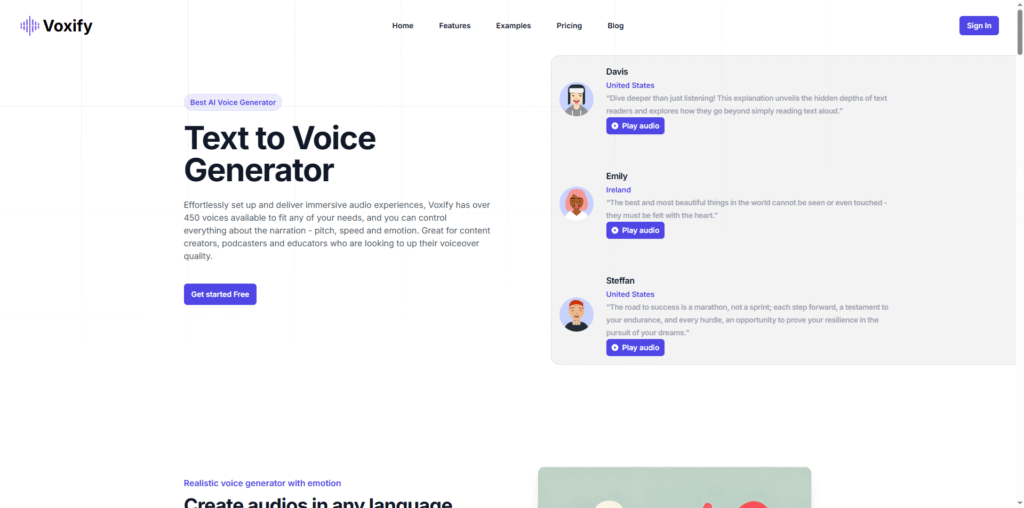
| Play.ht | Provides realistic AI voices for content creators, supporting multiple languages and accents. |
| Resemble AI | Specializes in custom voice creation and real-time voice generation for interactive applications. |
Benefits of Using AI Voice Solutions
AI voice technology offers numerous advantages for businesses and creators alike. Below are some of the most impactful benefits:
- Scalability: Generate thousands of voiceovers simultaneously without human limitations.
- Consistency: Maintain uniform tone and pronunciation across all content.
- Accessibility: Make information available to visually impaired users through audio narration.
- Localization: Translate and adapt content for global audiences quickly.
- Time Efficiency: Eliminate the need for repeated studio recordings and manual editing.
These benefits make AI voice technology an essential tool for modern digital communication strategies, enabling brands to connect with audiences more effectively.
The Future of Synthetic Voice
The future of synthetic voice technology promises even greater realism and personalization. As AI models continue to evolve, we can expect voices that not only mimic human tone but also adapt dynamically to context and emotion. Ethical considerations, such as consent and voice ownership, will remain central to the industry’s growth.
VocaliD.ai’s commitment to ethical AI ensures that all voice cloning is done with explicit consent, setting a standard for responsible innovation. As organizations increasingly adopt voice automation, the demand for transparent and secure AI solutions will continue to rise.
Conclusion
VocaliD.ai is revolutionizing how we interact with digital content by making synthetic voices indistinguishable from human ones. Its cutting-edge technology, enterprise-ready workflows, and ethical approach position it as a leader in the AI voice industry. From media production to corporate communication, VocaliD.ai empowers users to create personalized, scalable, and emotionally resonant voice experiences.
As the world moves toward more immersive and accessible digital experiences, tools like VocaliD.ai will play a pivotal role in shaping the future of communication. By embracing this technology, businesses can not only enhance efficiency but also create deeper, more authentic connections with their audiences.