



Outline
- Introduction
- What is Typecast.ai?
- How Typecast.ai Works
- Applications of Typecast.ai
- Benefits of Using Typecast.ai
- Top Alternatives to Typecast.ai
- The Future of AI Voice Generation
- Conclusion
Introduction
Artificial intelligence has rapidly evolved to a point where machines can not only understand human language but also replicate the nuances of human emotion through voice. One of the most innovative tools in this field is Typecast.ai, an AI-powered voice generator that transforms written text into lifelike, emotionally expressive speech. As content creators, marketers, and educators increasingly rely on digital media, tools like Typecast.ai are redefining how we produce and consume audio content.
According to a 2023 report by Grand View Research, the global text-to-speech (TTS) market is projected to reach over USD 7.6 billion by 2030, growing at a CAGR of 14.6%. This surge is driven by the demand for personalized digital experiences and accessibility solutions. Typecast.ai stands at the forefront of this revolution, offering a platform that merges natural language processing with emotional intelligence.
What is Typecast.ai?
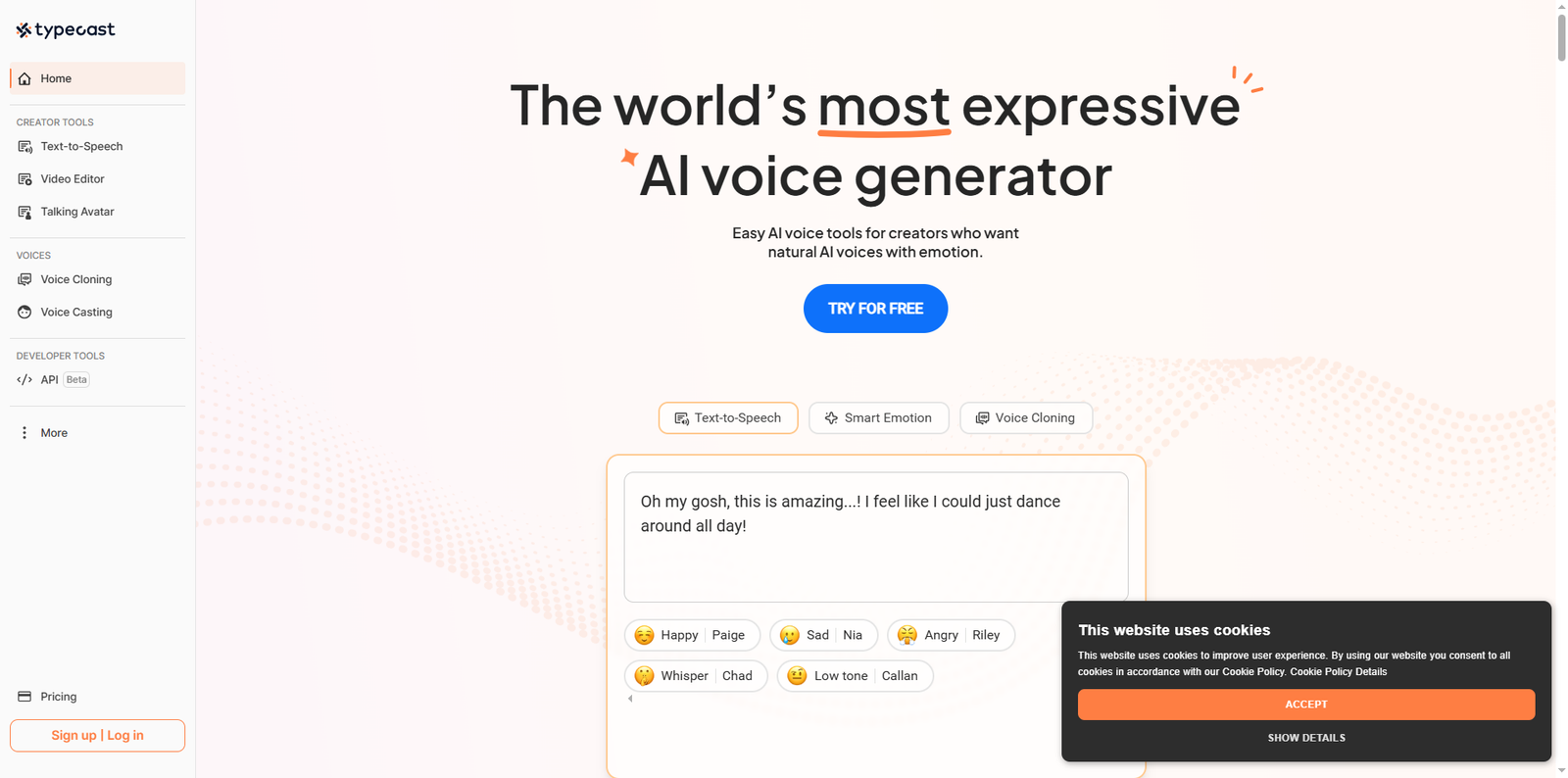
Typecast.ai is an advanced AI voice generation platform that enables users to convert text into realistic voiceovers infused with emotional depth. Unlike traditional TTS systems that produce robotic or monotone outputs, Typecast.ai leverages deep learning models to simulate human-like intonation, pacing, and emotion. This makes it ideal for storytelling, video narration, podcasts, and e-learning applications.
Developed by a team of AI engineers and voice specialists, Typecast.ai uses neural networks trained on diverse voice datasets to produce speech that sounds remarkably authentic. The platform supports multiple languages and accents, allowing creators to reach global audiences with culturally appropriate voice tones.
How Typecast.ai Works
The underlying technology of Typecast.ai combines natural language understanding (NLU) and speech synthesis. Here’s a simplified breakdown of how it operates:
- Text Input: Users input their script or text into the Typecast.ai interface.
- Emotion Selection: The platform allows users to choose emotional tones such as happiness, sadness, excitement, or calmness.
- Voice Model Processing: The AI model analyzes the text context and applies prosody adjustments to match the selected emotion.
- Audio Rendering: The final output is a high-quality audio file that can be downloaded or integrated into multimedia projects.
Typecast.ai’s emotional speech synthesis is powered by neural text-to-speech (NTTS) technology, which uses deep neural networks to predict the acoustic features of human speech. This results in smoother transitions, natural pauses, and expressive delivery that closely mimic real human voices.
Applications of Typecast.ai
The versatility of Typecast.ai makes it suitable for a wide range of industries and creative projects. Below are some of the most common use cases:
1. Content Creation and Video Production
Video creators and YouTubers use Typecast.ai to generate professional-quality voiceovers without hiring voice actors. This not only saves time but also ensures consistency across multiple projects.
2. E-Learning and Educational Content
In the education sector, Typecast.ai helps instructors create engaging audio lessons. Emotional voiceovers make learning materials more relatable and easier to absorb, especially for younger audiences.
3. Gaming and Animation
Game developers and animators use AI-generated voices to bring characters to life. The ability to adjust tone and emotion allows for dynamic storytelling and immersive experiences.
4. Accessibility and Assistive Technology
Typecast.ai supports accessibility initiatives by providing natural-sounding voices for visually impaired users. It enhances screen readers and other assistive applications, making digital content more inclusive.
5. Marketing and Advertising
Brands use Typecast.ai to create emotionally resonant advertisements. By tailoring voiceovers to match brand identity and audience sentiment, marketers can forge stronger emotional connections with consumers.
Benefits of Using Typecast.ai
Typecast.ai offers several advantages that make it a preferred choice among creators and businesses:
- Emotional Realism: The platform’s ability to convey emotion sets it apart from conventional TTS tools.
- Time Efficiency: Users can generate professional voiceovers in minutes, reducing production timelines.
- Scalability: Ideal for large-scale projects where multiple voiceovers are needed quickly.
- Customization: Users can fine-tune pitch, speed, and tone to achieve the desired output.
- Accessibility: Enhances inclusivity by making content available to people with visual or reading impairments.
Top Alternatives to Typecast.ai
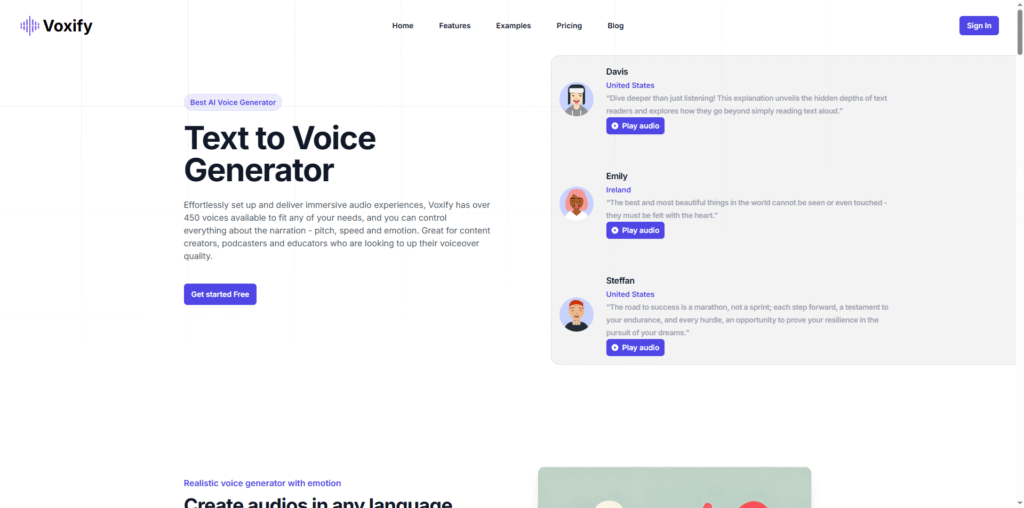
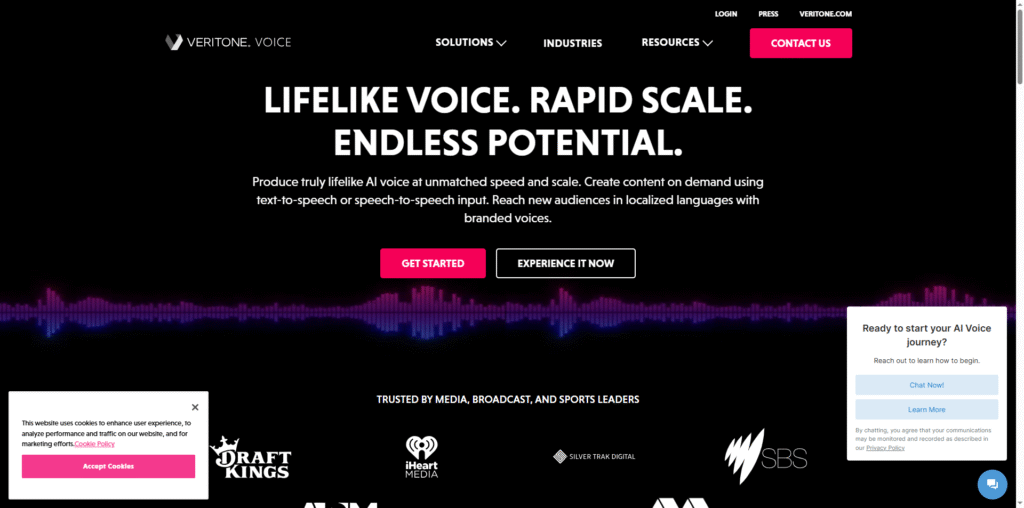
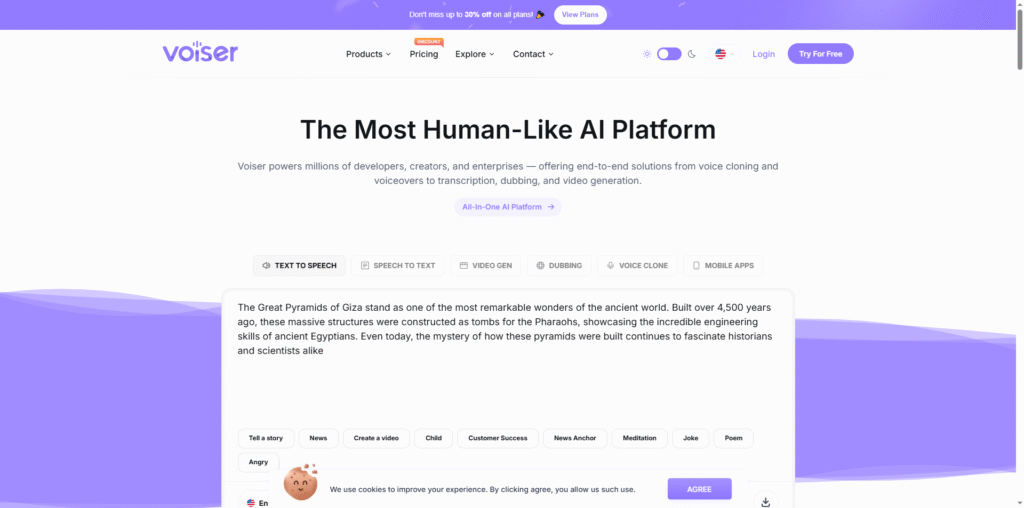
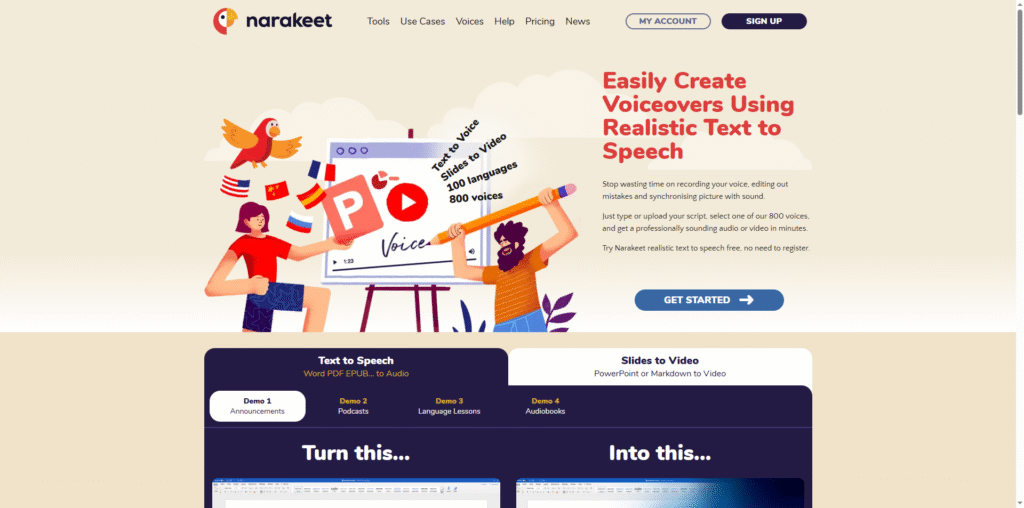
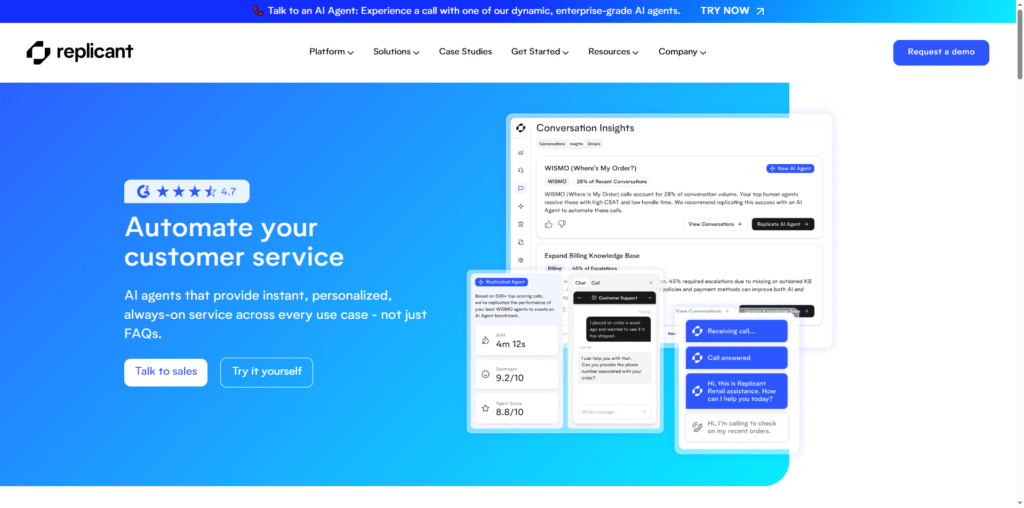
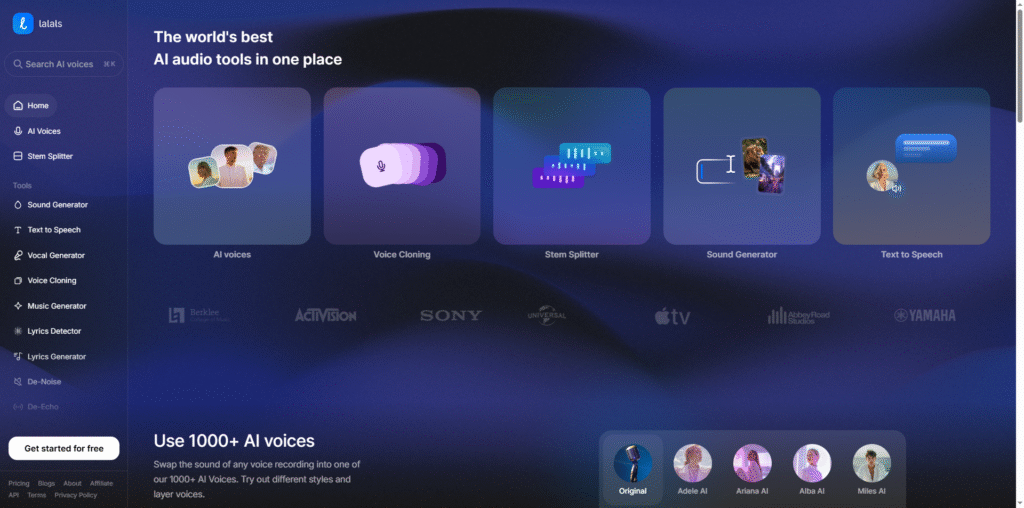
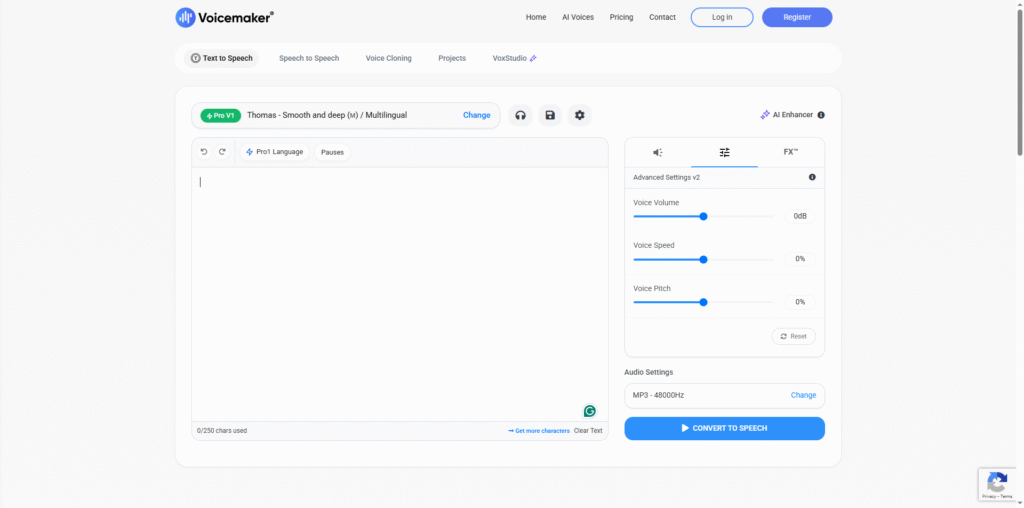
While Typecast.ai is a leading solution in emotional voice generation, several other tools also offer impressive capabilities. Below is a comparison of popular alternatives:
| Tool Name | Description |
|---|---|
| Descript | A versatile audio and video editing platform that includes Overdub, an AI voice cloning feature for creating realistic voiceovers. |
| Speechelo | A text-to-speech software designed for video creators, offering natural voice tones and multiple language options. |
| Play.ht | Provides realistic voice generation using AI, suitable for podcasts, audiobooks, and corporate training materials. |
| Respeecher | Specializes in voice cloning for film, gaming, and media production, allowing creators to replicate specific voice identities. |
| Murf.ai | Offers a wide range of AI voices for business presentations, e-learning, and marketing content with advanced customization options. |
The Future of AI Voice Generation
The evolution of AI voice technology is moving toward hyper-realism and personalization. Researchers are exploring multimodal AI systems that combine voice, facial expressions, and gestures to create fully interactive digital avatars. According to MarketsandMarkets, the AI voice market is expected to grow significantly as industries adopt voice interfaces for customer engagement and automation.
Ethical considerations are also becoming central to the discussion. As AI-generated voices become indistinguishable from human ones, ensuring transparency and consent in voice cloning will be crucial. Companies like Typecast.ai are already implementing safeguards to prevent misuse and maintain ethical standards in AI voice synthesis.
Conclusion
Typecast.ai represents a major leap forward in the field of AI-driven voice generation. By combining emotional intelligence with advanced neural speech synthesis, it enables creators to produce authentic, expressive voiceovers that resonate with audiences. From content creation and education to marketing and accessibility, its applications are vast and transformative.
As AI continues to evolve, tools like Typecast.ai will play a pivotal role in shaping the future of digital communication. They not only make content more engaging but also democratize access to professional-quality voice production. Whether you are a filmmaker, educator, or marketer, embracing AI voice technology can elevate your storytelling and connect with audiences on a deeper emotional level.