




Outline
- Introduction
- What is SpeechGen.io?
- How SpeechGen.io Works
- Applications of SpeechGen.io
- Benefits of Using SpeechGen.io
- Top Alternatives to SpeechGen.io
- The Technology Behind AI Voice Generation
- The Future of Text-to-Speech Tools
- Conclusion
Introduction
Artificial intelligence has changed how we create and consume digital content. Among the most exciting innovations is AI-driven text-to-speech (TTS) technology, which converts written text into lifelike audio. SpeechGen.io is one such platform that stands out for its ability to generate natural-sounding voices across multiple languages and accents. Whether you’re a content creator, educator, or business professional, SpeechGen.io provides a seamless way to bring written words to life.
What is SpeechGen.io?
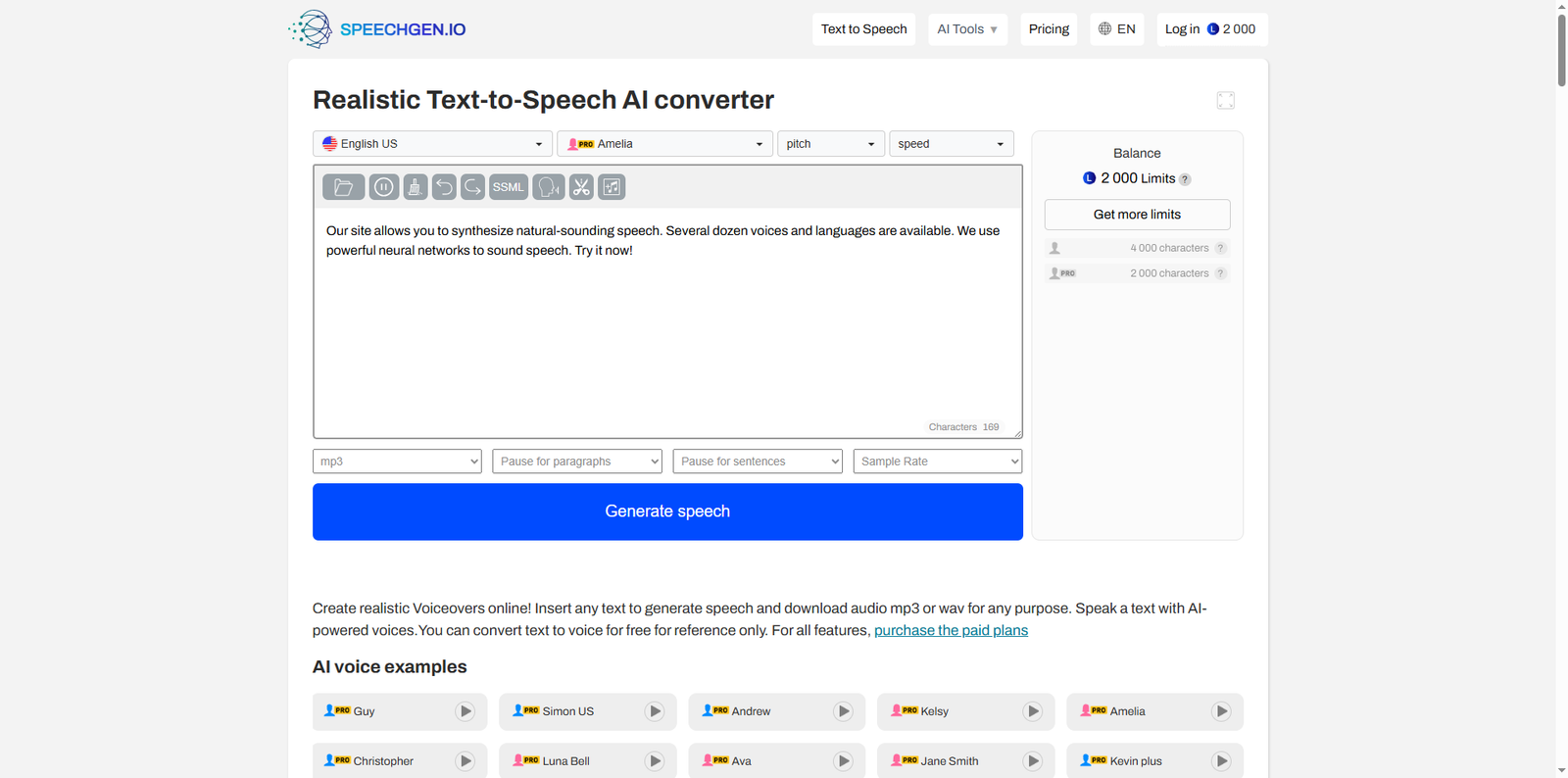
SpeechGen.io is an advanced online text-to-speech converter powered by neural networks. It enables users to transform text into realistic speech using AI-generated voices. The platform supports over 120 languages and dialects, including English, Spanish, French, German, Chinese, and Arabic. According to data from the SpeechGen.io interface, users can choose from hundreds of unique voice profiles, each designed to mimic human tone, emotion, and intonation.
The tool is widely used for creating voiceovers for videos, podcasts, e-learning materials, and accessibility applications. Its intuitive interface allows users to paste text, adjust speech parameters such as pitch and speed, and download the resulting audio in formats like MP3 or WAV.
How SpeechGen.io Works
SpeechGen.io utilizes deep learning models trained on vast datasets of human speech. These models analyze linguistic patterns, phonemes, and prosody to generate natural-sounding voices. The process involves the following steps:
- Input Text: Users enter or paste text into the platform’s editor.
- Voice Selection: Choose from a wide range of AI voices categorized by gender, accent, and language.
- Customization: Adjust intonation, pauses, and emphasis using SSML (Speech Synthesis Markup Language) tags.
- Generation: The AI synthesizes the text into speech using neural network processing.
- Download: The final audio file can be downloaded in multiple formats for use in various projects.
SpeechGen.io’s neural architecture is similar to models used by major AI research labs, such as Google’s Tacotron 2 and OpenAI’s VALL-E, which focus on replicating human-like speech patterns through deep learning.
Applications of SpeechGen.io
The versatility of SpeechGen.io makes it suitable for multiple industries and use cases. Below are some of the most common applications:
1. Content Creation and Marketing
Marketers and YouTubers use SpeechGen.io to produce professional voiceovers without hiring voice actors. It helps maintain consistency across brand videos and advertisements.
2. E-Learning and Education
Educators use the platform to create engaging audio lessons and tutorials. The ability to generate voices in different accents enhances accessibility for global learners.
3. Accessibility and Assistive Technology
SpeechGen.io supports visually impaired users by converting written content into spoken words. This aligns with global accessibility standards such as WCAG 2.1, promoting inclusivity in digital communication.
4. Corporate Training and Presentations
Businesses leverage SpeechGen.io to create training modules and internal communication materials, saving time and resources while maintaining professional audio quality.
5. Podcasting and Audiobooks
Podcasters and authors use the tool to generate narration for audiobooks or episodes, enabling faster production cycles and multilingual distribution.
Benefits of Using SpeechGen.io
SpeechGen.io offers several advantages that make it a preferred choice among AI voice generation tools:
- Multilingual Support: Covers over 120 languages and regional accents.
- Realistic Voice Quality: Neural voices sound natural and expressive.
- Ease of Use: Simple interface suitable for beginners and professionals alike.
- Customization: Users can fine-tune pitch, speed, and pauses for a personalized output.
- Integration: Compatible with various media formats and content creation workflows.
According to a 2023 report by MarketsandMarkets, the global text-to-speech market is projected to reach USD 7.6 billion by 2028, growing at a CAGR of 14.6%. Tools like SpeechGen.io are driving this growth by making AI voice generation more accessible and affordable.
Top Alternatives to SpeechGen.io
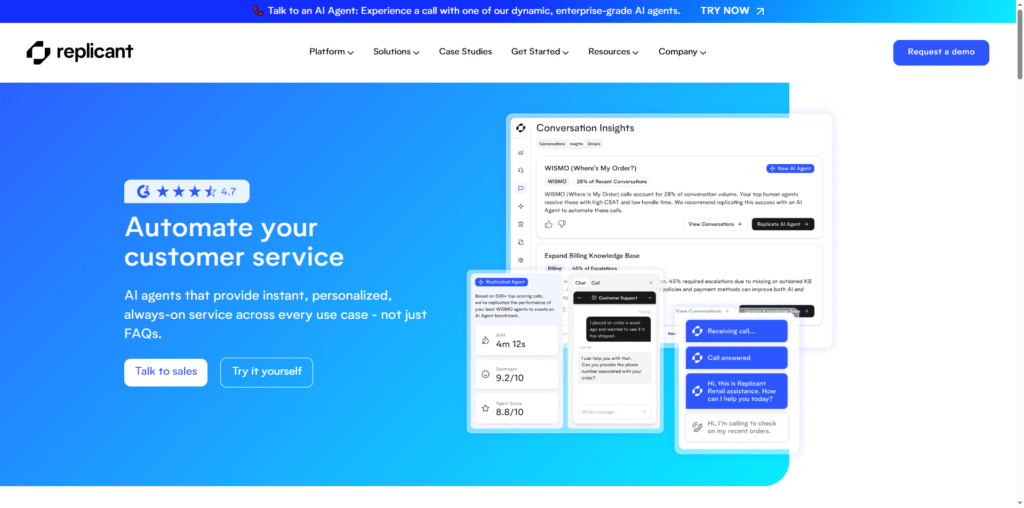
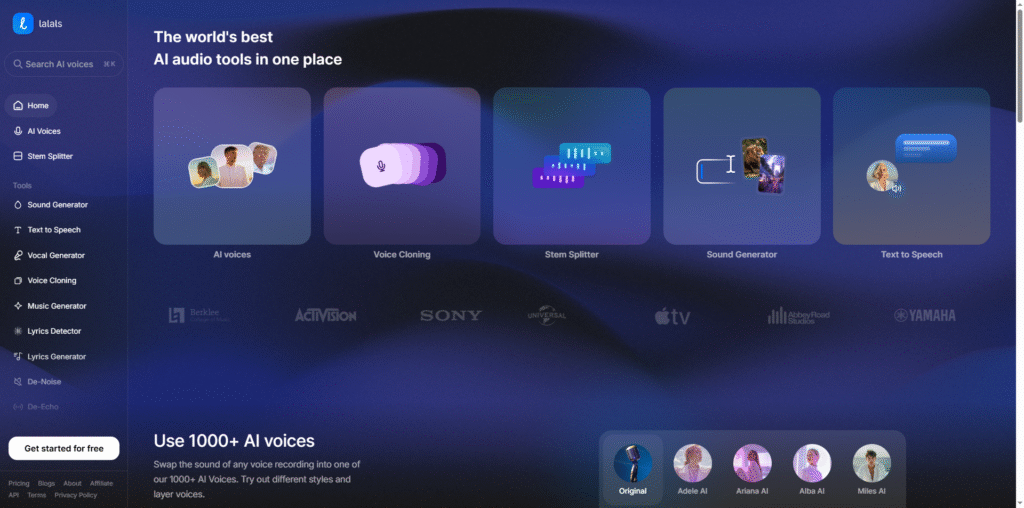
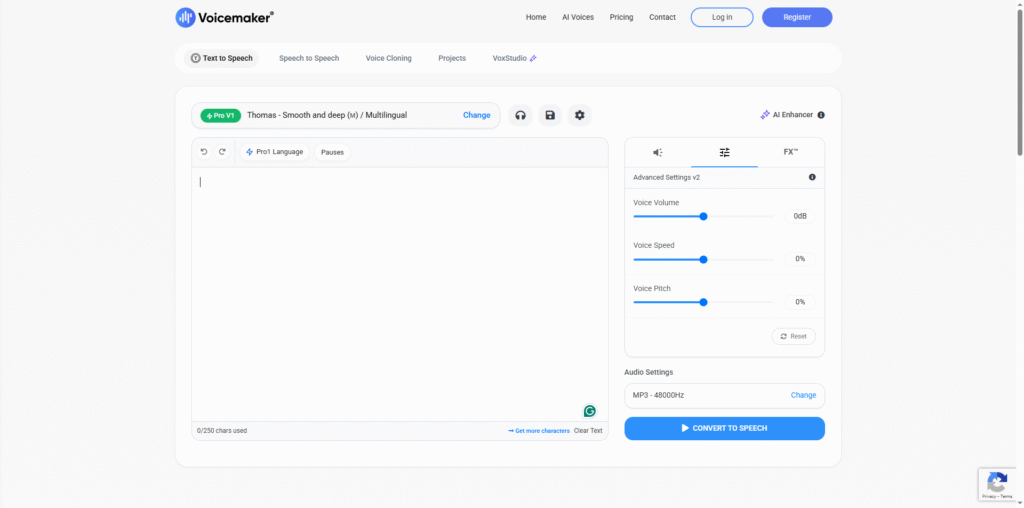
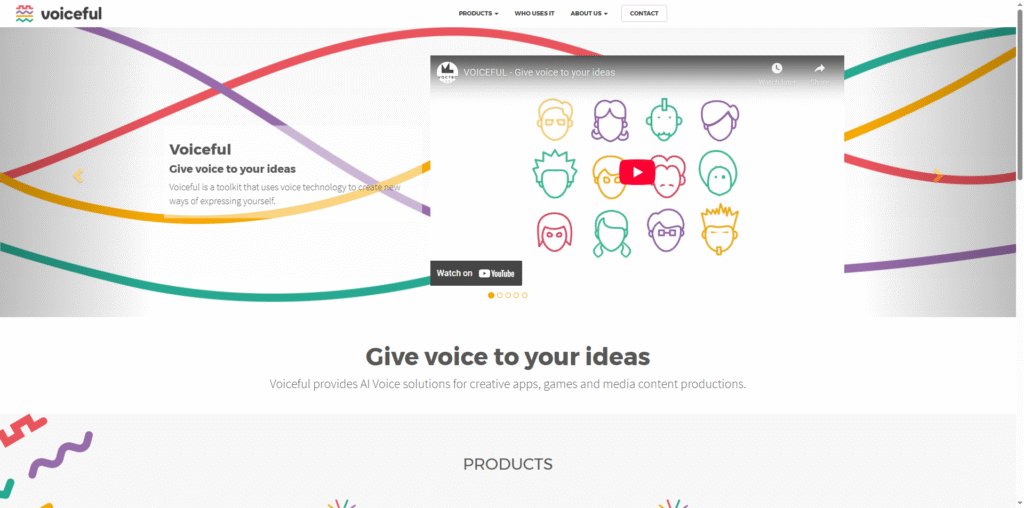
While SpeechGen.io is a powerful platform, several other tools also offer high-quality text-to-speech services. Below is a comparison table of popular alternatives:
| Tool Name | Description |
|---|---|
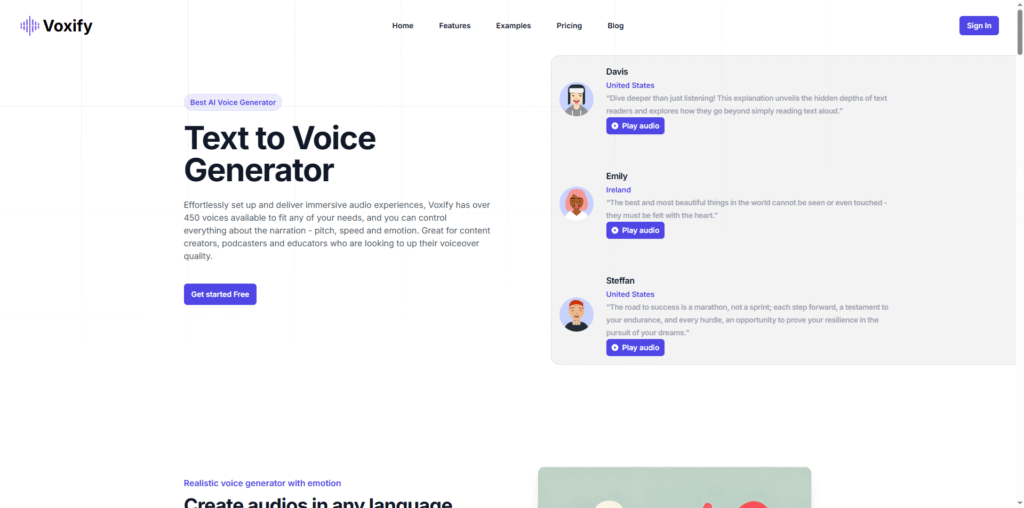
| Play.ht | A cloud-based TTS platform offering realistic AI voices for podcasts and videos. |
| Murf.ai | Provides studio-quality voiceovers with advanced editing and collaboration features. |
| LOVO.ai | Focuses on emotional voice synthesis for storytelling and marketing content. |
| Resemble.ai | Allows users to clone voices and generate custom AI voices for branding. |
| Speechify | Popular among students and professionals for reading documents and web pages aloud. |
The Technology Behind AI Voice Generation
AI voice generation relies on deep neural networks that model human speech. These systems analyze linguistic data to predict how words should sound in different contexts. The process involves:
- Text Analysis: The AI breaks down text into phonetic components.
- Acoustic Modeling: Neural networks simulate vocal tract movements to produce realistic tones.
- Waveform Synthesis: The system generates the final audio waveform using vocoders such as WaveNet or HiFi-GAN.
SpeechGen.io uses similar architectures to ensure high fidelity and natural prosody. The platform’s ability to interpret punctuation, pauses, and emphasis allows it to produce speech that feels human and emotionally engaging.
The Future of Text-to-Speech Tools
The future of TTS technology is promising. As AI models become more sophisticated, voice generation will move beyond simple narration to include emotional nuance and real-time interaction. According to research by Grand View Research, advancements in natural language processing (NLP) and generative AI will enable hyper-personalized voice assistants and interactive storytelling experiences.
SpeechGen.io and similar platforms are expected to integrate with video editing software, customer service bots, and accessibility tools, making AI voices a standard part of digital communication. Ethical considerations, such as consent and voice cloning security, will also shape the industry’s evolution.
Conclusion
SpeechGen.io exemplifies how AI can transform text into lifelike speech, bridging the gap between written and spoken communication. Its multilingual support, realistic voice quality, and user-friendly interface make it a valuable asset for creators, educators, and businesses. As AI voice technology continues to evolve, tools like SpeechGen.io will play a pivotal role in shaping the future of digital storytelling, accessibility, and content creation.
Whether you’re producing a podcast, building an e-learning course, or enhancing accessibility, SpeechGen.io offers a reliable and innovative solution to bring your words to life through the power of artificial intelligence.