





Outline
- Introduction
- What is Play.ht?
- How Play.ht Works
- Applications of Play.ht
- Benefits of Using Play.ht
- Alternatives to Play.ht
- The Future of AI Voice Technology
- Conclusion
Introduction
Artificial intelligence has revolutionized the way we create and consume content. Among the most exciting innovations is AI-generated speech, which allows creators to transform written text into lifelike audio. Play.ht stands out as one of the leading platforms in this field, offering a robust text-to-speech (TTS) solution that produces natural-sounding voices across multiple languages. This article explores how Play.ht works, its real-world applications, and how it compares to other tools in the AI voice generation landscape.
What is Play.ht?
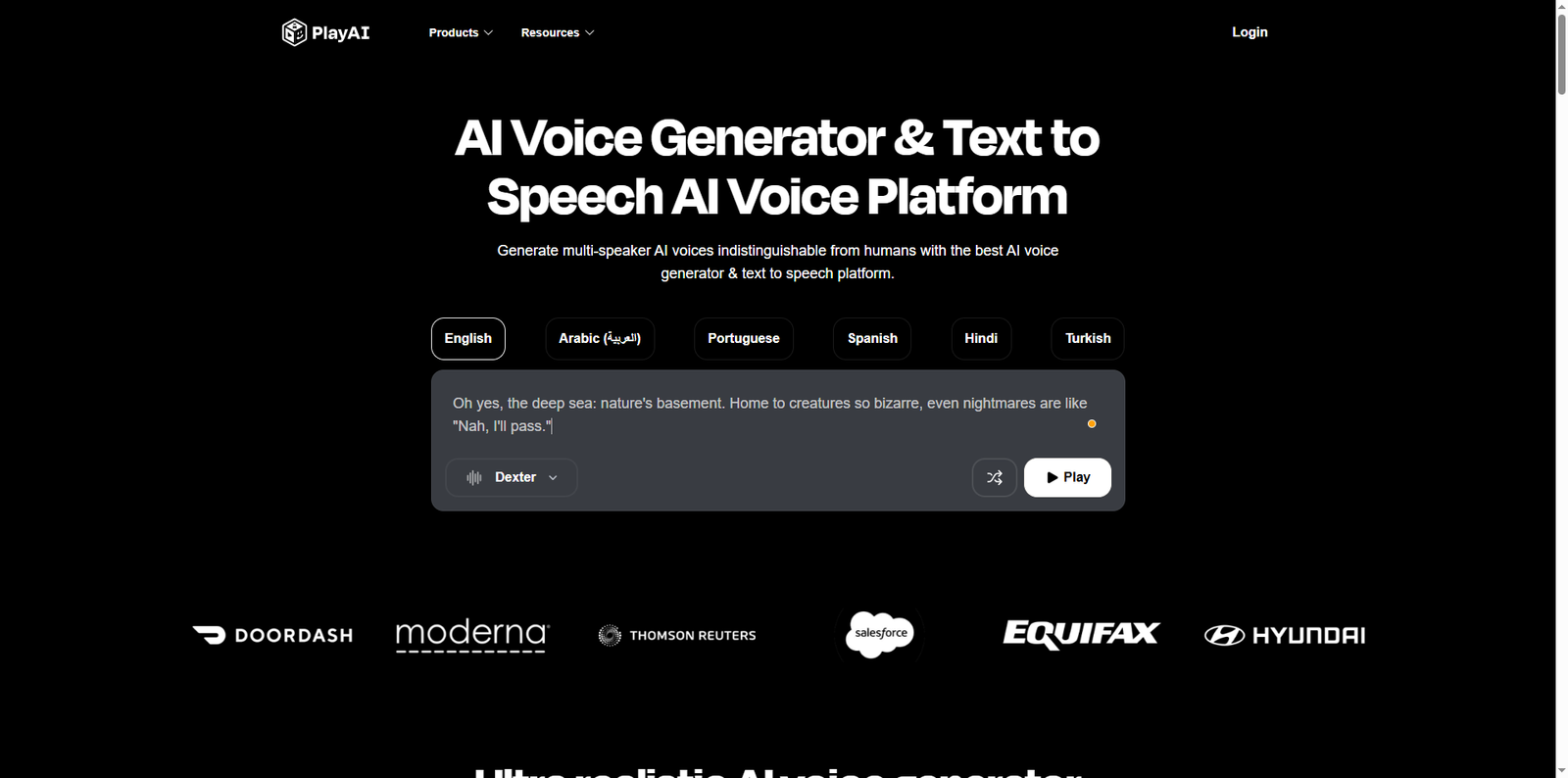
Play.ht is an AI-powered text-to-speech and voice generation platform that converts written content into realistic audio. It leverages advanced machine learning models and neural networks to synthesize speech that closely mimics human tone, pitch, and emotion. According to the company’s data, Play.ht offers over 200 voices in more than 40 languages, making it one of the most diverse TTS solutions available today.
Initially launched as a simple text-to-audio converter, Play.ht has evolved into a comprehensive voice generation studio. It supports features like multi-speaker dialogues, emotional inflections, and custom pronunciations, enabling users to create professional-grade voiceovers for podcasts, videos, audiobooks, and e-learning materials.
How Play.ht Works
Play.ht’s technology is built on deep learning models trained on vast datasets of human speech. These models analyze linguistic patterns, phonetics, and emotional cues to generate speech that sounds natural and expressive. The process typically involves three key steps:
- Text Input: Users type or paste their text into the Play.ht editor.
- Voice Selection: The platform offers a wide range of voices, categorized by gender, accent, and language.
- Audio Generation: Once the voice is selected, the AI synthesizes the text into speech, which can be previewed and downloaded instantly.
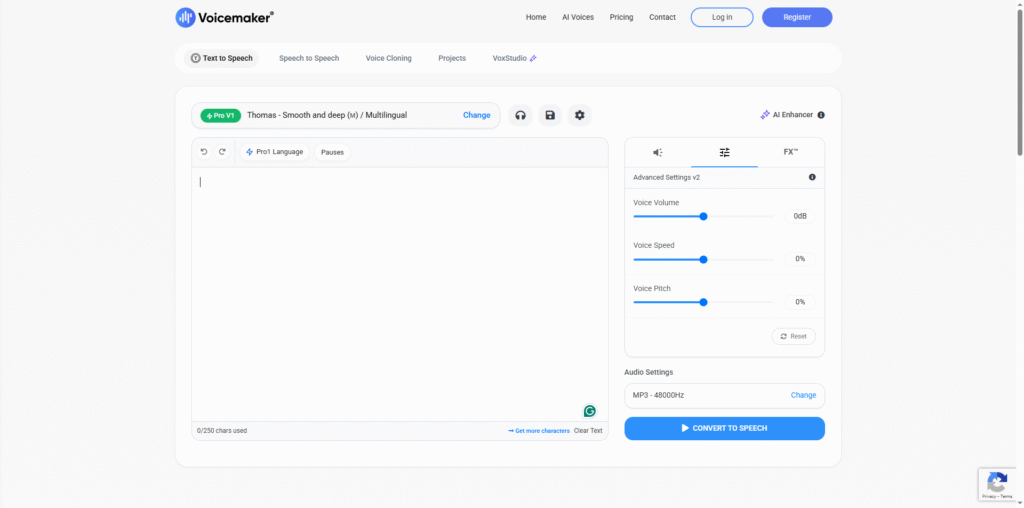
Play.ht also supports Speech Synthesis Markup Language (SSML), allowing users to fine-tune aspects like pitch, speed, and pauses. This level of control makes it ideal for professional voiceover artists and content creators who require precision in tone and delivery.
Applications of Play.ht
Play.ht’s versatility makes it suitable for a wide range of applications across industries. Some of the most common use cases include:
- Podcasting: Creators can generate high-quality narration without recording equipment or voice actors.
- Video Production: YouTubers and marketers use Play.ht to add professional voiceovers to their videos.
- E-Learning: Educational institutions and course creators use AI voices to make lessons more engaging and accessible.
- Accessibility: Websites and apps integrate Play.ht to provide audio versions of text for visually impaired users.
- Corporate Training: Businesses use AI-generated voices for onboarding materials, training videos, and internal communications.
According to a 2023 report by MarketsandMarkets, the global text-to-speech market is projected to reach over $5 billion by 2027, with increasing demand from content creators and enterprises driving adoption. Play.ht’s scalability and ease of use position it well within this growing sector.
Benefits of Using Play.ht
Play.ht offers several advantages that make it a preferred choice among AI voice platforms:
- Natural Sounding Voices: The neural network models produce speech that is nearly indistinguishable from human voices.
- Multilingual Support: With over 40 supported languages, Play.ht caters to a global audience.
- Customization: Users can adjust tone, speed, and emotion to match the desired style.
- Ease of Use: The web-based editor is intuitive, allowing even beginners to generate professional audio quickly.
- Integration Options: Play.ht provides APIs and plugins for WordPress and other platforms, enabling seamless integration into existing workflows.
These benefits make Play.ht a valuable tool for content creators, educators, and businesses seeking to enhance engagement through audio content.
Alternatives to Play.ht
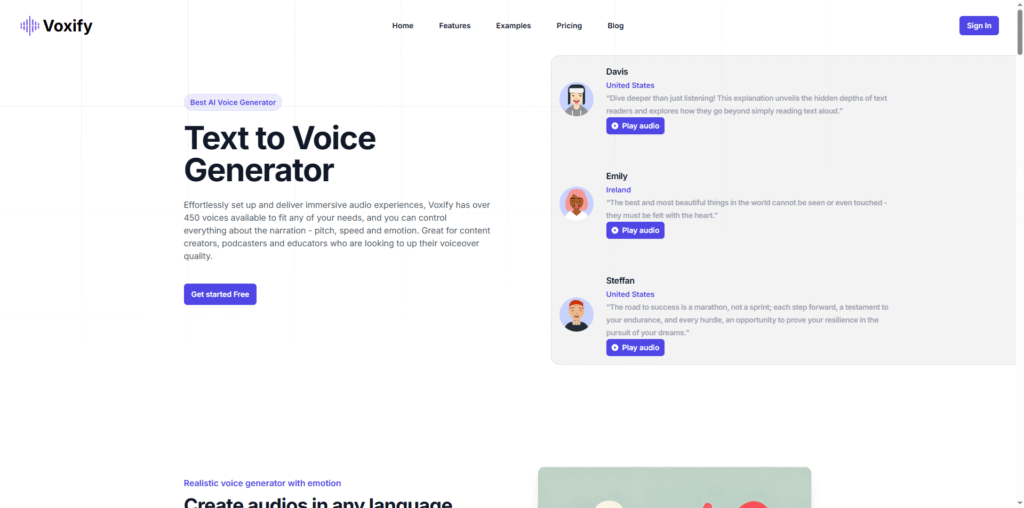
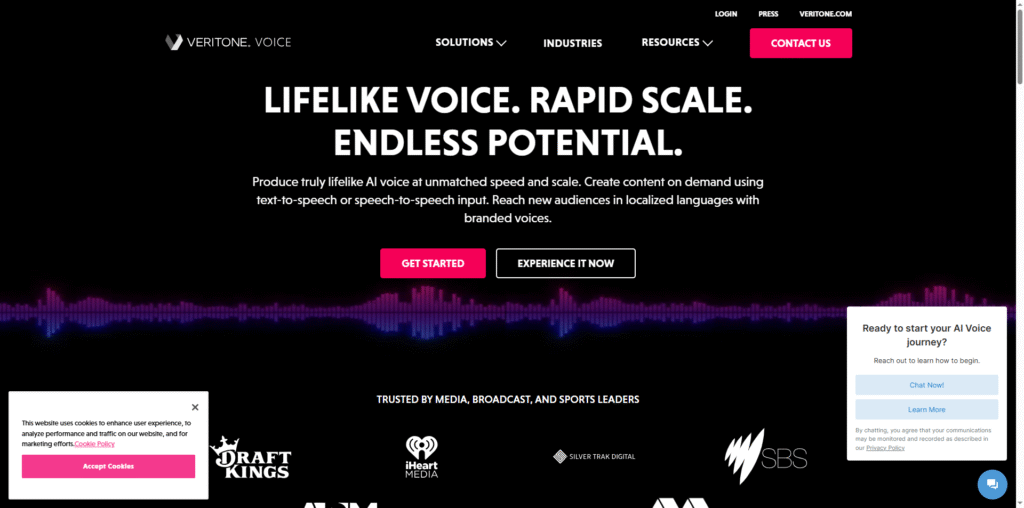
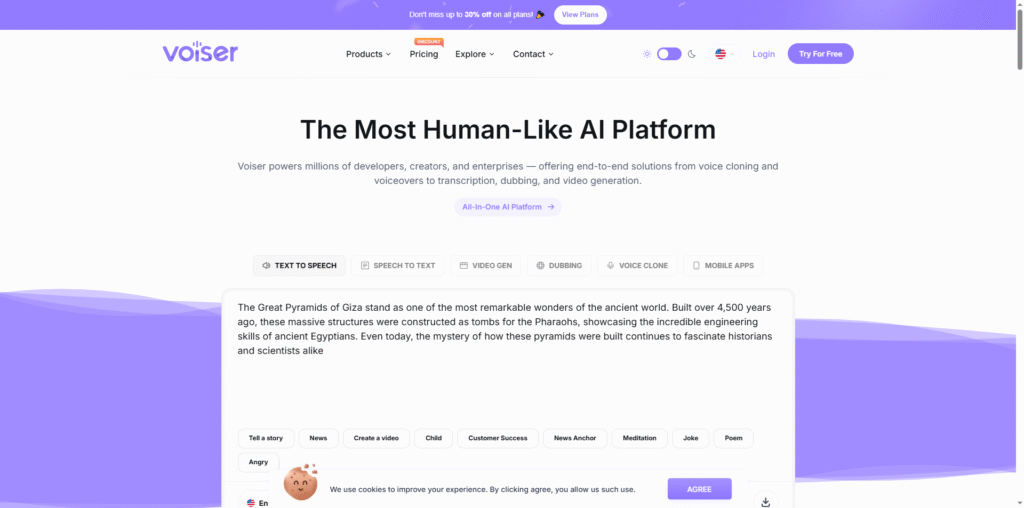
While Play.ht is a powerful platform, several other tools also offer impressive AI voice generation capabilities. Below is a comparison of some notable alternatives:
| Tool Name | Description |
|---|---|
| Descript | Provides an AI voice cloning feature called Overdub, allowing users to create custom synthetic voices for podcasts and videos. |
| Speechelo | Focuses on generating human-like voices for video narrations with adjustable tone and breathing effects. |
| LOVO | Offers a wide range of voices and emotional tones, ideal for marketing videos and audiobooks. |
| Murf | Provides a collaborative studio for creating AI voiceovers with advanced editing tools and team sharing options. |
| Respeecher | Specializes in voice cloning for media production, enabling creators to replicate specific voices with high fidelity. |
Each of these alternatives offers unique strengths, from voice cloning to emotional expression, but Play.ht remains one of the most accessible and versatile options for both individuals and enterprises.
The Future of AI Voice Technology
AI voice technology is advancing rapidly, with innovations in natural language processing and deep learning driving more realistic and expressive voices. In the near future, we can expect AI voices to become even more indistinguishable from human speech, capable of conveying subtle emotions and adapting to context in real time.
Play.ht and similar platforms are likely to play a central role in this evolution. As AI models become more sophisticated, they will enable new forms of storytelling, education, and accessibility. For instance, personalized AI narrators could deliver customized learning experiences, while voice assistants could adopt more empathetic tones to improve user engagement.
Ethical considerations will also shape the future of AI voice technology. Issues such as voice cloning consent, data privacy, and deepfake prevention are becoming increasingly important. Responsible development and transparent usage policies will be key to maintaining trust in AI-generated voices.
Conclusion
Play.ht represents a major leap forward in the field of AI-generated speech. Its combination of realism, flexibility, and ease of use makes it an invaluable tool for content creators, educators, and businesses alike. By transforming text into lifelike audio, Play.ht not only enhances accessibility but also opens new creative possibilities for digital storytelling. As AI voice technology continues to evolve, platforms like Play.ht will remain at the forefront, shaping how we communicate and experience content in the digital age.