



Outline
- Introduction
- What is Murf.ai?
- How Murf.ai Works
- Applications of Murf.ai
- Benefits of Using Murf.ai
- Alternatives to Murf.ai
- The Future of AI Voice Technology
- Conclusion
Introduction
In recent years, artificial intelligence (AI) has transformed the way we create and consume content. Among the most exciting innovations is the rise of AI-powered voice generation tools. Murf.ai stands out as one of the leading platforms in this space, offering creators, businesses, and educators the ability to generate realistic voiceovers from text. According to a 2023 report by MarketsandMarkets, the global text-to-speech market is projected to reach over USD 5.0 billion by 2028, growing at a CAGR of 14.6%. This surge highlights the increasing demand for tools like Murf.ai that simplify audio production while maintaining professional quality.
What is Murf.ai?
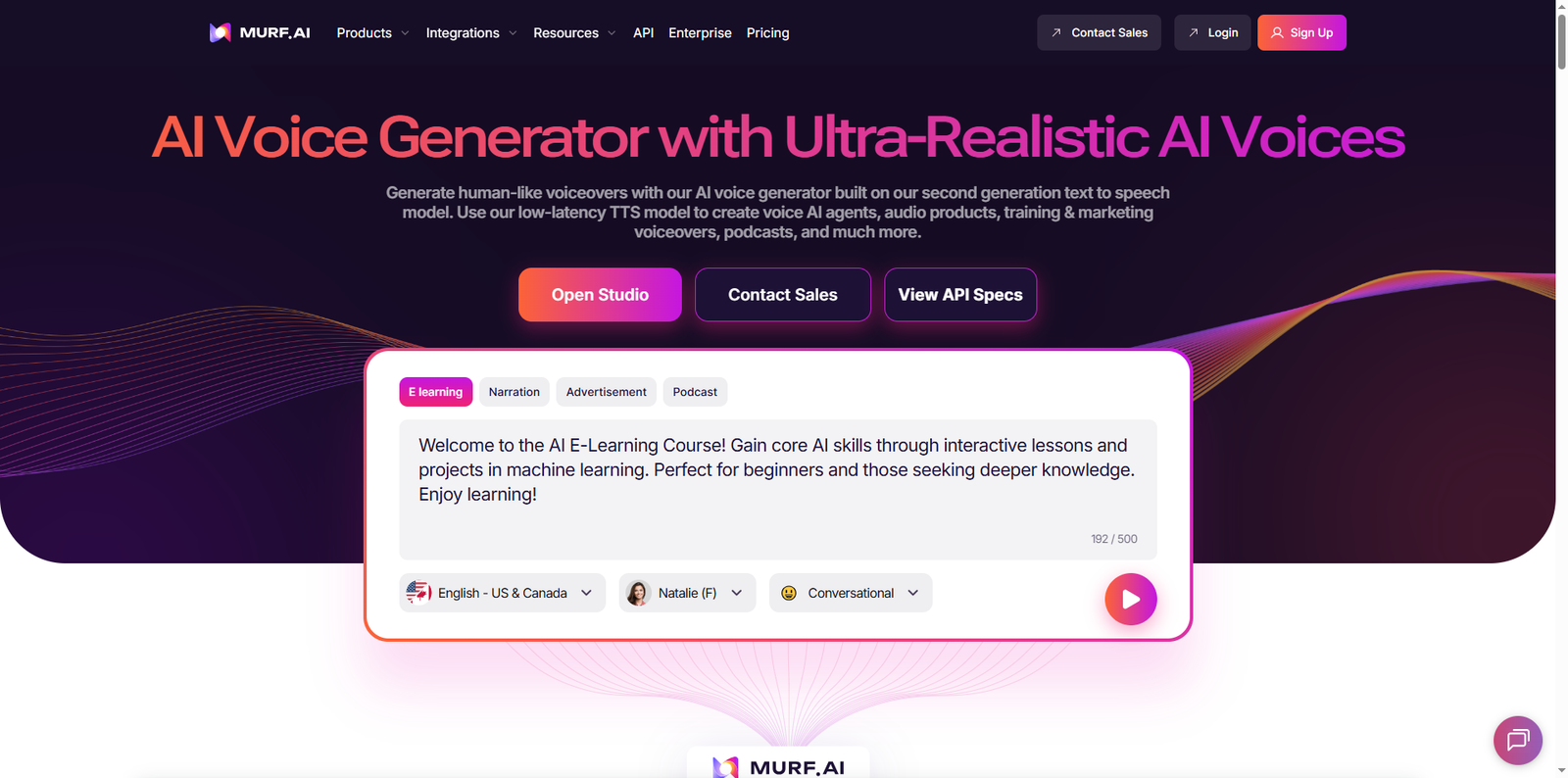
Murf.ai is an AI-driven text-to-speech (TTS) platform that converts written text into natural-sounding speech. It is designed for professionals who need high-quality voiceovers for videos, presentations, podcasts, and e-learning materials. The platform leverages advanced machine learning models to produce human-like voices across multiple languages and accents. Users can customize tone, pitch, and speed, making it a versatile solution for diverse content needs.
Founded in 2020, Murf.ai has quickly gained traction among creators and enterprises alike. The platform’s intuitive interface allows users to generate voiceovers without requiring any audio engineering skills. This democratization of voice production has made it accessible to marketers, educators, and small business owners seeking affordable and efficient audio solutions.
How Murf.ai Works
Murf.ai uses deep learning algorithms trained on large datasets of human speech to create lifelike audio outputs. The process typically involves three main steps:
- Text Input: Users enter or upload their script into the Murf.ai editor.
- Voice Selection: The platform offers a range of AI voices across genders, languages, and accents.
- Customization and Export: Users can adjust parameters such as pitch, emphasis, and speed before exporting the final audio file.
The platform also integrates with popular content creation tools, allowing seamless workflow integration. For instance, users can synchronize voiceovers with video timelines or presentations, ensuring precise alignment between visuals and narration.
Applications of Murf.ai
Murf.ai’s versatility makes it suitable for a wide range of industries and use cases. Below are some of the most common applications:
1. E-Learning and Education
Educators and instructional designers use Murf.ai to create engaging audio lessons and training materials. The ability to generate multilingual voiceovers helps reach global audiences, improving accessibility and comprehension.
2. Marketing and Advertising
Marketers leverage Murf.ai to produce voiceovers for promotional videos, explainer content, and social media campaigns. The AI-generated voices maintain consistency across brand messaging, ensuring a professional and cohesive sound.
3. Corporate Presentations
Business professionals use Murf.ai to add narration to presentations, making them more dynamic and persuasive. This eliminates the need for hiring external voice talent, saving both time and resources.
4. Podcasts and Audiobooks
Podcasters and authors can use Murf.ai to generate narration for episodes or audiobooks. The platform’s realistic voices allow creators to maintain a consistent tone and style across their content library.
5. Accessibility Solutions
Organizations focused on accessibility can use Murf.ai to convert written materials into audio, helping visually impaired users consume content more easily. This aligns with global efforts to make digital content more inclusive.
Benefits of Using Murf.ai
Adopting Murf.ai offers several advantages beyond simple text-to-speech conversion:
- Time Efficiency: Traditional voiceover production can take days. Murf.ai reduces this to minutes without compromising quality.
- Cost Savings: By eliminating the need for recording studios and voice actors, businesses can significantly cut production expenses.
- Scalability: Murf.ai allows users to produce large volumes of audio content quickly, making it ideal for enterprises managing multiple projects simultaneously.
- Customization: Users can fine-tune voice characteristics to match their brand personality or project tone.
- Consistency: AI voices ensure uniform pronunciation and tone across all content, which is crucial for brand identity.
Alternatives to Murf.ai
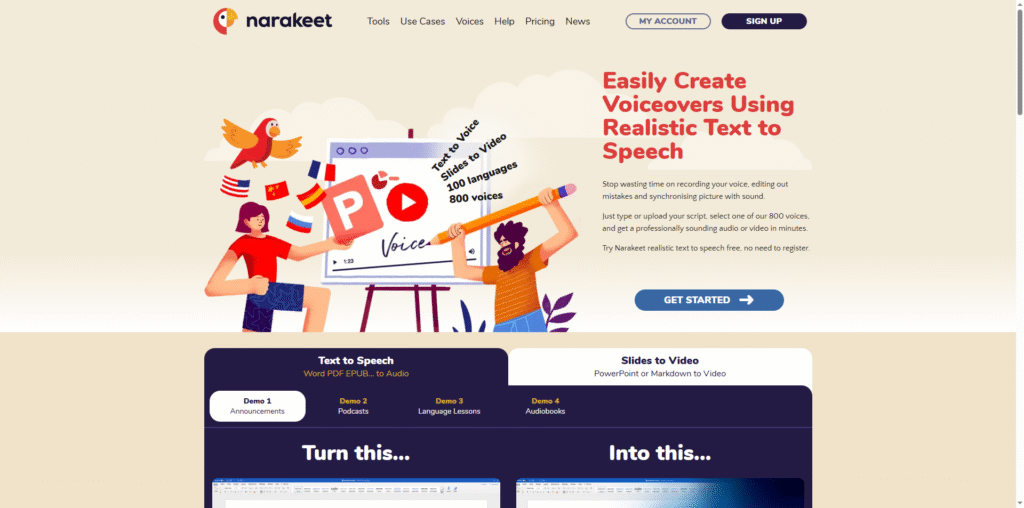
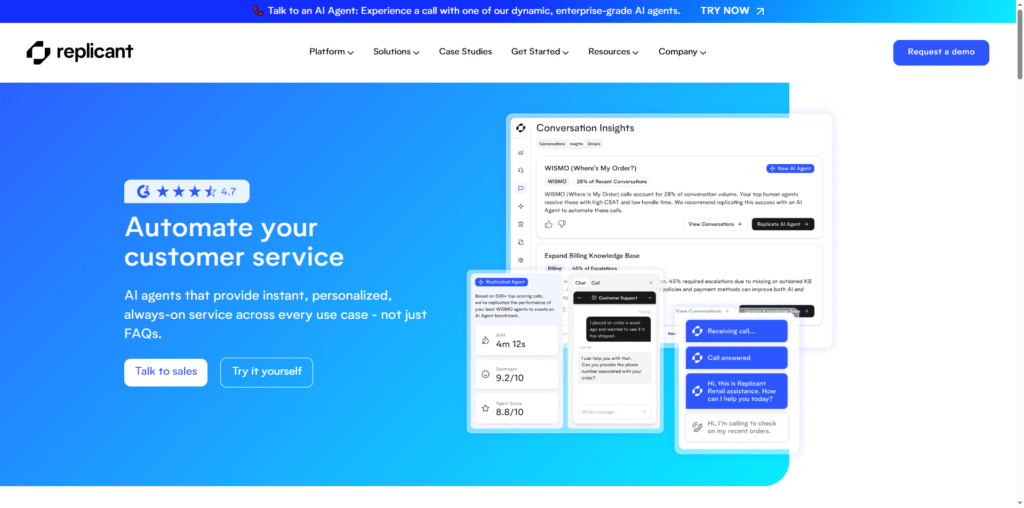
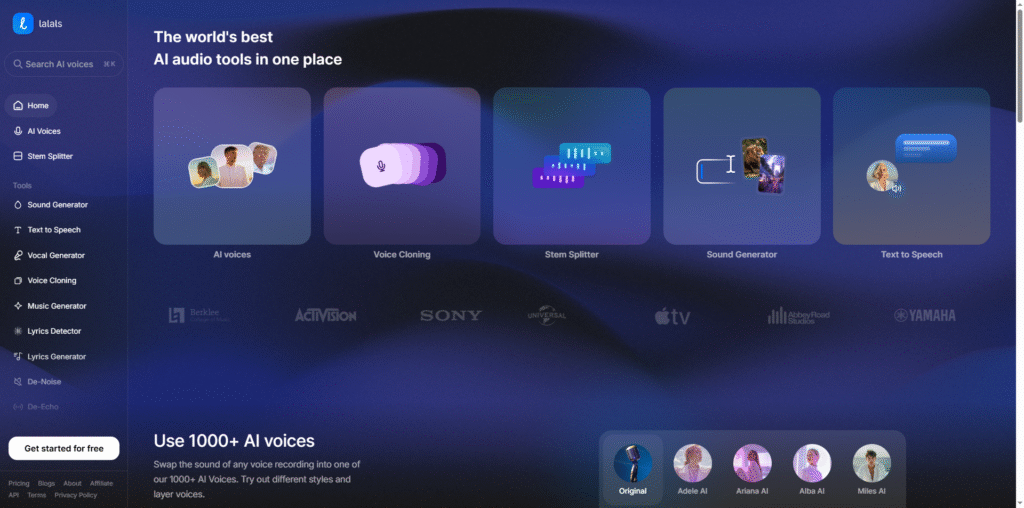
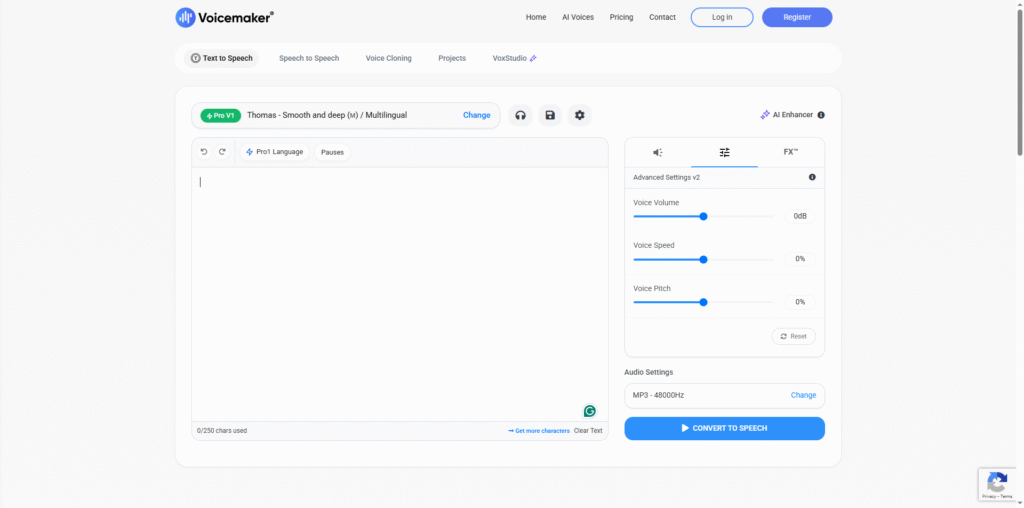
While Murf.ai is a powerful platform, several other AI voice generation tools also offer impressive capabilities. Below is a comparison table of some popular alternatives:
| Tool Name | Description |
|---|---|
| Descript | Descript provides an AI-powered voice cloning feature called Overdub, allowing users to create custom synthetic voices for podcasts and videos. |
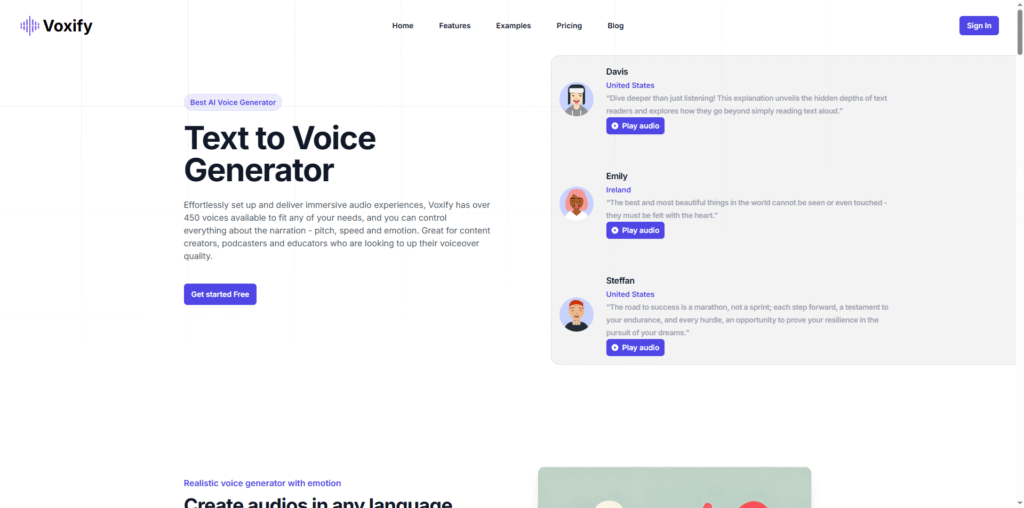
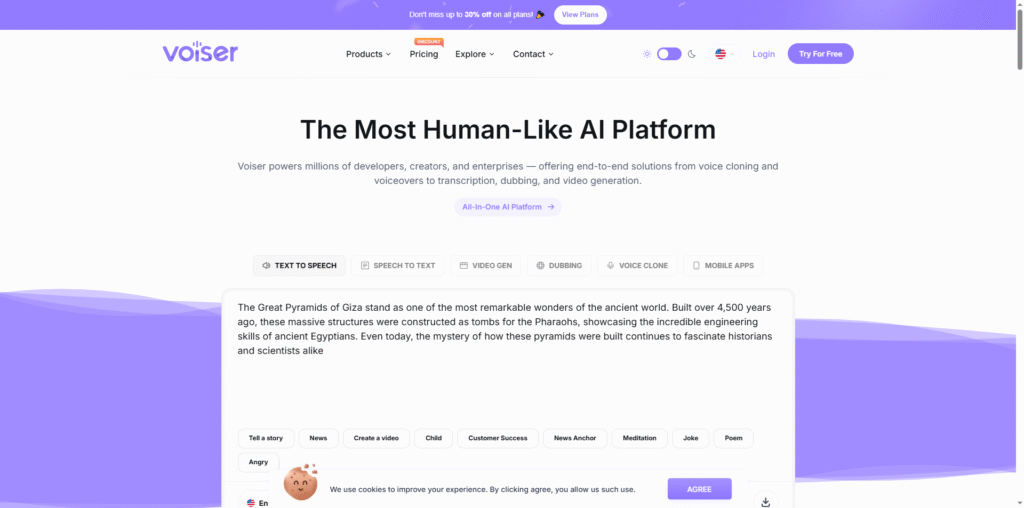
| Play.ht | Play.ht offers realistic text-to-speech voices and supports multiple languages, making it suitable for content creators and businesses. |
| Speechelo | Speechelo focuses on creating natural-sounding voiceovers for video content, with adjustable tone and breathing effects. |
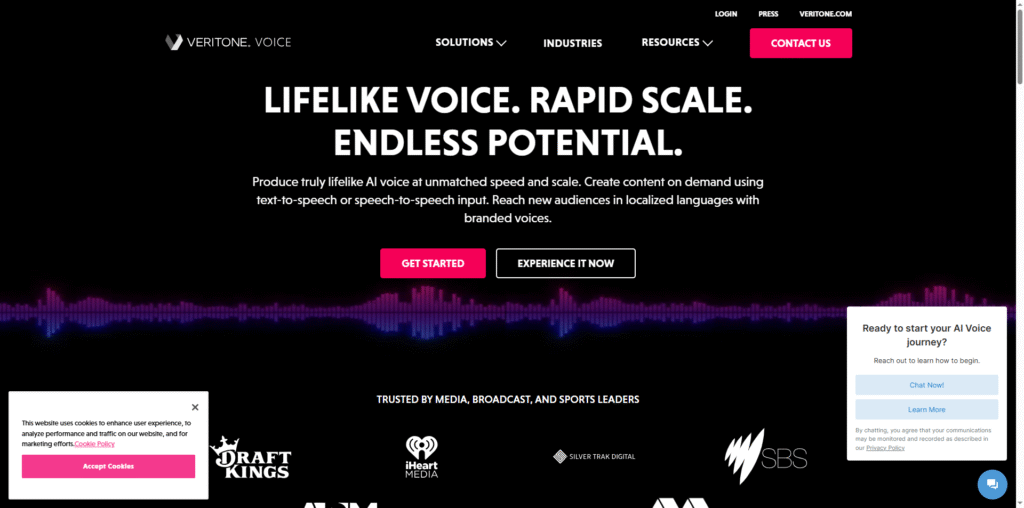
| Lovo.ai | Lovo.ai provides AI voice generation and cloning tools tailored for media production, e-learning, and entertainment industries. |
| Respeecher | Respeecher specializes in high-quality voice cloning for film, gaming, and advertising, enabling creators to replicate unique voices. |
The Future of AI Voice Technology
The evolution of AI voice technology is accelerating rapidly. With advancements in natural language processing (NLP) and deep neural networks, future voice synthesis tools will likely achieve near-human expressiveness. According to a 2024 study by Grand View Research, the AI voice market is expected to grow significantly as industries adopt automation in content creation and customer service.
Emerging trends include emotional AI, which enables voices to convey nuanced emotions, and real-time translation, allowing instant multilingual communication. As these technologies mature, tools like Murf.ai will continue to play a pivotal role in bridging the gap between human creativity and machine efficiency.
Conclusion
Murf.ai represents a major leap forward in voice technology, empowering individuals and organizations to produce professional-grade audio content effortlessly. Its AI-driven approach simplifies the voiceover process, making it accessible to users without technical expertise. From e-learning and marketing to accessibility and entertainment, Murf.ai’s applications are vast and transformative.
As AI continues to evolve, the boundaries between human and synthetic voices will blur even further. Whether you’re a content creator, educator, or business professional, exploring Murf.ai and its alternatives can open new possibilities for engaging, scalable, and cost-effective audio production. The future of voice technology is here—and it’s powered by artificial intelligence.