




Outline
- Introduction
- What Is FakeYou?
- How FakeYou Works
- Applications of FakeYou
- Benefits of Using FakeYou
- Top Alternatives to FakeYou
- Ethical and Legal Considerations
- The Future of AI Voice and Video Generation
- Conclusion
Introduction
Artificial intelligence (AI) has rapidly evolved from a futuristic concept into a practical tool that shapes industries, entertainment, and communication. Among the most fascinating innovations in this space is FakeYou, a platform that allows users to generate realistic celebrity voices and videos using advanced AI models. As of 2024, AI voice synthesis has become a cornerstone of digital creativity, empowering individuals and businesses to produce lifelike audio and video content without traditional recording setups.
This article explores how FakeYou works, its real-world applications, ethical implications, and the emerging landscape of AI-generated media. Whether you are a content creator, developer, or simply curious about the technology, understanding FakeYou offers valuable insight into the next generation of digital expression.
What Is FakeYou?
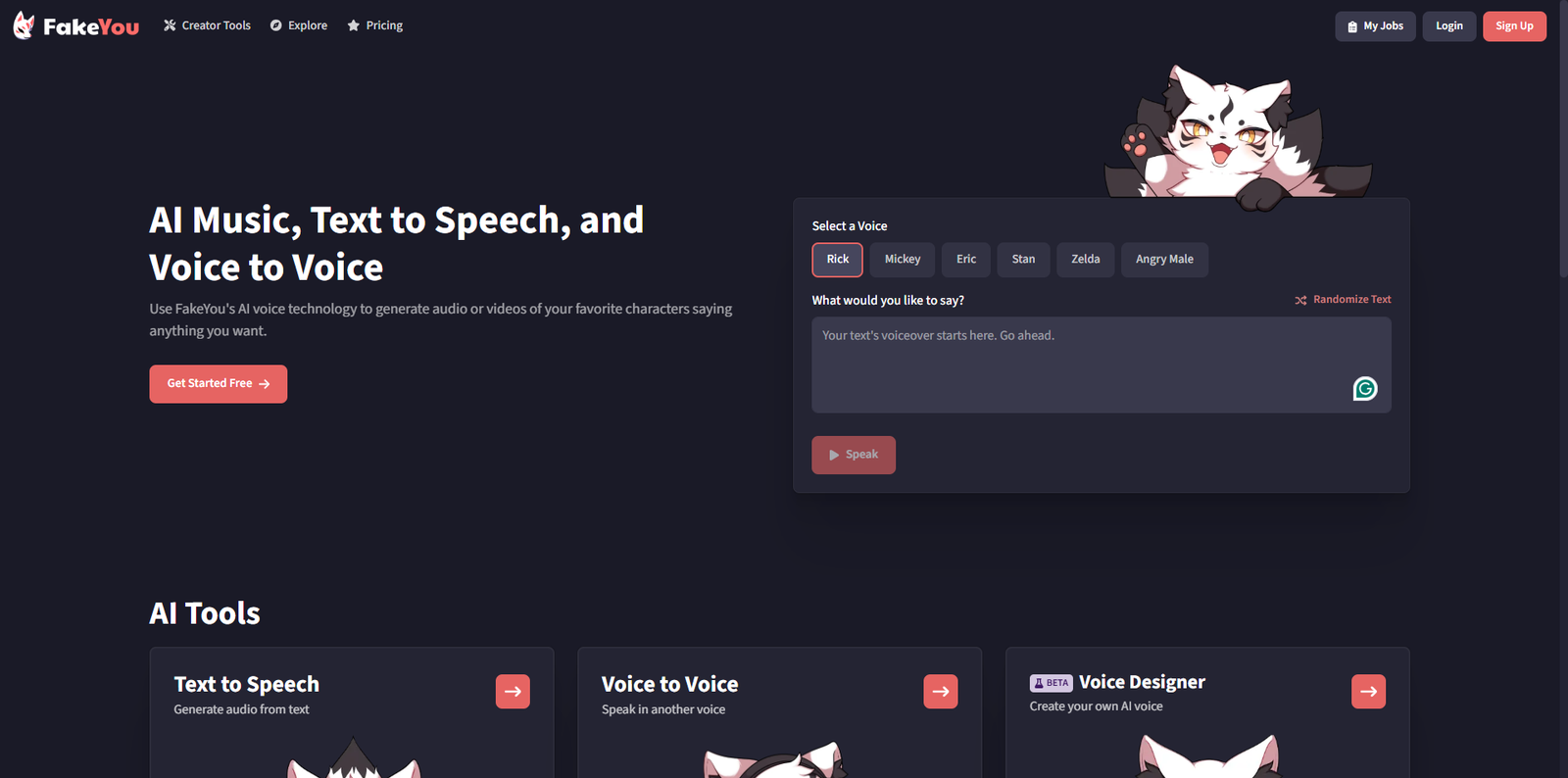
FakeYou is an online AI-powered voice and video generator that enables users to create speech and animations using synthetic voices modeled after celebrities, fictional characters, and public figures. The platform leverages deep learning and neural text-to-speech (TTS) models to replicate human-like intonation, tone, and emotion. Originally launched as a community-driven project, FakeYou has grown into one of the most popular AI voice synthesis tools, with thousands of available voices and millions of generated clips.
According to public data from Similarweb (2024), FakeYou attracts over 5 million monthly visitors globally, reflecting its widespread adoption among meme creators, YouTubers, and social media influencers. The platform’s intuitive interface and community-driven voice library make it accessible even to users with no technical background.
How FakeYou Works
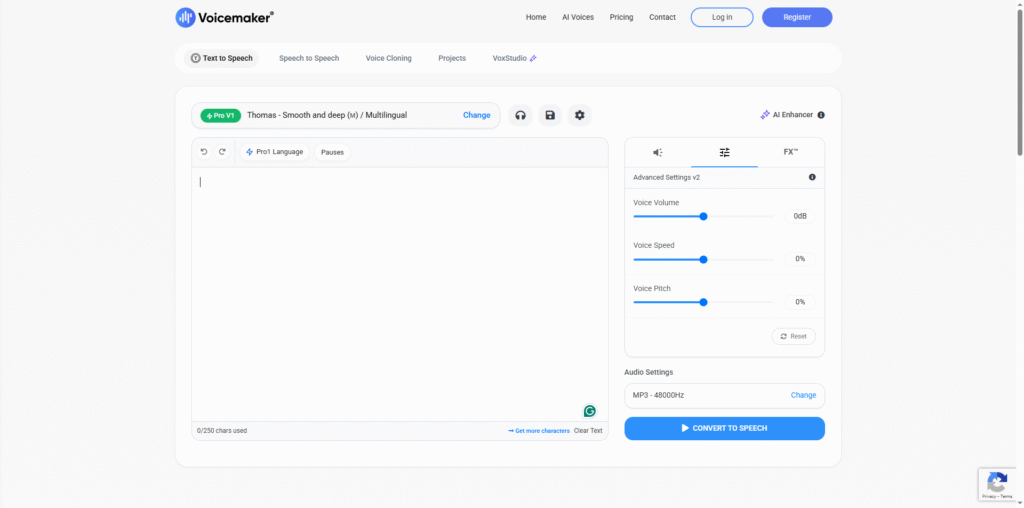
FakeYou operates on a cloud-based infrastructure that processes text input and converts it into synthesized speech using AI models trained on large datasets. The process involves several key stages:
- Text Input: Users type or paste the text they want to convert into speech.
- Voice Selection: The user selects from a library of pre-trained voices categorized by character, celebrity, or language.
- AI Processing: The system uses deep neural networks to analyze linguistic patterns and generate speech with natural rhythm and tone.
- Output Generation: The final audio or video clip is rendered and can be downloaded or shared directly.
FakeYou’s underlying technology is similar to models used in other AI voice systems, such as Descript and Respeecher, which also rely on neural TTS and voice cloning techniques. However, FakeYou distinguishes itself through its open community model, allowing users to contribute and share new voices.
Applications of FakeYou
AI-generated voices have a wide range of applications across industries. FakeYou’s versatility makes it suitable for both entertainment and professional use cases.
1. Content Creation and Entertainment
FakeYou is widely used in meme culture, parody videos, and fan-made content. Creators can generate humorous or dramatic voiceovers using recognizable voices, adding a unique twist to their projects.
2. Education and Training
Educators and trainers use AI voices to produce engaging learning materials, narrations, and explainer videos. The ability to generate multilingual voices also supports global learning initiatives.
3. Accessibility Tools
AI voice synthesis can enhance accessibility by providing natural-sounding voices for screen readers, audiobooks, and assistive technologies for visually impaired users.
4. Marketing and Branding
Businesses leverage AI-generated voices for promotional videos, advertisements, and customer engagement. By customizing tone and style, brands can maintain consistent messaging across digital platforms.
Benefits of Using FakeYou
FakeYou offers several advantages that make it appealing to creators and professionals alike:
- Ease of Use: The platform’s user-friendly interface allows quick generation of voice clips without technical expertise.
- Customization: Users can choose from a vast library of voices and adjust parameters for tone and pacing.
- Community Collaboration: FakeYou’s open model encourages user submissions, expanding its voice database continuously.
- Scalability: Cloud-based processing ensures fast rendering even for large-scale projects.
Top Alternatives to FakeYou
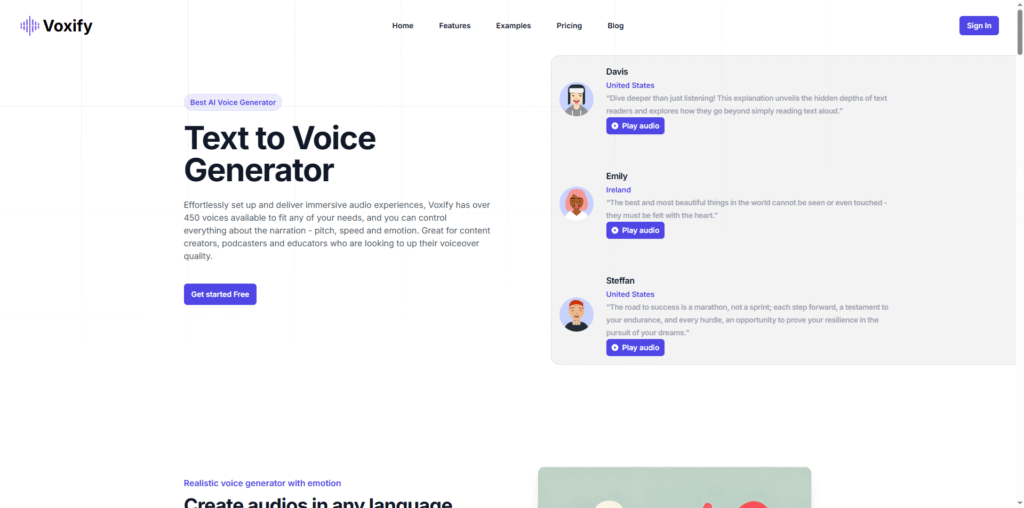
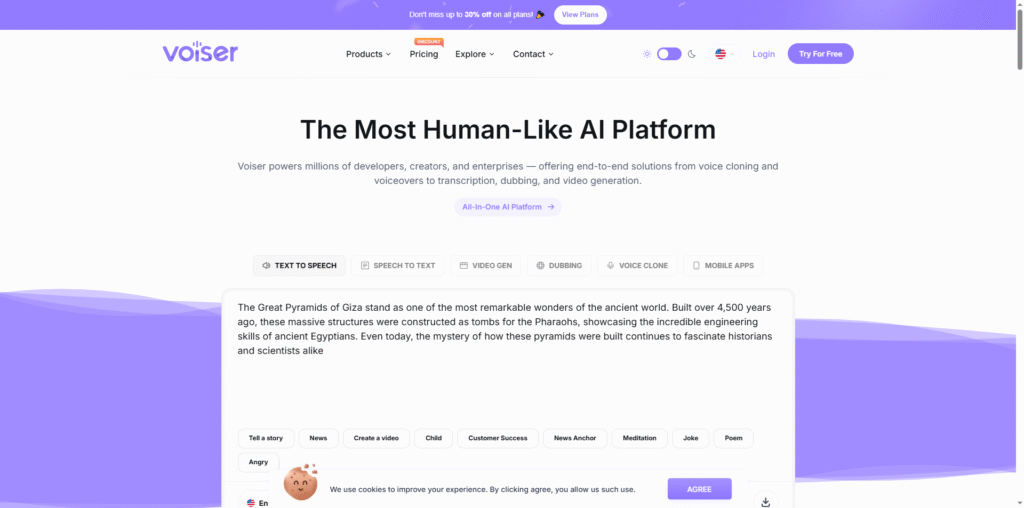
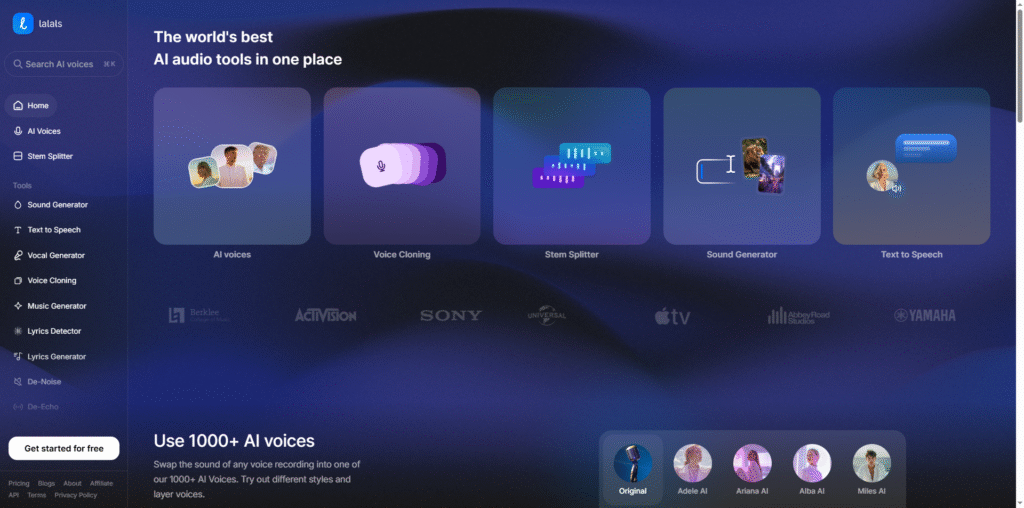
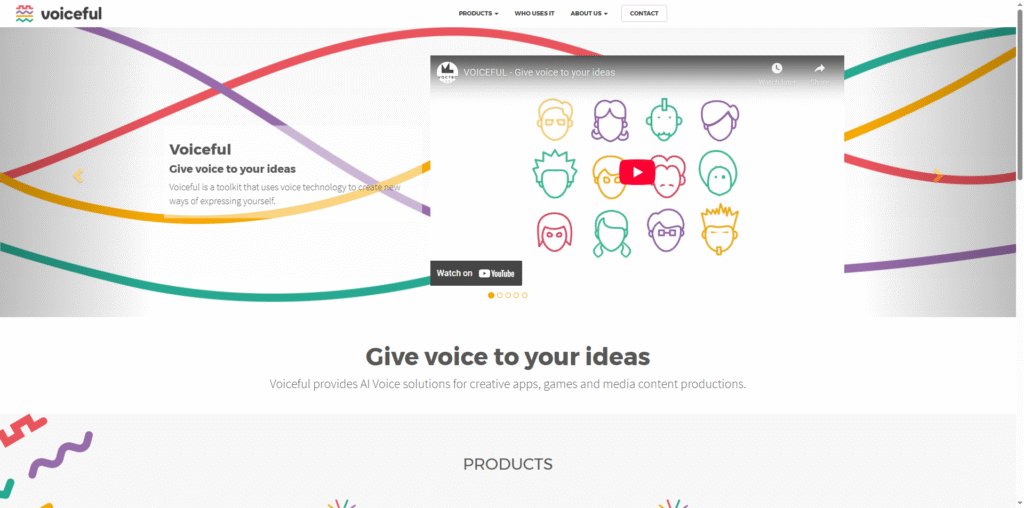
While FakeYou is a leading AI voice generator, several other platforms offer similar capabilities. Below is a comparison of notable alternatives:
| Tool Name | Description |
|---|---|
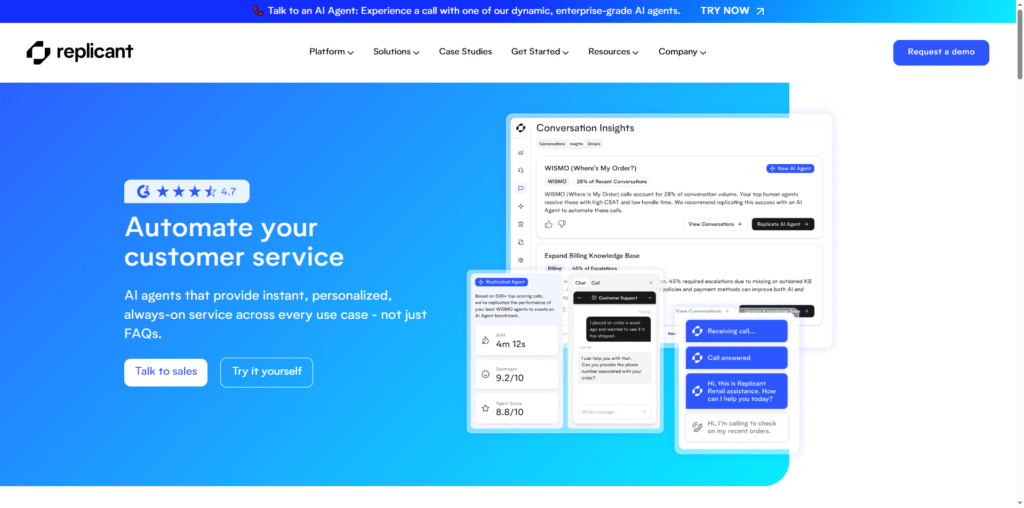
| Speechify | Speechify converts text into natural-sounding speech and is widely used for reading articles, documents, and educational materials. |
| Play.ht | Play.ht provides AI voice generation for podcasts, videos, and e-learning, offering realistic voices in multiple languages. |
| Murf AI | Murf AI enables users to create professional voiceovers for presentations, ads, and training videos with advanced editing tools. |
| LOVO AI | LOVO AI offers a wide range of voices and emotional tones, making it ideal for storytelling and marketing content. |
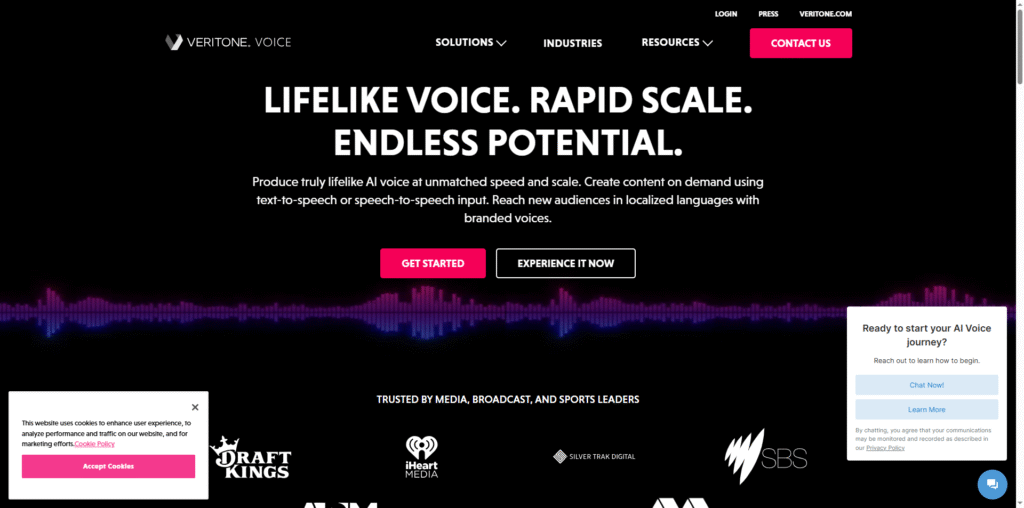
| Respeecher | Respeecher focuses on high-quality voice cloning for film, gaming, and media production, replicating real human voices with precision. |
Ethical and Legal Considerations
As with any AI technology that replicates human likeness, FakeYou raises important ethical and legal questions. Voice cloning can blur the line between parody and impersonation, potentially leading to misuse. It is crucial for users to understand the boundaries of fair use and consent when generating content involving real individuals.
In 2023, several jurisdictions began drafting legislation to regulate synthetic media. For instance, the European Union’s AI Act includes provisions requiring transparency when AI-generated content is used in public communication. Similarly, U.S. states like California have enacted laws addressing “deepfake” misuse in political and commercial contexts.
Responsible use of FakeYou involves adhering to ethical guidelines such as:
- Obtaining consent when replicating identifiable voices.
- Clearly labeling AI-generated content to avoid deception.
- Avoiding defamatory or misleading representations.
- Respecting intellectual property and privacy rights.
The Future of AI Voice and Video Generation
The future of AI-generated voices and videos looks promising, with continuous improvements in realism and customization. According to a 2024 report by MarketsandMarkets, the global AI voice synthesis market is projected to reach over $5 billion by 2028, driven by demand in entertainment, education, and accessibility sectors.
Emerging trends include:
- Emotionally Intelligent Voices: AI models capable of expressing nuanced emotions to enhance storytelling.
- Real-Time Voice Conversion: Tools that allow live voice transformation during streaming or gaming.
- Multimodal AI Integration: Combining voice, video, and gesture synthesis for fully immersive digital avatars.
- Ethical AI Frameworks: Development of transparent systems that ensure responsible and fair use of synthetic media.
FakeYou and similar platforms are expected to play a central role in shaping these innovations, bridging creativity and technology in unprecedented ways.
Conclusion
FakeYou represents a significant milestone in the evolution of AI-generated media. By democratizing access to realistic voice and video synthesis, it empowers creators to experiment, entertain, and communicate in new dimensions. However, with great power comes responsibility—users must remain mindful of ethical boundaries and authenticity when leveraging such technology.
As AI continues to redefine how we produce and consume content, platforms like FakeYou will likely inspire a new era of digital artistry. Whether used for humor, education, or storytelling, the ability to generate lifelike voices at scale is transforming the creative landscape and setting the stage for the next wave of human-AI collaboration.