
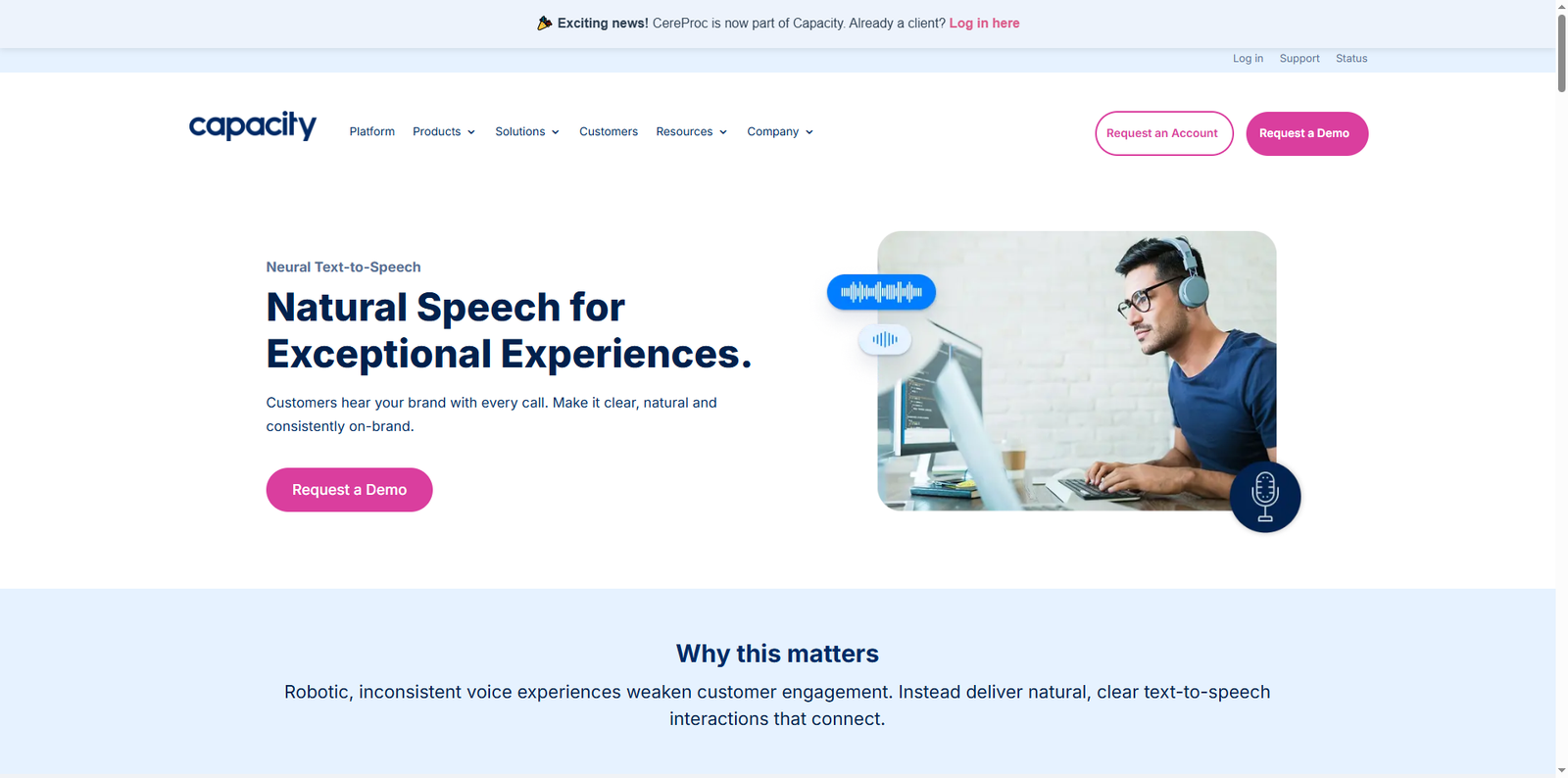




In today’s digital landscape, voice technology has become a crucial part of customer engagement and brand identity. CereProc stands out as a pioneer in neural text-to-speech (TTS) innovation, offering lifelike, expressive voices that transform how businesses communicate. This article explores CereProc’s technology, integration capabilities, and its role in shaping the future of voice AI.
Outline
- Introduction to CereProc
- The Technology Behind CereProc
- Integration and Deployment Options
- Applications Across Industries
- Top Alternatives to CereProc
- The Future of Neural TTS
- Conclusion
Introduction to CereProc
Founded in Edinburgh, Scotland, CereProc has been at the forefront of speech synthesis since 2005. The company’s mission is to create the world’s most expressive and natural-sounding synthetic voices. Using advanced neural networks, CereProc’s text-to-speech engine replicates human intonation, rhythm, and emotion, enabling brands to deliver consistent and engaging voice experiences.
According to data from the company, CereProc’s systems handle over 6.6 billion text-to-speech interactions and 14.7 billion ASR/transcription interactions annually. These impressive figures highlight its scalability and reliability in enterprise environments.
The Technology Behind CereProc
CereProc’s neural TTS technology is built on deep learning models trained on extensive datasets of human speech. This allows the system to generate voices that sound remarkably natural and contextually appropriate. The technology focuses on three main pillars:
1. Neural Speech Synthesis
Unlike traditional concatenative or parametric TTS systems, CereProc’s neural synthesis uses AI-driven models to produce speech that captures subtle nuances like tone, pitch, and emotional inflection. This results in voices that feel more human and less robotic.
2. Multilingual Voice Library
CereProc supports multiple languages and accents, offering both male and female voice options. This multilingual capability makes it ideal for global organizations that need to maintain brand consistency across different markets.
3. End-to-End ASR Compatibility
The platform is optimized to work seamlessly with automatic speech recognition (ASR) systems, enabling real-time, bidirectional communication. This integration is particularly valuable for contact centers and virtual assistants that rely on natural, conversational interactions.
Integration and Deployment Options
CereProc’s architecture is designed for flexibility and scalability. Businesses can integrate the TTS engine into their existing systems using industry-standard APIs such as MRCP and gRPC. This makes it easy to replace legacy TTS engines with modern neural solutions without disrupting workflows.
Deployment Models
Organizations can choose from several deployment options depending on their infrastructure and security requirements:
- On-Premise: Ideal for enterprises with strict data control and compliance needs.
- Cloud: Offers scalability and easy access for distributed teams.
- Hybrid: Combines the benefits of both on-premise and cloud environments.
- SaaS: Managed by CereProc for simplified deployment and maintenance.
Containerized Microservices
The platform uses containerized microservices, ensuring that each component operates independently. This architecture enhances reliability, scalability, and fault tolerance, allowing continuous operation even during maintenance or updates.
Applications Across Industries
CereProc’s technology is used across a wide range of industries, from entertainment to customer service. Below are some key applications:
1. Contact Centers
By integrating CereProc’s voices into contact center software, businesses can deliver consistent, on-brand voice experiences. The natural-sounding speech improves customer satisfaction and reduces fatigue associated with robotic voices.
2. Accessibility Solutions
For individuals with visual impairments or reading difficulties, CereProc provides voices that make digital content more accessible and engaging. Its expressive tones enhance comprehension and listener comfort.
3. Media and Entertainment
In film, gaming, and virtual reality, CereProc’s voices bring characters to life. Developers can create unique voice personas that align with specific emotional contexts or narrative styles.
4. Education and E-Learning
Educational platforms use CereProc to generate interactive, natural-sounding lessons. This improves learner engagement and retention, especially in language learning and auditory-based courses.
5. Smart Devices and IoT
From virtual assistants to smart appliances, CereProc’s voices enhance user interaction by making devices more intuitive and personable.
Top Alternatives to CereProc
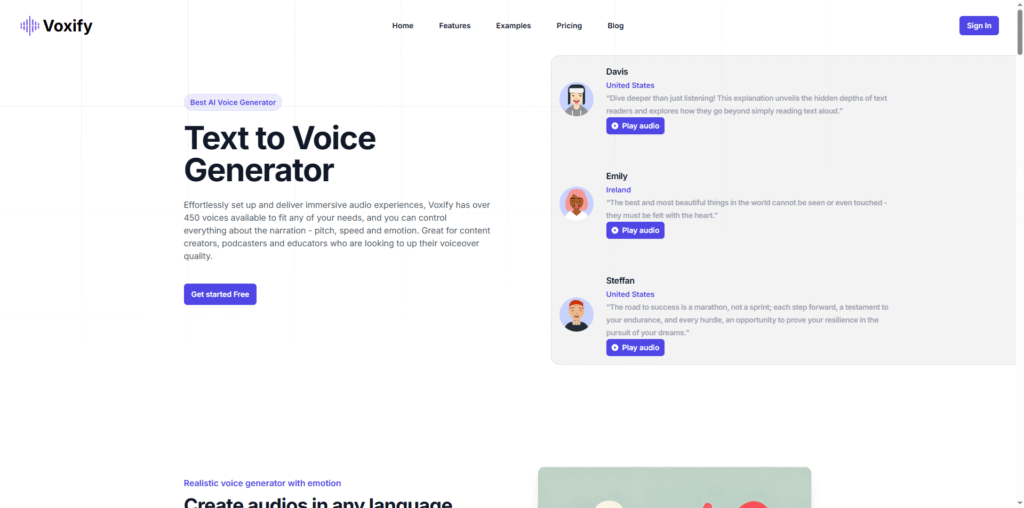
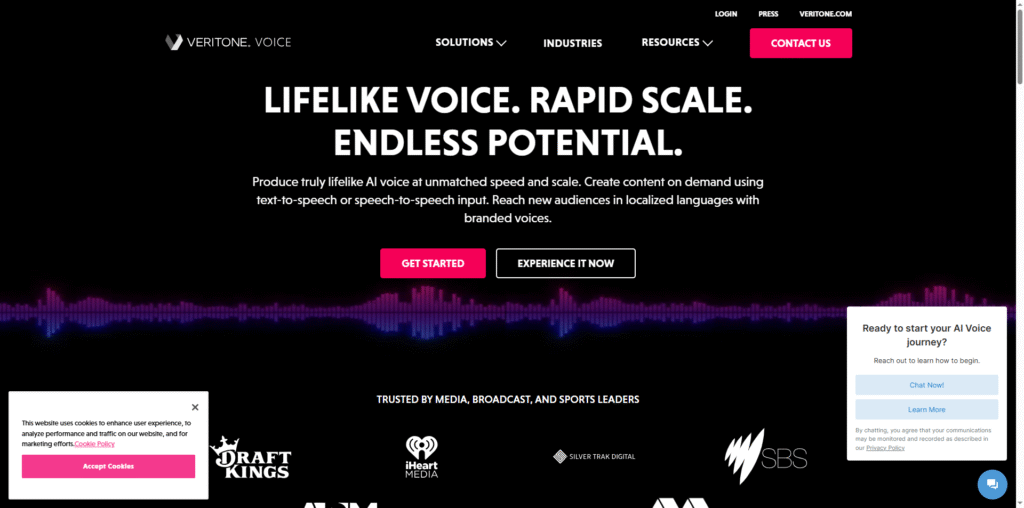
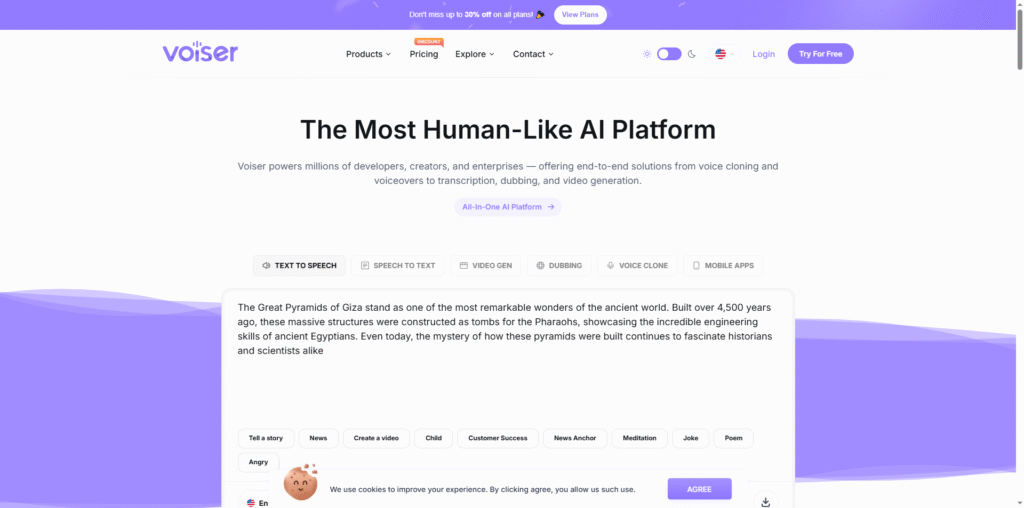
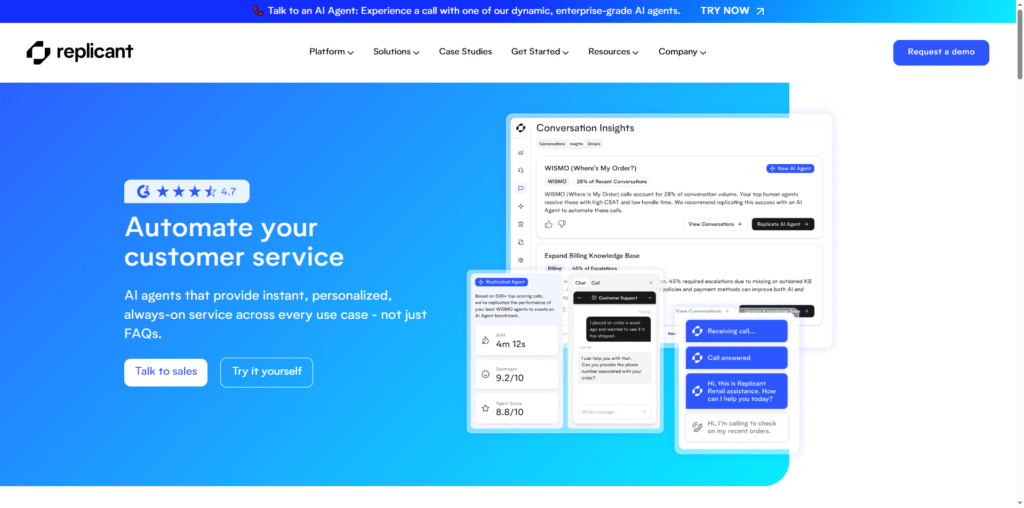
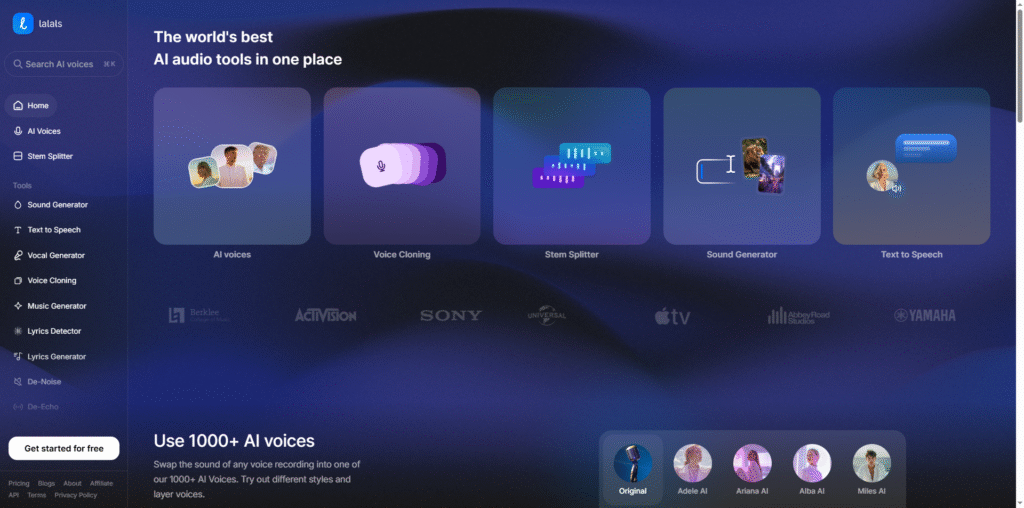
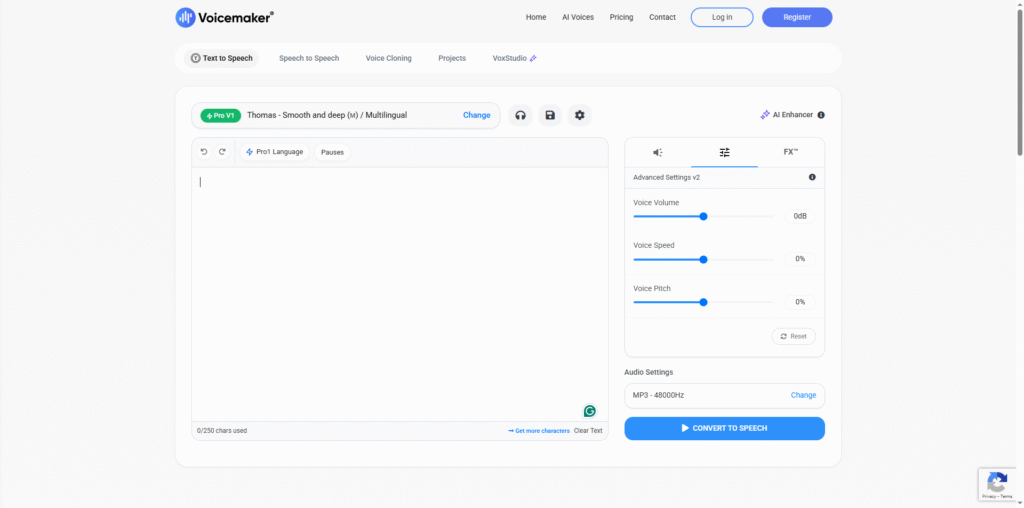
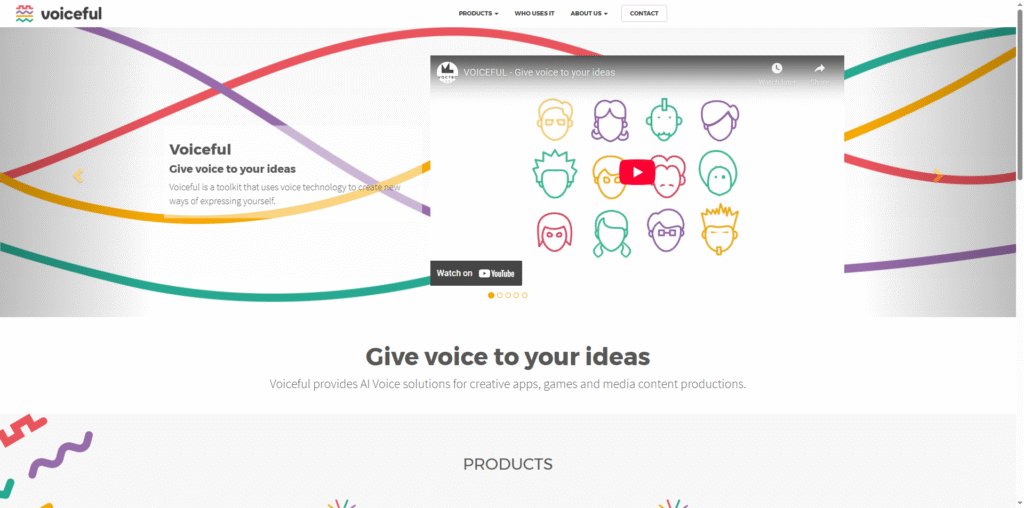
While CereProc is a leader in neural TTS, several other tools offer competitive capabilities. Below is a comparison table of popular alternatives:
| Tool Name | Description |
|---|---|
| Google Cloud Text-to-Speech | Uses DeepMind’s WaveNet technology to produce realistic speech in multiple languages and voices. |
| Microsoft Azure Speech | Provides customizable neural voices and integrates seamlessly with Azure’s AI ecosystem. |
| Amazon Polly | Transforms text into lifelike speech and supports real-time streaming for interactive applications. |
| IBM Watson Text-to-Speech | Offers expressive voices with adjustable tone and pitch for personalized user experiences. |
| Respeecher | Specializes in voice cloning and speech synthesis for media production and entertainment. |
The Future of Neural TTS
The future of neural text-to-speech lies in hyper-personalization and emotional intelligence. As AI models evolve, systems like CereProc will be able to adapt voices dynamically based on user sentiment, context, and intent. This will enable truly conversational AI that feels indistinguishable from human interaction.
Moreover, advancements in multilingual synthesis will allow seamless cross-language communication, breaking down barriers in global customer engagement. With increasing adoption in industries like healthcare, education, and entertainment, neural TTS is poised to become a cornerstone of digital transformation.
Conclusion
CereProc has established itself as a trailblazer in the field of neural text-to-speech, delivering voices that resonate with authenticity and emotion. Its flexible integration options, scalable architecture, and multilingual support make it a preferred choice for enterprises seeking to enhance their voice-driven experiences. As the demand for natural, human-like speech continues to grow, CereProc’s innovations will play a pivotal role in shaping the next generation of voice technology.
Whether you’re a developer, brand strategist, or technology leader, exploring CereProc’s capabilities can open new possibilities for creating meaningful, voice-first interactions that truly connect with audiences.