


Outline
- Introduction
- What is Altered.ai?
- How Altered.ai Works
- Applications of Altered.ai
- Benefits of Using Altered.ai
- Alternatives to Altered.ai
- The Future of Voice AI Technology
- Conclusion
Introduction
In the rapidly evolving world of artificial intelligence, voice technology has become one of the most exciting frontiers. Among the pioneers in this field is Altered.ai, a platform that redefines how we perceive and manipulate human voice. Whether for gaming, media production, or accessibility, Altered.ai offers a revolutionary approach to real-time voice transformation. According to industry reports from Grand View Research, the global speech and voice recognition market is projected to reach over USD 50 billion by 2030, demonstrating the growing importance of voice-based AI tools. Altered.ai stands at the forefront of this transformation, empowering creators and professionals to explore new dimensions of vocal identity.
What is Altered.ai?
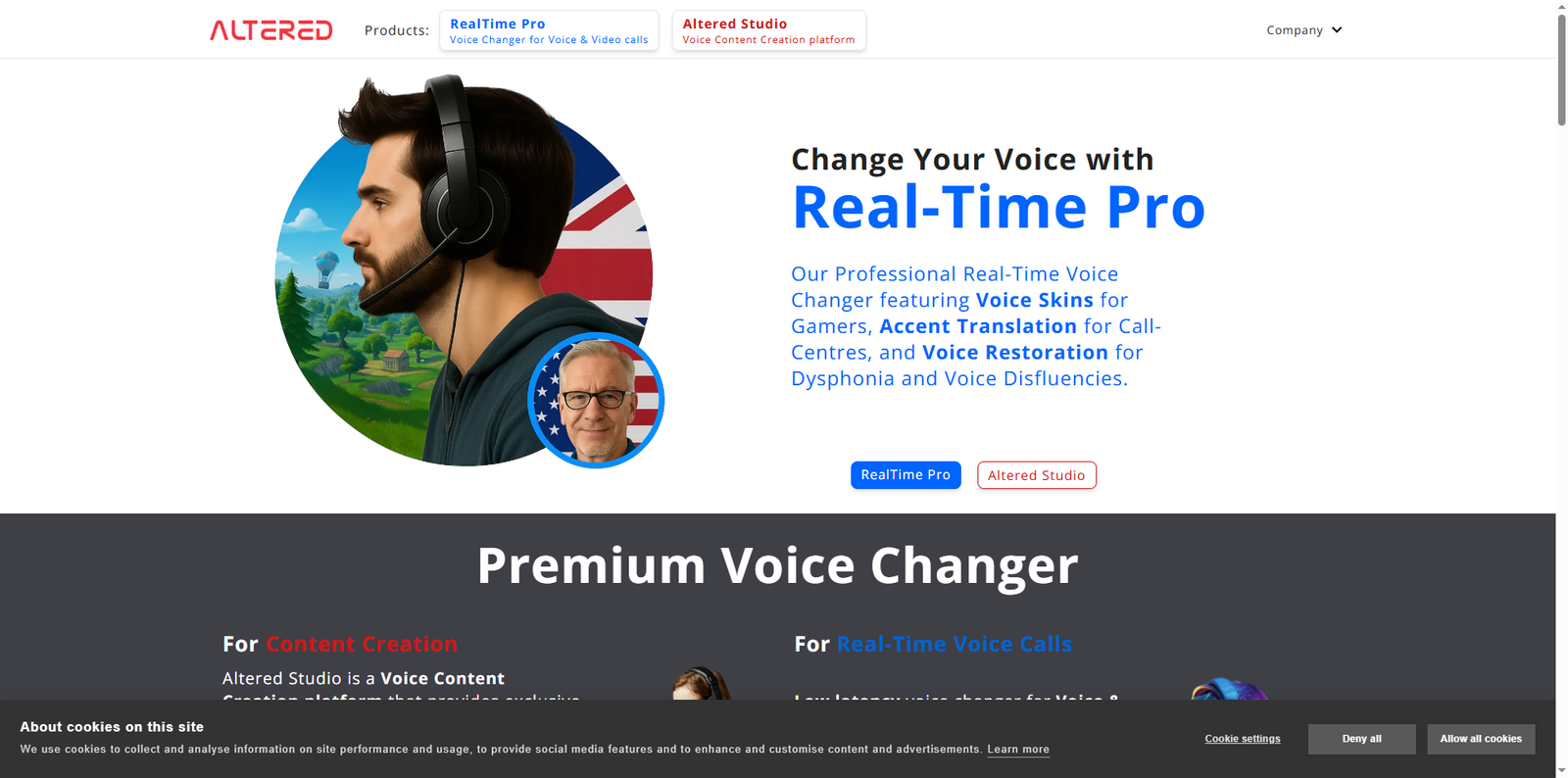
Altered.ai is an advanced voice content creation platform that integrates multiple AI-driven technologies to enable real-time and post-production voice morphing. The platform allows users to change their voice into a wide range of curated or custom voices while maintaining natural speech patterns, tone, and emotional inflection. It’s designed for various use cases—from gaming and streaming to professional voice restoration and media production.
Unlike traditional voice changers, Altered.ai uses speech-to-speech voice morphing rather than simple pitch or modulation adjustments. This means the AI analyzes the speaker’s voice characteristics and recreates them in a new vocal identity while preserving linguistic nuances. The result is a realistic, high-quality transformation that feels authentic and expressive.
How Altered.ai Works
At its core, Altered.ai leverages deep learning models trained on extensive voice datasets. These models can interpret and reconstruct speech patterns in real time. The platform offers two primary modes of operation:
1. Real-Time Voice Morphing
This mode focuses on low-latency voice transformation suitable for live applications such as gaming, streaming, or video conferencing. It uses only a few CPU cores (typically 1–4 on an 8+ core machine) to deliver instantaneous results without noticeable delay. The system ensures that the transformed voice retains the tempo and rhythm of the original speech, providing a seamless conversational experience.
2. Media Production Voice Morphing
For professional audio and video production, Altered.ai provides high-end voice editing capabilities. This mode emphasizes flexibility and quality, allowing creators to refine recordings post-production. It requires more computational power, often utilizing GPUs to achieve studio-grade results. This makes it ideal for film dubbing, podcast creation, and advertising voiceovers.
Applications of Altered.ai
Altered.ai’s versatility makes it suitable for a wide range of industries and creative fields. Below are some of the most prominent applications:
For Gamers and Streamers
Gamers can use Altered.ai to adopt unique vocal identities that match their avatars or characters. This enhances immersion and entertainment value, especially in role-playing or virtual reality environments. Streamers can also use it to maintain anonymity or create branded personas that engage audiences more effectively.
For Call Centers and Remote Teams
Altered.ai’s Accent Translation feature allows users to change their accent while preserving their voice’s individuality. This is particularly beneficial for customer service teams operating globally. For instance, a support agent in India can communicate with a British or American accent, improving clarity and customer experience without losing authenticity.
For Accessibility and Voice Restoration
One of the most impactful uses of Altered.ai is in healthcare and accessibility. The platform’s Voice Restoration technology, known as Euphonia, helps individuals with dysphonia or other speech disfluencies regain their ability to communicate naturally. By reconstructing the user’s original voice characteristics, it restores confidence and independence in daily communication.
For Media and Content Production
Content creators, filmmakers, and podcasters can leverage Altered.ai to produce diverse voice performances without hiring multiple voice actors. The AI enables seamless dubbing, localization, and creative experimentation, saving time and expanding creative possibilities.
Benefits of Using Altered.ai
Altered.ai provides numerous advantages that make it a standout solution in the voice technology landscape:
- Realistic Voice Output: The AI maintains natural inflection, tone, and rhythm, resulting in lifelike transformations.
- Low Latency Performance: Ideal for live applications such as gaming and streaming.
- Accessibility Support: Enables voice restoration for individuals with speech impairments.
- Creative Flexibility: Offers endless possibilities for content creators and media professionals.
- Privacy and Identity Protection: Allows users to mask their real voice during online interactions.
Alternatives to Altered.ai
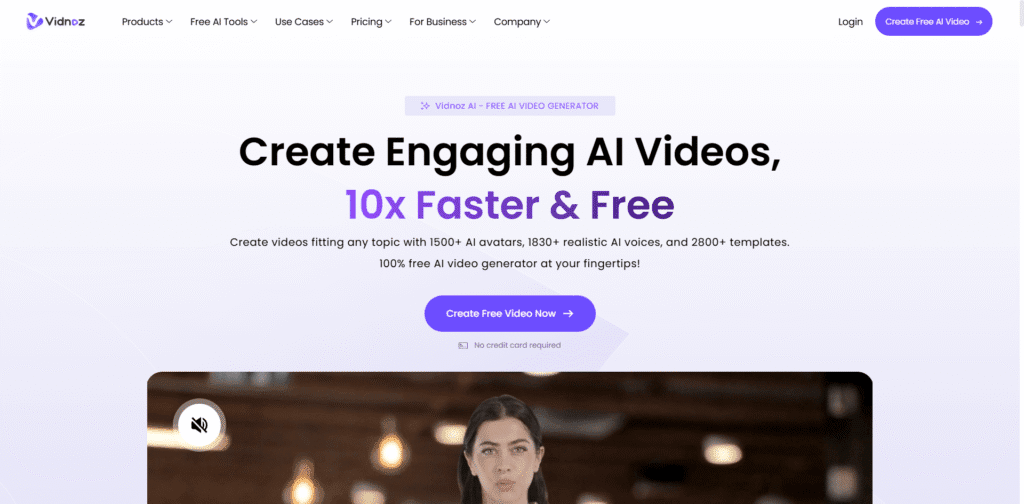
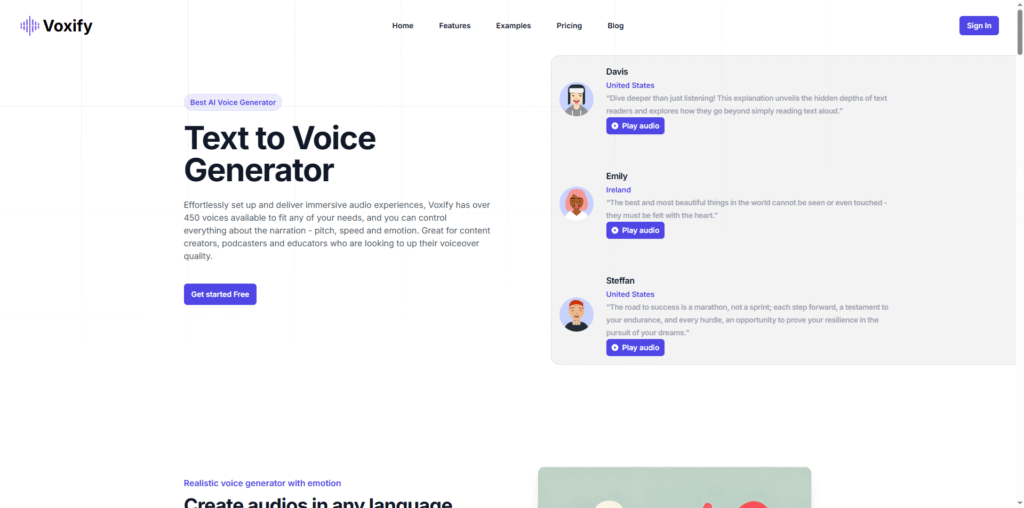
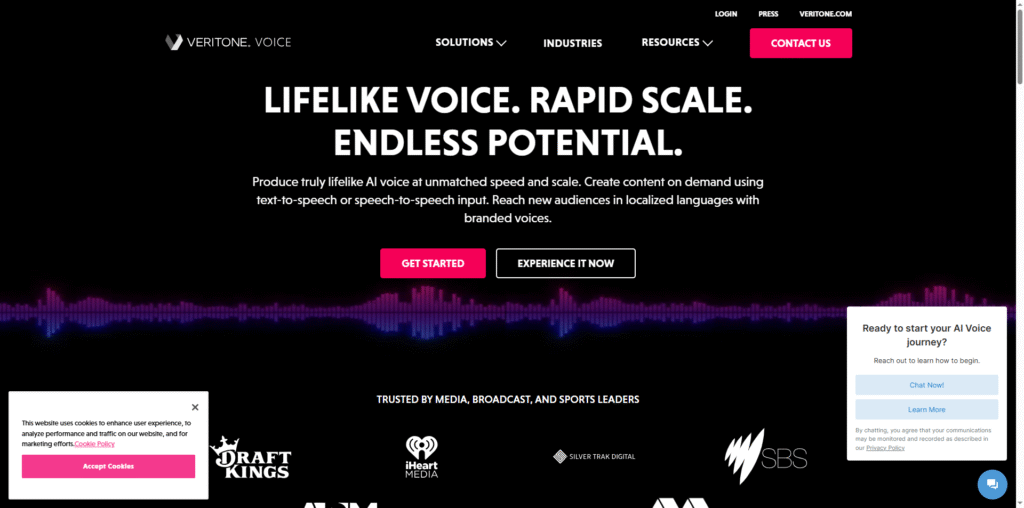
While Altered.ai is an industry leader, several other tools also offer innovative voice transformation and editing capabilities. Below is a table listing some noteworthy alternatives:
| Tool Name | Description |
|---|---|
| Voicemod | A popular real-time voice changer for gamers and streamers, offering a wide variety of sound effects and voice filters. |
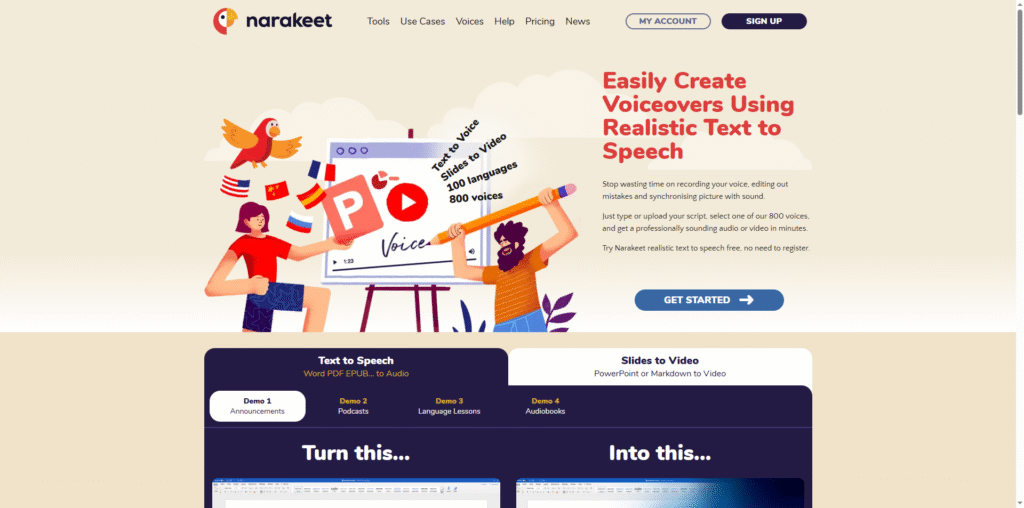
| Murf AI | An AI-powered voiceover generator designed for professional presentations, videos, and e-learning content. |
| Respeecher | Specializes in high-quality voice cloning for film and media production, used by major studios for dubbing and localization. |
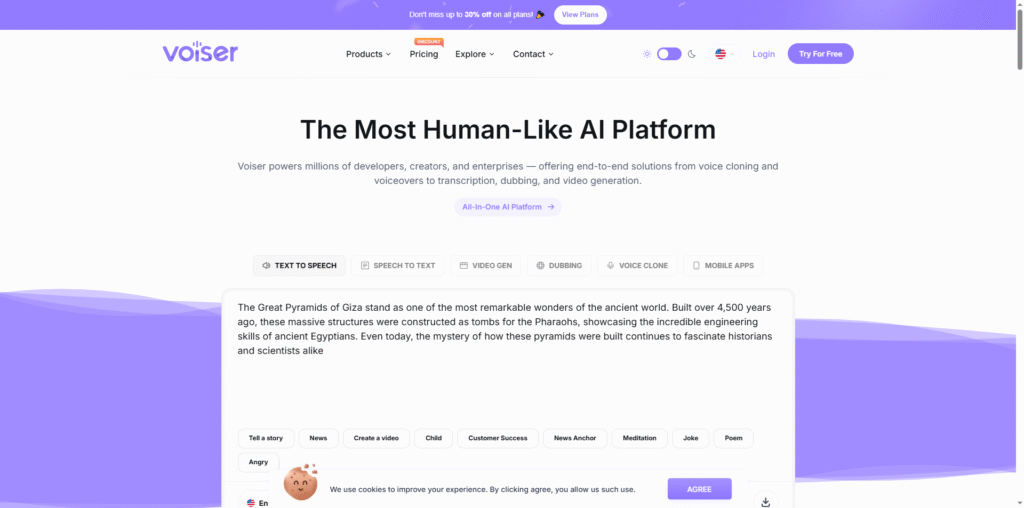
| Speechelo | A text-to-speech tool that converts written content into natural-sounding voiceovers for marketing and content creation. |
| Descript | Offers advanced audio editing and overdub features, allowing creators to modify or replace voice segments seamlessly. |
The Future of Voice AI Technology
The future of voice AI is poised to reshape communication, entertainment, and accessibility. As deep learning models become more sophisticated, we can expect even greater realism and emotional depth in synthetic voices. According to Statista, the number of voice assistant users worldwide is expected to surpass 8.4 billion by 2024, highlighting the growing integration of voice technology into daily life.
Altered.ai’s continuous innovation positions it as a key player in this evolution. Future updates may include multilingual voice synthesis, emotional modulation, and enhanced real-time collaboration features. These advancements will not only improve creative workflows but also make digital communication more inclusive and expressive.
Conclusion
Altered.ai represents a groundbreaking leap in voice technology, blending creativity, accessibility, and artificial intelligence into a single platform. Its ability to transform voices in real time, restore speech for individuals with impairments, and empower creators across industries makes it a transformative tool in the digital era. As AI-driven voice solutions continue to evolve, Altered.ai stands as a testament to how technology can amplify human expression and connection. Whether you’re a gamer, content creator, or professional communicator, exploring Altered.ai opens the door to a world where your voice truly knows no limits.