


Outline
- Introduction
- About Acapela Group
- The Technology Behind Acapela Group
- Applications of Acapela Group’s Solutions
- Accessibility and Inclusivity
- Alternative Text-to-Speech Tools
- The Future of Voice Technology
- Conclusion
Introduction
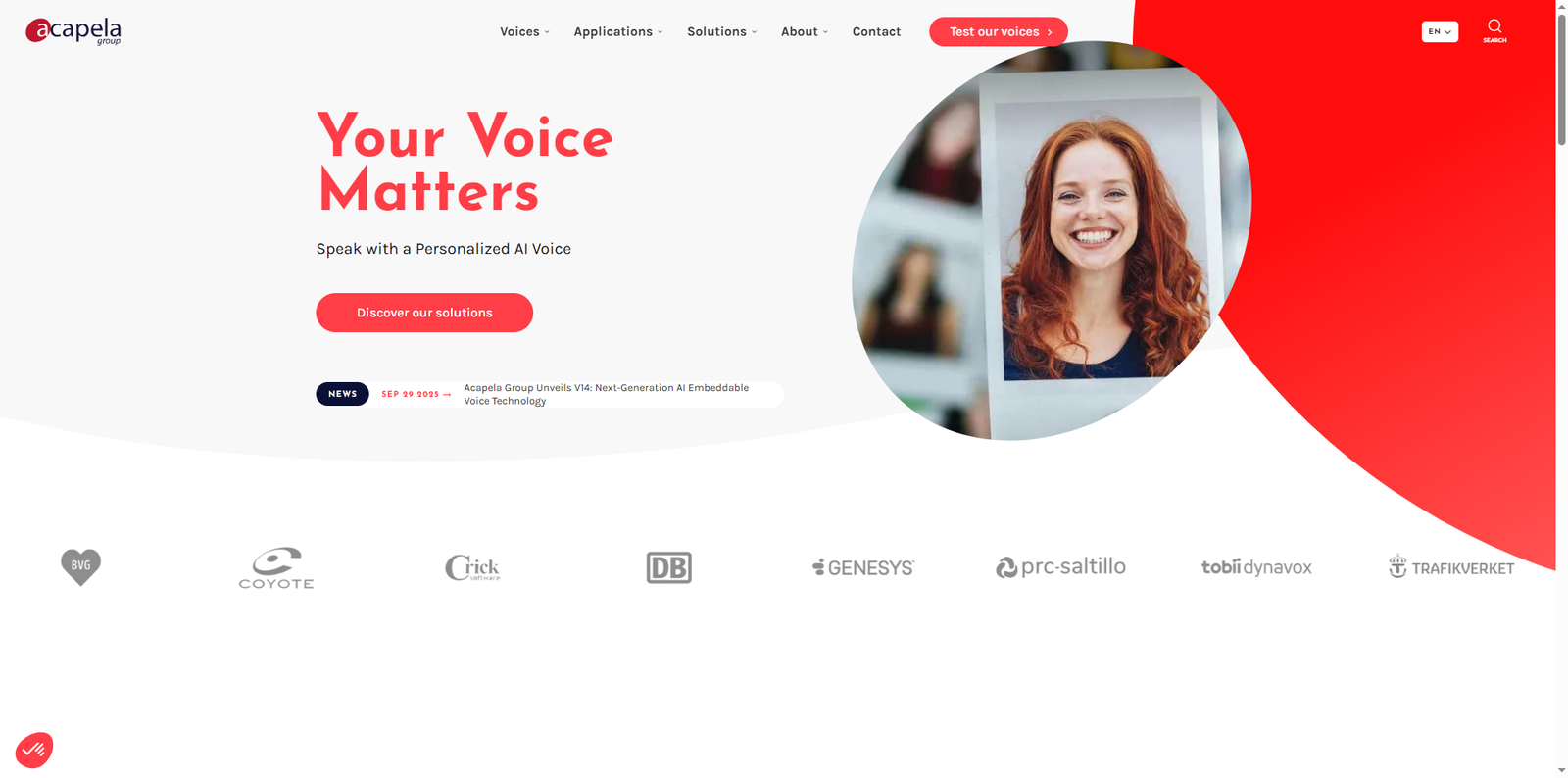
In an era where digital communication is evolving rapidly, voice technology has become a cornerstone of accessibility, personalization, and user experience. Among the pioneers in this domain, Acapela Group stands out as a leading provider of text-to-speech (TTS) solutions that bring authentic, human-like voices to life. With more than two decades of innovation, the company has been instrumental in shaping how machines communicate with humans, offering expressive voices that adapt to different languages, emotions, and contexts.
Founded in 2003 and headquartered in Mons, Belgium, Acapela Group has established itself as a global leader in speech synthesis. The company’s mission is to create voices that reflect diversity and individuality, enabling users to express themselves naturally through digital interfaces. Acapela’s technology supports over 30 languages and hundreds of unique voices, making it one of the most versatile TTS providers in the world.
Acapela Group’s research and development teams focus on combining artificial intelligence, deep learning, and linguistic expertise to produce lifelike voices. Their approach goes beyond simple text reading — it’s about delivering expressive speech that conveys tone, rhythm, and emotion. This makes their solutions ideal for industries such as education, healthcare, automotive, and entertainment.
The Technology Behind Acapela Group
Acapela Group’s technology is built on advanced neural network architectures that mimic human speech patterns. The company has developed proprietary voice synthesis models that analyze phonetic structures and prosody to generate natural-sounding voices. Their AI-driven system can interpret punctuation, context, and even emotional cues to produce speech that feels genuine and engaging.
Voice Banking and Custom Voices
One of Acapela’s most notable innovations is its voice banking service, which allows individuals to preserve their own voice digitally. This is particularly valuable for people with degenerative speech conditions such as ALS. By recording a set of sentences, users can create a synthetic version of their voice that can be used with assistive communication devices. This technology has empowered thousands of individuals to maintain their identity and communicate authentically.
Neural TTS and Deep Learning
Acapela’s neural TTS models leverage deep learning to enhance pronunciation accuracy and emotional expressiveness. The system continuously learns from large datasets of recorded speech, improving its ability to replicate subtle human nuances. This results in voices that sound less robotic and more conversational, a key factor in improving user engagement across digital platforms.
Applications of Acapela Group’s Solutions
Acapela Group’s TTS technology is used across a wide range of industries. Its adaptability and scalability make it suitable for both enterprise and personal use cases. Below are some of the most common applications:
1. Assistive Communication
Acapela’s voices are integrated into augmentative and alternative communication (AAC) devices, enabling individuals with speech impairments to express themselves clearly. The company collaborates with leading AAC manufacturers to deliver personalized voice options for users of all ages.
2. Automotive Industry
In the automotive sector, Acapela’s voices enhance in-car systems by providing natural, context-aware speech for navigation, infotainment, and safety alerts. This improves driver focus and overall user experience.
3. Education and E-Learning
Educational platforms use Acapela’s TTS technology to create engaging, multilingual learning experiences. By converting written content into spoken words, learners can improve comprehension and accessibility, particularly for those with reading difficulties or visual impairments.
4. Public Announcements and Customer Service
Airports, train stations, and call centers rely on Acapela’s voices for clear, consistent, and multilingual announcements. The company’s technology ensures that messages are delivered with clarity and precision, regardless of language or environment.
Accessibility and Inclusivity
Accessibility is at the heart of Acapela Group’s mission. The company has developed specialized voices for people with disabilities, including children’s voices and voices tailored for specific speech disorders. Their “My Own Voice” initiative exemplifies this commitment by allowing users to create a digital replica of their own voice before losing the ability to speak.
Acapela also supports organizations and developers in implementing inclusive design principles. By offering APIs and SDKs that integrate seamlessly with various platforms, they make it easier for developers to embed accessible voice solutions into their products. This aligns with global accessibility standards such as WCAG and Section 508, ensuring that digital experiences are inclusive for everyone.
Alternative Text-to-Speech Tools
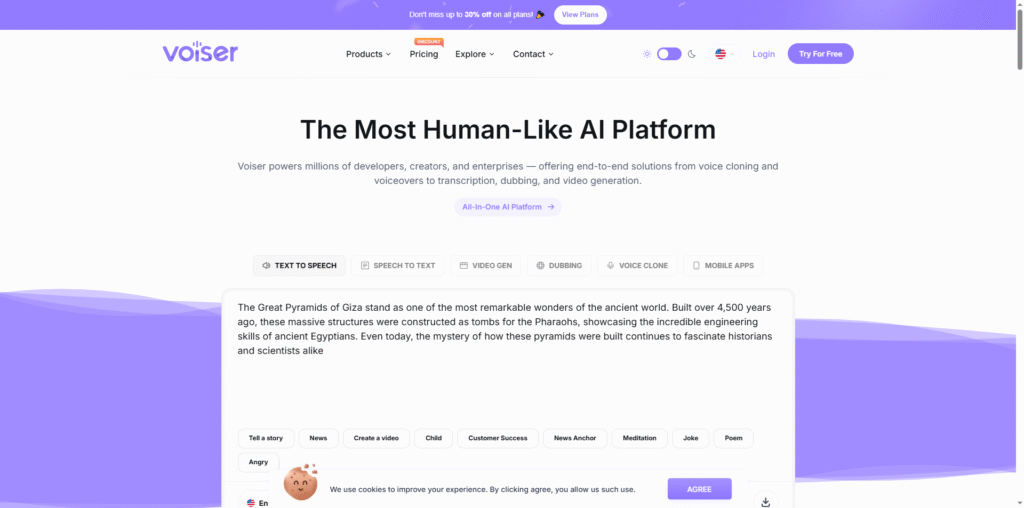
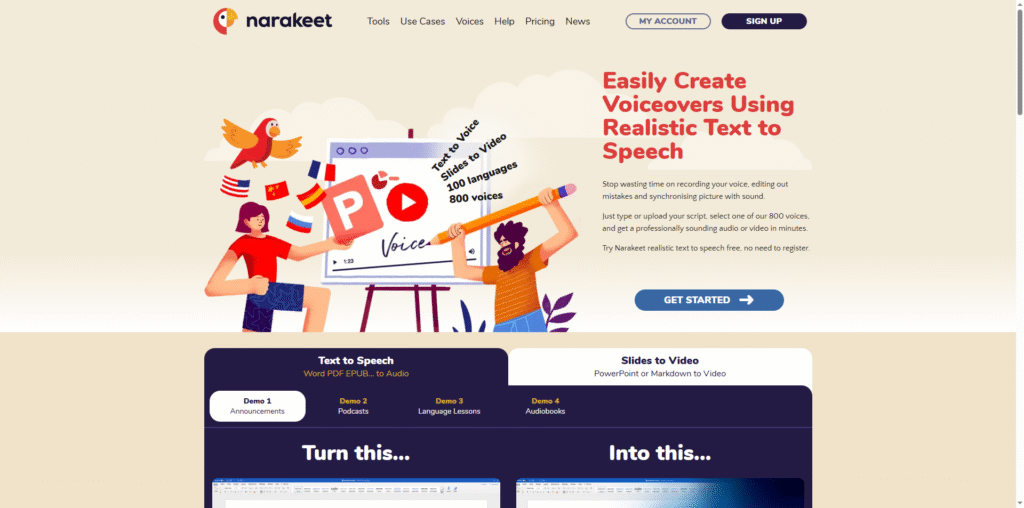
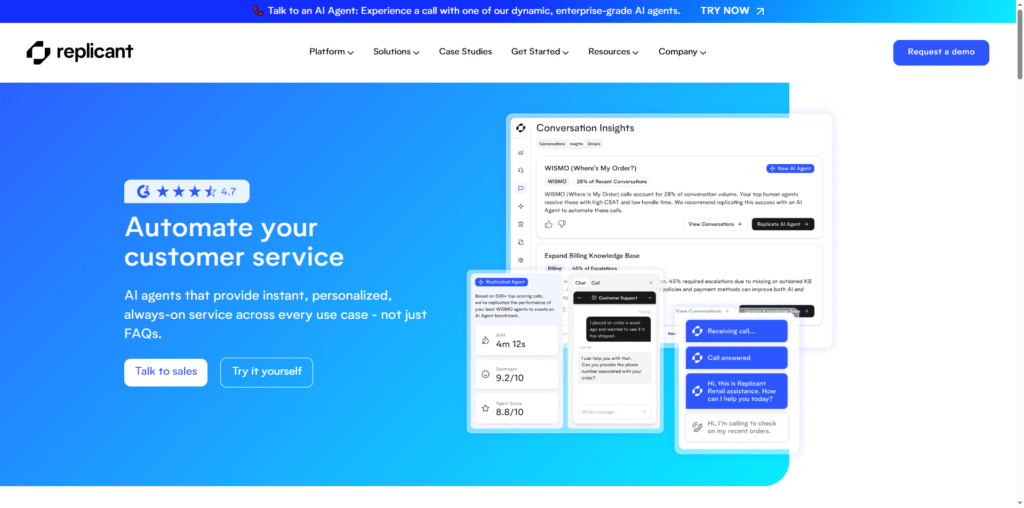
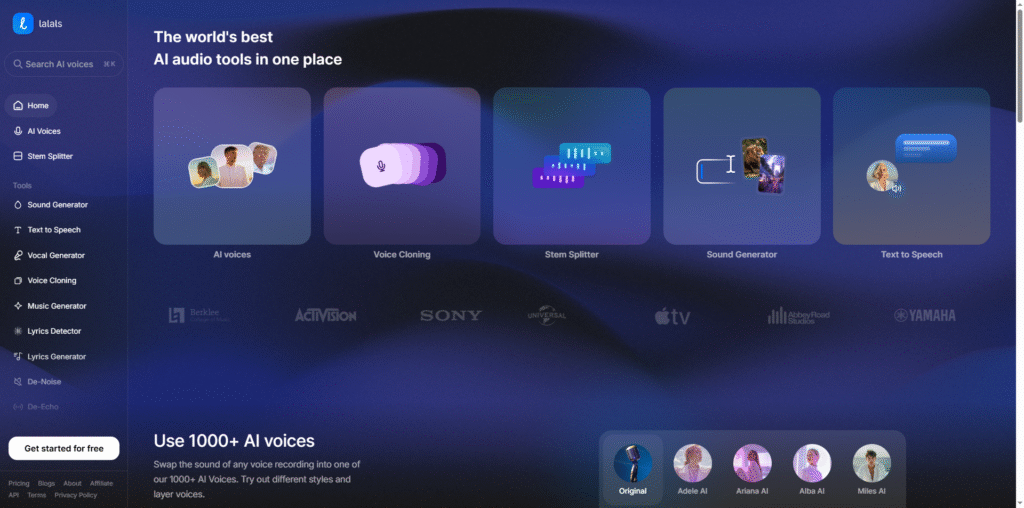
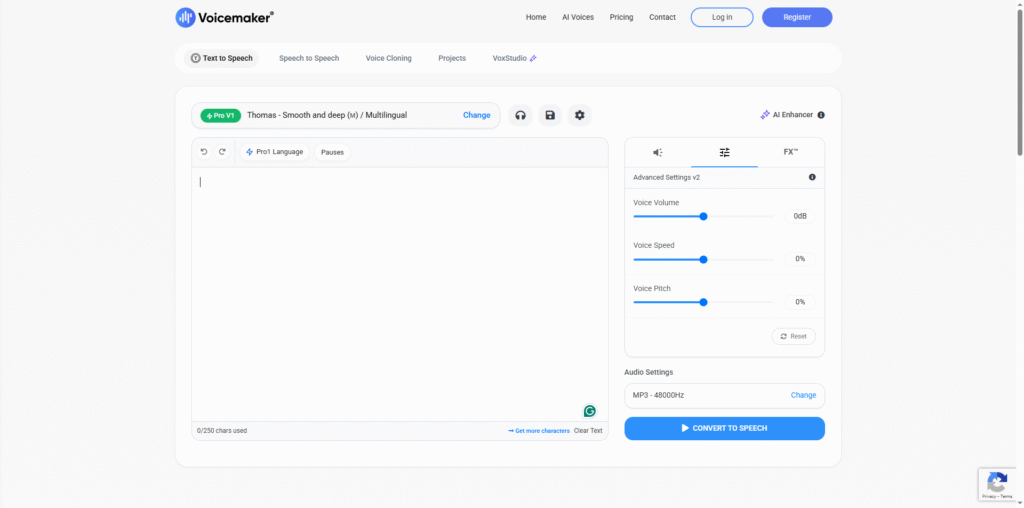
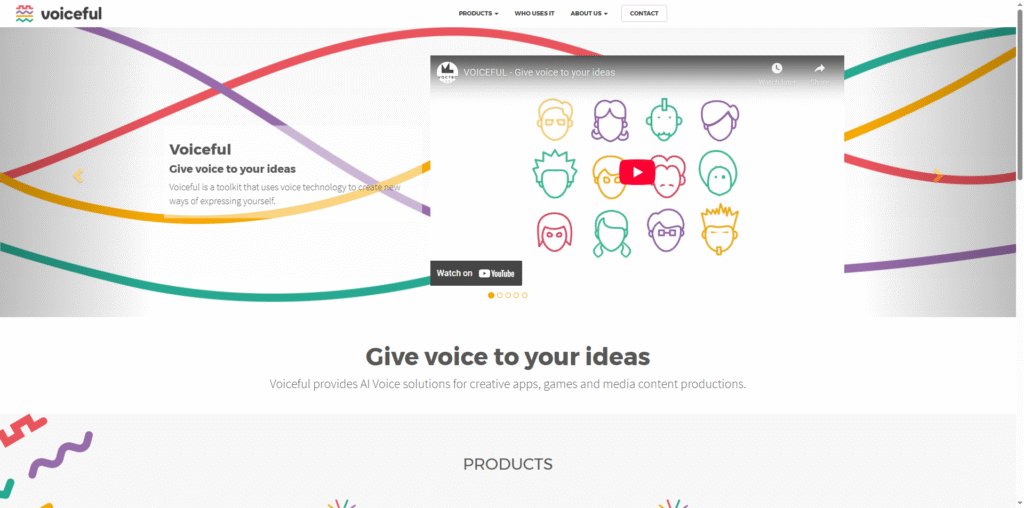
While Acapela Group is a leader in the TTS industry, several other tools also provide high-quality voice synthesis solutions. Below is a comparison table of alternative tools that developers and businesses may consider:
| Tool Name | Description |
|---|---|
| Google Cloud Text-to-Speech | Offers AI-driven voices with support for multiple languages and dialects, powered by Google’s neural networks. |
| Microsoft Azure Speech | Provides customizable neural voices and real-time speech synthesis for enterprise applications. |
| Amazon Polly | Converts text into lifelike speech using deep learning, suitable for interactive voice applications. |
| IBM Watson Text to Speech | Delivers expressive, natural-sounding voices for chatbots, virtual assistants, and accessibility tools. |
The Future of Voice Technology
The future of voice technology is moving toward hyper-personalization and emotional intelligence. Acapela Group continues to invest in research to make voices more adaptive and context-aware. Their focus on ethical AI ensures that synthetic voices are used responsibly, respecting privacy and identity. As voice interfaces become more prevalent in smart devices, virtual assistants, and metaverse environments, Acapela’s innovations will play a crucial role in shaping how humans interact with technology.
Moreover, the integration of multimodal AI—combining voice, vision, and gesture recognition—will redefine user experiences. Acapela’s ongoing collaborations with universities and research institutions aim to push the boundaries of what synthetic voices can achieve, from emotional storytelling to real-time translation.
Conclusion
Acapela Group has redefined the landscape of text-to-speech technology through its dedication to authenticity, inclusivity, and innovation. By merging linguistic expertise with artificial intelligence, the company has created voices that not only speak but also connect emotionally with users. From empowering individuals with speech impairments to enhancing digital communication across industries, Acapela’s impact is profound and far-reaching. As the demand for natural, human-like voices continues to grow, Acapela Group remains at the forefront of this transformation, giving technology a truly human voice.