


Outline
- Introduction
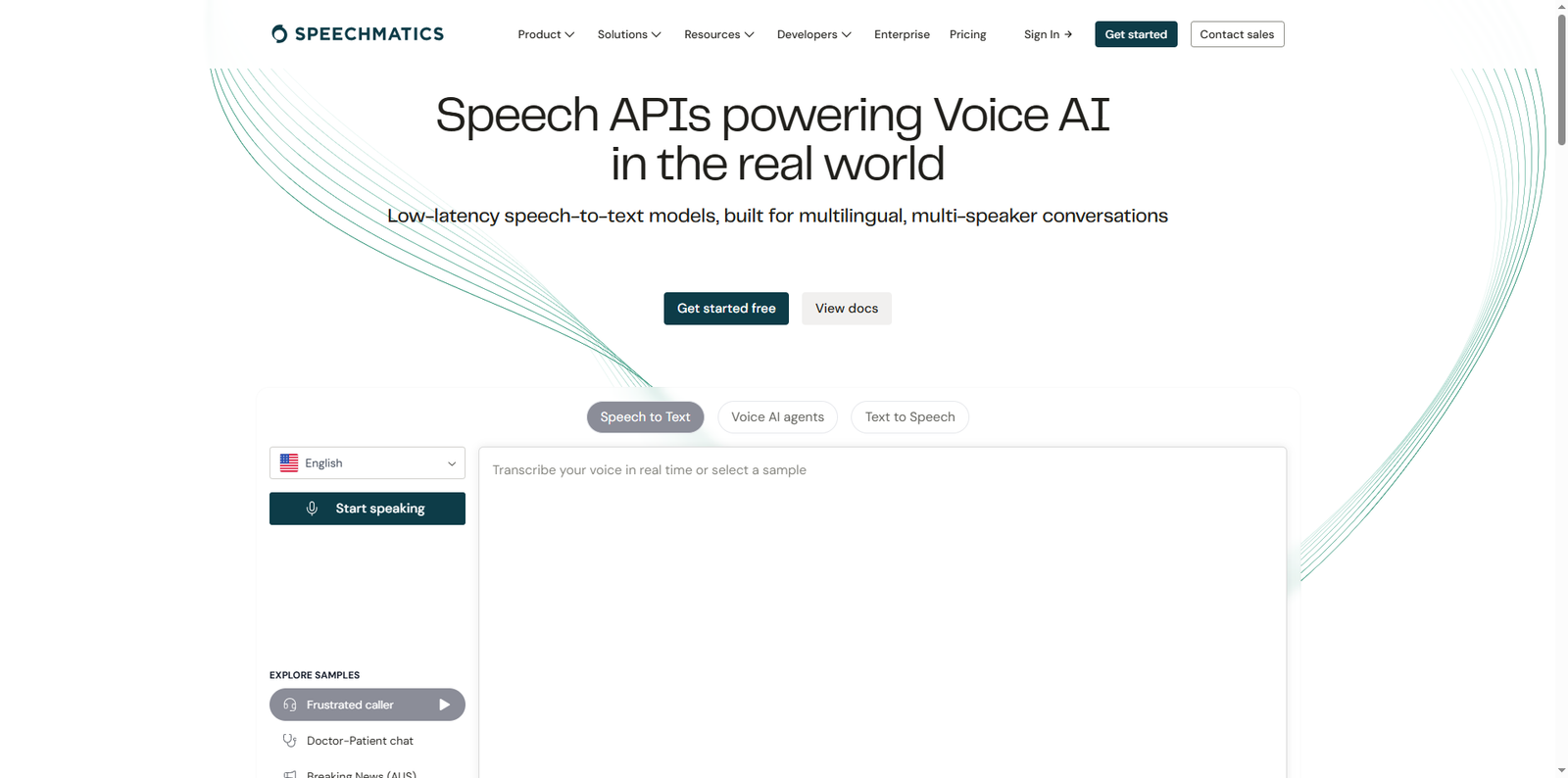
- What is Speechmatics?
- How Speechmatics Works
- Applications of Speechmatics Technology
- Key Benefits of Using Speechmatics
- Top Alternatives to Speechmatics
- The Impact of Speechmatics on Industries
- The Future of Speech Recognition
- Conclusion
Introduction
In today’s digital-first world, voice technology has become an essential part of how humans interact with machines. From virtual assistants to automated transcription, speech recognition is reshaping communication. Among the leading innovators in this space is Speechmatics, a UK-based company that leverages advanced machine learning to deliver highly accurate, multilingual speech-to-text solutions. Founded in 2006 by Dr. Tony Robinson, a pioneer in neural network-based speech recognition, the company has grown into a global leader trusted by enterprises, developers, and researchers alike.
What is Speechmatics?
Speechmatics is an AI-driven speech recognition platform that converts spoken language into written text with remarkable accuracy. The platform supports a wide range of languages and dialects, making it one of the most inclusive transcription technologies available. According to company data, Speechmatics’ technology can recognize more than 40 languages and dialects, with continuous improvements driven by deep learning and real-world data.
The company’s mission is to “understand every voice,” emphasizing inclusivity and fairness in AI models. This focus ensures that speech recognition works effectively across accents, genders, and demographic variations, addressing one of the biggest challenges in voice technology—bias reduction.
How Speechmatics Works
At its core, Speechmatics uses deep neural networks trained on vast datasets of spoken language. These models learn to identify phonetic patterns, linguistic structures, and contextual cues to produce accurate transcriptions. The system’s architecture is designed to adapt to different acoustic environments, enabling it to handle noisy backgrounds, overlapping speech, and varied recording qualities.
Core Components of the Technology
- Automatic Speech Recognition (ASR): Converts audio input into text using advanced neural networks.
- Language Models: Predicts word sequences to improve contextual accuracy.
- Acoustic Models: Understands sound patterns and phonemes across languages.
- AI Bias Mitigation: Continuously trained to minimize bias across accents and demographics.
Speechmatics also provides APIs and SDKs that allow developers to integrate speech-to-text capabilities into their own applications, whether for transcription services, voice analytics, or accessibility tools.
Applications of Speechmatics Technology
Speechmatics’ technology is applied across multiple industries, each benefiting from its ability to process and interpret spoken language efficiently. Below are some of the most common use cases:
1. Media and Broadcasting
Media companies use Speechmatics to automate captioning, subtitling, and content indexing. This not only saves time but also enhances accessibility for audiences worldwide.
2. Customer Service
Contact centers integrate Speechmatics’ ASR to transcribe calls, analyze sentiment, and improve customer experience through data-driven insights.
3. Education and Research
Universities and researchers use Speechmatics to transcribe lectures, interviews, and focus groups, enabling easier data analysis and accessibility for students.
4. Legal and Compliance
In legal settings, accurate transcription is critical. Speechmatics helps law firms and compliance teams generate reliable transcripts for documentation and auditing purposes.
5. Accessibility Solutions
By converting speech into text in real time, Speechmatics supports accessibility tools for the hearing-impaired, ensuring inclusivity in digital communication.
Key Benefits of Using Speechmatics
Speechmatics stands out due to its combination of accuracy, adaptability, and inclusivity. Below are some of the major benefits users experience:
- Multilingual Support: The platform supports dozens of languages and dialects, making it ideal for global organizations.
- Bias Reduction: Continuous AI training ensures fair recognition across diverse voices.
- Scalability: Cloud-based infrastructure allows seamless scaling for enterprise-level transcription needs.
- Integration Flexibility: APIs and SDKs enable integration with existing workflows and third-party applications.
- Real-Time Processing: Enables live captioning and instant transcription for dynamic environments.
Top Alternatives to Speechmatics
While Speechmatics is a leader in speech recognition, several other tools offer comparable capabilities. Below is a table listing some top alternatives worth exploring:
| Tool Name | Description |
|---|---|
| Google Cloud Speech-to-Text | A powerful speech recognition service by Google that supports real-time transcription and multiple languages. |
| Microsoft Azure Speech to Text | Microsoft’s AI-driven speech recognition tool offering customizable models and integration with Azure services. |
| Amazon Transcribe | Amazon Web Services’ transcription service designed for developers and enterprises seeking scalable speech recognition. |
| IBM Watson Speech to Text | IBM’s AI-based transcription platform offering real-time and batch processing with customizable language models. |
| Rev AI | A transcription and speech recognition API known for its high accuracy and developer-friendly integration options. |
The Impact of Speechmatics on Industries
Speechmatics has significantly influenced how industries handle voice data. According to a 2023 report by MarketsandMarkets, the global speech and voice recognition market is projected to reach over $28 billion by 2027, growing at a CAGR of 17.2%. This growth is fueled by the increasing demand for automated transcription and voice analytics—areas where Speechmatics plays a crucial role.
In media and entertainment, Speechmatics’ technology has improved accessibility and content discoverability. In enterprise environments, it has enhanced productivity by automating meeting transcriptions and enabling better data-driven decisions. Moreover, its commitment to ethical AI ensures that speech recognition technology evolves responsibly, reducing bias and improving inclusivity.
The Future of Speech Recognition
The future of speech recognition lies in greater contextual understanding, emotional intelligence, and multilingual fluency. As AI models become more sophisticated, tools like Speechmatics are expected to move beyond transcription to full conversational understanding. This will enable applications in areas such as real-time translation, sentiment analysis, and intelligent virtual assistants.
Speechmatics continues to invest heavily in research and development, focusing on unsupervised learning and self-adaptive models that can learn from new data without manual retraining. This approach promises to make speech recognition more accurate, efficient, and accessible to everyone, regardless of language or accent.
Conclusion
Speechmatics stands at the forefront of the speech recognition revolution, offering a robust, inclusive, and AI-driven platform that transforms spoken language into actionable text. Its commitment to understanding every voice reflects a broader vision of technological inclusivity and fairness. As industries increasingly rely on voice data for automation and analytics, Speechmatics’ innovations will continue to shape the future of communication. Whether for enterprises seeking scalable transcription or developers building voice-enabled applications, Speechmatics remains a trusted partner in unlocking the power of human speech through artificial intelligence.