


Outline
- Introduction
- What Is Storykit.io?
- How Storykit.io Simplifies Video Creation
- Who Uses Storykit.io?
- Benefits of Using Storykit.io
- Step-by-Step Workflow Overview
- Alternatives to Storykit.io
- Real-World Applications and Case Studies
- Conclusion
Introduction
In today’s digital-first world, video content dominates every platform—from social media to corporate communication. Yet, producing professional-quality videos often demands time, technical expertise, and creative resources. Storykit.io is changing that narrative by offering a platform that empowers anyone to create engaging, story-driven videos quickly and efficiently. This article explores how Storykit.io is transforming video storytelling, its workflow, and the best alternatives available for content creators.
What Is Storykit.io?
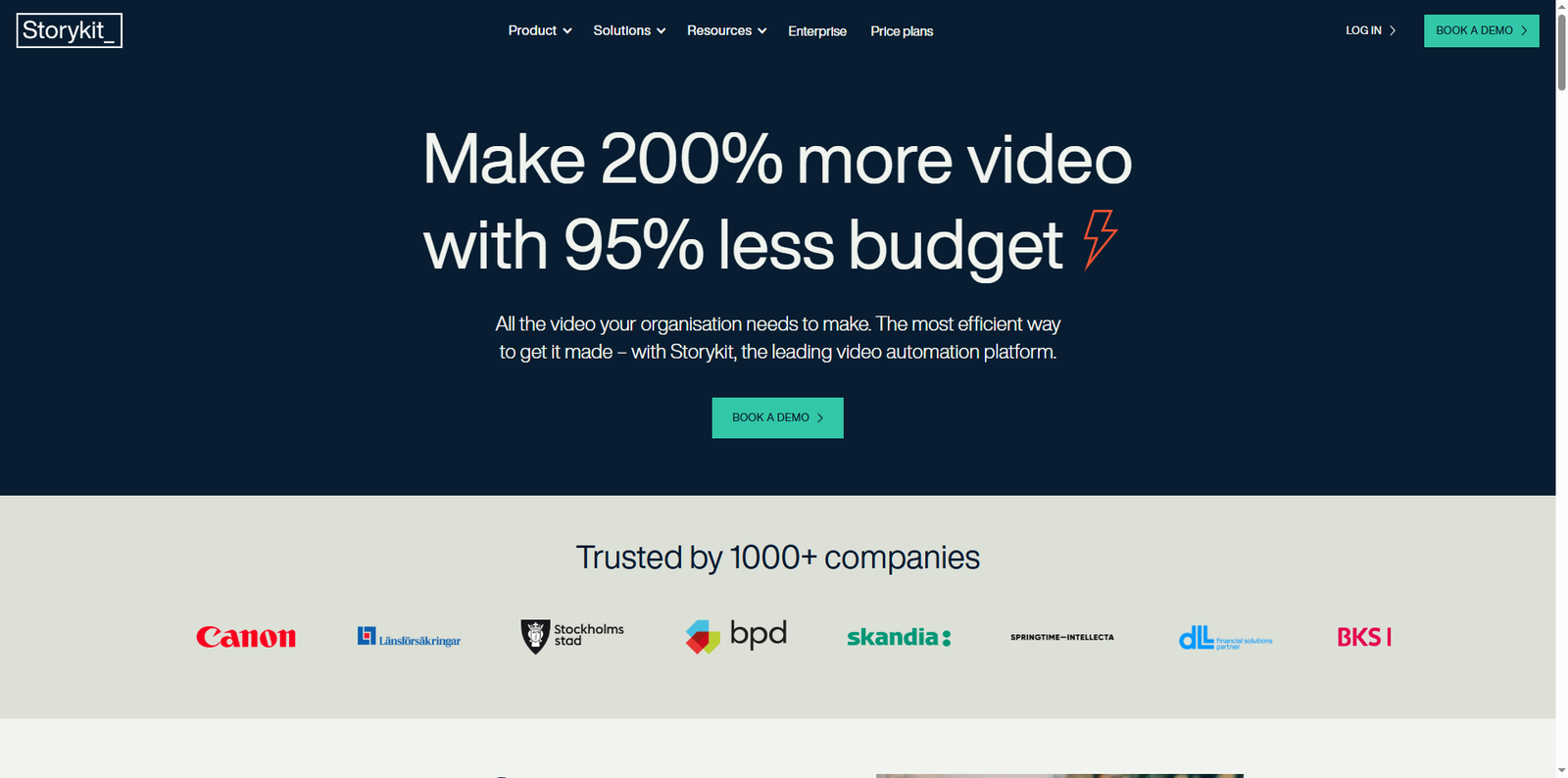
Storykit.io is a cloud-based video creation platform designed for marketers, communicators, and social media professionals. Founded in Sweden, Storykit has gained recognition for its innovative approach to video storytelling. Rather than relying on complex editing tools, Storykit focuses on turning written stories into captivating videos using a text-first methodology. The platform’s mission is to make video creation accessible to everyone, regardless of technical skill.
Key Concept: Text-to-Video Storytelling
Unlike traditional video editors, Storykit.io starts with the written word. Users input text, and the platform automatically generates video sequences, visuals, and transitions that align with the narrative. This approach allows communicators to focus on storytelling rather than technical production, making it ideal for teams that need to produce large volumes of content efficiently.
How Storykit.io Simplifies Video Creation
Storykit.io streamlines the video production process through automation and intelligent design. The platform uses templates, brand customization options, and AI-assisted editing to help users produce professional videos in minutes. It’s particularly useful for organizations that need to maintain consistent branding and messaging across multiple video campaigns.
Core Workflow Advantages
- Ease of Use: The intuitive interface allows users to create videos without prior editing experience.
- Automation: Storykit automates layout, transitions, and subtitles, reducing manual editing time.
- Collaboration: Teams can collaborate within the platform, ensuring smooth content approval workflows.
- Scalability: Ideal for organizations producing high volumes of social media or internal communication videos.
Who Uses Storykit.io?
Storykit.io is trusted by a wide range of organizations, including media companies, public sector institutions, and corporate communication teams. According to the company’s official website, clients such as Volvo Group, Scania, and the Swedish Public Employment Service have adopted Storykit to enhance their storytelling capabilities. These organizations use Storykit to create videos for recruitment, marketing, internal updates, and social media engagement.
Industries Benefiting from Storykit.io
| Industry | Use Case |
|---|---|
| Corporate Communications | Internal updates, CEO messages, and company announcements |
| Marketing & Advertising | Social media campaigns, product storytelling, and brand awareness |
| Public Sector | Information dissemination, public service announcements, and community engagement |
| Education | Training materials, student engagement, and digital learning content |
Benefits of Using Storykit.io
Storykit.io offers numerous benefits that make it a preferred choice for organizations looking to scale their video production efforts. While it doesn’t replace traditional video editing software for cinematic projects, it excels in efficiency and accessibility.
Top Advantages
- Speed: Create videos in minutes rather than hours or days.
- Consistency: Maintain brand identity across all video content.
- Accessibility: Empower non-technical team members to produce high-quality videos.
- Engagement: Increase audience retention through visually appealing storytelling.
- Data-Driven Insights: Optimize content performance through analytics and feedback loops.
Step-by-Step Workflow Overview
Storykit.io’s workflow is designed to be intuitive and efficient. Here’s a simplified overview of how users typically create a video using the platform:
1. Start with a Story
Users begin by writing or importing a script. Storykit’s text-first approach means the narrative drives the video structure, ensuring clarity and focus.
2. Choose a Template
The platform offers customizable templates that align with different video formats—such as square, vertical, or widescreen—ideal for platforms like LinkedIn, Instagram, and YouTube.
3. Customize Branding
Users can apply their organization’s colors, fonts, and logos to maintain brand consistency. This feature ensures every video aligns with corporate identity guidelines.
4. Add Visuals and Media
Storykit automatically suggests relevant visuals, but users can upload their own images or video clips to personalize the content further.
5. Review and Publish
Once the video is generated, teams can review, edit, and approve it before publishing directly to social media or downloading for other uses.
Alternatives to Storykit.io
While Storykit.io is a powerful tool, several alternatives cater to different user needs and creative preferences. Here are some noteworthy options:
- Canva – A versatile design platform that includes video editing and social media templates for quick content creation.
- Animoto – Focuses on drag-and-drop video creation for marketers and educators.
- Lumen5 – Uses AI to transform blog posts and written content into engaging videos automatically.
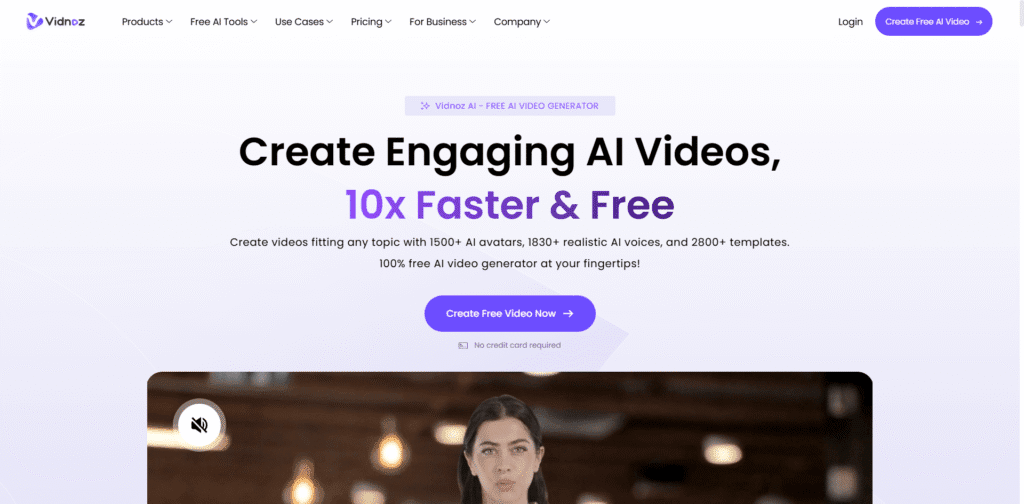
- Veed.io – Offers browser-based video editing with subtitles, effects, and collaboration tools.
- Biteable – Simplifies corporate video creation with templates for internal communication and marketing.
Real-World Applications and Case Studies
Storykit.io’s success lies in its ability to adapt to various communication needs. For example, the Swedish Public Employment Service uses Storykit to produce informative videos that explain job market trends and employment programs. These videos are shared across social media platforms to reach a broader audience efficiently.
Similarly, Volvo Group leverages Storykit.io to enhance internal communication. By turning written updates into short, engaging videos, Volvo ensures that employees across global offices stay informed and connected. This approach has improved message retention and engagement rates compared to traditional newsletters.
In the education sector, universities and training organizations use Storykit.io to create learning materials and promotional videos. The platform’s simplicity allows educators to focus on content quality rather than technical production, making it an excellent tool for digital learning environments.
Why Storykit.io Stands Out
Storykit.io distinguishes itself through its focus on storytelling rather than editing. Its text-first approach democratizes video creation, making it accessible to communicators who may not have video production backgrounds. The platform’s scalability also makes it suitable for large organizations that need to produce consistent, branded content at scale.
Moreover, Storykit’s emphasis on collaboration ensures that communication teams can work together seamlessly, from scriptwriting to publishing. This integrated workflow saves time and fosters creativity, allowing organizations to tell more stories with greater impact.
Conclusion
Storykit.io represents a significant shift in how organizations approach video content creation. By prioritizing storytelling and accessibility, it enables teams to produce professional videos without the traditional barriers of time, cost, and technical expertise. Whether you’re a marketer, communicator, or educator, Storykit.io offers a streamlined way to bring your stories to life through video.
While alternatives like Canva, Lumen5, and Veed.io provide similar capabilities, Storykit.io’s unique text-driven design and enterprise-level collaboration tools make it a standout choice for organizations aiming to scale their storytelling efforts. In an era where video is the most powerful communication medium, Storykit.io empowers everyone to become a storyteller.