




Outline
- Introduction
- What is VideoGPT.io?
- How VideoGPT.io Works
- Benefits of Using VideoGPT.io
- Use Cases Across Industries
- Comparison with Alternative Tools
- Challenges and Limitations
- Future of AI in Video Creation
- Conclusion
Introduction
In the fast-evolving world of digital content, artificial intelligence (AI) is reshaping how creators produce videos. VideoGPT.io stands at the forefront of this transformation, offering an AI-driven platform that automates video generation from text prompts. As businesses and individuals increasingly rely on video for communication, marketing, and education, tools like VideoGPT.io are becoming indispensable. According to a 2023 report by Statista, over 91% of businesses use video as a marketing tool, highlighting the growing demand for efficient video creation solutions.
What is VideoGPT.io?
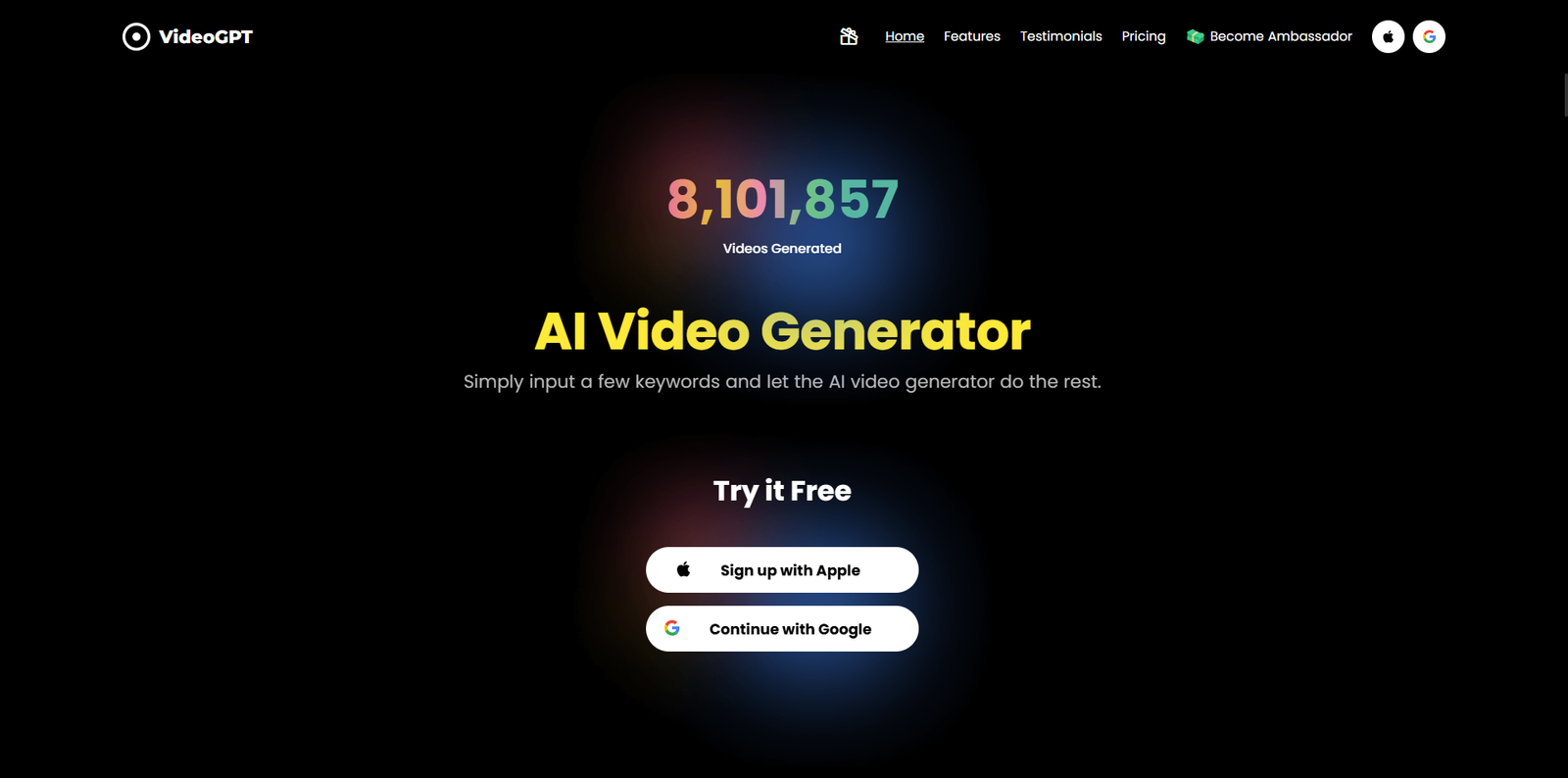
VideoGPT.io is an AI-powered video generation platform that enables users to create high-quality videos simply by providing text input. It leverages advanced generative AI models similar to those used in natural language processing and image synthesis. The platform’s core technology is built on transformer-based architectures, allowing it to understand context, tone, and visual storytelling elements. This makes it possible for users to produce engaging video content without requiring technical expertise in video editing or animation.
How VideoGPT.io Works
The platform uses a multi-step AI pipeline to convert text into video. Here’s a simplified breakdown of the process:
- Text Analysis: The AI reads and interprets the user’s prompt, identifying key themes, emotions, and visual cues.
- Scene Generation: Based on the analysis, the system generates relevant visuals, animations, and transitions.
- Audio Integration: The tool can automatically add background music, sound effects, and voiceovers using AI-generated voices.
- Rendering: Finally, the AI compiles all elements into a cohesive video output ready for download or sharing.
This process significantly reduces production time compared to traditional video editing methods, which often require multiple software tools and manual adjustments.
Benefits of Using VideoGPT.io
VideoGPT.io offers numerous advantages for creators, marketers, and educators. Below are some of the most notable benefits:
- Time Efficiency: AI automation drastically cuts down the time needed to produce professional videos.
- Accessibility: Non-technical users can create videos without prior editing experience.
- Consistency: The platform ensures uniform quality and branding across multiple videos.
- Scalability: Businesses can generate large volumes of content quickly for social media, advertising, or training purposes.
- Creativity Enhancement: AI suggestions inspire new ideas and visual styles that users might not have considered manually.
Use Cases Across Industries
VideoGPT.io’s versatility makes it suitable for a wide range of applications. Here are some key sectors benefiting from this technology:
1. Marketing and Advertising
Marketers use VideoGPT.io to produce promotional videos, product explainers, and social media content. With AI-driven personalization, businesses can tailor messages to specific audiences, improving engagement rates.
2. Education and E-Learning
Educators and online course creators leverage the platform to generate instructional videos and visual summaries. AI narration and visual aids enhance learning experiences, particularly for remote learners.
3. Corporate Training
Companies use AI-generated videos for onboarding, compliance training, and internal communication. This approach ensures consistent messaging across departments and saves resources on video production.
4. Entertainment and Media
Content creators and influencers employ VideoGPT.io to produce short films, music visualizations, and storytelling videos. The AI’s creative flexibility allows for unique visual narratives that captivate audiences.
5. Real Estate and E-Commerce
AI-generated videos help showcase properties or products dynamically, increasing viewer engagement and conversion rates. Automated video tours and product demos are particularly popular in these sectors.
Comparison with Alternative Tools
While VideoGPT.io is a powerful solution, several other AI video generation tools also offer impressive capabilities. Below is a comparison table highlighting some popular alternatives:
| Tool Name | Primary Use | Best For |
|---|---|---|
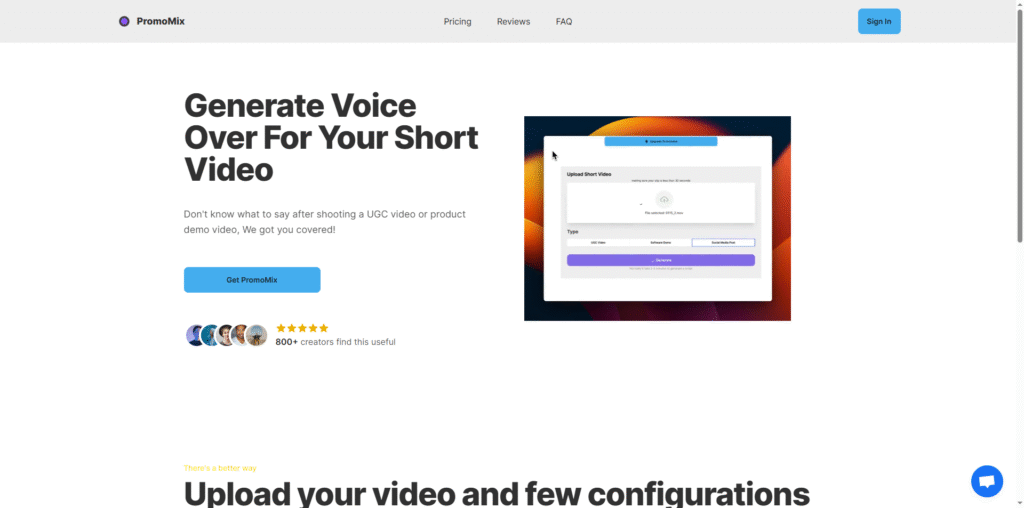
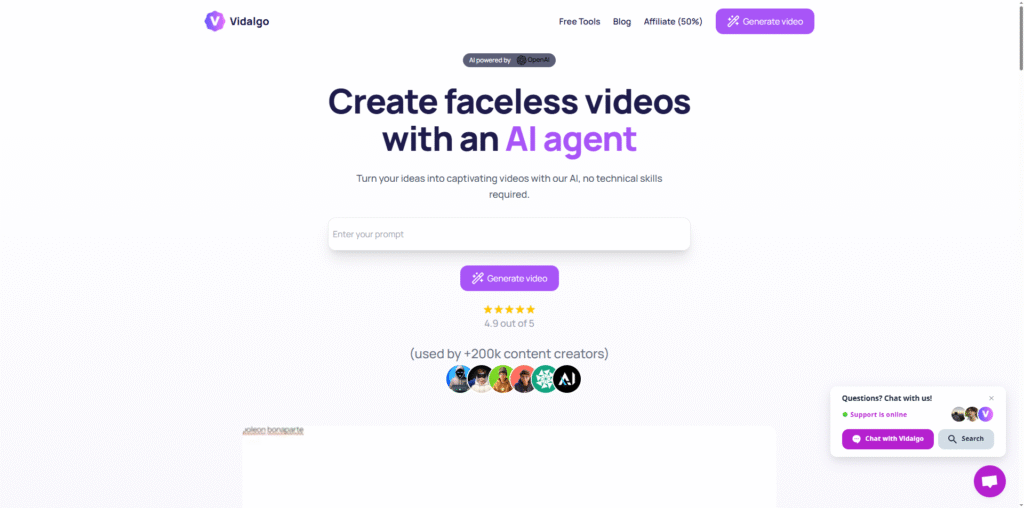
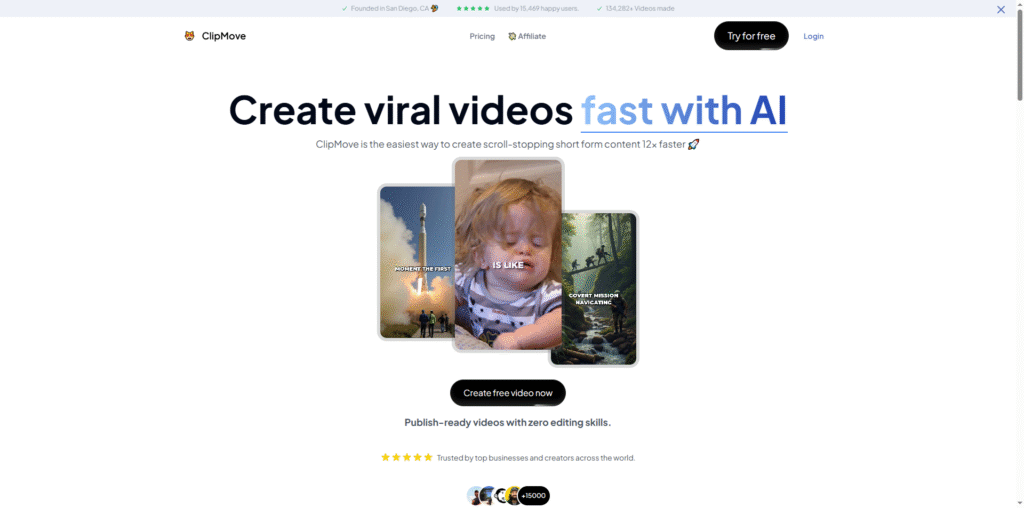
| Synthesia | AI avatar-based video creation | Corporate training and marketing videos |
| Pictory | Video creation from long-form content | Repurposing blogs and webinars |
| Runway | AI-powered video editing and generation | Creative professionals and filmmakers |
| Lumen5 | Social media video automation | Marketing teams and content creators |
| Descript | AI-driven video and podcast editing | Podcasters and educators |
Each of these tools brings unique strengths to the table, but VideoGPT.io distinguishes itself through its focus on generative AI storytelling and seamless automation from text to video.
Challenges and Limitations
Despite its advantages, VideoGPT.io faces certain challenges that users should consider:
- Creative Limitations: While AI can generate impressive visuals, it may lack the nuanced creativity of human editors.
- Data Dependency: The quality of generated videos depends heavily on the input text and the training data used by the AI model.
- Ethical Considerations: As with all AI-generated media, issues like deepfake misuse and content authenticity remain concerns.
- Customization Constraints: Advanced users seeking full control over visual elements may find the automation restrictive.
Future of AI in Video Creation
The future of AI video generation looks promising. According to Grand View Research, the global AI in media and entertainment market is projected to grow at a compound annual growth rate (CAGR) of over 26% between 2023 and 2030. This growth will likely drive further innovation in tools like VideoGPT.io, enabling more realistic visuals, improved voice synthesis, and enhanced customization options.
Emerging technologies such as multimodal AI models—capable of understanding text, images, and audio simultaneously—will further refine how platforms like VideoGPT.io interpret creative intent. Integration with virtual reality (VR) and augmented reality (AR) could also open new frontiers for immersive storytelling and interactive content creation.
Conclusion
VideoGPT.io represents a significant leap forward in the democratization of video production. By harnessing the power of AI, it empowers individuals and organizations to create compelling visual content with unprecedented ease and speed. Whether for marketing, education, or entertainment, the platform simplifies complex production workflows, making high-quality video creation accessible to everyone.
As AI continues to evolve, tools like VideoGPT.io will play an increasingly central role in shaping the future of digital storytelling. While challenges such as ethical use and creative control remain, the potential for innovation is immense. For creators seeking to stay ahead in the content revolution, embracing AI-driven video generation is not just an option—it’s a strategic necessity.