


Outline
- Introduction
- What Is Speechify?
- How Speechify Works
- Benefits of Using Speechify
- Who Can Benefit from Speechify?
- Speechify’s Role in Accessibility and Education
- Alternatives to Speechify
- Real-World Applications and Case Studies
- Conclusion
Introduction
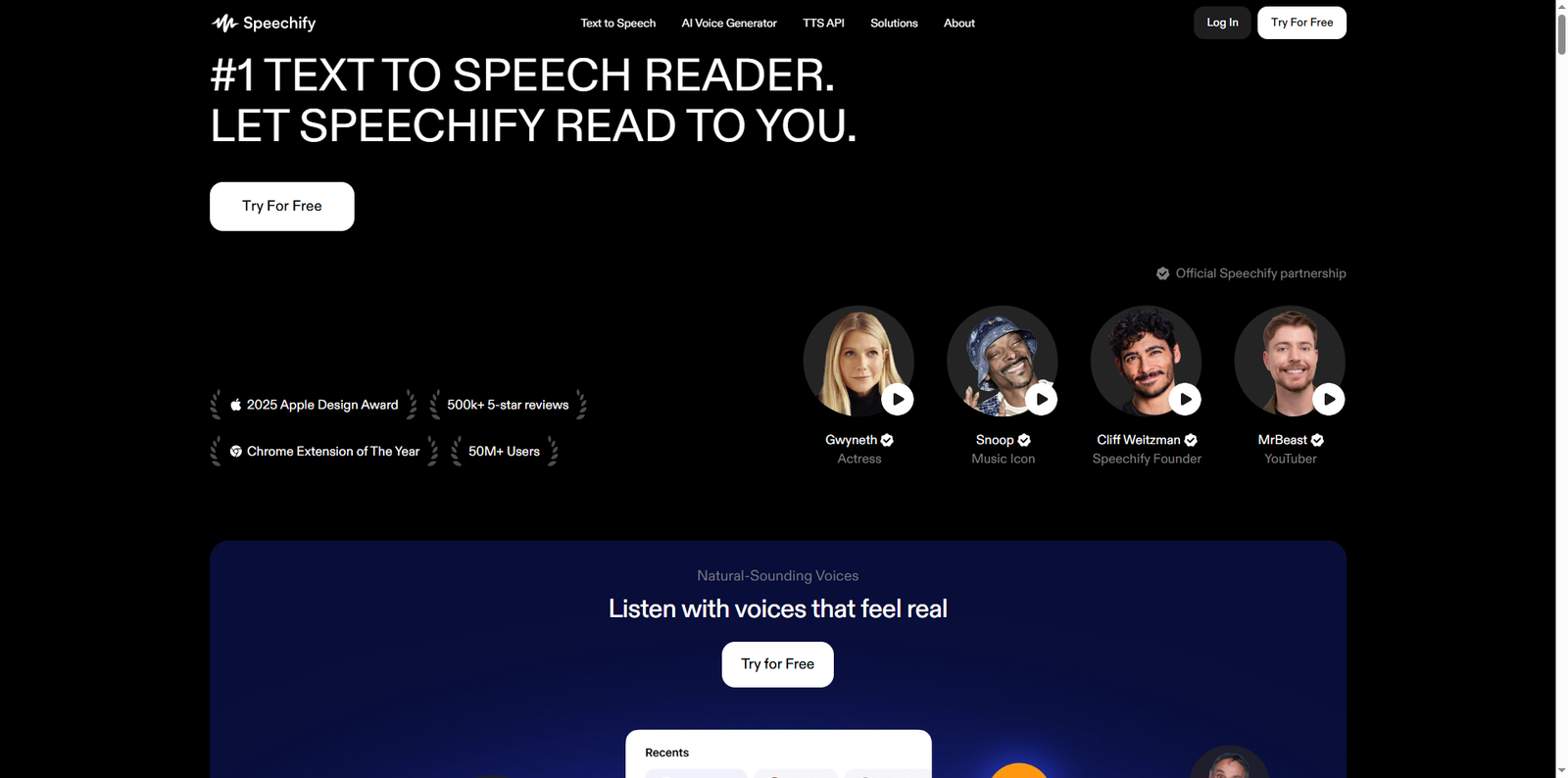
In today’s fast-paced digital world, accessibility and productivity tools have become essential for both personal and professional growth. One such innovation leading the charge is Speechify.com, a text-to-speech (TTS) platform that converts written text into natural-sounding audio. Whether you’re a student, professional, or someone with a visual or reading disability, Speechify helps make reading more efficient and inclusive. This article explores how Speechify works, its benefits, and how it’s transforming the way people consume written content.
What Is Speechify?
Speechify is a cloud-based text-to-speech software that reads digital text aloud using advanced artificial intelligence. Founded by Cliff Weitzman, who was diagnosed with dyslexia, the platform was designed to help users overcome reading challenges and improve comprehension. Today, Speechify serves millions of users globally, offering an intuitive interface and realistic voice options that mimic human speech patterns.
According to data from Speechify’s official website, the platform supports multiple languages and integrates seamlessly with browsers, mobile devices, and desktop applications. It can read content from PDFs, emails, web pages, and even scanned documents, making it a versatile tool for anyone looking to save time and enhance learning.
How Speechify Works
Speechify uses advanced AI-driven speech synthesis technology to analyze and vocalize text. The process involves several steps:
- Text Input: Users upload or paste text from various sources, including documents, web pages, or notes.
- Language and Voice Selection: The platform offers multiple voice options across different accents and languages.
- Audio Generation: Speechify converts the text into high-quality audio using neural network models trained on human speech.
- Playback and Customization: Users can adjust playback speed, pause, or highlight text as it’s read aloud.
Speechify’s web and mobile apps are designed for ease of use, allowing users to listen to content while multitasking—whether commuting, exercising, or studying.
Benefits of Using Speechify
Speechify’s popularity stems from its ability to improve accessibility, comprehension, and productivity. Here are some of its key advantages:
- Enhanced Accessibility: It empowers individuals with dyslexia, ADHD, or visual impairments to access written information effortlessly.
- Improved Learning Retention: Listening to text can enhance understanding and memory retention, especially for auditory learners.
- Time Efficiency: Users can consume content faster by listening instead of reading, freeing up time for other activities.
- Multitasking Capability: Speechify allows users to listen to articles, reports, or study materials while performing other tasks.
- Cross-Platform Integration: It works across devices, ensuring seamless synchronization between desktop and mobile applications.
Who Can Benefit from Speechify?
Speechify caters to a wide range of users across different demographics and professions. Below is a table summarizing how various groups can benefit:
| User Group | How Speechify Helps |
|---|---|
| Students | Improves comprehension and helps with studying by converting textbooks and notes into audio. |
| Professionals | Enables multitasking by turning reports and emails into listenable content. |
| Visually Impaired Users | Provides an accessible way to consume digital information. |
| Language Learners | Assists in pronunciation and listening comprehension by reading text aloud in native accents. |
| Content Creators | Helps review written work and create audio versions of blogs or scripts. |
Speechify’s Role in Accessibility and Education
Accessibility is at the heart of Speechify’s mission. The platform’s founder, Cliff Weitzman, developed the tool to help individuals with dyslexia read more effectively. According to the World Health Organization, over 2.2 billion people worldwide have some form of vision impairment. Tools like Speechify bridge the gap by providing auditory access to text-based information.
In educational settings, Speechify is transforming how students engage with learning materials. Teachers and institutions use it to support inclusive education, ensuring that students with reading difficulties can keep up with their peers. By converting textbooks, research papers, and online articles into audio, Speechify promotes equal learning opportunities for all.
Alternatives to Speechify
While Speechify is a leading name in the text-to-speech industry, several other platforms offer similar capabilities. Here are some noteworthy alternatives:
- TTSReader – A free online text-to-speech tool that supports multiple languages and voices.
- NaturalReader – A versatile TTS platform designed for both personal and professional use.
- Read Aloud – A browser extension that reads web pages aloud using realistic voices.
- Balabolka – A downloadable text-to-speech program compatible with Windows systems.
- Capti Voice – A reading assistant that enhances comprehension and accessibility for students and educators.
Each of these alternatives offers unique features, but Speechify stands out for its AI-driven voice quality, cross-platform functionality, and accessibility-first approach.
Real-World Applications and Case Studies
Speechify’s impact extends beyond individual users. It has found applications in various industries, including education, business, and content creation. For instance, educators use Speechify to create inclusive classrooms where students with learning disabilities can follow along with digital lessons. Professionals use it to stay productive by listening to reports or emails during commutes.
In a 2023 case study published by EdTech Magazine, schools that integrated text-to-speech tools like Speechify reported a 25% improvement in reading comprehension among students with dyslexia. Similarly, corporate teams using Speechify for internal communication saw a notable increase in productivity, as employees could absorb information faster through audio.
Content creators and marketers also benefit from Speechify’s ability to convert written blogs and scripts into natural-sounding voiceovers, making it easier to produce podcasts, audiobooks, and video narrations. This versatility has positioned Speechify as a valuable tool for digital transformation across multiple sectors.
Conclusion
Speechify.com is more than just a text-to-speech platform—it’s a tool that empowers people to learn, work, and communicate more effectively. By transforming written text into lifelike audio, it enhances accessibility for individuals with disabilities, boosts productivity for professionals, and supports inclusive education. With its AI-driven technology and user-friendly design, Speechify continues to redefine how we interact with digital content. Whether you’re seeking to improve comprehension, save time, or make learning more engaging, Speechify offers a powerful solution for the modern world.