


Outline
- Introduction to Soulgen.ai
- How Soulgen.ai Works
- The Technology Behind Soulgen.ai
- Applications of Soulgen.ai in Creative Industries
- Ethical Considerations and Responsible AI Use
- Alternative AI Art Tools
- Conclusion
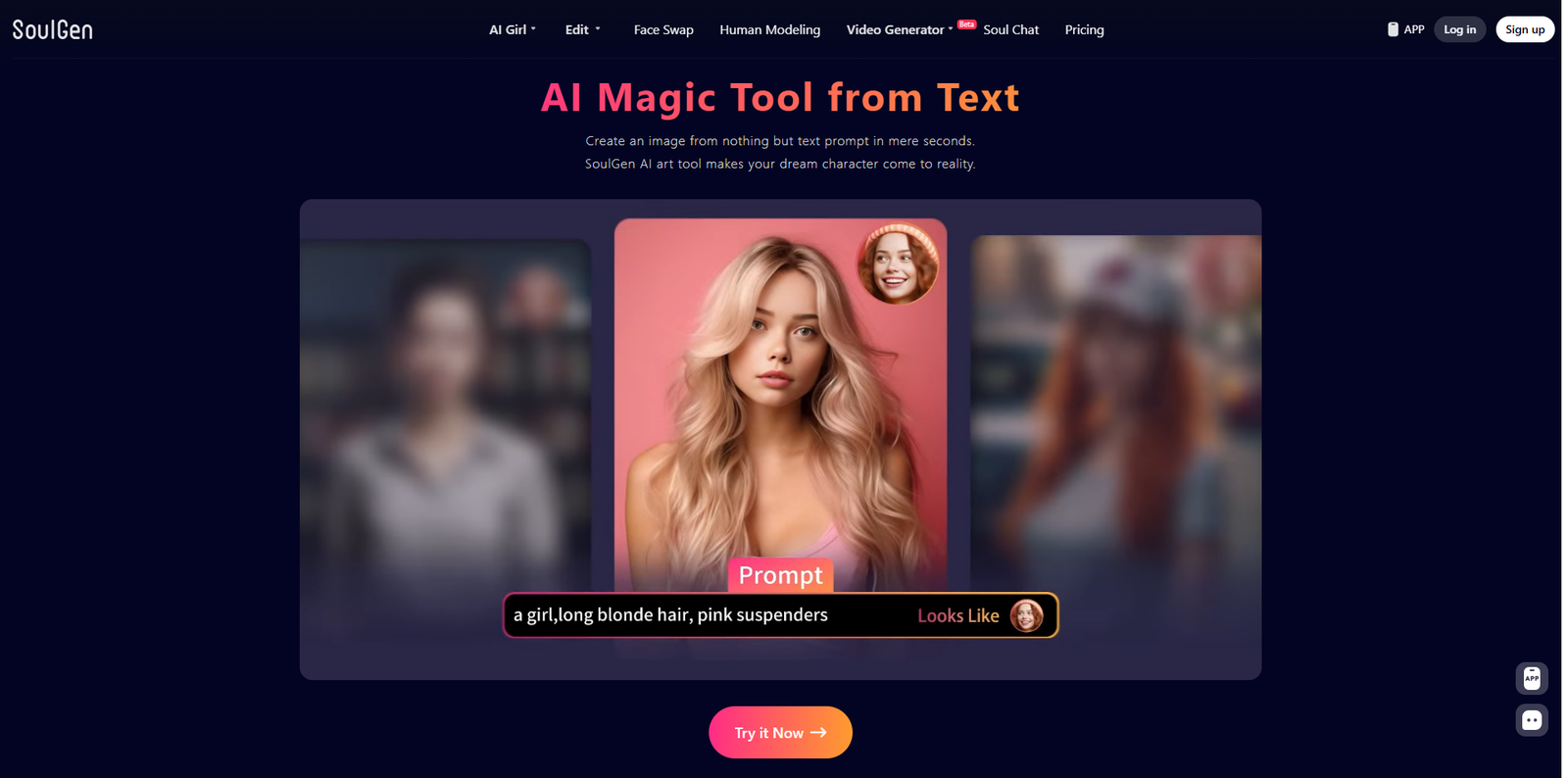
Artificial intelligence has revolutionized the way we create and experience digital art. Among the most innovative tools in this space is Soulgen.ai, a cutting-edge AI platform that allows users to generate lifelike characters and visuals from simple text prompts. This technology bridges the gap between imagination and creation, empowering artists, designers, and enthusiasts to bring their ideas to life effortlessly.
Launched as part of the growing wave of generative AI applications, Soulgen.ai focuses on producing high-quality, anime-style and realistic character images. It leverages advanced neural networks to interpret textual descriptions and transform them into visually coherent and aesthetically pleasing results. This approach has made it a popular choice among digital creators, storytellers, and game developers seeking inspiration or visual assets.
How Soulgen.ai Works
Soulgen.ai operates through a user-friendly interface that simplifies the process of generating AI art. Users input descriptive text prompts—such as “a futuristic warrior with neon armor” or “a serene forest spirit”—and the AI model interprets these cues to produce corresponding images. The underlying system uses deep learning algorithms trained on vast datasets of human and artistic imagery to understand context, style, and composition.
Once the prompt is submitted, the AI model processes it through multiple stages of image synthesis. These include:
- Prompt Analysis: The AI breaks down the text into semantic components to understand the subject, environment, and artistic tone.
- Image Generation: Using diffusion models, the system gradually constructs an image that aligns with the prompt’s meaning.
- Refinement: The final output undergoes fine-tuning to enhance details, lighting, and color balance.
This process typically takes only a few seconds, making it accessible even for users without technical expertise in AI or digital art.
The Technology Behind Soulgen.ai
The foundation of Soulgen.ai lies in generative AI models, particularly diffusion-based architectures similar to those used in Stable Diffusion and DALL·E. These models are trained on extensive datasets that include millions of images, allowing them to learn complex relationships between textual descriptions and visual representations.
Key technological aspects include:
- Neural Network Training: The AI learns from diverse image-text pairs, improving its ability to generate accurate and creative visuals.
- Diffusion Modeling: This technique starts with random noise and iteratively refines it into a coherent image, guided by the input prompt.
- Style Adaptation: Soulgen.ai can emulate various artistic styles, from photorealism to anime aesthetics, depending on the user’s input.
According to a 2023 report by Gartner, the global market for generative AI tools is projected to surpass $42 billion by 2025, highlighting the growing adoption of such technologies across industries. Soulgen.ai’s contribution to this trend lies in democratizing creativity, enabling anyone to produce professional-quality visuals without specialized training.
Applications of Soulgen.ai in Creative Industries
The versatility of Soulgen.ai extends across multiple creative sectors. Its ability to generate unique and detailed imagery makes it a valuable asset for professionals and hobbyists alike. Below are some of the most common applications:
1. Digital Art and Illustration
Artists use Soulgen.ai to explore new concepts, generate inspiration, or create base compositions that can be refined manually. The AI’s capacity to visualize abstract ideas accelerates the creative process and expands artistic possibilities.
2. Game Development
Game designers often require character concepts, environment designs, and visual references. Soulgen.ai provides a quick and efficient way to prototype visual elements, helping teams iterate faster and maintain creative momentum.
3. Storytelling and Content Creation
Writers and content creators can use AI-generated visuals to accompany their narratives, enhancing engagement and immersion. For instance, authors can visualize their characters or settings, while marketers can produce custom imagery for campaigns.
4. Education and Research
In academic settings, Soulgen.ai can serve as a teaching tool for exploring AI’s role in art and design. It also supports research into human-computer collaboration and the ethics of generative creativity.
Ethical Considerations and Responsible AI Use
While Soulgen.ai offers remarkable creative potential, it also raises important ethical questions. The use of AI-generated imagery must be guided by principles of responsibility, transparency, and respect for intellectual property.
Some key ethical considerations include:
- Copyright and Ownership: Determining who owns AI-generated art remains a complex issue. Users should ensure that their creations comply with platform policies and legal frameworks.
- Bias and Representation: Like all AI systems, Soulgen.ai may reflect biases present in its training data. Developers and users must remain vigilant to avoid reinforcing stereotypes or producing harmful content.
- Authenticity and Disclosure: When AI-generated art is used commercially or publicly, transparency about its origin helps maintain trust and credibility.
Organizations such as the UNESCO AI Ethics Initiative emphasize the importance of developing and using AI responsibly. Following these guidelines ensures that tools like Soulgen.ai contribute positively to society.
Alternative AI Art Tools
While Soulgen.ai stands out for its intuitive design and character-focused generation, several other AI platforms offer complementary capabilities. Below is a comparison of popular alternatives:
| Tool | Primary Focus | Official Website |
|---|---|---|
| Midjourney | High-quality artistic imagery with community-driven prompts | midjourney.com |
| Stable Diffusion | Open-source image generation with customizable models | stability.ai |
| DALL·E | Text-to-image generation with creative flexibility | openai.com/dall-e |
| Artbreeder | Collaborative image blending and genetic art creation | artbreeder.com |
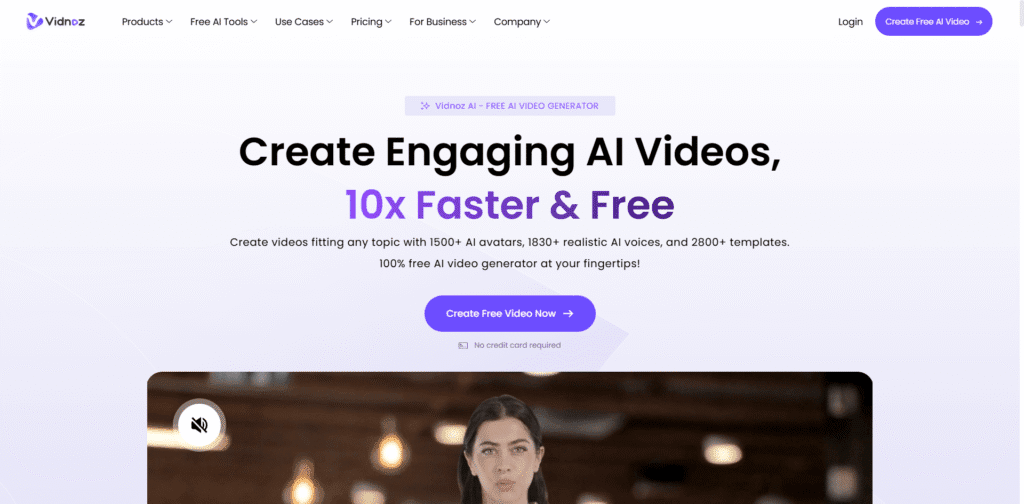
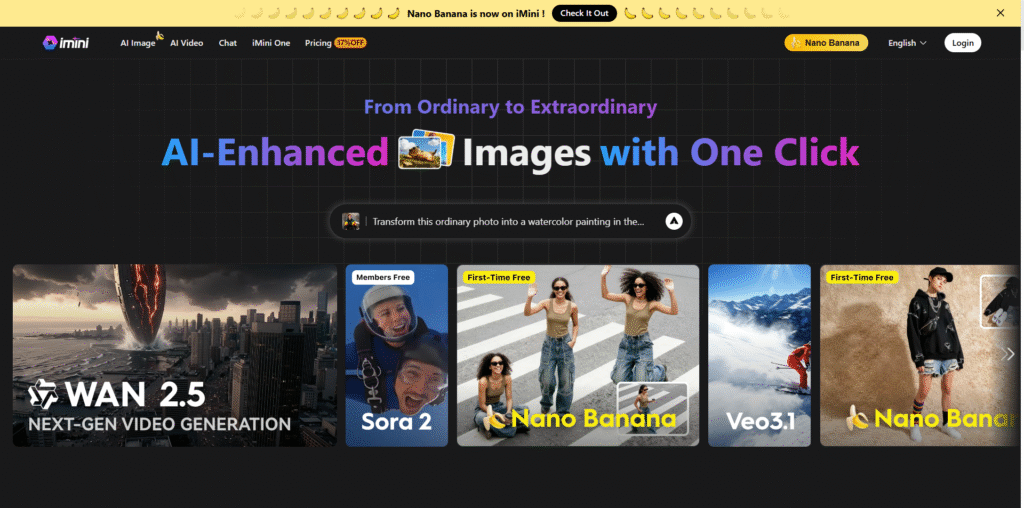
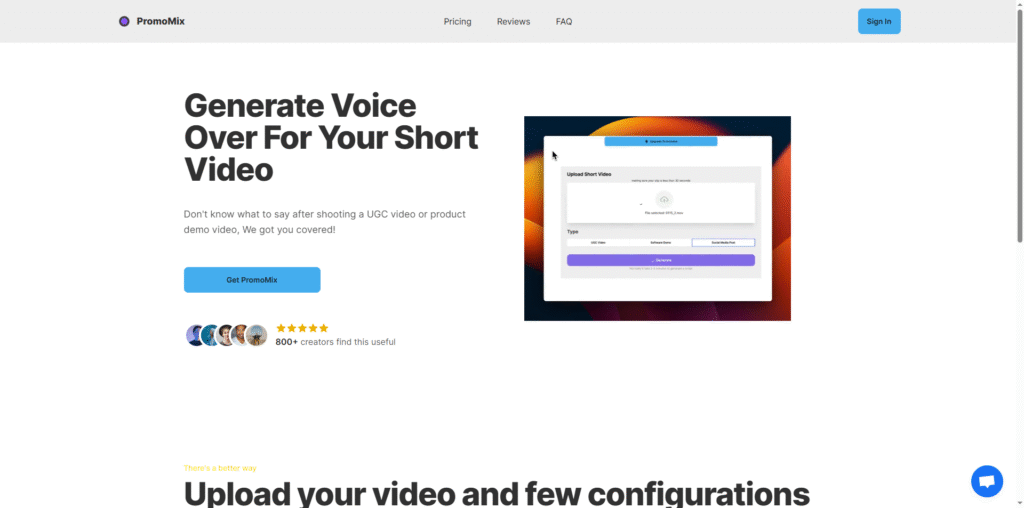
Each of these tools offers unique strengths. For instance, Midjourney excels in artistic stylization, while Stable Diffusion provides open-source flexibility. Soulgen.ai differentiates itself through its focus on character realism and ease of use, making it ideal for users seeking quick yet detailed results.
Conclusion
Soulgen.ai represents a significant milestone in the evolution of AI-driven creativity. By transforming text prompts into vivid, high-quality images, it empowers individuals to express their imagination without technical barriers. Its applications span art, entertainment, education, and research, demonstrating the transformative potential of generative AI.
However, as with any powerful technology, responsible use is essential. Understanding the ethical implications and maintaining transparency ensures that AI-generated art remains a force for innovation rather than controversy. As the field continues to evolve, tools like Soulgen.ai will likely become integral to the creative process, inspiring a new generation of digital artists and storytellers.
In a world where creativity and technology increasingly intertwine, Soulgen.ai stands as a testament to human ingenuity—proving that with the right tools, imagination truly has no limits.