


Outline
- Introduction
- What is RunwayML?
- How RunwayML Works
- Key Use Cases of RunwayML
- RunwayML’s Research and Innovations
- Runway Studios and Creative Collaborations
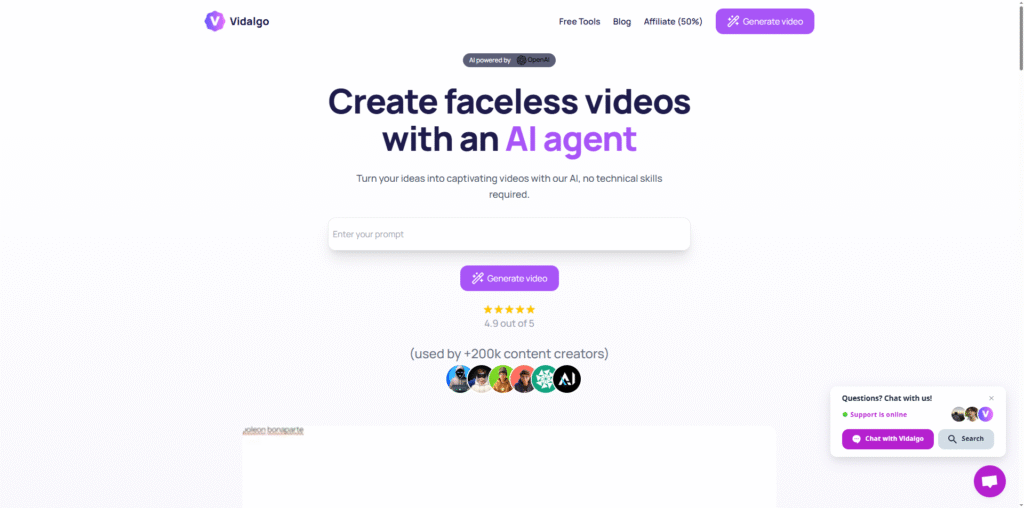
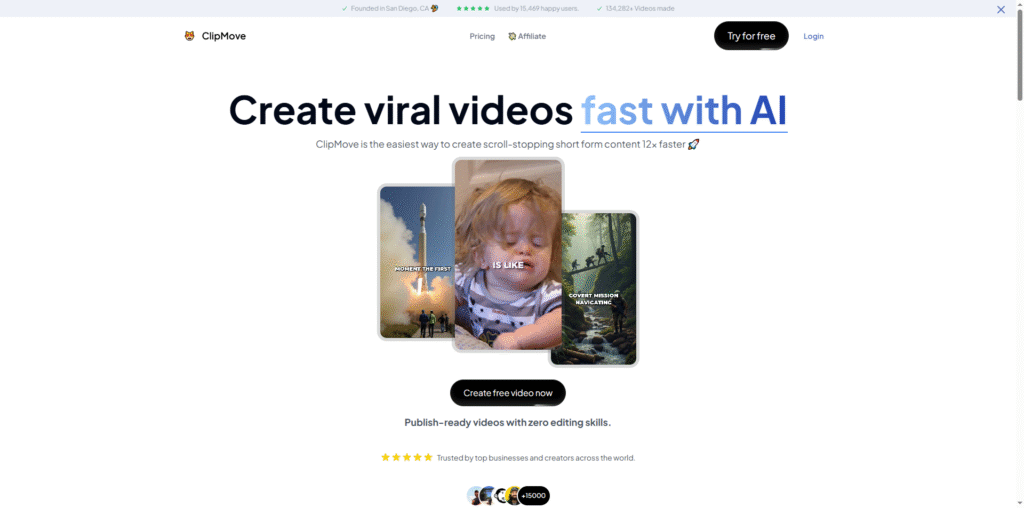
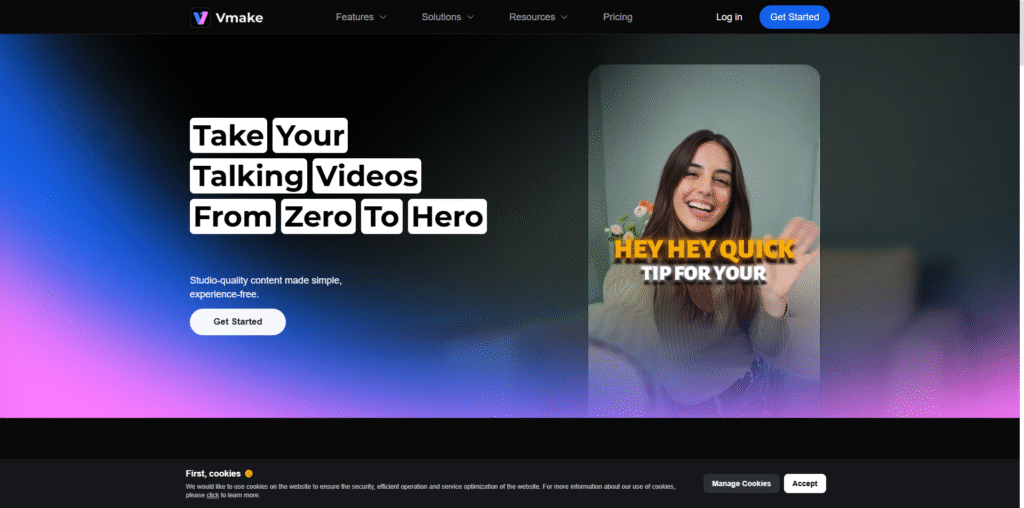
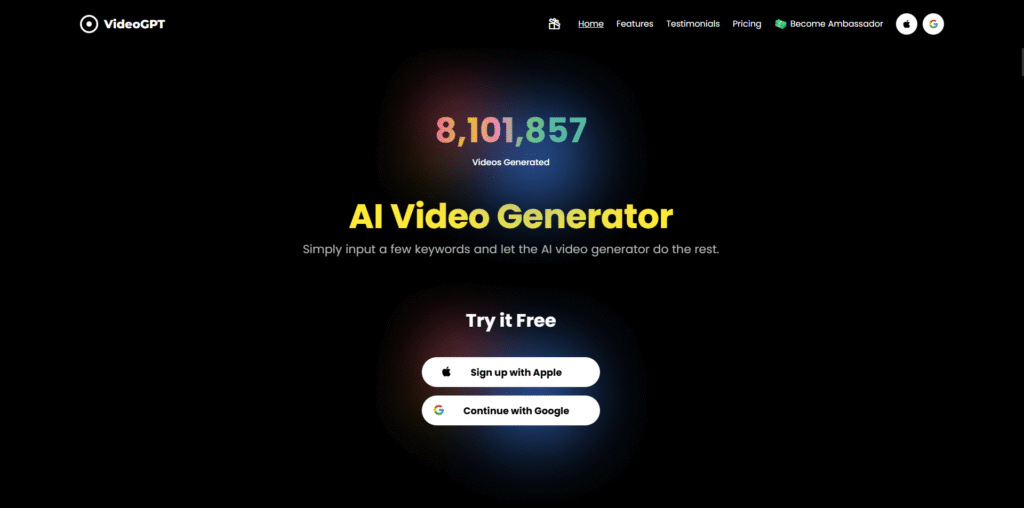
- Alternatives to RunwayML
- Conclusion
Introduction
Artificial Intelligence (AI) is reshaping the creative landscape, enabling artists, filmmakers, and designers to produce visually stunning content faster than ever before. Among the leading platforms driving this transformation is RunwayML, a groundbreaking AI research and technology company. With its advanced generative models and intuitive interface, RunwayML empowers creators to edit, generate, and transform videos and images using natural language prompts. This article explores how RunwayML is revolutionizing creative workflows, its applications across industries, and the alternatives available for those seeking similar tools.
What is RunwayML?
Founded in 2018 by Cristóbal Valenzuela, Alejandro Matamala, and Anastasis Germanidis, RunwayML has become a pioneer in AI-driven creative tools. The company’s mission is to make advanced machine learning accessible to everyone, from independent creators to major studios. RunwayML’s platform allows users to perform complex video editing tasks—such as background removal, object replacement, and scene restyling—simply by describing what they want in text form.
RunwayML operates as both a research hub and a production platform. It has collaborated with major organizations across entertainment, advertising, gaming, and science. Its technology is used by professionals at companies like Lionsgate and in events like the Tribeca Festival 2024, where it showcased the future of AI filmmaking.
How RunwayML Works
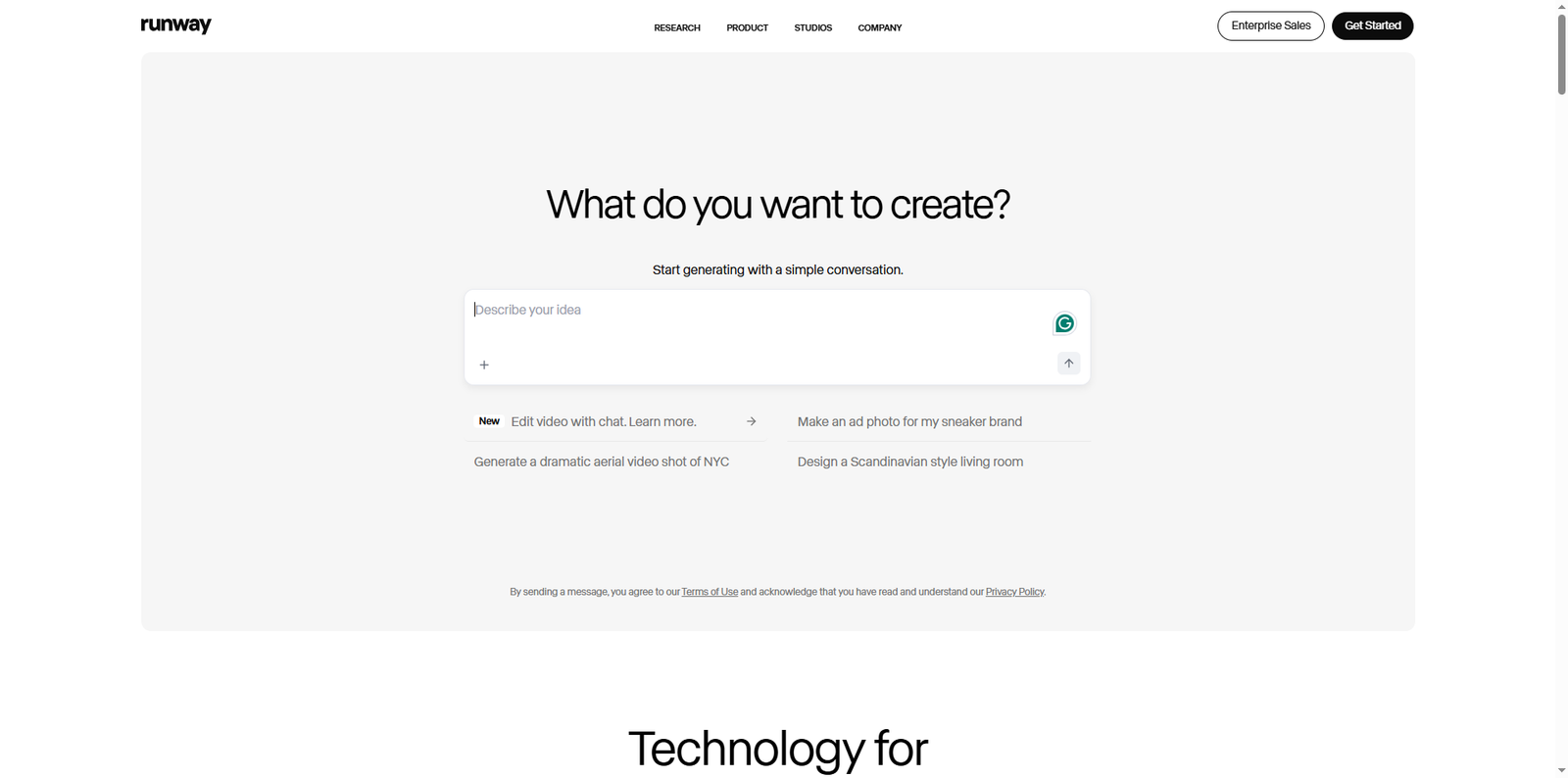
At its core, RunwayML uses multimodal AI models that understand and generate text, images, and video. The platform’s latest generation, Gen-4, represents a leap forward in narrative and visual coherence. Users can type commands such as “change the lighting to sunset” or “remove the background,” and the model automatically applies the transformation.
Core Technologies Behind RunwayML
- Text-to-Video Generation: Users can generate video clips from written prompts, enabling rapid prototyping of storyboards and visual concepts.
- Video Editing with Chat: RunwayML’s conversational interface allows users to edit videos by chatting with the AI, making the process intuitive and accessible.
- Multimodal Simulation: The company’s research focuses on creating general-purpose simulators that understand the physical and visual world, enabling realistic outputs.
Integration and Workflow
RunwayML integrates seamlessly with popular creative software such as Adobe Premiere Pro and After Effects, allowing professionals to incorporate AI-powered effects into their existing workflows. Its cloud-based infrastructure ensures that users can access powerful AI tools without requiring high-end hardware.
Key Use Cases of RunwayML
RunwayML’s versatility makes it suitable for a wide range of creative and professional applications. Below are some of the most common use cases:
1. Video Editing and Visual Effects
RunwayML enables users to modify video scenes effortlessly. Whether changing lighting, removing unwanted objects, or restyling footage, the platform simplifies complex post-production tasks. This capability is particularly valuable for filmmakers and content creators who need to produce high-quality visuals quickly.
2. Storyboarding and Previsualization
Filmmakers can generate concept visuals and storyboards using AI-generated imagery. This accelerates the pre-production process and allows teams to visualize ideas before filming begins.
3. Virtual Staging and Design
Interior designers and real estate professionals use RunwayML for virtual staging—creating realistic room designs or altering decor styles with a few text prompts. This feature helps clients visualize potential spaces without physical setups.
4. Advertising and Branding
Brands leverage RunwayML to generate ad visuals, product mockups, and promotional videos. The AI’s ability to adapt to different styles and moods allows marketers to test multiple creative directions efficiently.
5. Education and Research
RunwayML is also used in academic and research settings to explore the intersection of art, technology, and human creativity. Its accessible interface makes it an excellent tool for students learning about AI and digital media.
RunwayML’s Research and Innovations
RunwayML is not just a tool—it’s a research powerhouse. The company’s team of scientists and engineers is developing what they call “general world models,” AI systems capable of understanding and simulating the real world across multiple modalities. These models are foundational to the next generation of creative AI.
Recent Research Highlights
| Research Project | Date | Description |
|---|---|---|
| Runway Aleph | July 25, 2025 | Introduces a new framework for multimodal AI research, focusing on general-purpose simulation. |
| Gen-4 | March 31, 2025 | Latest generation of Runway’s video generation model, emphasizing narrative and visual consistency. |
| General World Models | December 11, 2023 | Explores AI systems that can understand and simulate complex real-world dynamics. |
Runway Studios and Creative Collaborations
RunwayML extends its influence through Runway Studios, the company’s entertainment and production division. Runway Studios funds and produces films, documentaries, and music videos made entirely with AI tools. This initiative demonstrates the platform’s potential to redefine storytelling.
Notable Initiatives
- AI Film Festival: An annual event celebrating artists who use AI in filmmaking, showcasing the creative potential of generative technology.
- Telescope Magazine: A publication exploring the intersection of art, technology, and human creativity.
- Mars and Siv: An upcoming animated series produced with Runway’s technology, directed by Jeremy Higgins and Britton Korbel.
Alternatives to RunwayML
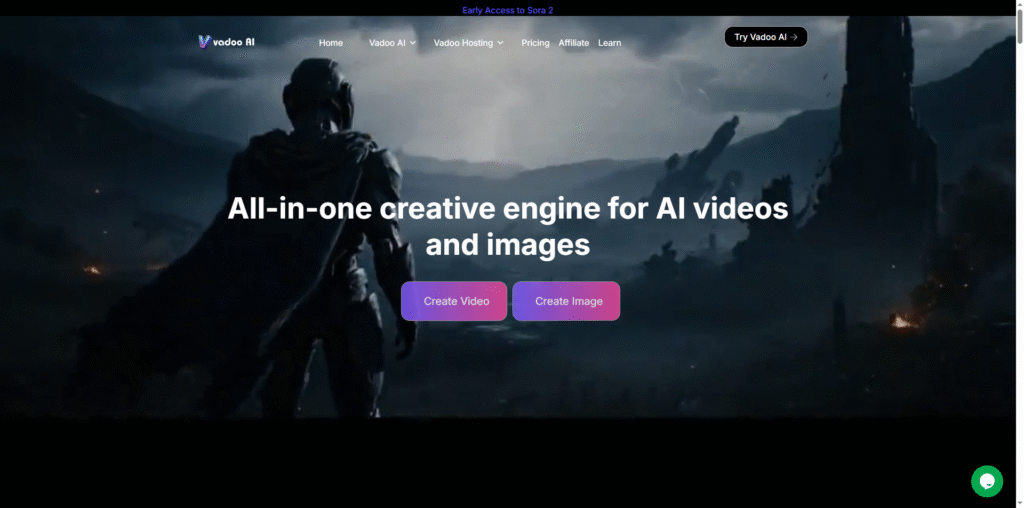
While RunwayML stands out for its ease of use and research-driven approach, several other platforms offer similar AI-powered creative tools. Below are some noteworthy alternatives:
- Pika Labs – Specializes in AI video generation with a focus on cinematic storytelling.
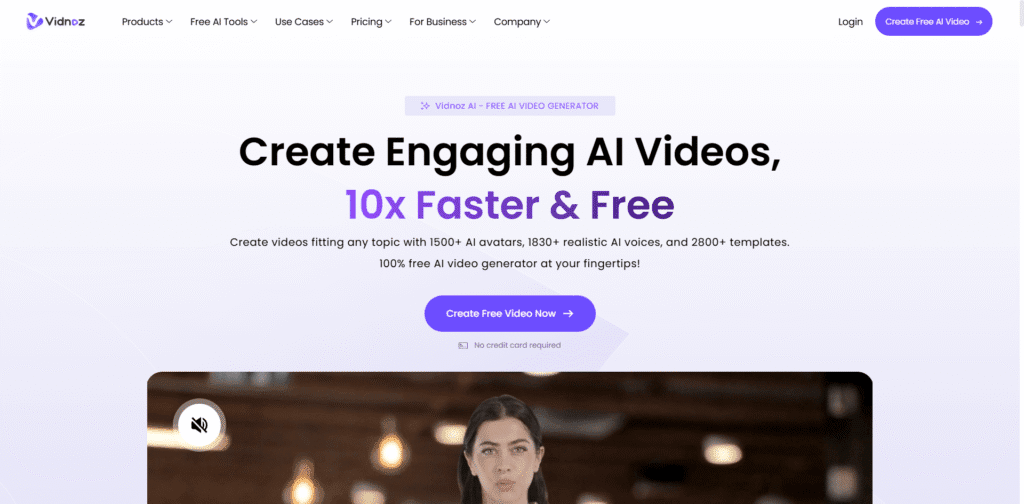
- Synthesia – Enables users to create AI-generated videos with virtual presenters and voiceovers.
- Descript – Offers AI-assisted video and audio editing with transcription and overdub features.
- Stability AI – Known for its open-source generative models like Stable Diffusion for image creation.
- OpenAI – Provides multimodal models such as GPT-4 and Sora, capable of generating text, images, and videos.
Conclusion
RunwayML represents a paradigm shift in how creative professionals approach visual storytelling. By combining cutting-edge AI research with an intuitive user experience, it democratizes access to powerful generative tools that once required specialized skills and resources. From video editing and design to filmmaking and advertising, RunwayML enables creators to bring their visions to life faster and more efficiently than ever before.
As AI continues to evolve, platforms like RunwayML will play a central role in shaping the future of digital creativity. Whether you are an independent artist, a filmmaker, or a brand strategist, exploring RunwayML opens up new possibilities for innovation and expression. Visit RunwayML’s official website to start creating and experience the next frontier of AI-driven artistry.