








Outline
- Introduction to Revid.ai
- Understanding AI-Driven Video Creation
- How Revid.ai Works
- Benefits of Using Revid.ai
- Real-World Applications
- Alternatives to Revid.ai
- Challenges and Limitations
- Future of AI in Video Production
- Conclusion
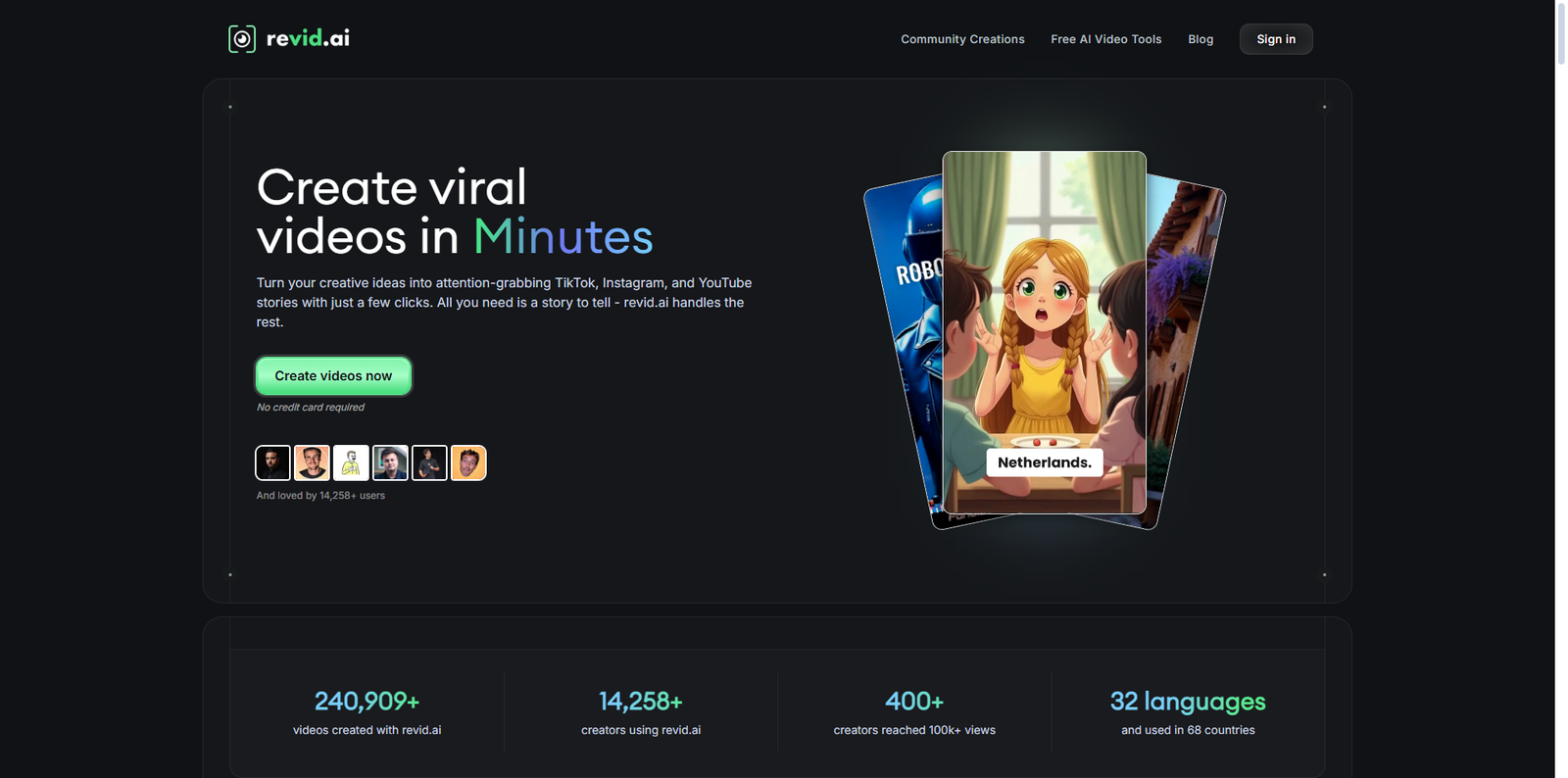
In the fast-evolving world of digital content, Revid.ai stands out as a cutting-edge platform that leverages artificial intelligence to simplify and accelerate video production. As businesses, marketers, and creators increasingly rely on video to engage audiences, tools like Revid.ai are reshaping how visual content is conceived and produced. The platform uses advanced machine learning algorithms to automate editing, enhance storytelling, and streamline workflows, making professional-quality video creation accessible to everyone.
Understanding AI-Driven Video Creation
AI-driven video creation refers to the use of artificial intelligence technologies—such as natural language processing (NLP), computer vision, and neural networks—to automate various aspects of video production. These systems can analyze scripts, generate visuals, synchronize audio, and even recommend editing styles based on content type and audience preferences. According to a 2023 report by Grand View Research, the global AI in media and entertainment market is projected to grow at a compound annual growth rate (CAGR) of over 26% from 2023 to 2030, underscoring the increasing adoption of AI tools in creative industries.
How Revid.ai Works
Revid.ai integrates AI models that process textual and visual data to produce coherent, high-quality videos. The workflow typically involves:
- Input Stage: Users provide a script, blog post, or article. The AI analyzes the text to identify key themes, tone, and structure.
- Content Mapping: The system matches text segments with relevant visuals, animations, and transitions using its internal media library and contextual understanding.
- Voice and Sound Integration: Revid.ai employs AI-generated voiceovers and background music to enhance the narrative flow.
- Final Rendering: The platform compiles all elements into a polished video that can be customized for different formats such as social media, websites, or presentations.
This process significantly reduces manual editing time and allows creators to focus on strategic storytelling rather than technical execution.
Benefits of Using Revid.ai
Revid.ai offers a range of advantages that make it an appealing solution for content creators and enterprises alike:
- Efficiency: Automating repetitive editing tasks accelerates production timelines.
- Consistency: AI ensures uniform quality across multiple video outputs.
- Scalability: Businesses can produce large volumes of content without proportional increases in manpower.
- Accessibility: Non-technical users can create professional videos without prior editing experience.
- Customization: The platform allows users to adjust tone, pacing, and branding elements to align with their identity.
Real-World Applications
Revid.ai’s technology is applicable across numerous industries where video content plays a vital role:
| Industry | Use Case |
|---|---|
| Marketing | Creating promotional videos, social media ads, and product explainers. |
| Education | Developing instructional videos and e-learning materials. |
| Corporate Communications | Producing internal training videos and executive announcements. |
| Real Estate | Generating property showcase videos from listings and descriptions. |
| News & Media | Transforming articles into video summaries for digital platforms. |
For example, digital marketing teams can repurpose blog posts into engaging video content, while educators can automate the creation of lecture summaries. This versatility demonstrates how AI is democratizing video production across sectors.
Alternatives to Revid.ai
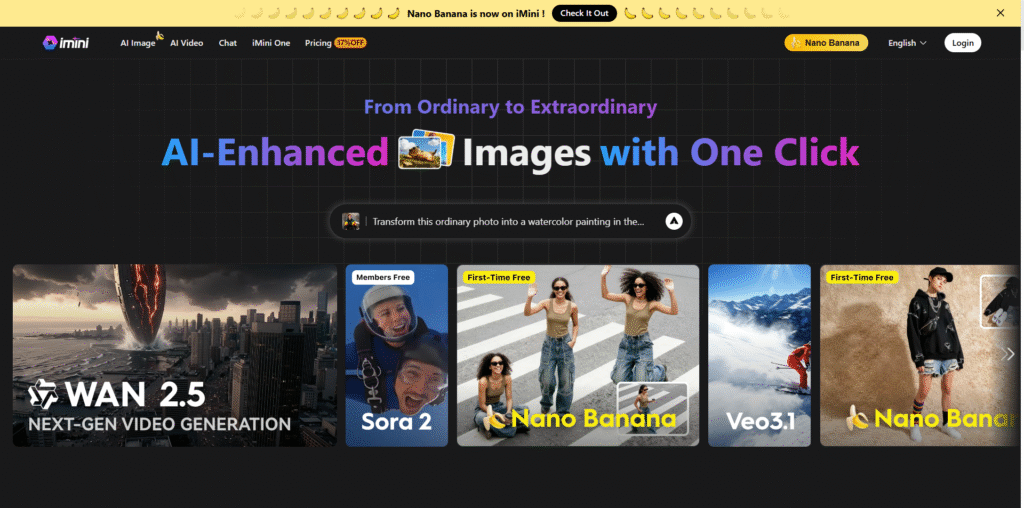
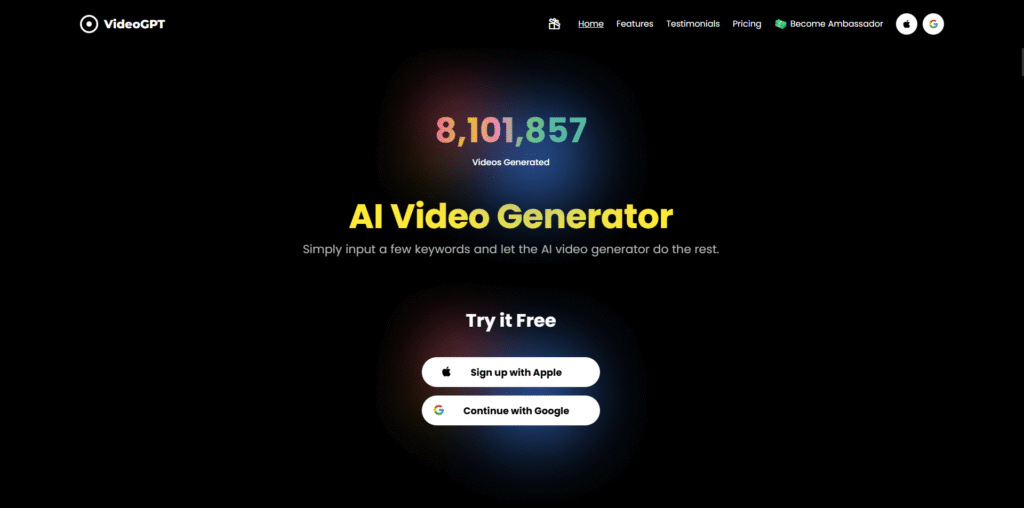
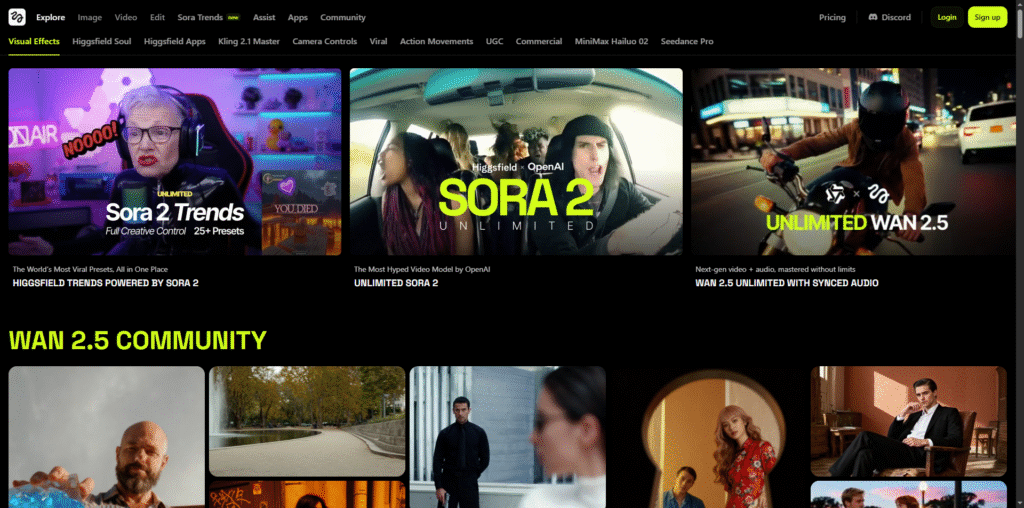
While Revid.ai offers a robust solution, several other AI-powered video creation tools are available in the market. These alternatives provide different interfaces, integrations, and creative options:
- Synthesia – A popular AI video platform that enables users to create videos using virtual avatars and text-based scripts.
- Pictory – Focuses on converting long-form content into short, shareable videos using AI summarization.
- Lumen5 – Designed for marketers, it transforms blog posts into social media videos with automated scene selection.
- Descript – Combines AI transcription, video editing, and collaboration tools for content creators and podcasters.
- HeyGen – Offers AI avatars and voice synthesis for personalized video messages and tutorials.
Each of these platforms contributes to the growing ecosystem of AI-driven video tools, giving users flexibility to choose solutions that best fit their creative and operational needs.
Challenges and Limitations
Despite its advantages, AI-based video creation is not without challenges. Some of the key limitations include:
- Creative Constraints: While AI can automate processes, it may lack the nuanced creativity of human editors, particularly in storytelling and emotional tone.
- Data Dependency: The quality of AI output depends heavily on the data it has been trained on. Poor or biased data can lead to suboptimal results.
- Ethical Considerations: The use of synthetic voices and AI-generated visuals raises questions about authenticity and intellectual property.
- Technical Limitations: AI models may struggle with complex visual effects or intricate motion graphics that require manual intervention.
Addressing these issues requires ongoing research and responsible AI development practices. Companies like Revid.ai are continuously refining their algorithms to enhance creative flexibility and ensure ethical compliance.
Future of AI in Video Production
The future of AI in video production looks promising, with emerging technologies poised to make content creation even more intuitive and immersive. According to Statista, video content is expected to account for over 82% of all consumer internet traffic by 2025, driving demand for automated tools. Innovations such as generative AI, real-time rendering, and multimodal learning will enable platforms like Revid.ai to produce videos that are not only visually compelling but also contextually adaptive.
Moreover, integration with augmented reality (AR) and virtual reality (VR) could open new dimensions for interactive storytelling. As AI models become more sophisticated, they will be able to interpret emotions, audience feedback, and engagement metrics to dynamically adjust video content in real time. This evolution will redefine how brands communicate and how audiences experience digital media.
Conclusion
Revid.ai exemplifies the transformative potential of artificial intelligence in video production. By automating complex editing tasks and enabling rapid content generation, it empowers creators to focus on creativity and strategy rather than technical details. As the demand for video content continues to surge, AI-driven platforms like Revid.ai will play a pivotal role in shaping the future of digital storytelling. Whether you are a marketer, educator, or entrepreneur, embracing AI tools can help you stay ahead in an increasingly visual and fast-paced digital landscape.
Ultimately, the rise of AI in video creation is not about replacing human creativity but enhancing it. Revid.ai and its counterparts represent a new era where technology and imagination converge, unlocking endless possibilities for content innovation.