


Outline
- Introduction
- What Is Personalize.ai?
- How Personalize.ai Works
- Key Benefits of Using Personalize.ai
- Real-World Applications
- Integration and Compatibility
- Alternatives to Personalize.ai
- Challenges and Considerations
- Future of AI-Powered Personalization
- Conclusion
Introduction
In today’s digital-first world, personalization has become the cornerstone of effective marketing and customer engagement. According to a 2023 McKinsey report, 71% of consumers expect companies to deliver personalized interactions, and 76% get frustrated when this doesn’t happen. This growing demand for tailored experiences has led to the rise of advanced tools like Personalize.ai, a platform designed to help businesses leverage artificial intelligence to deliver hyper-personalized content, recommendations, and customer journeys.
What Is Personalize.ai?
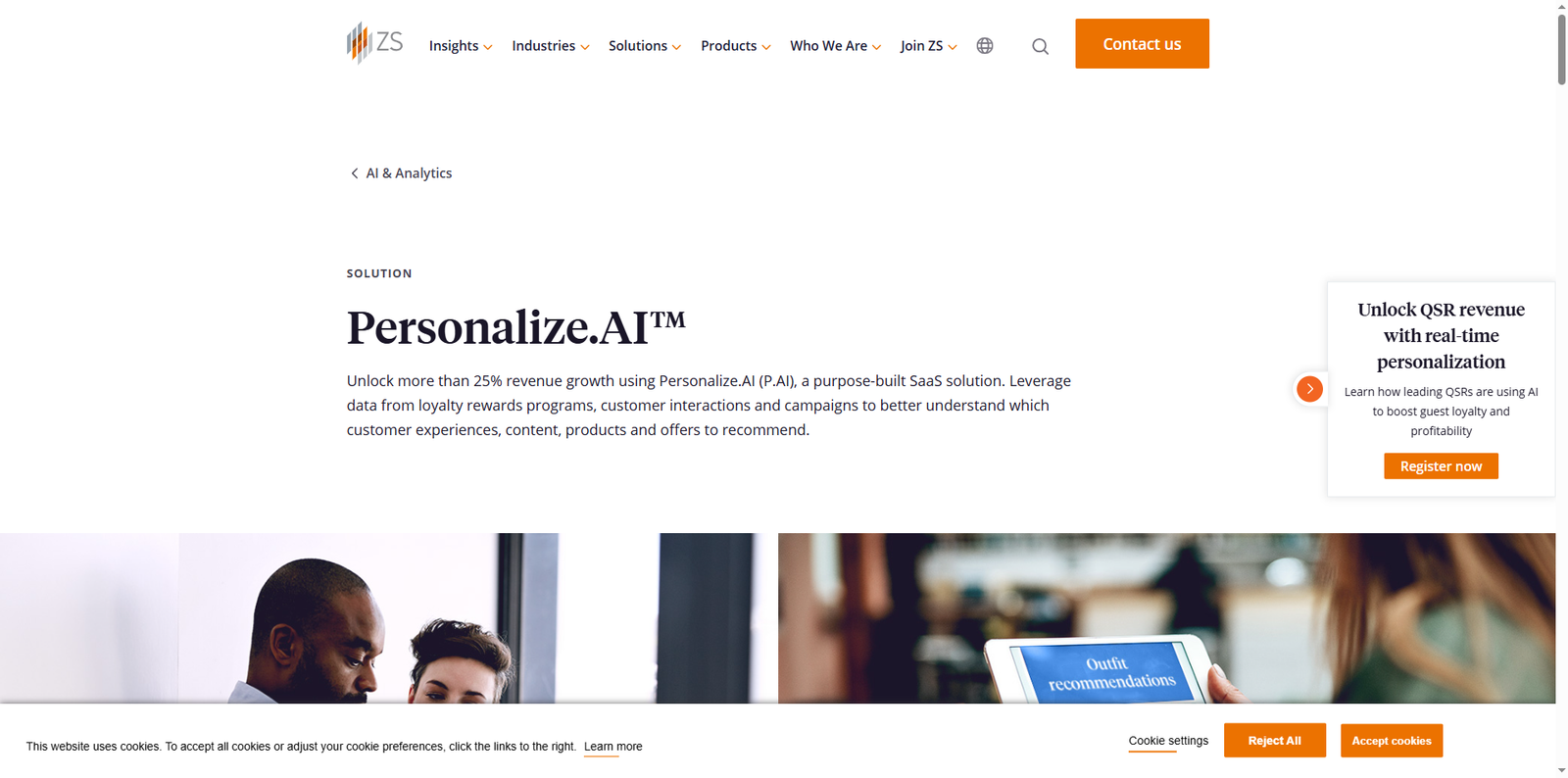
Personalize.ai is an AI-driven personalization platform that enables businesses to create individualized experiences for their customers across digital channels. By analyzing user behavior, preferences, and engagement patterns, the platform helps marketers deliver the right message to the right person at the right time. It uses machine learning models to predict user intent and optimize marketing campaigns in real time.
Why Personalization Matters
Personalization is no longer a luxury—it’s a necessity. Research from Salesforce shows that 84% of customers say being treated like a person, not a number, is crucial to winning their business. Personalize.ai helps brands meet this expectation by automating the personalization process using AI algorithms that continuously learn and adapt to user behavior.
How Personalize.ai Works
The platform operates by collecting and analyzing data from various customer touchpoints such as websites, mobile apps, and email campaigns. It then uses predictive analytics to determine what content or product a user is most likely to engage with next. The process involves several key components:
- Data Collection: Gathers behavioral, demographic, and transactional data from multiple sources.
- Machine Learning Models: Uses advanced algorithms to identify patterns and predict user preferences.
- Real-Time Decisioning: Delivers personalized content dynamically based on user interactions.
- Performance Optimization: Continuously tests and refines personalization strategies for better outcomes.
Example Use Case
Imagine an e-commerce retailer using Personalize.ai to recommend products. When a customer browses a particular category, the system instantly analyzes their browsing history, purchase behavior, and similar user profiles to suggest relevant products. This leads to higher engagement and conversion rates.
Key Benefits of Using Personalize.ai
Businesses that adopt Personalize.ai can experience several advantages, including:
- Enhanced Customer Engagement: Personalized experiences increase user satisfaction and loyalty.
- Improved Conversion Rates: AI-driven recommendations encourage faster purchase decisions.
- Data-Driven Insights: Provides actionable analytics to refine marketing strategies.
- Scalability: Easily adapts to growing data volumes and user bases.
- Automation: Reduces manual effort in campaign management through intelligent automation.
Real-World Applications
Personalize.ai is used across various industries to drive engagement and revenue. Below are some notable applications:
| Industry | Application | Outcome |
|---|---|---|
| Retail | Personalized product recommendations | Increased average order value |
| Media & Entertainment | Customized content suggestions | Higher viewer retention |
| Finance | Tailored financial advice and offers | Improved customer trust and engagement |
| Healthcare | Personalized wellness programs | Enhanced patient satisfaction |
Case Study Example
A leading online retailer integrated Personalize.ai into its recommendation engine and saw a 25% increase in click-through rates within three months. This improvement was attributed to the platform’s ability to analyze real-time behavior and deliver contextually relevant suggestions.
Integration and Compatibility
Personalize.ai offers seamless integration with popular marketing and analytics tools, enabling businesses to unify their data ecosystems. It supports APIs and SDKs that make it compatible with platforms such as:
This interoperability ensures that marketers can easily deploy personalization strategies without disrupting existing workflows.
Alternatives to Personalize.ai
While Personalize.ai is a robust solution, several other tools also offer AI-driven personalization capabilities. Some notable alternatives include:
- Optimizely – A digital experience platform that helps businesses test and optimize customer experiences.
- Dynamic Yield – Provides AI-powered personalization for web, mobile, and email channels.
- Segment – A customer data platform that helps unify and activate customer data across tools.
- Adobe Experience Cloud – Offers a suite of tools for analytics, marketing automation, and personalization.
- Salesforce Marketing Cloud – Enables personalized marketing journeys using AI insights.
Challenges and Considerations
Despite its advantages, implementing AI personalization comes with challenges that businesses should consider:
- Data Privacy: Companies must comply with regulations like GDPR and CCPA when handling user data.
- Integration Complexity: Integrating AI tools with legacy systems may require technical expertise.
- Bias in Algorithms: AI models can inherit biases from training data, potentially affecting personalization quality.
- Continuous Optimization: Personalization strategies need regular updates to remain effective as user behavior evolves.
Best Practices for Implementation
To maximize the effectiveness of Personalize.ai, businesses should:
- Start with clear personalization goals aligned with business objectives.
- Ensure data quality and consistency across all sources.
- Regularly monitor performance metrics and adjust strategies accordingly.
- Maintain transparency with users about data usage and privacy.
Future of AI-Powered Personalization
The future of personalization lies in deeper AI integration and predictive analytics. Emerging technologies such as generative AI, natural language processing, and real-time behavioral modeling will further enhance how brands interact with customers. According to Gartner, by 2025, 80% of marketing leaders will rely on AI to make real-time decisions about customer engagement. Platforms like Personalize.ai are at the forefront of this transformation, enabling businesses to stay competitive in an increasingly data-driven marketplace.
Trends to Watch
- Expansion of AI-driven chatbots for personalized customer support.
- Integration of voice and visual search personalization.
- Increased focus on ethical AI and data transparency.
- Greater use of predictive analytics for proactive engagement.
Conclusion
Personalize.ai represents a significant leap forward in how businesses approach customer engagement. By combining data science, machine learning, and automation, it empowers marketers to deliver experiences that resonate on a personal level. As consumer expectations continue to evolve, adopting AI-driven personalization tools will be essential for brands aiming to build lasting relationships and drive sustainable growth. Whether you’re a small business or a global enterprise, exploring solutions like Personalize.ai can help you unlock the full potential of personalized marketing in the digital age.