




Outline
- Introduction
- What Is Leonardo.ai?
- How Leonardo.ai Works
- Applications of Leonardo.ai in Creative Industries
- Benefits of Using Leonardo.ai
- Alternatives to Leonardo.ai
- Future of AI in Creative Design
- Conclusion
Introduction
Artificial intelligence has become an integral part of modern creativity, reshaping how artists, designers, and content creators produce digital art. Among the leading tools in this space is Leonardo.ai, a cutting-edge platform that enables users to generate high-quality images, textures, and videos using advanced AI models. Since its launch, Leonardo.ai has gained significant traction among professionals and hobbyists alike, offering an intuitive interface and powerful generative capabilities that rival traditional design software.
What Is Leonardo.ai?
Leonardo.ai is an AI-driven creative platform designed to assist users in generating visually stunning artwork, concept designs, and video content. It leverages deep learning models trained on vast datasets to produce results that mimic human creativity. The platform is particularly popular among game developers, digital artists, and marketers who need rapid prototyping and ideation tools.
According to data from Similarweb (as of early 2024), Leonardo.ai’s website has seen millions of monthly visits, reflecting its growing popularity in the creative tech community. The platform’s user-friendly interface and cloud-based accessibility make it a go-to solution for those seeking to streamline their design workflows without compromising on quality.
How Leonardo.ai Works
Leonardo.ai operates through a combination of generative AI models and user-guided prompts. Users input text descriptions or upload reference images, and the AI interprets these inputs to create original designs. The platform’s algorithms analyze patterns, textures, and lighting to produce realistic and stylistically consistent results.
Core Workflow
- Prompt Input: Users describe their desired output using natural language prompts.
- Model Selection: The system selects an appropriate AI model based on the prompt type, such as image generation or video synthesis.
- Rendering: The AI processes the request, generating multiple variations for user selection.
- Refinement: Users can fine-tune outputs by adjusting parameters like color, composition, and detail.
Integration and Accessibility
Leonardo.ai is accessible via web browsers, eliminating the need for complex installations. Its cloud infrastructure ensures scalability and performance, allowing users to generate high-resolution outputs efficiently. The platform also supports integration with other creative tools, enabling seamless workflows for professionals using software like Adobe Photoshop or Blender.
Applications of Leonardo.ai in Creative Industries
The versatility of Leonardo.ai extends across multiple creative domains. Its AI-driven capabilities empower users to explore new artistic directions and accelerate production timelines.
1. Game Development
Game designers use Leonardo.ai to create concept art, character designs, and environmental textures. The AI’s ability to generate consistent visual styles helps teams maintain artistic coherence throughout development cycles.
2. Marketing and Branding
Marketers leverage Leonardo.ai to produce campaign visuals, social media content, and promotional materials. The tool’s rapid generation capabilities make it ideal for A/B testing and creative brainstorming.
3. Film and Animation
In film production, Leonardo.ai assists with storyboarding and visual effects pre-visualization. By generating quick concept frames, directors and animators can visualize scenes before committing to full-scale production.
4. Architecture and Interior Design
Architects and designers use Leonardo.ai to visualize spaces, materials, and lighting conditions. The AI’s realistic rendering capabilities allow for immersive previews of design concepts.
Benefits of Using Leonardo.ai
Leonardo.ai offers numerous advantages for creative professionals seeking efficiency and innovation in their workflows.
| Benefit | Description |
|---|---|
| Speed | Generates high-quality visuals in seconds, significantly reducing design time. |
| Accessibility | Cloud-based platform accessible from any device with an internet connection. |
| Customization | Allows users to refine and iterate on generated outputs for personalized results. |
| Collaboration | Facilitates teamwork through shared projects and real-time feedback features. |
| Innovation | Encourages creative exploration by offering endless variations and styles. |
Alternatives to Leonardo.ai
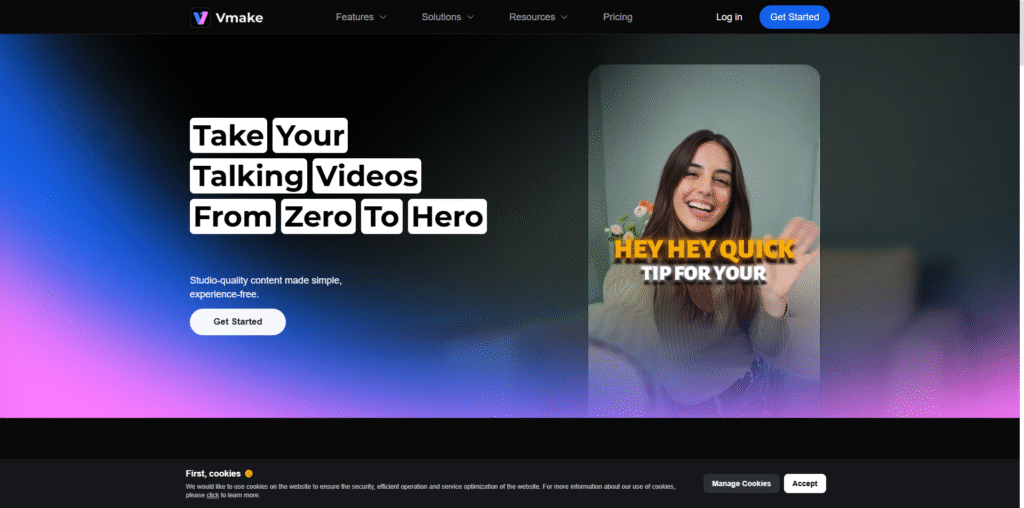
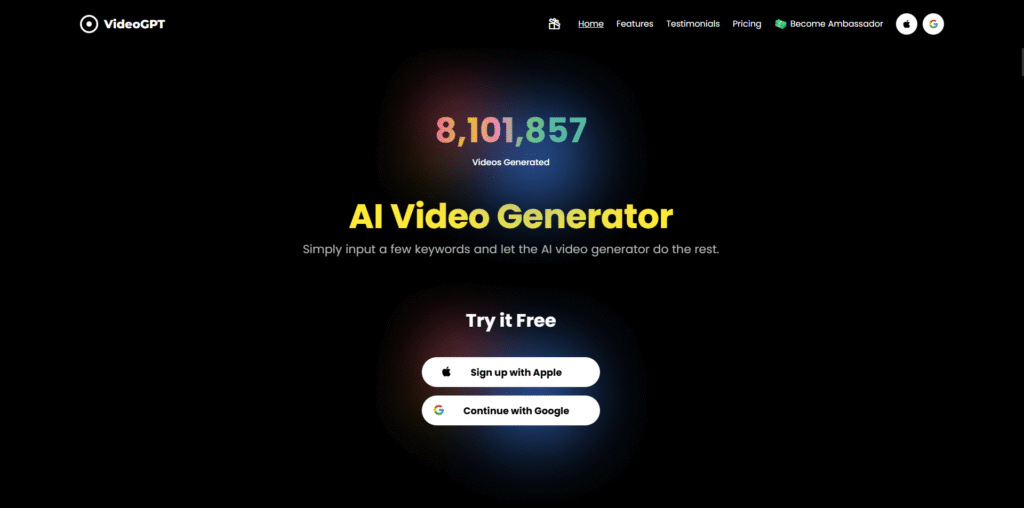
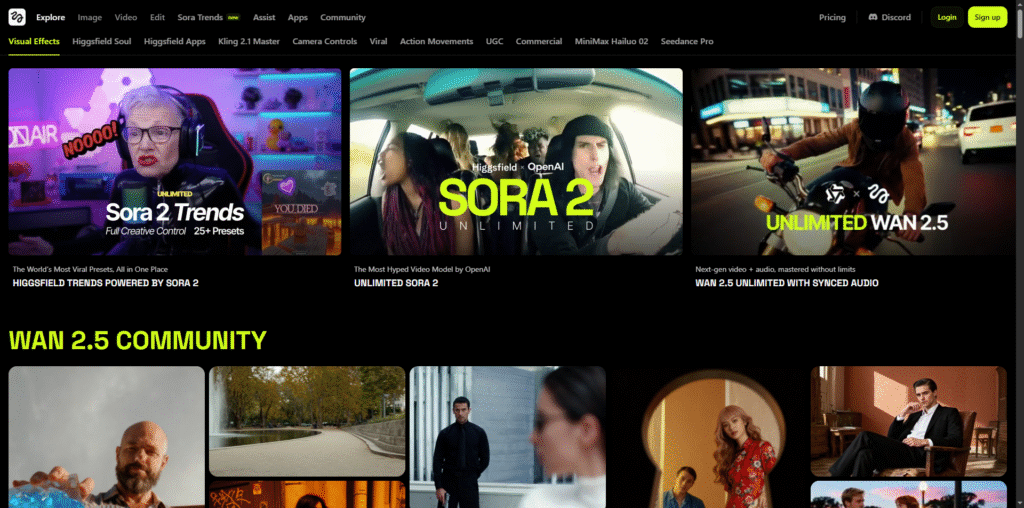
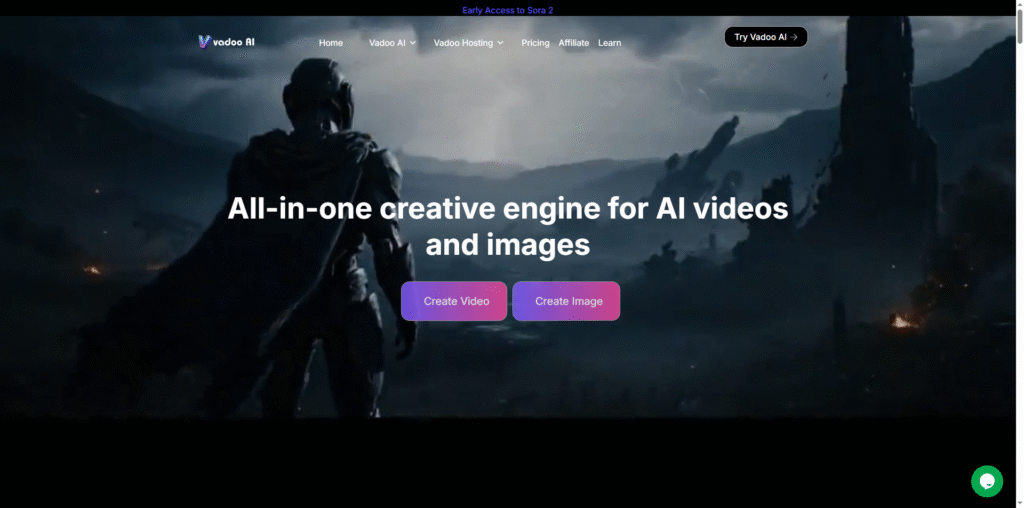
While Leonardo.ai stands out for its intuitive design and powerful AI models, several other platforms offer comparable capabilities. Exploring alternatives can help users find the best fit for their specific creative needs.
1. Midjourney
Midjourney is a popular AI art generator that operates through Discord. It specializes in producing highly stylized and imaginative visuals, making it a favorite among artists who value aesthetic experimentation.
2. DALL·E 2
Developed by OpenAI, DALL·E 2 creates detailed images from textual descriptions. It excels in generating realistic compositions and is widely used for concept visualization and creative ideation.
3. Stable Diffusion
Stable Diffusion is an open-source image generation model that allows users to run AI art creation locally. Its flexibility and community-driven development make it a strong alternative for developers and researchers.
4. Runway ML
Runway ML offers AI-powered tools for video editing, image generation, and motion tracking. It is particularly useful for content creators and filmmakers seeking AI-assisted production workflows.
Future of AI in Creative Design
The integration of AI into creative processes is reshaping the boundaries of artistic expression. As models like Leonardo.ai continue to evolve, we can expect even greater synergy between human creativity and machine intelligence. Emerging trends such as generative video, 3D modeling, and interactive storytelling are already gaining momentum, signaling a new era of digital artistry.
Ethical Considerations
With the rise of AI-generated content, ethical questions surrounding authorship, originality, and data usage have become increasingly relevant. Platforms like Leonardo.ai are implementing transparency measures and usage guidelines to ensure responsible AI deployment. As the technology matures, balancing innovation with ethical responsibility will remain a key focus for developers and users alike.
Industry Adoption
Major industries are rapidly adopting AI-driven creative tools. According to a 2023 report by Gartner, over 60% of design teams in digital media companies are expected to integrate AI tools into their workflows by 2025. This trend underscores the growing trust in AI as a reliable partner in creative production.
Conclusion
Leonardo.ai represents a transformative leap in how we approach digital creativity. By combining advanced AI models with an accessible interface, it empowers artists, designers, and content creators to bring their visions to life faster and more efficiently than ever before. Whether used for game development, marketing, or visual storytelling, Leonardo.ai demonstrates the immense potential of artificial intelligence in shaping the future of art and design. As the creative landscape continues to evolve, tools like Leonardo.ai will remain at the forefront of innovation, inspiring a new generation of creators to explore the limitless possibilities of AI-driven artistry.