








Outline
- Introduction to DeepAI.org
- The Mission and Vision Behind DeepAI
- Core Technologies and Tools Offered by DeepAI
- DeepAI’s AI Video Generation Platform
- Applications of DeepAI in Different Industries
- How Developers and Businesses Benefit from DeepAI APIs
- Alternative AI Tools and Platforms
- Challenges and Ethical Considerations in AI Content Creation
- Conclusion
DeepAI.org is a pioneering platform that provides open access to artificial intelligence tools designed to empower creativity, research, and innovation. Founded in 2016, DeepAI’s mission is to make advanced AI technology accessible to everyone—from developers and data scientists to artists and entrepreneurs. The platform offers a wide range of APIs and models that allow users to generate images, videos, and text using deep learning algorithms.
As artificial intelligence continues to transform industries, DeepAI stands out for its commitment to openness and accessibility. By offering free and paid API services, it enables seamless integration of AI capabilities into applications, websites, and creative workflows.
The Mission and Vision Behind DeepAI
DeepAI’s vision is rooted in democratizing AI. The organization believes that artificial intelligence should not be limited to large corporations or research institutions but should be available to individuals and small businesses as well. This philosophy drives their efforts to provide easy-to-use APIs that anyone can experiment with, regardless of technical background.
According to DeepAI’s official documentation, the platform emphasizes transparency and reproducibility in AI research. It encourages developers to explore, modify, and build upon existing models, fostering a collaborative ecosystem that accelerates innovation.
Core Technologies and Tools Offered by DeepAI
DeepAI offers a diverse set of tools and APIs that cater to various AI-driven tasks. These include:
- Text Generation API: Enables users to generate coherent and contextually relevant text using advanced language models.
- Image Generation API: Converts textual descriptions into realistic images, ideal for creative projects and design prototyping.
- Image Colorization API: Automatically colorizes black-and-white images using neural networks trained on large datasets.
- Super Resolution API: Enhances image resolution without losing quality, useful for photography and media applications.
- AI Video Generator: Allows users to create videos from text or images, merging creativity with automation.
These tools are accessible through RESTful APIs, making integration straightforward for developers using languages like Python, JavaScript, or PHP. The platform also provides detailed documentation and examples to help users get started quickly.
DeepAI’s AI Video Generation Platform
One of the most exciting innovations from DeepAI is its AI Video Generator. This tool enables users to create dynamic videos from text prompts, images, or a combination of both. The system leverages deep learning models trained on vast datasets to interpret textual descriptions and generate corresponding visual sequences.
For example, a user can input a sentence like “A sunrise over the mountains with birds flying across the sky,” and the AI will produce a short video clip that visually represents this description. This capability is particularly valuable for content creators, marketers, and educators looking to produce engaging visual content without extensive video editing skills.
Technical Overview
The AI Video Generator uses a combination of natural language processing (NLP) and generative adversarial networks (GANs). NLP models interpret the semantic meaning of the text, while GANs synthesize realistic frames that align with the description. The result is a smooth, visually coherent video that captures the essence of the input prompt.
Use Cases
- Marketing and Advertising: Brands can quickly generate promotional videos tailored to specific campaigns.
- Education: Teachers and content creators can produce visual aids for lessons and tutorials.
- Entertainment: Artists and filmmakers can experiment with AI-generated storyboards and concept visuals.
Applications of DeepAI in Different Industries
DeepAI’s technology extends beyond creative uses. Its APIs have practical applications across multiple sectors:
| Industry | Application |
|---|---|
| Healthcare | Enhancing medical imaging analysis and automating data interpretation. |
| Finance | Generating predictive models for market analysis and risk assessment. |
| Education | Creating interactive learning materials and AI-driven tutoring systems. |
| Media & Entertainment | Producing AI-generated art, music, and video content. |
| Retail | Personalizing shopping experiences through AI-driven recommendations. |
How Developers and Businesses Benefit from DeepAI APIs
For developers, DeepAI offers a straightforward way to integrate AI functionalities into applications without building models from scratch. The APIs are designed for scalability and can handle large volumes of requests, making them suitable for enterprise-level deployments.
Businesses benefit from reduced development time and costs, as well as the ability to enhance user experiences with intelligent automation. For instance, e-commerce platforms can use DeepAI’s image recognition tools to automatically tag and categorize products, while media companies can generate AI-assisted content at scale.
Integration Example
Developers can integrate DeepAI’s APIs using simple HTTP requests. For example, sending a POST request with a text prompt to the Image Generation API endpoint returns a URL to the generated image. This simplicity allows teams to focus on creativity and functionality rather than complex model training.
Alternative AI Tools and Platforms
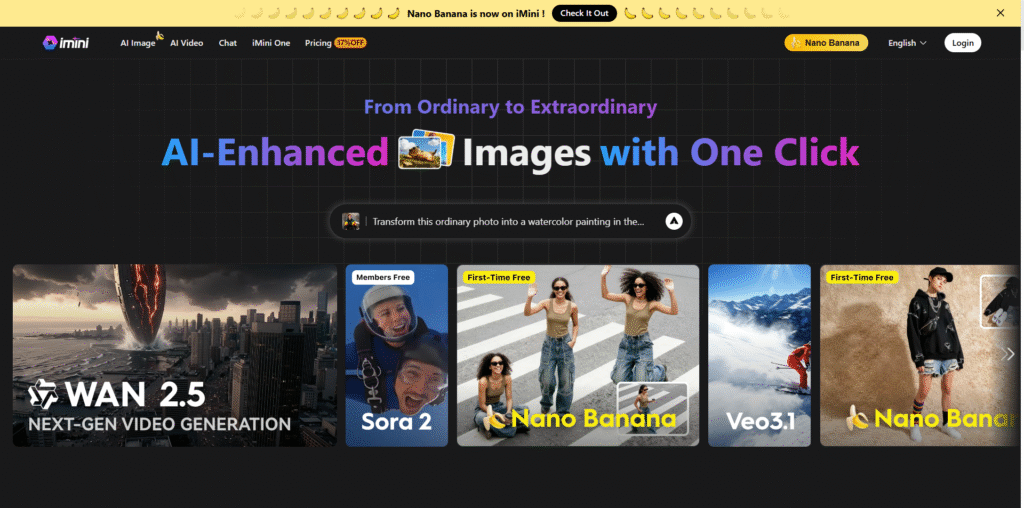
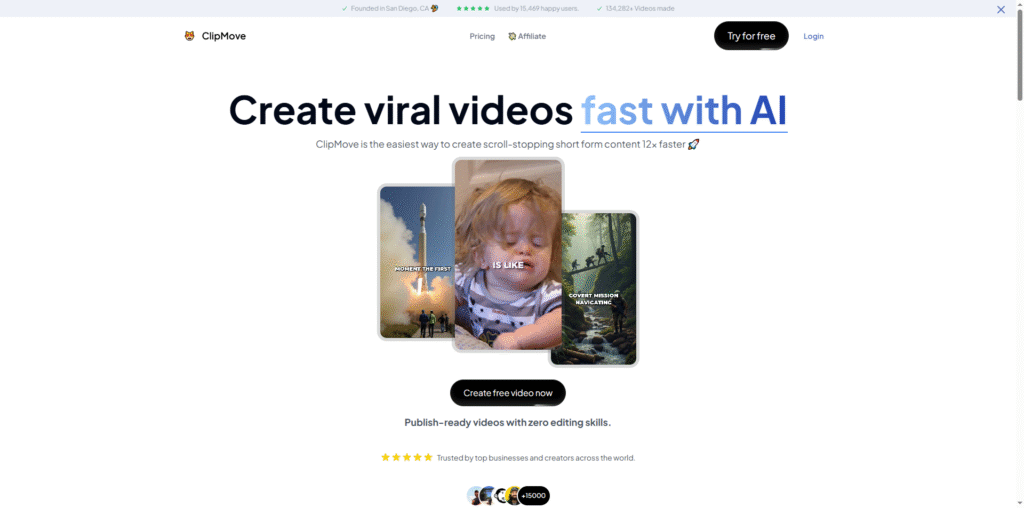
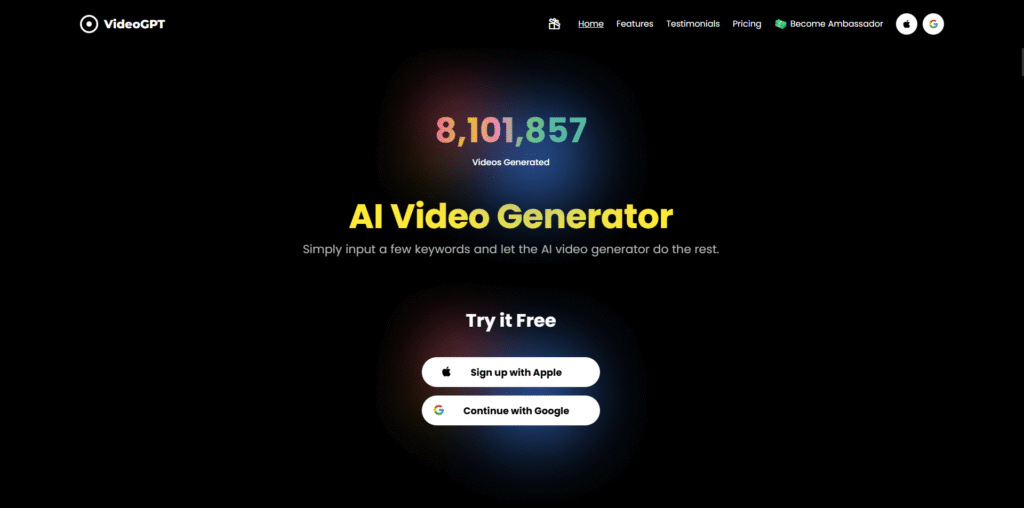
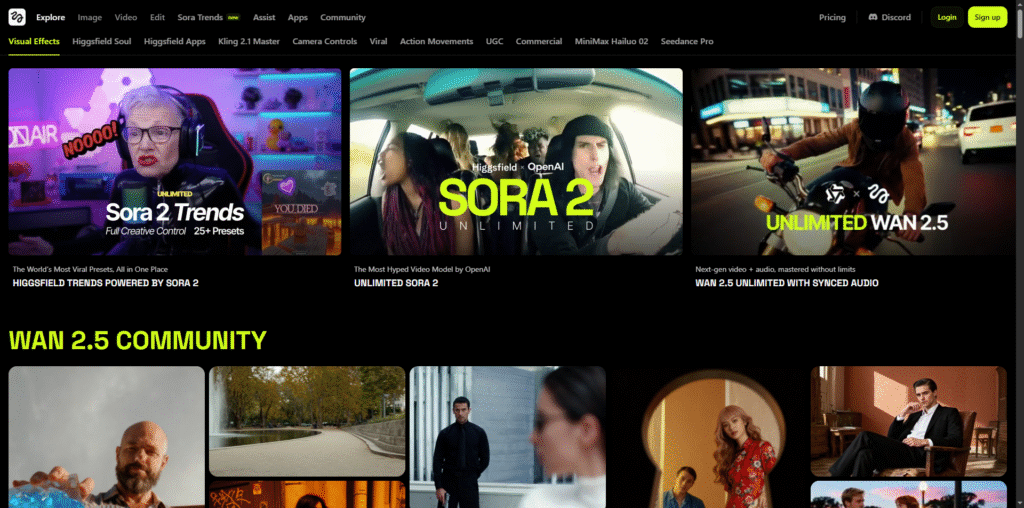
While DeepAI offers a robust suite of tools, several other platforms provide complementary or alternative AI services. Some notable examples include:
- OpenAI – Known for its advanced language models and AI research initiatives.
- Runway ML – A creative suite for artists and designers to experiment with AI-generated media.
- Hugging Face – A hub for open-source machine learning models and datasets.
- Stability AI – Developer of Stable Diffusion, a leading open-source image generation model.
- Replicate – A platform that hosts machine learning models accessible via API.
These alternatives complement DeepAI’s offerings by providing specialized tools for different creative and technical needs. Together, they form a vibrant ecosystem that fuels AI innovation globally.
Challenges and Ethical Considerations in AI Content Creation
Despite its potential, AI-generated content raises important ethical questions. Issues such as data privacy, copyright, and misinformation must be addressed as AI tools become more powerful. DeepAI promotes responsible AI use by encouraging transparency in model training and output generation.
Users are advised to verify the originality of AI-generated content and ensure compliance with intellectual property laws. Additionally, developers should implement safeguards to prevent misuse of AI tools for deceptive or harmful purposes.
Responsible AI Practices
- Disclose when content is AI-generated.
- Use AI tools for creative enhancement, not deception.
- Respect data privacy and consent in model training.
- Encourage diversity and fairness in AI datasets.
Conclusion
DeepAI.org represents a significant step toward democratizing artificial intelligence. By providing accessible APIs and creative tools, it empowers individuals and organizations to explore the full potential of AI without requiring deep technical expertise. From generating videos and images to enhancing data analysis, DeepAI’s platform bridges the gap between human creativity and machine intelligence.
As AI technology continues to evolve, platforms like DeepAI will play a crucial role in shaping how we create, communicate, and innovate. Whether you are a developer, artist, or business leader, exploring DeepAI’s ecosystem offers a glimpse into the future of intelligent, automated creativity.