



Outline
- Introduction to Craiyon.com
- What Is Craiyon and How It Started
- How Craiyon Works: The Technology Behind the Tool
- Why Craiyon Has Become So Popular
- Creative Uses for Craiyon
- How to Use Craiyon Effectively
- Alternatives to Craiyon
- Ethical Considerations in AI Art Generation
- Future of AI-Generated Art
- Conclusion
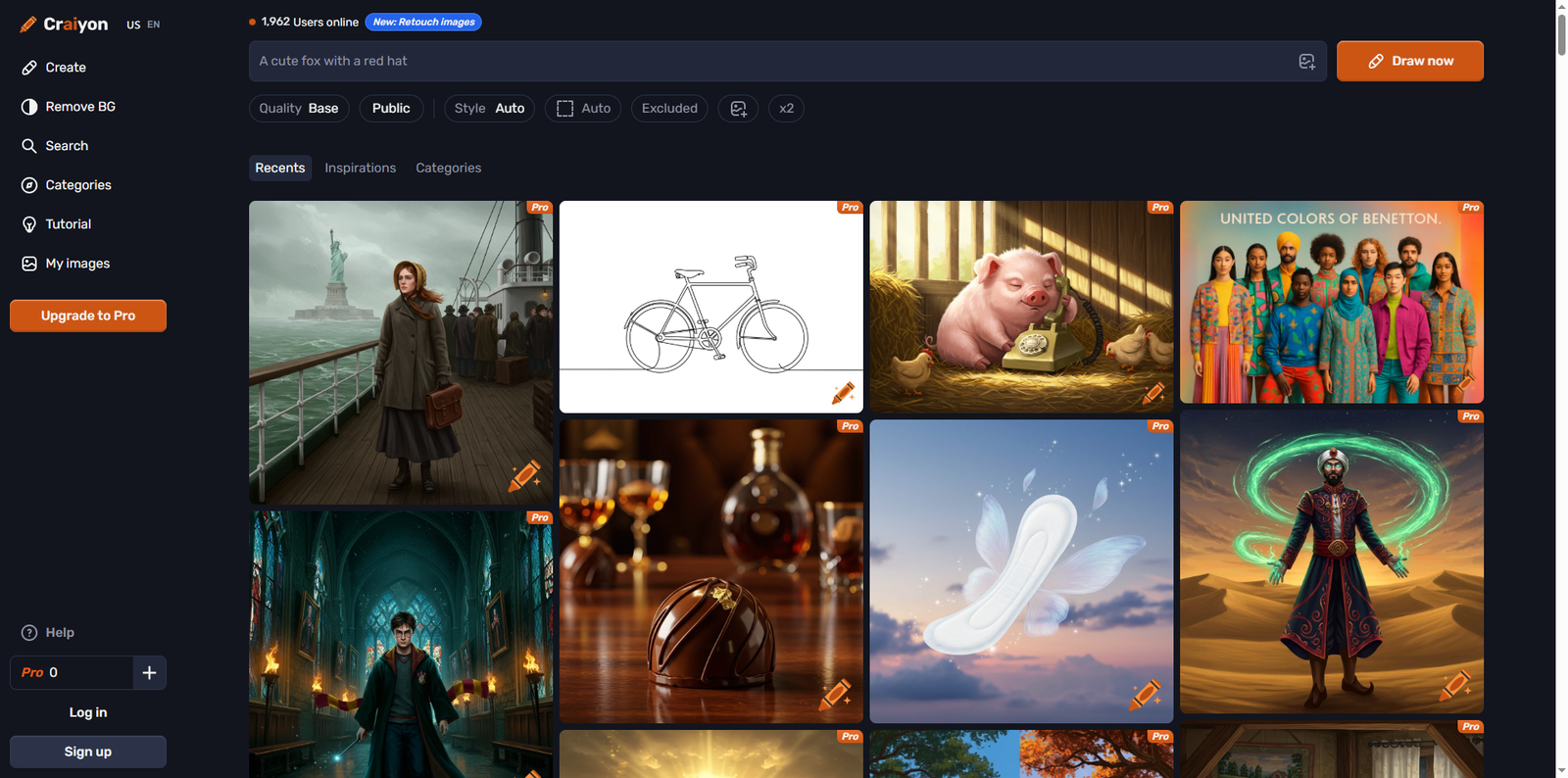
Craiyon.com is an innovative online platform that allows users to generate images from text prompts using artificial intelligence. Formerly known as DALL·E Mini, Craiyon has gained immense popularity for its ability to transform simple text descriptions into unique, AI-generated artworks. Since its rebranding in 2022, Craiyon has become a go-to tool for artists, marketers, educators, and casual users who want to explore the creative potential of AI.
What Is Craiyon and How It Started
Craiyon was originally launched as DALL·E Mini, a project inspired by OpenAI’s DALL·E model. It was developed by Boris Dayma and a team of researchers who aimed to make AI image generation accessible to everyone. The name change to Craiyon reflected its independence from OpenAI and its mission to democratize creative AI tools. The platform quickly gained traction after going viral on social media platforms like Reddit and Twitter, where users shared humorous and surreal AI-generated images.
How Craiyon Works: The Technology Behind the Tool
Craiyon uses a deep learning model trained on millions of image-text pairs. When a user enters a text prompt, the AI interprets the words and generates a set of images that visually represent the description. The model relies on a diffusion-based approach, which gradually refines random noise into coherent images. This process is computationally intensive but produces surprisingly creative and diverse results.
Unlike some proprietary AI models, Craiyon runs on open-source principles. It uses a smaller architecture compared to models like DALL·E 2 or Midjourney, allowing it to operate efficiently in a web browser environment. The AI continues to evolve as the developers refine its algorithms and expand its training datasets.
Why Craiyon Has Become So Popular
Craiyon’s popularity stems from its accessibility and entertainment value. Users can generate images instantly without needing to sign up or pay for access. The simplicity of typing a phrase and receiving visual interpretations has made it a viral sensation. Additionally, Craiyon’s quirky and sometimes imperfect outputs add to its charm, making it a favorite among meme creators and digital artists alike.
According to Similarweb data from early 2024, Craiyon.com attracts millions of monthly visitors, with a significant portion coming from the United States, India, and the United Kingdom. Its user-friendly interface and free access have contributed to its rapid growth in the AI art community.
Creative Uses for Craiyon
Craiyon’s versatility makes it useful across various domains. Below are some popular applications:
- Art and Design Inspiration: Artists use Craiyon to brainstorm visual ideas or generate concept art for projects.
- Marketing and Advertising: Marketers create quick visuals for campaigns, social media posts, or presentations.
- Education: Teachers and students use Craiyon to visualize historical events, scientific concepts, or literary scenes.
- Entertainment: Users generate humorous or surreal images for memes and online communities.
- Storytelling: Writers use AI-generated visuals to accompany short stories or scripts.
How to Use Craiyon Effectively
Using Craiyon is straightforward, but crafting effective prompts can significantly improve results. Here’s a step-by-step guide:
- Visit Craiyon.com.
- Enter a descriptive text prompt in the input box. For example, “a futuristic cityscape at sunset.”
- Click “Draw” and wait for the AI to generate images.
- Review the results and download your favorite image.
To achieve better outcomes, consider these tips:
- Be specific with your descriptions (e.g., “a watercolor painting of a mountain village” instead of “a village”).
- Experiment with different art styles or moods.
- Use adjectives and context to guide the AI’s interpretation.
- Combine multiple concepts for creative mashups.
Alternatives to Craiyon
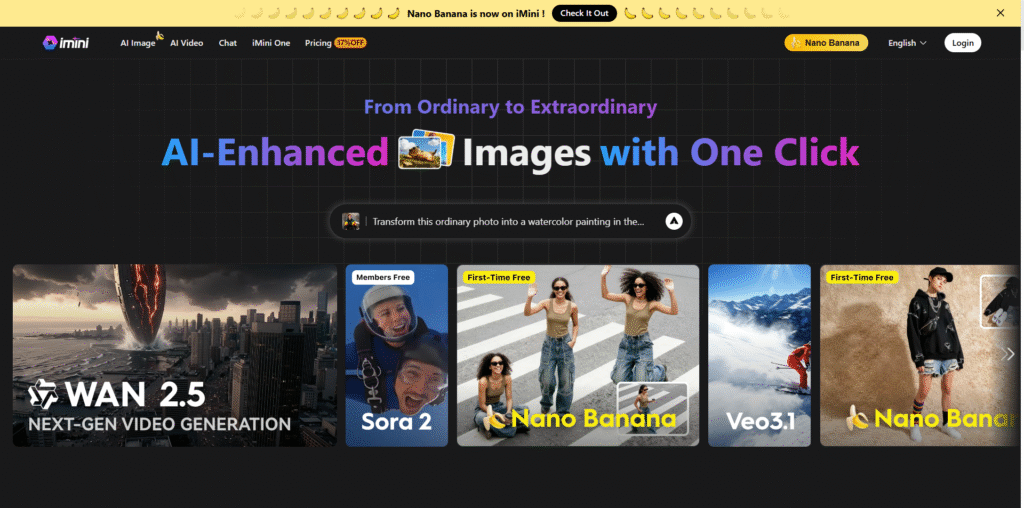
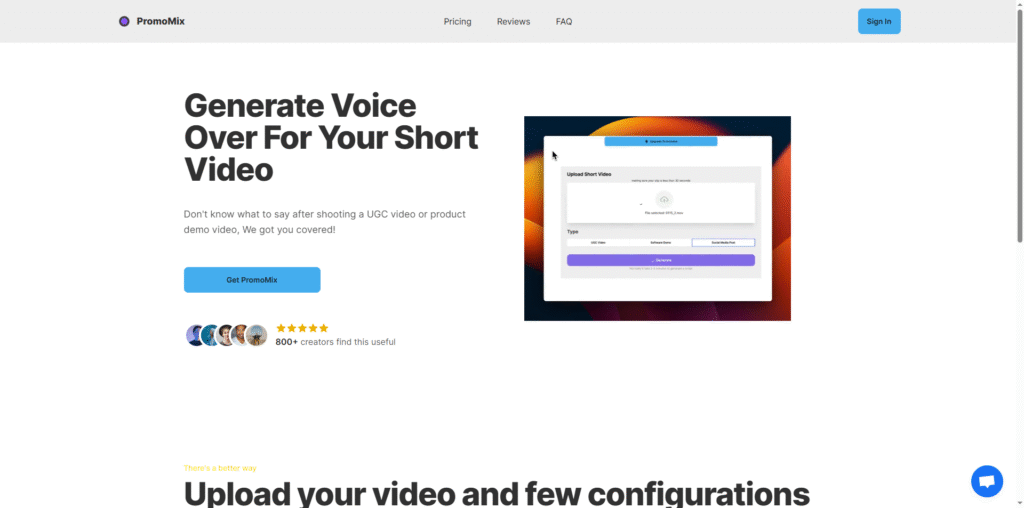
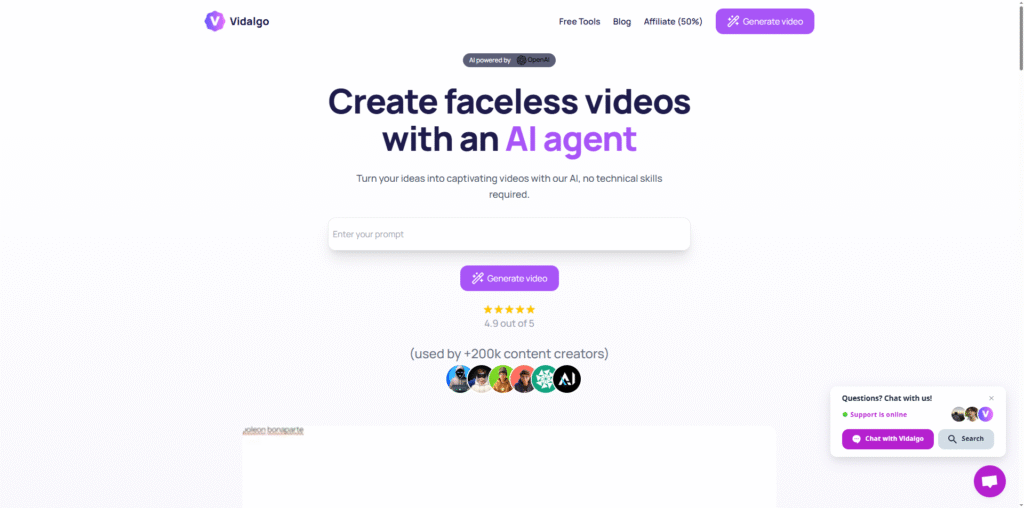
While Craiyon is a powerful and free tool, several other AI image generators offer different capabilities and styles. Here are some notable alternatives:
| Tool | Description | Official Website |
|---|---|---|
| OpenAI DALL·E 3 | Advanced AI image generator integrated with ChatGPT, offering high-quality visuals and text-to-image coherence. | Visit DALL·E 3 |
| Midjourney | Community-driven AI art tool known for its distinctive artistic style and Discord-based interface. | Visit Midjourney |
| Stable Diffusion | Open-source model that allows users to generate and customize AI art locally or through hosted services. | Visit Stability AI |
| Dream by Wombo | Mobile-friendly AI art app that creates digital paintings from text prompts. | Visit Wombo |
Ethical Considerations in AI Art Generation
As AI-generated art becomes mainstream, ethical questions arise regarding authorship, originality, and data usage. Craiyon’s developers emphasize responsible AI use and transparency about how the model was trained. However, users should be aware that AI models learn from large datasets that may include copyrighted or sensitive material.
Artists and organizations are increasingly discussing how to balance innovation with respect for intellectual property. Some suggest watermarking AI-generated images or labeling them clearly to distinguish them from human-created works. Craiyon’s open accessibility makes it a valuable educational tool for understanding these evolving ethical challenges.
Future of AI-Generated Art
The future of AI-generated art looks promising, with continuous advancements in model accuracy, realism, and creativity. Craiyon’s ongoing updates aim to improve image resolution and reduce artifacts while maintaining its free and open nature. As AI becomes more integrated into creative workflows, tools like Craiyon will likely serve as entry points for users exploring digital art for the first time.
Industry experts predict that AI art will not replace human creativity but rather enhance it. Artists can use AI as a collaborator—an assistant that helps visualize concepts faster and explore new styles. Craiyon’s playful and experimental nature exemplifies this synergy between human imagination and machine intelligence.
Conclusion
Craiyon.com stands as a testament to how artificial intelligence can democratize creativity. By transforming text into images instantly, it empowers anyone to become a digital artist, regardless of technical skill. Its open accessibility, engaging interface, and community-driven growth have made it a cornerstone of the AI art movement. Whether you’re an artist seeking inspiration, a teacher visualizing ideas, or simply curious about AI’s potential, Craiyon offers an exciting and accessible gateway into the world of generative art. As technology continues to evolve, Craiyon’s role in shaping the future of creativity will only grow stronger.