


Outline
- Introduction
- What is LipSync.ai?
- How LipSync.ai Works
- Applications Across Industries
- Advantages of Using LipSync.ai
- Alternative Tools to Explore
- Integration and Compatibility
- Real-World Examples and Case Studies
- Conclusion
Introduction
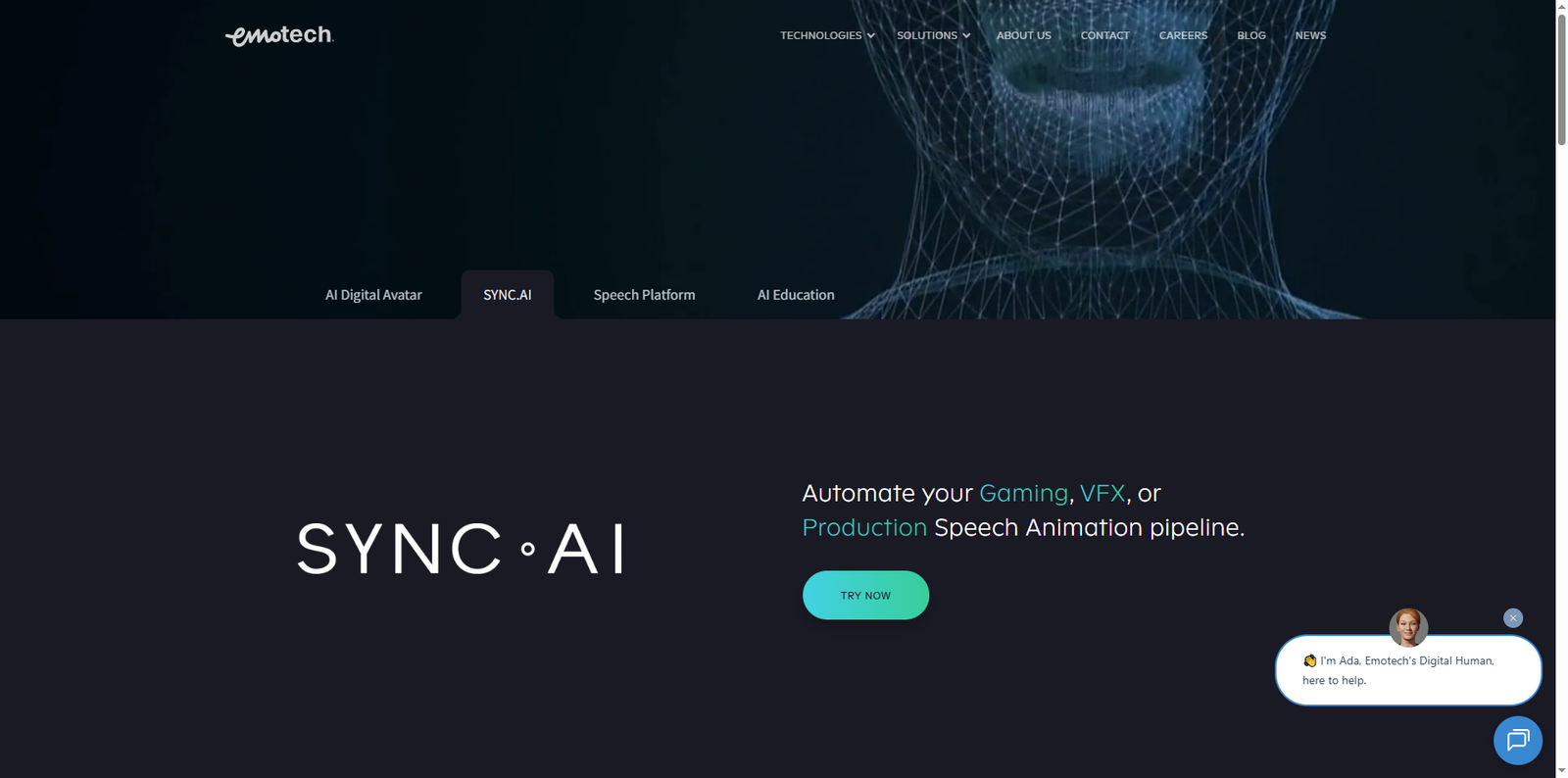
In the world of digital content creation, realism and efficiency are paramount. Whether in gaming, film production, or virtual reality, animators and developers constantly seek tools that can bring characters to life with minimal manual effort. LipSync.ai is one such innovation that’s redefining how speech animation is produced. By leveraging artificial intelligence, it automates the process of lip and facial synchronization, enabling creators to generate natural, expressive animations in record time.
What is LipSync.ai?
LipSync.ai is an AI-powered platform designed to automate lip and facial animation for digital characters. It uses advanced machine learning models to analyze speech audio or text transcripts and generate corresponding mouth, tongue, and micro-expression movements. The result is a lifelike animation that mirrors human speech patterns with remarkable accuracy.
The platform supports multiple languages, including English, Mandarin, Arabic, French, German, Italian, Japanese, and Russian, making it accessible to global creators. Its technology adapts to various rigging systems such as Apple’s ARKit, Unreal Engine’s MetaHumans, and Reallusion characters, ensuring seamless integration into existing production pipelines.
How LipSync.ai Works
The process behind LipSync.ai is both sophisticated and user-friendly. The platform’s core engine, known as the SYNC.AI Hybrid Engine, processes either audio files or text transcripts to generate synchronized speech animations. Here’s how it typically works:
- Input: Users upload an audio file or provide a text transcript.
- Processing: The AI model analyzes phonemes, tone, and rhythm to predict mouth and facial movements.
- Output: The system generates animation files compatible with the user’s character rig.
This automation eliminates the need for frame-by-frame manual animation, drastically reducing production time while maintaining high-quality results.
Applications Across Industries
LipSync.ai’s versatility extends across multiple creative sectors. Below are some of the most prominent applications:
1. Gaming
In the gaming industry, developers use LipSync.ai to create immersive character interactions. With AI-driven speech animation, NPCs (non-playable characters) can deliver dialogues that feel authentic, enhancing player engagement and storytelling depth.
2. Film and VFX
For film and visual effects studios, LipSync.ai streamlines post-production workflows. Animators can synchronize dialogue with character performances quickly, freeing artists to focus on creative direction rather than repetitive animation tasks.
3. Virtual Reality and Metaverse
As virtual worlds and metaverse platforms expand, realistic avatars are essential. LipSync.ai ensures that avatars communicate naturally, improving user immersion in social VR environments and digital events.
4. Education and Corporate Training
AI-generated speech animation is also valuable in e-learning and corporate training. Instructors can create engaging, multilingual video content without needing professional voice actors or animators.
Advantages of Using LipSync.ai
Several key benefits make LipSync.ai a standout choice for creators and studios:
- Automation: Eliminates manual animation, saving time and resources.
- Scalability: Capable of handling large-scale projects with multiple characters.
- Realism: Produces natural lip, tongue, and micro-expression movements.
- Language Support: Offers multilingual capabilities for global productions.
- Integration: Works seamlessly with popular 3D software and engines.
Alternative Tools to Explore
While LipSync.ai leads in AI-driven lip synchronization, several other tools offer complementary or alternative solutions. Here are some noteworthy options:
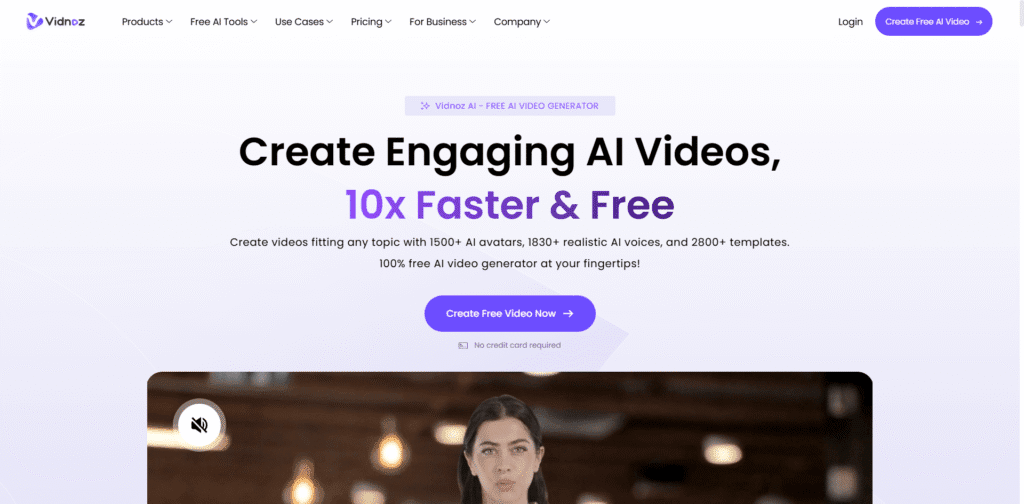
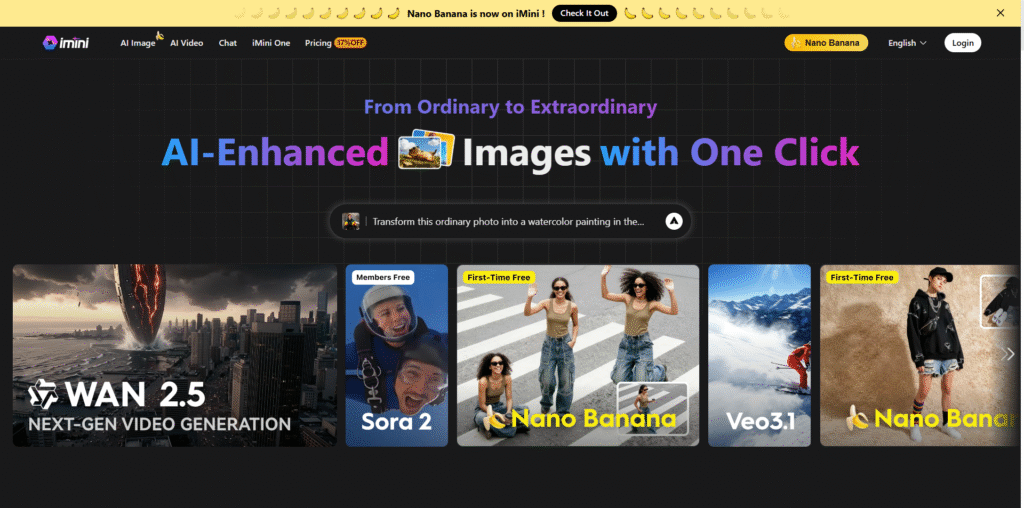
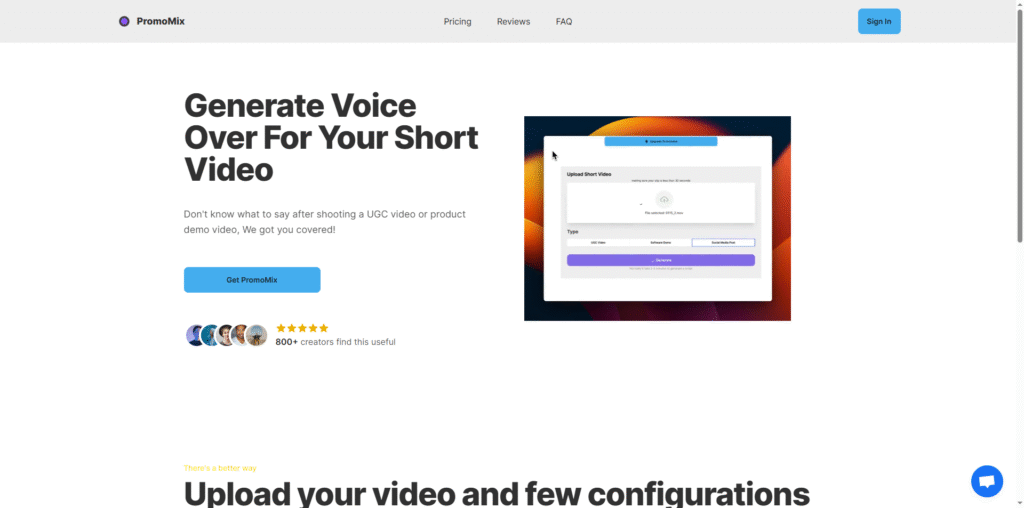
| Tool | Description | Official Website |
|---|---|---|
| Faceware | Provides facial motion capture solutions for real-time animation and film production. | facewaretech.com |
| Adobe Character Animator | Uses motion capture and voice input to animate 2D characters in real time. | adobe.com |
| Reallusion iClone | Offers a robust animation environment with facial and body motion capture integration. | reallusion.com |
| Unreal MetaHuman Animator | Enables creators to produce realistic digital humans with facial animation tools. | unrealengine.com |
Integration and Compatibility
LipSync.ai is designed for seamless integration into existing pipelines. Its API allows developers to automate animation generation across multiple characters simultaneously. The platform supports blendshape values for popular rigging systems, ensuring compatibility with industry-standard tools. Integration examples include:
- ARKit: Apple’s facial tracking framework used in iOS and macOS applications.
- Unreal Engine MetaHumans: High-fidelity digital humans for real-time rendering.
- Reallusion Characters: Customizable 3D avatars for animation and film.
Developers can also use LipSync.ai’s desktop application to preview animations before exporting them, allowing for quick adjustments and creative experimentation.
Real-World Examples and Case Studies
Several studios and independent creators have adopted LipSync.ai to enhance their production workflows. For instance, indie game developers have reported up to 60% reductions in animation time when integrating LipSync.ai into their pipelines. Similarly, small VFX studios have used the platform to produce realistic dialogue scenes without requiring extensive motion capture setups.
According to a 2023 report by Statista, the global market for AI in media and entertainment is projected to reach over USD 8 billion by 2025. Tools like LipSync.ai are driving this growth by democratizing access to high-quality animation technology once reserved for large studios.
Additionally, the rise of virtual influencers and digital presenters has created new demand for automated lip-syncing solutions. LipSync.ai’s ability to generate expressive animations from simple text inputs makes it ideal for creating virtual personalities on platforms like YouTube, TikTok, and Twitch.
Conclusion
LipSync.ai represents a significant leap forward in the field of speech animation. By combining artificial intelligence with intuitive design, it empowers creators to produce lifelike animations faster and more efficiently than ever before. Its adaptability across multiple languages, rigs, and industries makes it a versatile asset for anyone involved in digital storytelling.
As the demand for realistic digital characters continues to grow, tools like LipSync.ai will play a pivotal role in shaping the future of animation and interactive media. Whether you’re a game developer, filmmaker, educator, or content creator, exploring LipSync.ai could be the key to unlocking a new level of creative potential.