




Outline
- Introduction
- Understanding Pippit.ai
- The Technology Behind Pippit.ai
- Applications of Pippit.ai in Creative Industries
- Integration of Nano Banana and Seedream 4.0
- How Pippit.ai Enhances User Experience
- Alternative Tools to Explore
- Future Prospects of AI Creativity Platforms
- Conclusion
Introduction
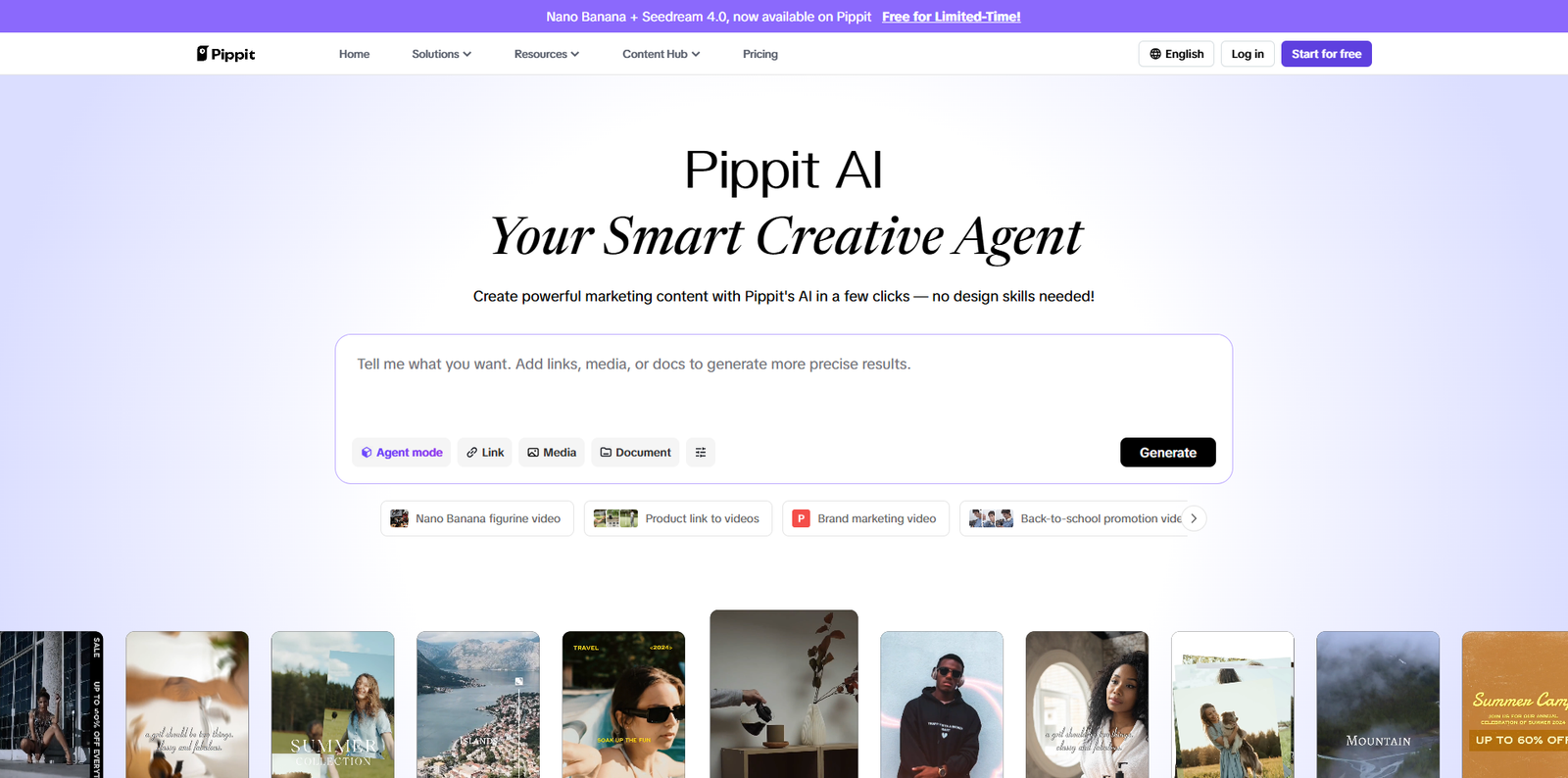
Artificial Intelligence (AI) has evolved from a niche technology into a cornerstone of modern innovation. Among the latest entrants redefining the creative AI landscape is Pippit.ai, a platform that merges advanced generative models with intuitive design tools. With the integration of Nano Banana and Seedream 4.0, Pippit.ai is positioning itself as a game-changer for digital creators, developers, and businesses seeking smarter, faster, and more creative AI-driven solutions.
Understanding Pippit.ai
Pippit.ai is an AI-powered creative platform designed to simplify and enhance the process of generating digital content. It leverages cutting-edge machine learning models to produce text, images, and multimedia outputs that align with user intent. Unlike traditional AI tools that focus on a single domain, Pippit.ai integrates multiple creative capabilities, enabling users to explore diverse applications—from content generation to design automation.
According to recent data from Statista, the global AI market is projected to reach over $300 billion by 2030, with creative AI tools contributing significantly to that growth. Pippit.ai’s emergence aligns perfectly with this trend, offering a platform that bridges creativity and computation.
The Technology Behind Pippit.ai
At its core, Pippit.ai employs a combination of deep learning architectures and generative models. The integration of Nano Banana and Seedream 4.0 enhances its ability to understand user prompts and generate contextually relevant outputs. These models are trained on vast datasets, allowing Pippit.ai to produce high-quality creative assets with remarkable precision.
Machine Learning and Neural Networks
Pippit.ai’s neural network framework is designed to mimic human-like creativity. It uses transformer-based architectures similar to those powering leading AI systems. This allows the platform to interpret complex instructions, adapt to user preferences, and deliver consistent results across different creative domains.
Data Optimization and Model Training
One of the key strengths of Pippit.ai lies in its data optimization process. The platform continuously refines its models through reinforcement learning, ensuring that generated outputs remain relevant and high-quality. This iterative approach not only improves accuracy but also enhances the diversity of creative possibilities available to users.
Applications of Pippit.ai in Creative Industries
Pippit.ai’s versatility makes it a valuable tool across multiple industries. From marketing and design to entertainment and education, its applications are vast and impactful.
Marketing and Advertising
In the marketing sector, Pippit.ai can generate compelling ad copy, social media content, and visual assets. Brands can use it to maintain consistency across campaigns while reducing production time. The AI’s ability to analyze audience sentiment and engagement data helps marketers craft messages that resonate more effectively.
Design and Multimedia Production
Designers can leverage Pippit.ai to create concept art, logos, and digital illustrations. The platform’s integration with Nano Banana allows for real-time visual generation, enabling artists to experiment with styles and compositions effortlessly. This democratizes design, making high-quality creative output accessible to non-designers as well.
Education and Research
In educational contexts, Pippit.ai can assist in generating interactive learning materials, visual aids, and simulations. Researchers can use it to visualize complex data or generate synthetic datasets for experimentation, accelerating innovation in academic and scientific fields.
Integration of Nano Banana and Seedream 4.0
The addition of Nano Banana and Seedream 4.0 marks a significant milestone in Pippit.ai’s evolution. Nano Banana enhances the platform’s ability to generate dynamic visual content, while Seedream 4.0 introduces advanced text-to-image synthesis and contextual understanding.
Nano Banana: The Visual Engine
Nano Banana focuses on high-speed image rendering and style adaptation. It allows users to input textual descriptions and instantly receive visually coherent images. This capability is particularly useful for designers, marketers, and developers who need rapid prototyping tools.
Seedream 4.0: The Creative Mind
Seedream 4.0 enhances Pippit.ai’s natural language understanding, enabling it to interpret nuanced prompts and generate more contextually accurate results. It bridges the gap between human creativity and machine precision, allowing users to achieve results that feel authentically human.
How Pippit.ai Enhances User Experience
Pippit.ai’s user-centric design ensures that both beginners and professionals can navigate the platform effortlessly. Its interface is intuitive, with clear workflows that guide users from concept to creation.
Seamless Collaboration
The platform supports collaborative projects, allowing teams to work together in real time. This feature is particularly beneficial for creative agencies and remote teams, enabling synchronized editing and feedback loops.
Integration with Existing Tools
Pippit.ai can integrate with popular design and productivity tools, streamlining workflows. This interoperability ensures that users can incorporate AI-generated content directly into their existing ecosystems without disruption.
Ethical AI and Responsible Use
Pippit.ai emphasizes ethical AI practices, ensuring that generated content adheres to copyright and data privacy standards. The platform includes built-in safeguards to prevent misuse, aligning with global AI ethics guidelines.
Alternative Tools to Explore
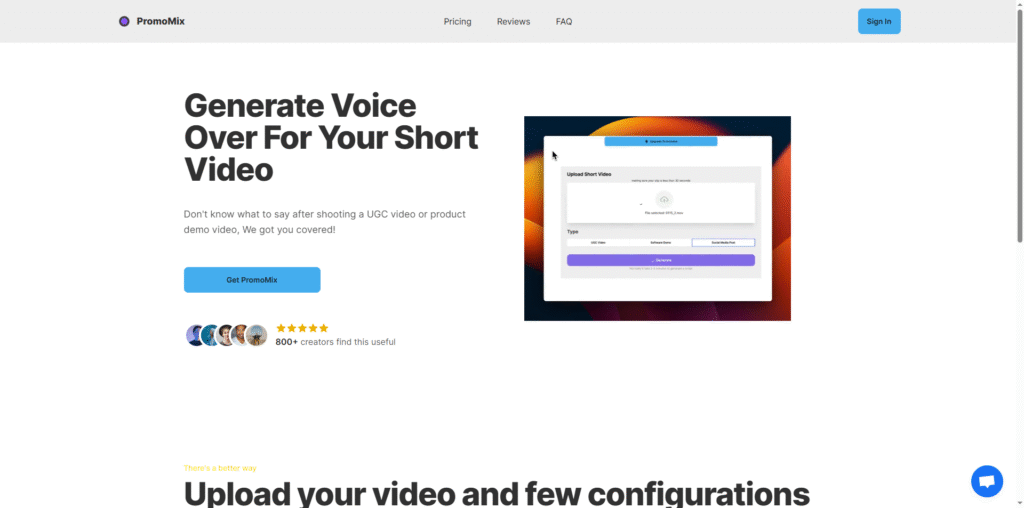
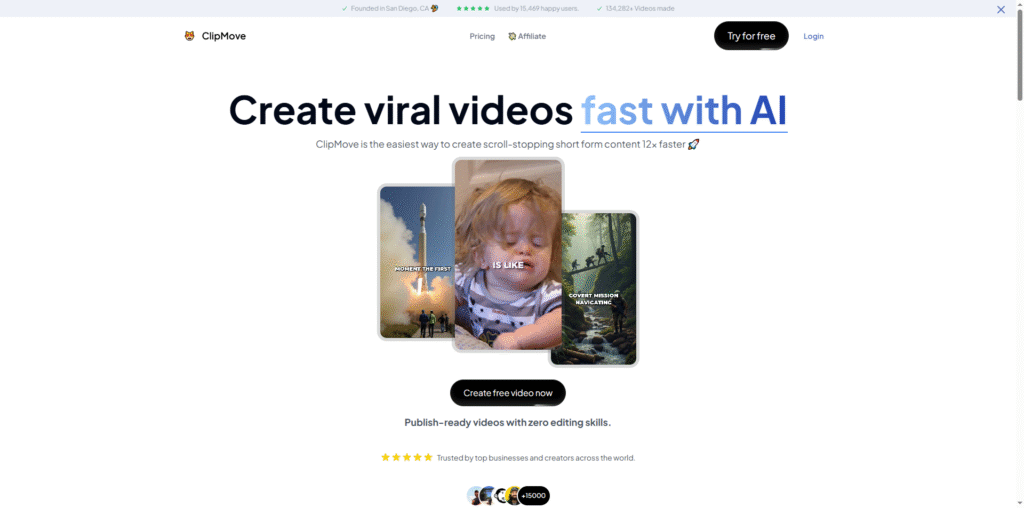
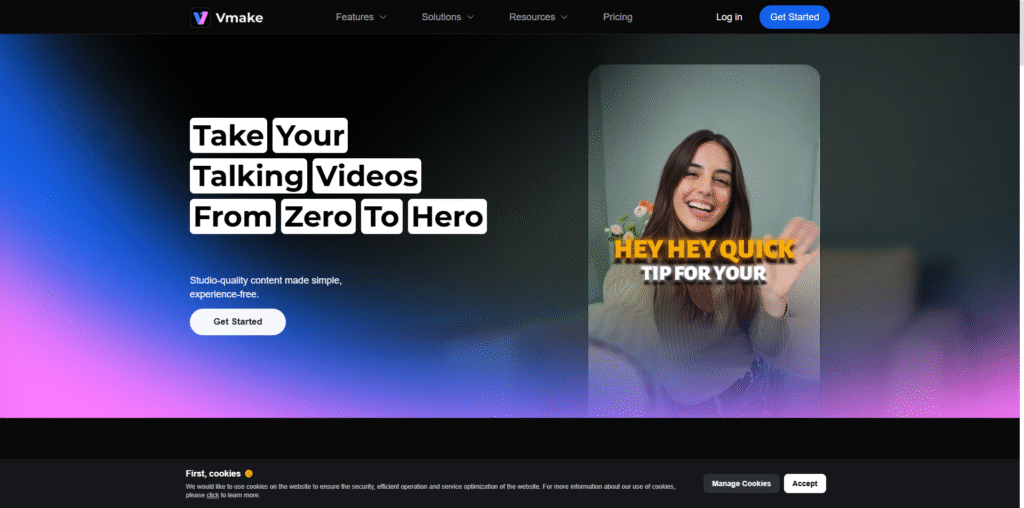
While Pippit.ai offers a unique blend of creativity and intelligence, several other AI tools provide complementary capabilities. Below is a table highlighting some noteworthy alternatives:
| Tool Name | Description |
|---|---|
| Jasper | An AI writing assistant that helps generate marketing copy, blog posts, and creative content efficiently. |
| Midjourney | A generative AI tool for creating stunning visual art and design concepts from text prompts. |
| Runway | A creative suite that integrates AI for video editing, image generation, and real-time collaboration. |
| Copy.ai | A content generation platform that assists with marketing, social media, and e-commerce copywriting. |
| Canva | A design tool that now incorporates AI features to simplify graphic creation and content design. |
Future Prospects of AI Creativity Platforms
The future of creative AI platforms like Pippit.ai looks promising. As AI models become more sophisticated, we can expect even greater synergy between human creativity and machine intelligence. According to McKinsey, AI could contribute up to $4.4 trillion annually to the global economy by 2030, with creative industries playing a pivotal role.
Pippit.ai’s continuous innovation, particularly through the integration of advanced models like Seedream 4.0, positions it at the forefront of this transformation. Future updates may include enhanced multimodal capabilities, real-time collaboration across devices, and deeper personalization features that adapt to individual creative styles.
Conclusion
Pippit.ai represents a new era in AI-driven creativity, blending technological sophistication with user-friendly design. Its integration of Nano Banana and Seedream 4.0 underscores its commitment to pushing the boundaries of what AI can achieve in the creative domain. Whether you’re a marketer, designer, educator, or researcher, Pippit.ai offers a versatile platform that empowers you to create, innovate, and collaborate more effectively. As AI continues to evolve, platforms like Pippit.ai will play a crucial role in shaping the future of digital creativity—where imagination meets intelligence, and innovation knows no limits.