



Introduction to Character AI
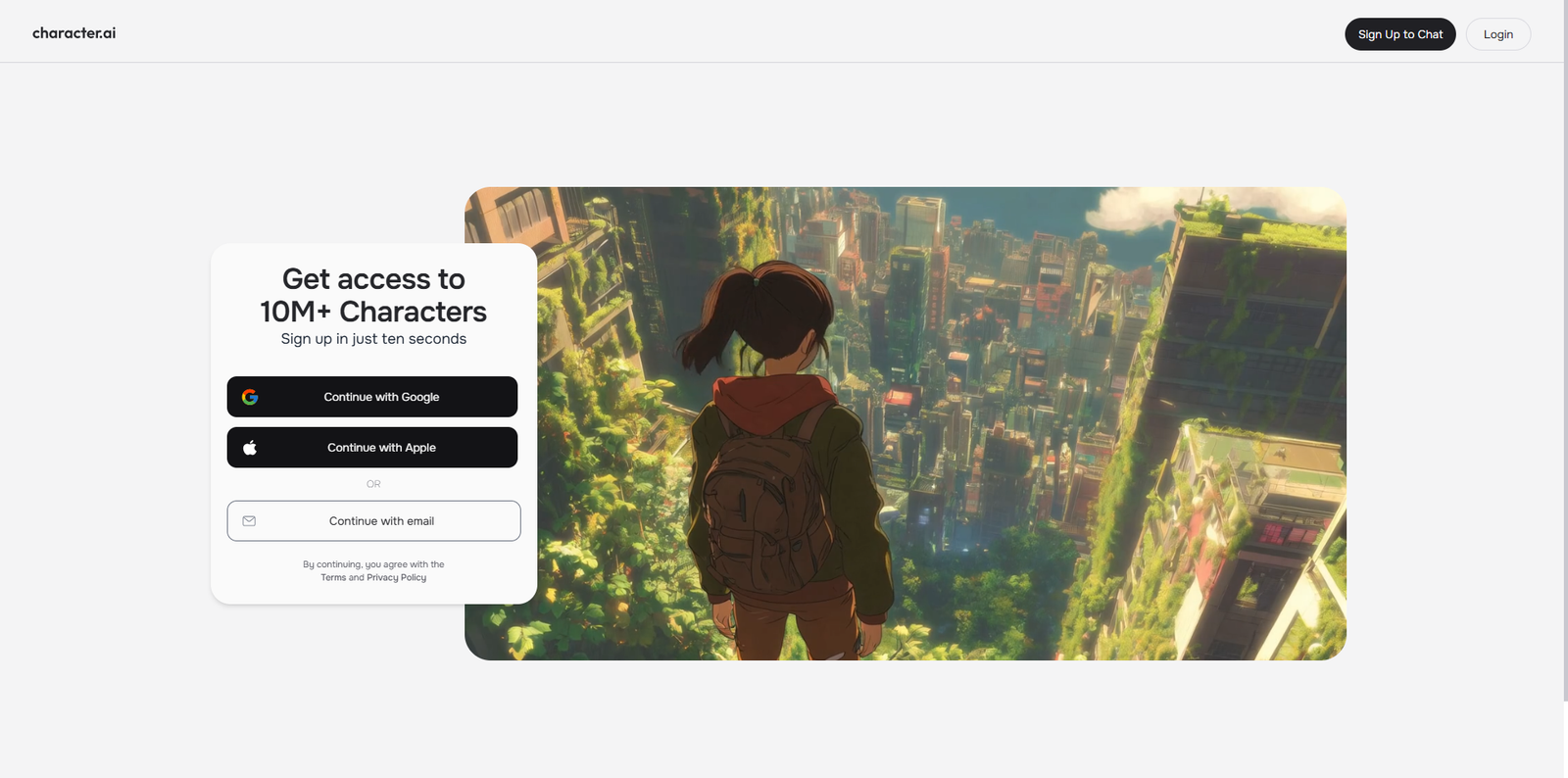
Character AI, founded in 2021 by former Google AI researchers Noam Shazeer and Daniel De Freitas, has emerged as a leading platform for user-generated AI characters. By September 2025, it boasts over 20 million monthly active users, allowing individuals to design virtual personas ranging from historical figures to fictional heroes. The tool leverages large language models to facilitate natural, context-aware dialogues, making it popular among writers, gamers, and those seeking companionship.
Core Functionalities and User Experience
At its heart, the platform enables seamless character creation without coding expertise. Users define traits, backstories, and behaviors, then engage in chats that adapt dynamically. Mobile apps on iOS and Android enhance accessibility, with over 40 million downloads. Premium subscriptions, starting at $9.99 monthly, unlock features like faster responses and ad removal, contributing to annual revenue exceeding $200 million.
Recent Updates and Innovations
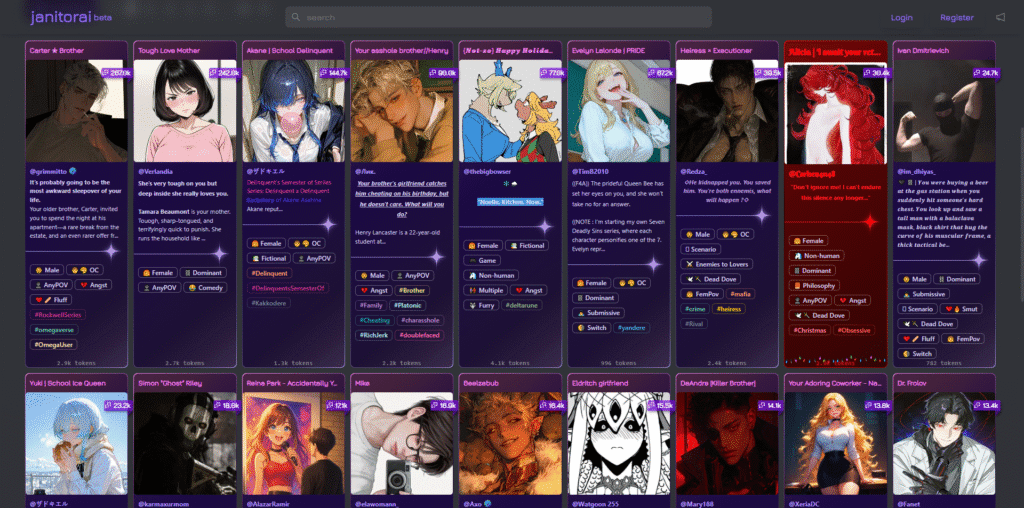
In 2025, Character AI rolled out significant enhancements. April’s community update introduced intro message regeneration for varied conversation starters. May focused on improved moderation tools to address content concerns. July’s terms revision, effective August 27, emphasized data privacy amid scrutiny. August brought PipSqueak, a voice synthesis feature for audible interactions, alongside filter tweaks reducing false positives in sensitive topics. The platform also open-sourced models in August, fostering developer contributions, and expanded visual elements like avatar animations for more immersive experiences. A new discovery hub helps users find trending characters, boosting community engagement.
Challenges and Impact
Despite acclaim, issues like server downtimes and debates over NSFW content persist, with ongoing filter refinements. The app’s 4.7-star rating reflects strong satisfaction, particularly among 18-24-year-olds comprising 65% of users. Character AI influences education, therapy, and entertainment, but raises ethical questions on AI dependency. With 18 million custom characters, it continues evolving, positioning itself as a cornerstone of interactive AI.